
Tour Package
Central India Tour Packages
SUPER DEAL PRICE
STARTS FROM
per person on twin sharing
Central India features UNESCO World Heritage sites.

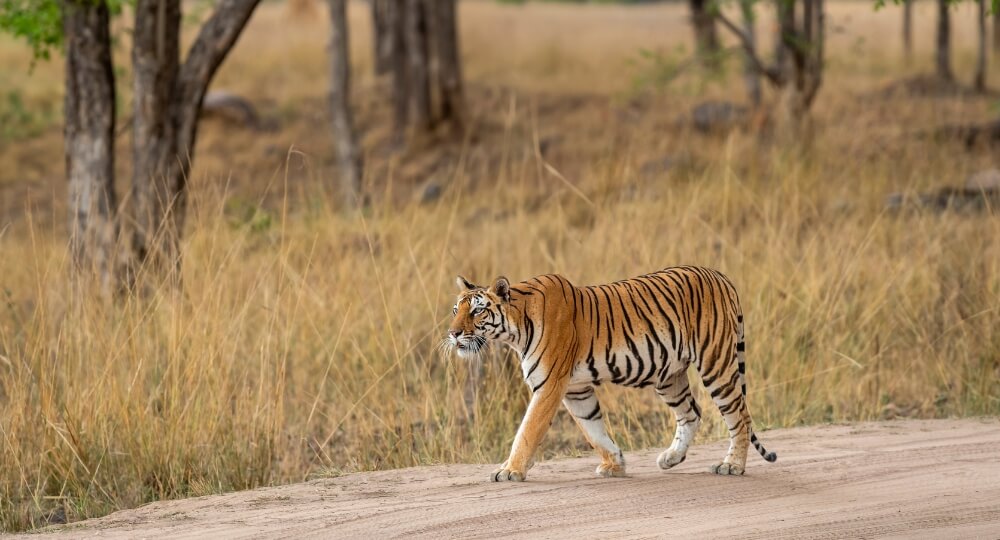
Region offers excellent wildlife safari experiences.

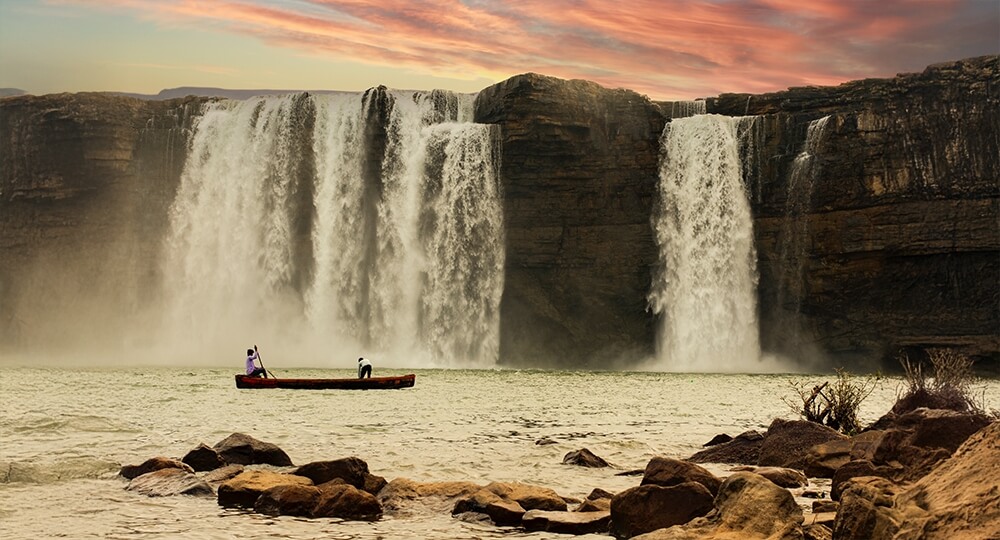
Visit Chitrakote Waterfall during the monsoon season.

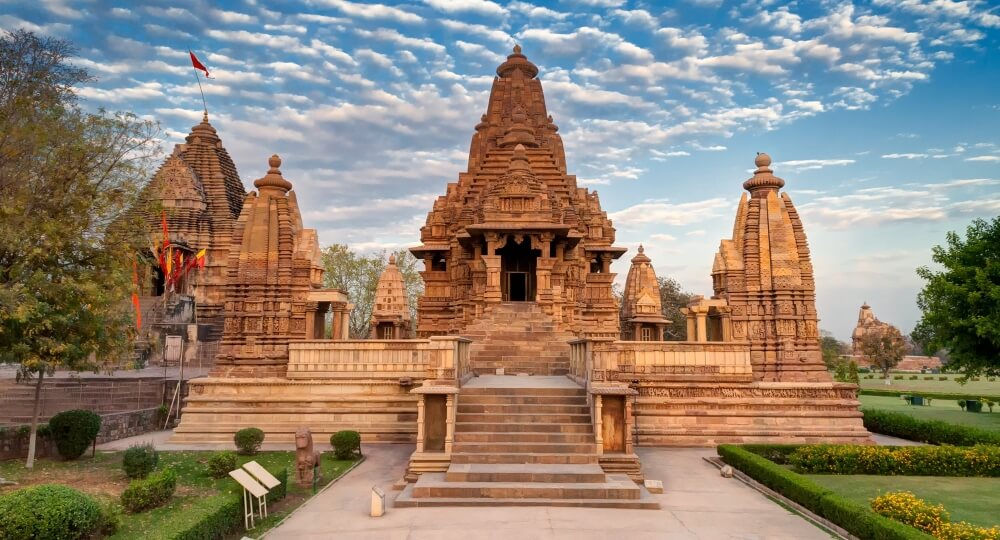
Explore ancient spiritual temples and shrines.

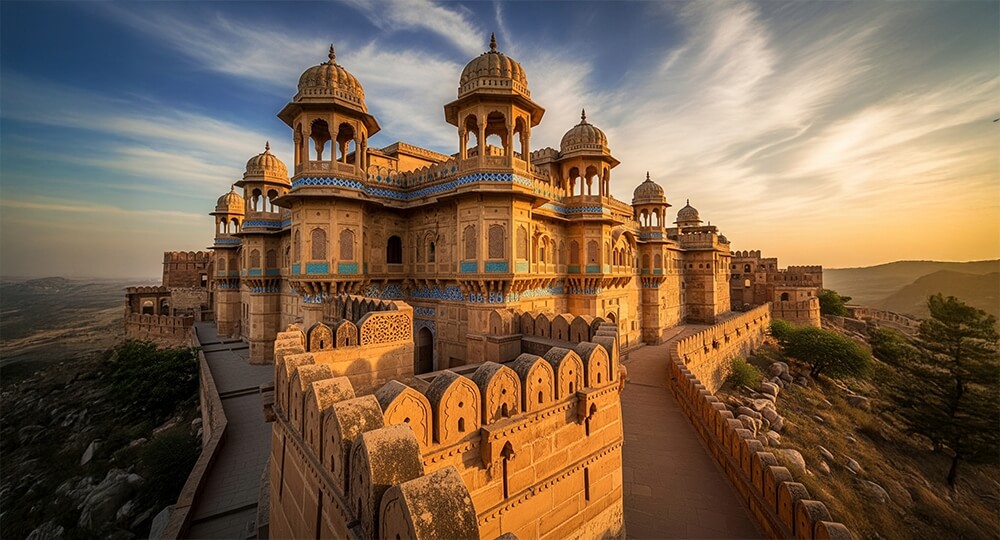
Visit historic Gwalior Fort showcasing royal heritage.
Central India - Overview

By Purpose

Couples
For Newlywed Vacations

Family
For Family Vacations
Top Attractions
Sanchi Stupa
Kanha National Park
Gwalior Fort
Orchha
Chitrakote Waterfall
Bhoramdeo Temple
Tirathgarh Waterfall
Rajiv Lochan Temple
Danteshwari Temple
Khajuraho Group of Monuments
Bhimbetka Rock Shelters
Bandhavgarh National Park
Mahakaleshwar Jyotirlinga
Kanger Valley National Park
Barnawapara Wildlife Sanctuary
Everything You Need to Know About Central India
The literal heart of India, which is Central India, consists of two diverse states that are the epitome of rich cultural heritage, and they are Madhya Pradesh and Chhattisgarh. While Madhya Pradesh is called ‘the heart of India’ due to its prominent location and royal past, Chhattisgarh has been given the title of the ‘rice bowl of India’ because of its significant rice production. Together, these two states are an awe-inspiring blend of rich wildlife, places of spiritual importance, delicious cuisines, spellbinding architecture, and unique art and culture. You can witness all of this and so much more with our Central India tour packages. Let’s do a deep dive into the central region of our country so you can understand why the states belonging to this portion of India are a must-visit at least once in your lifetime.
About Central India
About Madhya Pradesh
History
Prior to India’s independence, most of Madhya Pradesh’s state area was a part of the Central Provinces and Berar. This massive region included parts of Madhya Pradesh, the entire state of Chhattisgarh, and also certain parts of Odisha. During that period, Nagpur served as the region’s capital, and the Tadoba-Andhari Tiger Reserve also belonged to this region as well. At this time, the areas that are currently known as Bhopal, Indore, Gwalior, Rewa, and so on were individual kingdoms that had a tight connection with the British imperial system. Madhya Pradesh was established as a state in November 1956 following the States Reorganisation Act.
Economy
Agriculture forms the foundation of the economy of Madhya Pradesh. There are certain regions of the state that are particularly fertile and used for cultivation, such as the Narmada Valley and the Malwa and Rewa plateaus. Some of the major crops grown in the state are rice, corn, sorghum, wheat, and pulses. Rice is mainly cultivated in the eastern part of Madhya Pradesh as it receives more rainfall. The principal crops grown in the western and central areas of the state are wheat and sorghum. Madhya Pradesh is one of the largest producers of soybeans in India. Certain crops are grown in the hilly regions of the state, such as cotton, sugarcane, sesame, and linseed. Poultry farming and livestock are the two other sectors that contribute to Madhya Pradesh’s economy.
About Chhattisgarh
History
The region of Chhattisgarh was conquered by the Marathas in 1758. During this period, Bimbaji Bhonsle was appointed as the ruler of Chhattisgarh. In the early 19th century, the region faced significant unrest, especially because of the Pindaris, who were irregular horsemen, including plunderers and mercenaries. Chhattisgarh came under British control for the first time in 1818. Under colonial British rule, Chhattisgarh was made up of 14 feudatory princely kingdoms. Nagpur came under the direct rule of the British government in 1854, during which Chhattisgarh was created into a deputy commissionership, with Raipur serving as its headquarters. Chhattisgarh continued to remain a part of Madhya Pradesh till 2000. It was then carved out of Madhya Pradesh and was officially granted statehood in November 2000, making it the 26th state of India.
Economy
Close to three-fourths of the farmland of Chhattisgarh is used for cultivation. The state is often known as the ‘rice bowl of India’ as it’s among the leading producers of rice in the country. The central lowland plain of Chhattisgarh is known to supply rice to numerous rice mills. Millets and maize are primarily cultivated in the highlands of the state. The primary commercial crops of the area include oilseeds and cotton. Poultry farming and livestock form significant parts of Chhattisgarh’s economy, and the livestock of the state includes pigs, sheep, goats, buffalo, and cows.
Tidbits
- Central India has three UNESCO World Heritage Sites, namely the Khajuraho Group of Monuments, Sanchi Stupa, and the Rock Shelters of Bhimbetka.
- The state of Madhya Pradesh in Central India is the second-largest state in the country by area.
- The city of Ujjain in Madhya Pradesh is one of the locations of the revered Kumbh Mela.
- The Rock Shelters of Bhimbetka in Madhya Pradesh are one of the largest and oldest complexes of prehistoric rock art in the world.
- The Shree Mahakaleshwar Temple in Ujjain is one of the 12 holy Jyotirlingas in India.
- Several famous individuals and legends come from Madhya Pradesh, including Chandra Shekhar Azad, Kishore Kumar, Lata Mangeshkar, Arjun Rampal, and Mansoor Ali Khan Pataudi.
- Madhya Pradesh is said to have the largest tribal population in India.
- The Pench National Park of Madhya Pradesh was the inspiration behind The Jungle Book, written by Rudyard Kipling.
- The Gwalior Gharana, which is a vital part of Hindustani classical music, was born in the city of Gwalior in Madhya Pradesh.
- The Danteshwari Temple in Chhattisgarh is one of the 52 Shakti Peethas in India.
- The Kanger Valley National Park in Chhattisgarh is on UNESCO’s Tentative List of World Heritage Sites.
- Chhattisgarh is one of the biggest contributors to the country’s total steel production.
- Thakur Pyarelal Singh, a prominent Indian freedom fighter, was born in Chhattisgarh.
Things to Know Before Visiting Central India
- The primary airport in Chhattisgarh is the Swami Vivekananda International Airport (RPR).
- The Devi Ahilya Bai Holkar International Airport (IDR) is the busiest airport in Madhya Pradesh.
- Avoid street food and tap water due to health and hygiene-related concerns.
- Stay away from unlicensed taxis and only opt for licensed taxi services.
- In order to stay hydrated and energised, carry electrolyte powders or ORS, especially during the peak summer months.
- Don’t roam around alone at night, especially in the remote regions and the forest zones.
- Remember that some of the remote areas of the region could have poor network coverage.
- In the remote areas, you may not come across too many ATMs or stores that accept credit cards or debit cards. Therefore, carry sufficient cash.
- Take off your shoes before entering someone’s home.
- Dress modestly while visiting spiritual or religious places. Cover yourself up properly and remember to carry a scarf or shawl.
- Always ask for permission before clicking someone’s photograph, especially that of a woman.
- Take off your shoes before entering a temple and any other spiritual place.
- When you’re on a wildlife safari, remember not to make loud noises, stay within your jeep, and don’t feed the animals.
- Although the tribal communities are warm and welcoming, remember to always respect their cultural integrity and privacy.
- When you visit a national park or any place that contains wildlife, make sure to stay quiet and observe the animals from afar.
- Don’t stray away from the designated trails.
- Use recyclable items whenever possible.
- Don’t pluck flowers or disturb the vegetation or natural setting in any manner.
- Don’t litter and make sure to keep the surroundings clean. If there is anything you need to throw away, do so only when you spot a garbage bin.
Central India At A Glance
| State | Food | Shopping | Popular Places | Best Time to Visit |
| Madhya Pradesh | Poha, dal bafla, seekh kebab, chakki ki shak, palak puri, Bhopali gosht korma. | Handicrafts, leather objects, saree, jewellery | Khajuraho, Rock Shelters of Bhimbetka, Sanchi Stupa, Kanha Tiger Reserve, Gwalior Fort, Bandhavgarh National Park, Shree Mahakaleshwar Temple | October to February |
| Chhattisgarh | Aamat, cheela, muthia, bhajia, sabudane ki khichdi | Pottery, sculptures, sarees, jewellery | Rajiv Lochan Temple, Chitrakote Falls, Kanger Valley National Park, Tirathgarh Falls, Bhoramdeo Temple | October to March |
Top Reasons To Choose Central India Tour Packages
The following are some of the top reasons to choose GT Holidays’ Central India tour packages:
Diverse Wildlife
If you wish to explore rare and endangered species along with diverse forms of wildlife, then our Central India tour packages will leave you utterly delighted. This is because both Madhya Pradesh and Chhattisgarh play host to many wildlife sanctuaries and national parks that are home to mammals, birds, and more. In fact, it must be noted that the Pench National Park in Madhya Pradesh inspired the setting for the famous collection of stories called The Jungle Book, written by Rudyard Kipling. There is the Satpura Tiger Reserve (STR) in Madhya Pradesh, which is especially unique as it’s the only reserve in the country with the Indian Giant Squirrel as its mascot or logo. You can spot over 150 bird species at the Barnawapara Wildlife Sanctuary in Chhattisgarh, which includes migratory birds. Remember to also visit the Kanger Valley National Park, which provides shelter to animals like jackals, wolves, leopards, barking deer, and sloth bears.
Delectable Food
One of the top reasons to grab our Central India tour packages is the delicious food you will get to taste throughout your trip. The cuisine of Madhya Pradesh is influenced by Mughal traditions and also by the cuisine of some of its neighbouring states, including Rajasthan, Uttar Pradesh, Gujarat, and Maharashtra. The culinary landscape of Chhattisgarh is linked to some of the staple crops produced in the state, including rice, bajra, and jawar. Through your journey across Central India, you will get to taste non-vegetarian delicacies, such as seekh kebabs and Bhopali gosht korma, and plenty of vegetarian delights, including poha, dal bafla, palak puri, aamat, cheela, and muthia.
Eclectic Cities
There are eclectic cities you will get to visit with GT Holidays’ Central India tour packages. The cities in the central part of India are a mixture of traditions and modernity, art and culture, and history and development. There is the city of Bhilai, which is renowned as the ‘Steel City’ for playing host to the Bhilai Steel Plant (BSP). The city of Raipur is famous for its tribal handicrafts and handlooms, spiritual landmarks, and historical spots. Pay a visit to Ujjain to witness its plethora of temples, explore Gwalior to unearth its rich musical history and majestic forts, and marvel at Bhopal for its natural beauty and fascinating culture.
Places Of Spiritual Significance
Let your soul be bathed in the serenity of a spiritual ambience with our Central India tour packages. The states in the central region of our country boast of some of the most divine and exquisite places of religious and spiritual significance. There is the UNESCO World Heritage Site known as the Khajuraho Group of Monuments, which includes a mix of Hindu and Jain temples. There is the revered Danteshwari Temple, which is one of the 52 Shakti Peethas in India, dedicated to the divine feminine. Other temples and holy places to explore in Central India are the Mahakaleshwar Temple, Omkareshwar Temple, Bhoramdeo Temple, and Mahamaya Devi Temple.
The Two States Of Central India
Madhya Pradesh
Madhya Pradesh is the second-largest state in India by geographical area. It’s often called the ‘heart of India’ not only due to its central location, but also because of the rich history and culture the state embodies. The name of Madhya Pradesh is derived from two words, wherein ‘madhya’ means ‘central’ and ‘pradesh’ means ‘state’ or ‘region’, thereby justifying its location even further. Madhya Pradesh is bordered by Uttar Pradesh, Chhattisgarh, Maharashtra, Gujarat, and Rajasthan.
The state is renowned for its diverse wildlife and is home to many national parks and wildlife sanctuaries. It’s also called the ‘tiger state of India’ because it has one of the highest populations of tigers in the country. The places that travellers can go to in order to explore Madhya Pradesh’s rich wildlife include the Bandhavgarh National Park, Panna National Park, and Kanha National Park.
Madhya Pradesh plays host to multiple places of religious and spiritual significance that highlight the state’s stunning architecture and intricate history. This includes the Khajuraho Group of Monuments, which is a UNESCO World Heritage Site. Devotees can also explore the Omkareshwar Temple, Annapurna Temple, Mahakaleshwar Jyotirlinga Temple, and Kal Bhairav Temple.
Chhattisgarh
The state of Chhattisgarh shares its borders with Uttar Pradesh, Jharkhand, Odisha, Telangana, Maharashtra, and Madhya Pradesh. People of numerous linguistic, social, ethnic, and religious backgrounds exist harmoniously in Chhattisgarh. The state is a magnet for lovers of nature, as is evident through the presence of the Kanger Valley National Park, which was declared an Asian Biosphere Reserve due to its rich biodiversity. You will come across the Tirathgarh Falls, which are also known as the ‘Milky Falls’, as the water that cascades down resembles falling milk. Adding to the natural beauty of Chhattisgarh is Dalpat Sagar, the largest artificial lake in the state, whose history dates back 400 years.
The travellers interested in a spiritual pilgrimage will come across a variety of divine spots in Chhattisgarh. This includes the Danteshwari Temple, which is dedicated to Goddess Danteshwari, and is one of the 52 Shakti Peethas. It’s said that the place where the temple is built is the spot where Goddess Sati’s tooth had fallen. With our Central India tour packages, you can also visit the Bhoramdeo Temple, Mahamaya Devi Temple, and Bilai Mata Mandir.
The culture of Chhattisgarh comes alive in numerous forms, through its food, festivals, and art and craft. Make sure to check out the Bastar kosa sarees, which are not only some of the most popular souvenirs in the state, but also a part of the cultural fabric of Chhattisgarh. Some of the many festivals celebrated in the state throughout the year are Bastar Dussehra, Madai Festival, Rajim Kumbh Kalpa, and Navakhana Festival.
Top Cities In Central India
Bhopal
Bhopal is the capital of Madhya Pradesh. The numerous natural and artificial lakes located in and around the city have given Bhopal the title of the ‘city of lakes’. The Upper Lake (also known as Bhojtal) forms the literal as well as metaphorical heart of the city and is one of the main sources of drinking water for the people of Bhopal. The city is home to one of Asia’s largest mosques, which is the Taj-ul-Masajid. Standing as a shining example of Mughal architecture, it was built using red sandstone, which gives a pink appearance to the structure. Some of the other popular tourist attractions to explore in Bhopal with our Central India tour packages are the Van Vihar National Park, Rani Kamlapati Palace, Madhya Pradesh Tribal Museum, and Sanchi Stupa.
Indore
Indore is not only the largest city in Madhya Pradesh, but also its most populous city. It plays the role of the state’s commercial capital. It’s also known to be the education hub of Madhya Pradesh as it houses prestigious educational institutions, such as the Indian Institute of Technology (IIT) and the Indian Institute of Management (IIM). Indore has been recognised as one of the fastest-growing smart cities in India and has also been voted the cleanest city in the country eight times in a row as of now, thereby adding to its multiple accolades. As per the Swachh Survekshan 2021, Indore was declared the first ‘water plus’ city of India. Indore derives its name from the Indreshwar Temple, which is dedicated to Lord Shiva. There are various enticing attractions in Indore that you can experience with our Central India tour packages, including the Annapurna Temple, Rajwada Palace, Kanch Mandir, Lal Bagh Palace, Patalpani Waterfall, and Kamla Nehru Zoo.
Gwalior
Gwalior, a city located in the northern region of Madhya Pradesh, is renowned as the ‘city of music’ owing to its historical and rich musical heritage. It has made immense contributions to the world of Indian classical music, as is evident through the Gwalior gharana. The city’s connection to music is so deep that it was designated a UNESCO City of Music in November 2023. Gwalior is also connected to the famous musician, Tansen, who was one of the ‘nine gems’ in the court of the Mughal Emperor Akbar. Apart from its musical lineage, there is much more to explore in the city of Gwalior with our Central India tour packages, such as the Gwalior Fort, Sas-Bahu Temple, Tomb of Tansen, Sun Temple, and Gujari Mahal. The Tomb of Tansen is known to have the tombs of Tansen as well as his teacher, Muhammad Ghaus, who was a Sufi saint.
Ujjain
Situated next to the Kshipra River in Madhya Pradesh is the ancient city known as Ujjain. You must have heard of the world-renowned Kumbh Mela which takes place in India every 12 years and attracts millions and millions of devotees and visitors. Did you know that Ujjain is one of the four locations of this sacred festival? Yes, it’s true. It holds the title of being the ‘city of temples’ because of the several pilgrimage sites and sacred temples it houses, many of which you can explore with our Central India tour packages. Ujjain is also called the ‘Greenwich of India’ since the ancient Indian prime meridian, known as Madhya Rekha, passed through the city. One of the most revered temples to explore in Ujjain is the Mahakaleshwar Temple, dedicated to Lord Shiva. Make sure to witness the sacred Bhasma aarti, wherein holy ash is offered to the presiding deity, signifying the transience of life and the ultimate truth of death. Other attractions to visit in the city include the Kal Bhairav Temple, ISKCON Temple, Harsiddhi Temple, Kaliadeh Palace, and Ram Ghat.
Raipur
Raipur is the capital city of Chhattisgarh. It was one of the main capitals of the Kalachuri or Haihaya dynasty. The city has been in existence since the 9th century and is home to numerous notable temples, of which one is the Shri Mahamaya Devi Mandir. Dedicated to Goddess Mahamaya, it’s said to have been built on a site that hosted an older temple. Raipur has many lakes, including the Swami Vivekananda Sarovar or Budha Talab, which is one of the oldest water bodies in the city. Located near the lake is a temple dedicated to Lord Rama, known as the Dudhadhari Temple. Some of the other prominent tourist attractions to visit in Raipur with our Central India tour packages include the Nandanvan Zoo, Kankali Talab, Mahant Ghasidas Memorial Museum, and Urja Park.
Bhilai
Bhilai is a primary industrial centre located in Chhattisgarh. It’s known as the ‘Steel City’ because of the presence of the Bhilai Steel Plant (BSP). The BSP has been awarded the Prime Minister’s Trophy for being the Best Integrated Steel Plant in India 11 times till now. Located about 25 km west of Raipur, the city of Bhilai has numerous places you can visit with GT Holidays’ Central India tour packages. This includes the Jagannath Mandir, Maitri Bagh, and Tandula Dam.
Bilaspur
The city of Bilaspur serves as a significant business hub and commercial centre for the northeastern region of Chhattisgarh. It also plays a major role in the infrastructure of the Indian Railways as it’s the headquarters for the South East Central Railway Zone (SECR), which is integral for freight and passenger transportation in Central India. When you visit the city with our Central India tour packages, make sure to visit the Kanan Pendari Zoo, Pataleshwar Temple, and Kutaghat Dam.
Must-visit Tourist Attractions In Central India
Khajuraho
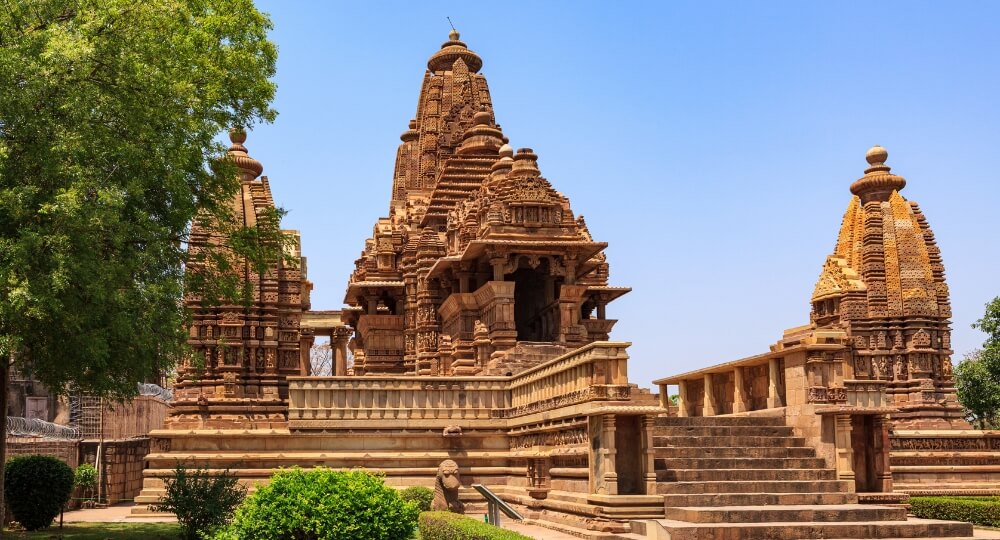
The Khajuraho Group of Monuments is situated in the Chhatarpur district of Madhya Pradesh. Built during the rule of the Chandela dynasty, they comprise a collection of Hindu and Jain temples. This architectural wonder was declared a UNESCO World Heritage Site in 1986. These temples are popular for their Nagara style of architecture, which includes beehive-shaped towers called shikharas. The site had 85 temples by the 12th century, of which 20 to 25 currently remain standing. The Kandariya Mahadeva Temple is considered to be the largest of all the temples. Built in honour of Lord Shiva, the temple features intricate craftsmanship, detailed sculptures, and symbolism. Its name translates to ‘the Great God of the Cave’.
Rock Shelters of Bhimbetka
The Rock Shelters of Bhimbetka are situated in the foothills of the Vindhya Range, about 45 km southeast of Bhopal. Made up of seven hills, these five clusters of natural rock shelters consist of over 750 rock shelters that are sprawled over an area of 10 km. Renowned for being one of the greatest collections of prehistoric art in India, the complex was discovered in 1957 and declared a UNESCO World Heritage Site in 2003. According to legend, the name ‘Bhimbetka’ is a reference to the Mahabharata, signifying the sitting place of Bhima during the exile of the Pandavas in the forest. The rock shelters feature paintings that are said to be around 30,000 years old, dating from the Mesolithic Period to the early and late historical periods.
Sanchi Stupa
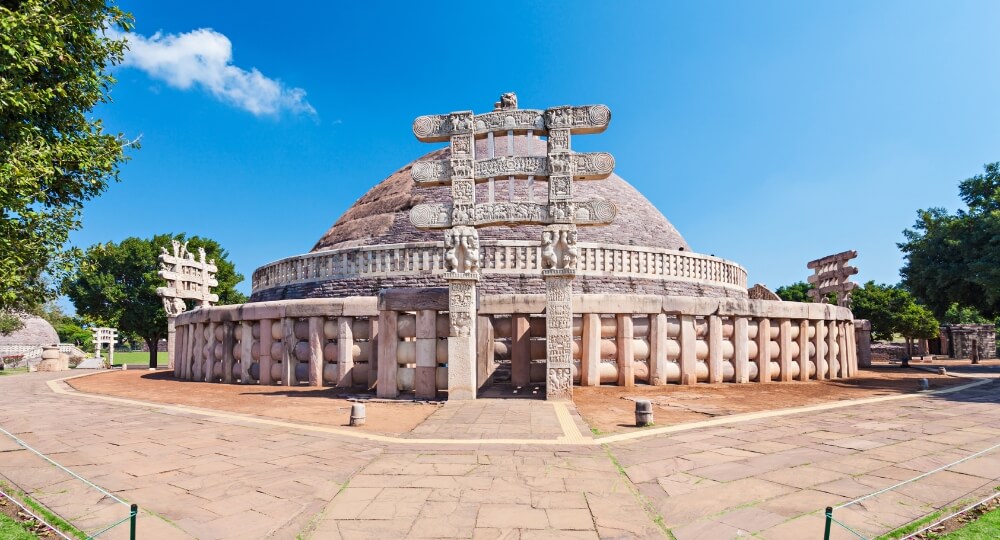
The Sanchi Stupa is a group of Buddhist monuments located about 46 km from Bhopal, perched on a hilltop. Renowned as one of the oldest stone structures in India, it was declared a UNESCO World Heritage Site in 1989. The Buddhist complex consists of monasteries, temples, and stupas. During the 3rd century BCE, the Great Stupa at Sanchi was commissioned to be built by the Mauryan Emperor Ashoka. Visitors can find stories of Lord Buddha’s life and teachings from the Buddhist Jataka tales embellished on the ornate doorways of the Sanchi Stupa. Tourists need to buy tickets in order to explore the complex. The tickets can either be bought online or purchased from the ticket counter outside the structure. The ticket price for Indians is Rs 40 per person, and entry is free for kids below the age of 15.
Kanha Tiger Reserve
The Kanha Tiger Reserve is the largest national park in Madhya Pradesh. Also known as the Kanha National Park, it was declared a reserve forest in 1879, after which it was reclassified as a wildlife sanctuary in 1933. It was later given the status of a national park in 1955. The Kanha Tiger Reserve was the first of its kind in the country to introduce an official mascot, ‘Bhoorsingh the Barasingha’, which is a type of swamp deer. The national park covers an area of 940 sq km. Some of the diverse kinds of wildlife you can encounter at this park include tigers, leopards, jackals, wild dogs, sloth bears, sambar deer, and swamp deer.
Gwalior Fort
The Gwalior Fort is located on a steep and isolated sandstone hill in the city of Gwalior in Madhya Pradesh. Nestled approximately 300 feet above the ground, it has been given the title of the ‘Gibraltar of India’, and the structure towers over the city, shining bright with its magnificence and rich past. It was called ‘the pearl amongst fortresses of Hind’ by the Mughal emperor Babur. During the 3rd century, the construction of Gwalior Fort was started by Raja Suraj Sen, and it was later developed by Raja Man Singh Tomar during the 15th century.
Bandhavgarh National Park
The Bandhavgarh National Park is located in the Vindhya Hills of the Umaria district of Madhya Pradesh. The park has one of the highest densities of tigers not only in the country, but also in the world. Back in the day, the location was said to be the former hunting preserve of the Maharaja of Rewa. The region of Rewa was apparently the place where white tigers were first discovered. Some of the other animals you will witness at the Bandhavgarh National Park include barking deer, sambar deer, wild pigs, leopards, wolves, jackals, and jungle cats. The park also has about 250 species of birds.
Shree Mahakaleshwar Temple
The Shree Mahakaleshwar Temple, which is one of the 12 revered Jyotirlingas in India, is located in the city of Ujjain in Madhya Pradesh. The temple is dedicated to Lord Shiva, and the notable feature of this temple is that the Shiva Lingam is said to be self-manifested. It’s called Swayambhu as it’s believed to draw its powers from within. Another intriguing fact about this Jyotirlinga is that it’s the only one its kind that faces south, which is why it’s called dakshinamukhi (or south-facing). Devotees of Lord Shiva will find this particularly interesting since the south is associated with death, and Shiva himself is said to be the vanquisher of death and the lord of time. The temple is usually open from 4 am to 11 pm.
Barnawapara Wildlife Sanctuary
The Barnawapara Wildlife Sanctuary is situated in the Mahasamund district of Chhattisgarh. Sprawled over an area of 245 sq km, it was established in 1976 under the Wildlife Protection Act of 1972. The wildlife sanctuary houses more than 150 species of birds, including migratory birds. Some of the various kinds of animals you will encounter at this location are the nilgai, sambar deer, chital, jungle cats, wild dogs, and barking deer.
Rajiv Lochan Temple
The Rajiv Lochan Temple is located in the town of Rajim in Chhattisgarh. The presiding deity at this temple is a four-armed form of Vishnu known as Rajiv-Lochana. The roots of this temple can be traced back to the 8th century CE. It features the Panchayatana style of architecture, which includes a central shrine and four subsidiary shrines located at four different corners. These subsidiary shrines are dedicated to Narasimha, Vaman, Varaha, and Badrinath. The temple was given the title of the ‘Triveni Sangam of Chhattisgarh’ since it’s situated at the confluence of the Mahanadi, Pairi, and Sondhur rivers.
Chitrakote Falls
The Chitrakote Falls are situated about 38 km from the city of Jagdalpur in the Bastar district of Chhattisgarh. Located 30 metres high, it’s 300 metres wide and has earned the title of the ‘Niagara Falls of India’. It’s the largest waterfall in Chhattisgarh and the broadest waterfall in the country. The dense forests that engulf the waterfall add to its picturesque beauty.
Kanger Valley National Park
The Kanger Valley National Park is located about 24 km southeast of Jagdalpur in the Bastar region of Chhattisgarh. It was given the status of a national park in 1982. Spread over an area of 200 sq km, the national park is home to over 500 plant species, 35 species of mammals, and 150 species of birds. Tourists will come across several rare and endangered species at the Kanger Valley National Park, along with other kinds of wildlife, such as leopards, tigers, wild cats, barking deer, striped hyenas, wolves, and sloth bears.
Tirathgarh Falls
The Tirathgarh Falls can be found within the Kanger National Park. It’s a block-type waterfall, which means that it cascades over stepped rocks in a manner such that it creates a block-like effect, giving it an illusion of a curtain of water. The Tirathgarh Falls, or Teerathgarh Falls, plunge about 300 feet in one drop. On a large rock located right opposite the waterfall is a small temple dedicated to Lord Shiva and Goddess Parvati.
Bhoramdeo Temple
The Bhoramdeo Temple is situated in the Kabirdham district of Chhattisgarh. It’s called the ‘Khajuraho of Chhattisgarh’ due to the similar Nagara-style architecture and the erotic sculptures seen on its walls and pillars. The temple is dedicated to Lord Shiva and its construction is believed to have been completed during the 11th century. The structure sits on a five-foot-high platform and was built mainly from sandstone.
Travel Tips

Visa Information
Check visa requirements before traveling, ensuring a smooth entry and compliance with destination regulations.

Health and Safety Tips
Prioritize health, stay hydrated, follow safety guidelines, and maintain personal hygiene for a secure journey.

Currency and Tipping
Familiarize with local currency, consider customary tipping practices for respectful and seamless travel experiences.
Book Your Dream Vacay Today!