2

Tour Packages

Coorg Tour Packages

Popular Hill Station in Karnataka

SUPER DEAL PRICE

STARTS FROM

per person on twin sharing
Time Zone:
Scotland of India: Coorg
South India’s No.1 Travel Brand
Abbey Falls
Hanging Bridge Viewpoints in Coorg
Tadiandamol
Highest Peak and a Popular Trekking Destination
Mallalli Falls
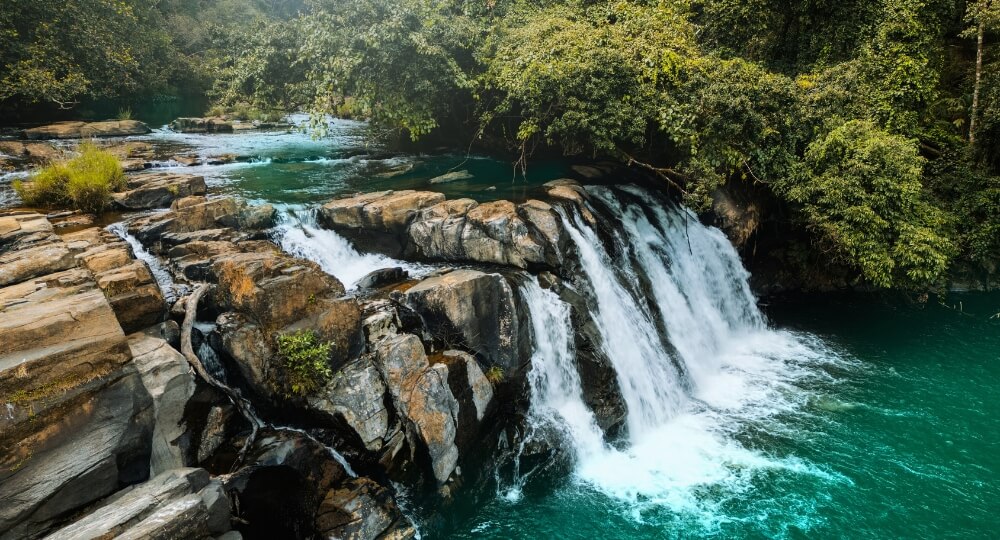
Tallest Waterfalls in Coorg
River Rafting
Famous Outdoor Water Activity
Essential Tips for Travelling to Coorg
ATMs

ATMs are common but limited in rural areas.

Credit Cards

Credit cards are accepted in major areas.

Bank

Banks are easier to access in Coorg.

Drinking

The legal drinking age in Coorg is 21 years.

Safest

Coorg residents are known for their hospitality.

Coorg - Overview

coorg map

By Purpose

tour package tourism

Couples

For Newlywed Vacations

tour packages business

Family

For Family Vacations

Top Attractions and Nearby Sights

Raja’s Seat

Madikeri Fort

Abbey Falls

Nisargadhama

Chelavara Falls

Bhagamandala

Omkareshwara Temple

Dubare Elephant Camp

Nagarhole National Park

Pushpagiri Wildlife Sanctuary

Mallalli Falls

Talakaveri

Everything You Need to Know About Coorg

Coorg, or Kodagu in Kannada, is the most popular hill station in Karnataka. Nestled in the heart of the Western Ghats, the place is renowned for its picturesque coffee plantations, scenic beauty, and wildlife sanctuaries. Coorg is also home to the Kodava and Yerava tribespeople, among other groups. A visit to this scenic hill station also offers a glimpse into the life and culture of these tribes. Read on to learn more about our Coorg tour packages.

Call us or send a message on Instagram to customise your Coorg tour package.

Table of Content:

About Coorg

Coorg or Kodava is a popular hill station in Karnataka, famous for its scenic mountain view, coffee plantations, and abundant wildlife. The town is also nicknamed the Scotland of India because of its resemblance to the Scottish Highlands. Nestled amidst the undulating hills of the Western Ghats, Coorg is a mist-laden haven surrounded by wildlife sanctuaries and one national park. The region is also home to thriving plantations of significant crops like coffee, cardamom, pepper, and oranges. Read on to learn more about Coorg tour packages from GT Holidays. Call us to learn more about our customised tour plans.

History

The town of Kodagu gets its name from the Kodava tribe, an ethnolinguistic minority with an oral history that dates to the Sangam Era. But before they settled in the hills, the hills were occupied by the Kudiyas, Yerawas, and the Kembatti Holeyas. The region’s written history can be traced to the 8th and 9th centuries and was even ruled by the Kadambas of Karnataka. However, despite being ruled by the Kadambas, the locals were hardly ever influenced by the lifestyle of their ruling dynasty. The Kodavas maintained their customs, dress, and religious beliefs.

The land was also ruled by the Vijayanagara Empire and later by Veeraraja, who was the first of the Haleri Kings. The dynasty ruled Coorg for over 200 years until the British took control of the region in 1834. The kingdom finally merged with Independent India in 1956.

Geography

Coorg is located on the eastern slopes of the Western Ghats, which are characterised by deciduous forests with trees like sal, sandalwood, and shisham. The region is also known for its lush green landscapes, rolling hills, and thick forests. The Kaveri River originates at Talakaveri near Coorg in the Bramhagiri Range.

The town is bordered by Dakshina Kannada in the northwest, Hassan to the north, Mysore to the east, Kannur to the southwest and Wayanad to the south.

Coorg experiences a moderate and pleasant climate with temperatures dropping to as low as 8°C during the winter. Even in the summer, temperatures do not exceed 30°C. Read on to learn more about the best time to choose Coorg tour packages.

Geography

Contrary to popular belief, it was not the British who introduced coffee to the region. The credit goes to a traveller who brought back a few magical beans on his return from Yemen in the 17th century. But the British did influence the surge of coffee plantations, which they later sold when India attained independence. Today, Coorg is a major supplier of coffee, spices like cardamom, pepper, and cinnamon, and other plantation crops like areca nut, rubber, teak, vanilla, cocoa, and orange. Kodagu is also famous for its wild honey, collected by the indigenous dwarf bee varieties.

Call us to learn more about our Coorg tour packages.

Tidbits

  • Coorg is the largest producer of coffee in India.
  • Coorg is called the Scotland of India.
  • The Kodava Hockey Festival is the world’s largest field hockey tournament.
  • The original name of Coorg, Kodagu, is derived from the Kodava tribe.
  • The Kodava tribe’s history dates to the Sangam Era & has more than 2000 years of oral history.
  • The Kodavas, being a warrior community, worship their guns during the Kailpodh Festival.
  • The Kodavas are the only people in India allowed to possess guns without a license.
  • Coorg is home to the Puttu Honey, a unique honey variety collected by dwarf honeybees and gathered by the Kattunayakan tribe.

Things To Know Before Choosing Coorg Tour Packages

  • We suggest you avoid weekends when choosing Coorg tour packages, as it attracts visitors from nearby Bangalore and Mysore.
  • While jeep safaris are a tourist attraction, the Mandalapatti jeep safari isn’t for the faint-hearted.
  • If your itinerary includes the Chiklihole Dam, make sure you book Coorg tour packages during the monsoon or immediately post monsoon.
  • There are plenty of activities you can enjoy in Coorg. Check with your tour planner when booking a package.
  • Carry an umbrella with you as rain is unpredictable.
  • Enquire about guided plantation walks when booking Coorg tour packages

Coorg At A Glance

High Season: November to May

Languages Spoken: Kodava, Kannada, Tulu, Malayalam, Tamil

Famous Tourist Attraction: Abbey Falls, Nagarhole Wildlife Sanctuary, Namdroling Monastery, Raja’s Seat, Madikeri, Talakaveri

Things to Do: Coffee Estate Tour, Jeep Safari, Trekking, River Rafting

Famous Food: Pandi Curry, Akki Roti, Dishes made from Baimbale (Bamboo), Kommu (Mushroom) Curry

Souvenirs to Buy: Coffee, Spices, Honey, Wooden Handicrafts

Top Reasons To Choose Coorg Tour Packages

The amazing climate and lush greenery are reasons in themselves to plan a trip to Coorg. But if you are looking for solid excuses to book a Coorg tour package, read on:

Kodava Culture

The local name of Coorg, Kodagu, is derived from the region’s dominant community, the Kodavas. This landowning warrior community traces its history back over a thousand years and is even believed to have been mentioned in the Sangam Era literature. While the polytheistic Kodava community is Hindu, they revere nature and its elements, and consider Kaveri to be the most sacred. Their religious practices are unique and even include ancestor worship. Experiencing the Kodava culture firsthand will undoubtedly remain a memorable aspect of your Coorg tour packages.

You can explore the life of the Kodavas from close quarters by observing their festivals like Puthari and Kail Podh, enjoying authentic Pandi curry and various Baimbale (bamboo) and Kumm (wild mushroom) dishes, visiting traditional Ain Mane (traditional Kodava clan homes), and learning more about their martial heritage by visiting the many museums in Coorg.

Waterfalls

The Kaveri River, considered the holiest of rivers in South India, originates in the Western Ghats Mountain ranges of Coorg. At Talakaveri, amidst the Brahmagiri Hills, a spring gushes from the earth and is the source of the mighty Kaveri River. Thanks to its hilly terrain and heavy rainfall, the Kaveri River creates several waterfalls as it winds down the steep terrain. Besides the popular waterfalls like Abbey and Iruppu, there are plenty of tiny secluded cascades that only locals know. These hidden waterfalls offer a perfect escape from the hustle and bustle of the crowds that flock to Coorg every weekend.

With water cascading down rocky cliffs amidst verdant greenery, these waterfalls are surrounded by rich biodiversity and melodious bird calls. These waterfalls are certainly nature’s best-kept secrets and involve trekking through thick coffee plantations and bamboo groves. We recommend booking Coorg tour packages with accommodations that are close to nature.

For instance, the Chelavara Falls is about 37 km from Madikeri and takes around 10- 20 minutes of trekking. This waterfall is best explored during the monsoon.

Another hidden waterfall, Mallalli, is right inside the Pushpagiri Hills, about 40 km from Madikeri.

Some of the popular waterfalls in Coorg include Burude Falls in the Illimane Village. The Devaragundi Falls is another lesser-known waterfall created by one of the many mountain streams and is considered sacred by the locals.

Coffee Plantations

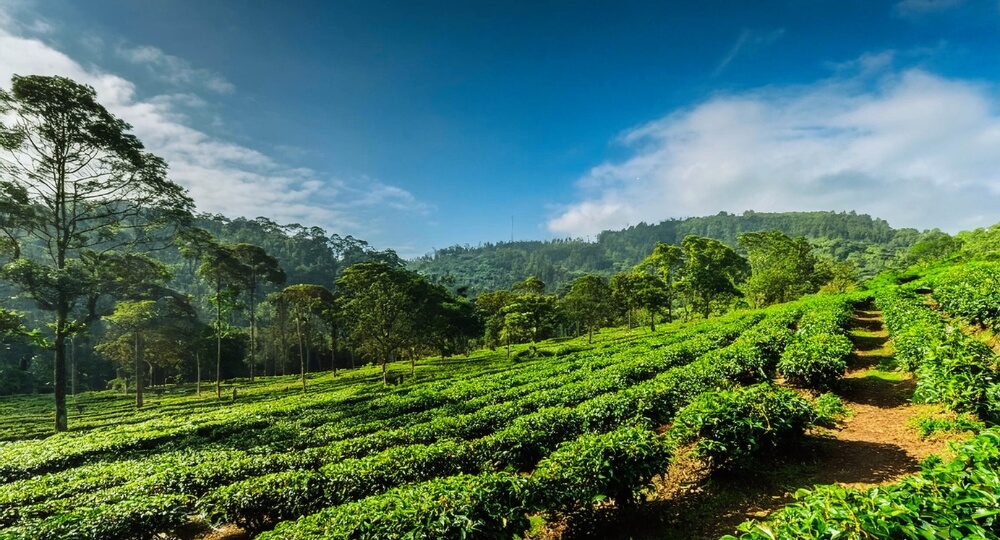
The rolling hills of coffee plantations are a permanent fixture of Coorg’s landscape. The delicate, sweet-smelling aroma of coffee blossoms invigorates the senses during spring, while the red berries standing out amidst green leaves paint a beautiful picture during the winter.

Legend has it that a Muslim pilgrim from Yemen first introduced coffee to the hills of Chikmagalur. It was the Rajas of Kodagu who encouraged Malabari Muslims to grow coffee. But the credit for turning coffee production into a large-scale agro industry goes to the British, especially Captain LeHardy, the first British Superintendent of Coorg.

The Mercara Estate is the first coffee plantation in Coorg, soon followed by hundreds of plantations at the turn of the 20th century. After independence, ownership of these estates passed on to the local Kodavas. Today, the Kodavas not only successfully run these coffee plantations, but also manage homestays where you can learn more about coffee cultivation, but also explore the nooks and crannies of the hills where they are grown. We especially recommended homestays surrounded by coffee plantations during the flowering season when the intoxicating perfume of coffee blossoms fills the air.

Coorg grows two coffee strains: Robusta from December to February, and Arabica from November to January.

Some of the popular coffee-related souvenirs you can buy during your Coorg tour packages include coffee blossom scented oils, coffee powder and beans, and dried coffee blossoms that make an aromatic tea.

Forests And Wildlife

If your idea of a perfect vacation involves listening to the buzz of cicadas and the birds chirping away in delight, there’s no better place than Coorg. You can trek through the thick jungles in search of deer tracks and tiger paw prints, or explore the diverse orchids native to this region. This is a land where there’s perfect harmony between nature and its inhabitants.

The region is home to two distinct forest types of Western Ghats: the evergreen hills thick with jungles called Maley-Kadu and the deciduous valleys called Kanive-Kadu. Amidst these, you will also find Deva-Kadu or sacred groves maintained by the indigenous tribes to pay homage to the spirit of their ancestors and the forces of nature controlling their lives.

Coorg is a micro-hotspot of biodiversity with a fragile but rich ecology. There are three wildlife sanctuaries, viz., Pushpagiri, Brahmagiri, and Talakaveri, two reserve forests, viz., Padinalkadu and Keriti, and one national park, the Nagarhole National Park.

The forests are home to a diverse range of flora and fauna, including several species of evergreens, medicinal plants, bamboo varieties, mangroves, reeds, insects, colourful molluscs, reptiles, birds, and several documented fungi species. You’ll also find different varieties of orchids, succulents, and wild fruits endemic to the Nilgris.

The Nagarhole National Park is home to Asiatic elephants, tigers, leopards, wild boar, monkeys, and jackals.

Temples

Kodagu is not only famous for its scenic beauty but also for its ancient temples that have a unique architectural style. Besides the Hindu deities, the local Kodavas primarily practice ancestral worship and revere the Kaveri.

Igguthappa, a much-loved and popular deity of the Kodavas, is associated with harvest and rain. Across Coorg, you will find several temples dedicated to Igguthappa, the most famous being Padi Igguthappa Temple in Kakkabe. Legend has it that Iguthappa was one of the seven siblings who arrived in Kerala. While six of his brothers chose to return to Kerala, Igguthappa settled in Coorg along with his sister Pannangalatamme.

The Talakaveri Temple is another significant temple in Coorg, dedicated to Goddess Kaveri. Every year, during the Kaveri Sankramana or Kaveri Changrandhi festival, Kaveri Amma is believed to bless the people of Kodagu and appear as a spring in the Kundike or holy pit in the Talakaveri Temple. Locals believe Kaveri to be the daughter of King Kavera, the king of the Brahmagiri Hills who wished to flow freely like a river. She married Sage Agasthya on the promise that she will forsake him if left alone. When Sage Agasthya once leaves her near a holy tank to take a bath, she flows away like a river.

The Bhagandeshwara Temple is dedicated to Lord Bhagandeshwara, a form of Lord Shiva. It is famous for the Triveni Sangama, where the rivers Kaveri, Kannike, and the mythical Sujyothi meet. It is believed that taking a holy dip at the Sangama, rids one of all past sins.

The Omkareshwara Temple is another famous temple dedicated to Lord Shiva and is believed to have been constructed by Lord Rama.

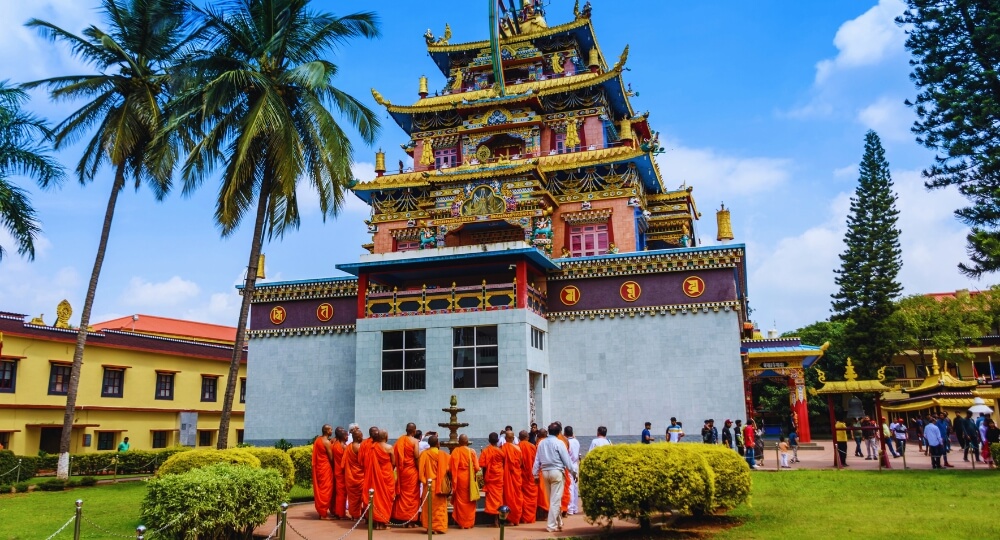
Coorg is also home to a Buddhist monastery, Namdroling, also called the Golden Temple. Located in Bylakuppe, the monastery is adorned with intricate Tibetan motifs and numerous prayer flags. The monastery was founded in 1963 as a centre for the Nyingma lineage of Buddhism.

If you’re interested in learning more about the many sacred groves or Deva-Kadu of Coorg, we suggest you choose customised Coorg tour packages that include a tour of these places and experience firsthand how the locals connect with the forces of nature around them. Most Deva-Kadus are dedicated to deities like Ayyappa, Bhadrakaali, and Maramma. If you are up for it, we suggest experiencing a Theray at a Deva-Kadu, where a ceremonial performer who takes the role of an Oracle blesses the locals.

Activities

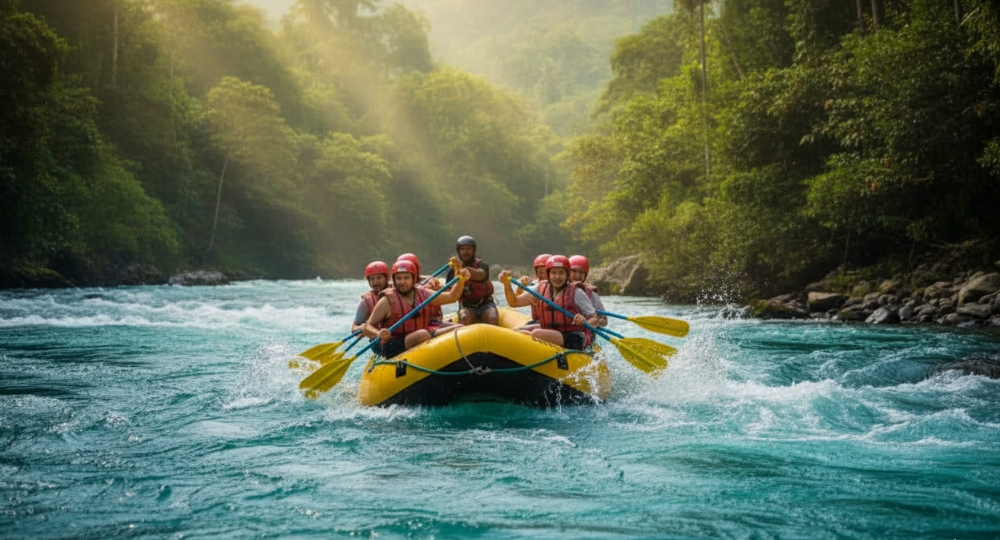
Given the hilly terrain, it is not surprising that Coorg offers plenty of adventure activities like trekking, white water rafting, zip lining, and quad biking. Families can experience nature from close quarters with a jeep safari at the Nagarhole National Park. The winding waters of Coorg and the crystal-clear waters are an excellent destination for fishing and angling. River rafting is a popular activity in the Barapole River, while the Chelavara Waterfalls are popular for rappelling.

If you are travelling with kids and not inclined for strenuous physical activities, consider boating at the Harangi Dam Lake.

Quad biking is popular during the monsoon thanks to the muddy slopes. If you’ve ever wanted to try microlight flying, sign up for one during your Coorg tour packages.

You can also sign up for a guided trek to explore the many viewpoints, thick rainforests, and grasslands, and climb the peak. Sign up for ziplining or tree-top adventures, where you will walk on wobbly bridges, swing on giant hammocks, and learn about the endemic species thriving in the forests.

Viewpoints

Coorg is full of scenic viewpoints offering a panoramic view of the mist-covered valleys and hills. For instance, the Mandalpatti Peak viewpoint is about 18 km from Coorg and is famous for its sunrise and sunset. In fact, the locals also call this place Mugulipeth or Market of Clouds. The best way to reach the Mandalpatti Peak is through a jeep safari, allowing you to enjoy an off-road experience.

Raja’s Seat is undoubtedly Coorg’s most popular viewpoint. It is called so because the erstwhile Kodagu rulers visited here often with their queens to enjoy the sunrise and sunset.

Tadiandamol Peak is the highest in Coorg, but can only be viewed through a trek to the summit. Falling in the Brahmagiri Wildlife Sanctuary, this peak offers a panoramic view of the entire Bhagamandala Range Forest and the rolling hills. The trek is equally enjoyable as you will traverse through thick Shola forests with stream crossings, interspersed with verdant grasslands.

Kopatty Hills is one of the highest peaks in the Talacavery Range and a popular trekking trail. The trek starts from Kopatty Bus Stop, traversing through paddy fields, muddy terrain, and thick forests. The view from the top is mesmerising with misty hills and scenic valleys.

Kabbe Hills, near the Chelvara Waterfalls, is a popular trekking destination offering a scenic view of verdant forests, including those in the Kerala border. The summit is often covered in mist and clouds.

Call us for a customised trekking tour to the above viewpoints when discussing your Coorg tour packages.

The Landscape

While Coorg is famous for its thick forests and rolling grasslands, not many know that it is also equally known for its vast stretches of paddy fields, called Bael by the locals. In fact, rice was once the main crop until a few decades ago, when the Kodavas shifted to plantation crops.

Across the Western Ghats, especially in regions of Karnataka and Kerala, you will find plenty of sacred groves or Devara Kaadu (Deva-Kadu) dedicated to forest deities and ancestors. Coorg is no different. In fact, for centuries, the Kodavas allotted forests near every village settlement to Botekara Aiyyappa or Ayappa the Hunter. No Kodava ever hunted or cut wood from these Deva-Kadu.

Another important feature of Coorg’s landscape is the Kaveri River, which springs at Talakaveri and traverses through Coorg’s jungles, making its way over 800 km until merging with the Bay of Bengal.

The thick forests are home to several varieties of orchids, which have even been used in traditional medicine and as perfumes.

Plantations of pepper, coffee, cardamom, oranges, and areca nuts are a significant fixture of Coorg’s landscape and often play hosts to tourists looking to stay amidst the unique yet heady aroma and serene ambience.

Top Attractions In Coorg

Coorg has many sobriquets to its name, ranging from the Scotland of India to Kashmir of Karnataka, and the Coffee Cup of India. Each of these nicknames is justified given Coorg’s scenic views and a thriving agro-plantation industry. Here are some of the top attractions you will experience during your Coorg tour packages.

Raja’s Seat

This scenic viewpoint gets its name from the many Kodava kings who visited the summit with their wives to gaze at the mesmerising sunrise and sunset. The viewpoint also houses a garden with beautiful flowering plants and artificial fountains. While evenings are often crowded, we suggest you visit the place at the crack of dawn to witness the beautiful sun cutting gently through the mist and illuminating the mountains.

Madikeri

Madikeri is the headquarters of Kodagu district and is often used interchangeably with Coorg. The town was earlier called Muddurajakeri, after a Haleri King Mudduraja. This beautiful hill town is home to several government offices and other popular tourist attractions like the Madikeri Fort and the Raja’s Seat viewpoint, which is less than a kilometre from Madikeri. The Omkareshwara Swamy Temple is another popular tourist attraction in the town.

Abbey Falls

The Abbey Falls (also called Abbi Falls) is a picturesque cascade that drops from over 70 feet over wide rocks, creating a spectacular view. While tourists are not allowed to bathe or swim in the waters, you can walk over a hanging bridge to view the Abbey Falls from an elevation. What makes the attraction even more picture-worthy are the coffee and cardamom plantations surrounding the falls. The best time to visit Abbey Falls is during peak monsoon, from July to October, when the rains cause the Kaveri to thunder, creating a powerful and dramatic view.

Virajpet

Virajpet is a charming town in Coorg and is known for its spice and coffee plantations. The town is named after Dodda Virarajendra, the erstwhile king of Kodagu. Unlike Madikeri and other crowded towns, Virajpet is relatively quiet yet equally charming. You can stay in one of the many homestays that are right in the middle of coffee plantations in Virajpet. Some of the attractions in and around Virajpet include Perambady Lake, Gonikoppal, Polibetta plantations, and the Kopatty Hill Top.

Somwarpet

Somwarpet is an offbeat destination in Kodagu District that looks absolutely stunning during the monsoon. It is close to the Mallali Falls, one of the highest waterfalls in Coorg. The Bisle Ghat, an hour’s drive from Somwarpet, offers a breathtaking view of the rainforests within the Bisle Reserve Forest. Some of the places close to Somwarpet include Honnamana Kere, Makkalagudi Betta, and Harangi Reservoir. And if you are in the mood for a long travel, head to the Kukke Subramanya Temple in the Dakshina Kannada District.

Bylakuppe

Home to several thousand Tibetan refugees, Bylakuppe is the world’s second-largest Tibetan settlement outside Tibet. It was set up between 1961 and 1969 and is home to the largest Buddhist monastery in Southern India. Besides visiting the Golden Temple, you can explore the town’s Tibetan shopping centres, and one of the largest Buddhist universities called the Serpom Monastic University. Some of the popular places in Bylakuppe include the Sakya Monastery, Sera Je Monastery, and the Tashi Lhunpo Monastery.

Dubare Elephant Camp

The Dubare Elephant Camp is maintained by the Karnataka Forest Department on the banks of the Kaveri River. Besides elephants, the camp is home to sambhars, tigers, wild dogs, and gaurs. But the highlight of the forest camp is the guided 3-hour interaction with the elephants. You can bathe the elephants in the Kaveri, scrubbing it, helping the caretakers groom the animals, feed them Ragi, jaggery, cococnut, bananas, etc., and learn about these tuskers, including their history, ecology, and biology. You can also stay in one of the many luxurious cottages within the camp. Among other things, you can enjoy a jeep safari and an elephant ride to explore the forest’s birds and animals. Call now to book accommodation at the Dubare Elephant Camp with your Coorg tour packages.

Nagarhole National Park

The Nagarhole Tiger Reserve is named after the snake-like streams that wind through the forests – Nagara in Kannada means snake, and Hole means river. The national park is located between the districts of Mysuru and Kodagu and is home to the Kabini and Taraka reservoirs. Nagarhole is home to several species of mammals and birds, including the Bengal tiger, sloth, antelope, elephant, deer, the jungle civet, different species of vultures, wood pigeon, blue-winged parakeet, and the Malabar grey hornbill. Some of the popular trees in the forests include thorny wattle, pala indigo, Indian kino tree, Kadamba, and crocodile bark tree. During your Coorg tour packages, you can experience jeep and bus safaris, guided birdwatching, and boat safaris.

Talakaveri

Talakaveri is famous as the origin of the Kaveri River, one of the holiest rivers for South Indians. It is around 44 km from Coorg and is renowned for the Talakaveri Temple, dedicated to Goddess Kavereamma. There’s also a shrine devoted to Sage Agasthya. On the Kaveri Changrandi or Kaveri Sankramana, thousands of people flock to the temple to witness the surge of water from the temple’s fountain, called Kundigge. The place is also perfect for nature lovers. You can admire the scenic views of the surrounding Brahmagiri Hills and soak up its serenity.

Iruppu Falls

The Iruppu Falls are located in the Brahmagiri Hills in the Kutta Village. The falls are are also connected to Hindu mythology and believed to have been created when Lakshama shot an arrow into the Hills when Lord Rama was thirsty and asked him for water. It is today called the Lakshamana Tirtha River and flows into the falls. While tourists can take a bath, there are specific designated areas where you can enjoy a refreshing dip, albeit without soap or shampoo. Besides enjoying the gushing waters, tourists can enjoy the scenic coffee plantations surrounding the falls, trek on the hanging bridge, and visit the Rameshwara Temple dedicated to Lord Shiva. Trekking to the Iruppu Falls is also a popular activity among nature enthusiasts.

Nisargadhama

The Nisargadhama Reserve is a forest park in the middle of the Kaveri River. This island (although categorised as a delta) is home to several flora and fauna, including elephants, peacocks, thick bamboo foliage, and even sandalwood trees. There are plenty of things to do in Nisargadhama. You can explore the forest, enjoy a boat ride, or sign up for activities like zip lining and elephant riding. But the main fun of visiting Nisargadhama is crossing the hanging bridge that connects the island.

Pushpagiri Wildlife Sanctuary

The Pushpagiri Wildlife Sanctuary is about 64 km from Kodagu, but it is a significant attraction in most Coorg tour packages. It is home to several endemic and endangered plant species, like rosewood and various medicinal plants. The Nilgiri Tahr and the Malabar giant squirrel, along with birds like the Nilgiri wood pigeon and reptiles like the olive keelback, are found in the sanctuary. Other attractions within the refuge include the Mandalpatti Peak, Kote Betta, and Makkalagudi Betta. It is also a popular trekking trail among nature enthusiasts.

Brahmagiri Wildlife Sanctuary

The Brahmagiri Wildlife Sanctuary in Coorg is a thick shola grassland with bamboo groves and coffee and cardamom plantations. It is also home to the dwarf evergreen trees, especially in the higher elevations. Some of the animals you can explore here include elephants, jungle cats, leopards, wild dogs, and several reptile species. You can enjoy trekking to the peak, try a wildlife safari, or indulge in some nature photography. The view from the peak is mesmerising, offering trekkers sweeping views of the surrounding Kumara Parvatha, Mullayangiri, and even the Doddabetta Peak on a clear day.

Honnamana Kere

Honnamana Kere is a secluded but beautiful natural lake in Coorg and is named after the local deity Honnamana. A temple dedicated to Goddess Honnamana is located near the lake. The area around the lake is beautiful and features lush greenery. You can enjoy a picnic, indulge in photography, and visit the temple in Honnamana Kere. Rock climbing and boating are also popular activities in the area.

Bhagandeshwara Temple

The Sri Bhagandeshwara Temple is located on the Triveni Sangama, where the Cauvery, the Kannike, and the mythical Sujyothi rivers meet. The temple features a mix of Kerala and local architectural styles with a gabled roof and spacious courtyard. Sage Bhaganda is believed to have meditated here to receive Lord Subramanya’s blessing, with the latter promising his penance as a stone image. Lord Shiva, also pleased with Bhaganda Maharishi’s penance, blessed him and promised to stay in the temple and bless the devotees.

Madikeri Fort

The Madikeri Fort dates to the 17th century and was first founded by Mudduraja, the Haleri king of Coorg. It was later renovated by Tipu Sultan in the 18th century and served as a strategic place for his campaigns. After his defeat, the fort came under the control of the British, who further renovated it and added the iconic clock tower. You must visit the fort to learn more about its history and explore its architectural marvels, including the many Hindu and Jain bronze images, and appreciate the panoramic views of Madikeri town from the elevated towers.

Chelvara Falls

The Chelvara Waterfall is formed naturally as a tributary of the Kaveri River and falls over 150 metres over a rock in the Chelvara village of Coorg. The fall is on the border of Kerala and only 16 km from Virajpet. Although bathing in the waters is not encouraged, tourists visit to admire the scenery surrounded by coffee plantations and lush green forests. But these cascades are seasonal and especially worth visiting in the post-monsoon season – from August to November. We suggest avoiding the place during the monsoon as the rocks can be slippery and the waters can be full of leeches.

Tadiandamol Peak

Tadiandamol is the highest peak in Coorg and the second-highest in Karnataka. This popular hiking trail is located at 1,748 metres above sea level and is famous for its grassy slopes and the Iguthappa Temple. Besides the temple, other attractions on the trail include the Nalaknad Palace, built in the 18th century. The trail is of moderate difficulty and must be done with proper trekking gear, including trekking shoes and poles.

Coffee Plantations

You cannot visit Kodagu without experiencing the many coffee plantations surrounding the district. Your Coorg tour packages will include coffee plantation walks, sessions with coffee specialists to understand the history of coffee in India, the different types of coffee, and tips on how to make the perfect brew. Most estates also have an in-house café where you can taste great coffee. The plantations are also home to several varieties of birds, which you can enjoy with the help of a local naturalist.

Mandalpatti Viewpoint

Mandalpatti, located about 25 km from Coorg, is one of the must-visit places on your Coorg tour packages itinerary. It offers a spectacular view of the surrounding hills and a panoramic view of the distant cities. While you can trek to the summit, we suggest a jeep safari as you will take an exhilarating ride, passing through coffee plantations, thick forest terrain, and hidden waterfalls. However, the monsoon isn’t a great time for trekking as the muddy slopes are accident-prone.

Namdroling Monastery

The Namdroling Monastery, also called the Golden Temple, is the largest monastery in Southern India and is dedicated to the Nyingmapa school of Buddhism. The main attractions of the temple include the statues of Lord Amitayus and Lord Padmasambhava.

Places Close To Coorg

Some of the places you can explore near Kodagu with our Coorg tour packages include:

Mysore

Famous For: Temples, Gardens, Pleasant Climate, Silk, Palaces

Top Attractions: Mysore Palace, Sri Chamarajendara Zoological Park, Brindavan Gardens, St Philomena’s Shrine, Sri Chamundeshwari Temple

Bangalore

Famous For: Gardens, Shopping, Pleasant Climate, Nightlife

Top Attractions: Lalbaugh, Cubbon Park, Bengaluru Palace, Commercial Street, MG Road

Belur

Famous For: Temples, UNESCO World Heritage Sites

Top Attractions: Chennakesava Temple, Yagachi Dam, Doddagaddavalli Lakshmi Temple, Sri Kappe Chennigarayana Temple

Kabini

Famous For: Forest Reserve, Backwaters

Top Attractions: Nagarhole National Park, Balle Elephant Camp, Kabini Dam, Kabini Backwater, Kabini Wildlife Sanctuary

Wayanad

Famous For: Scenic Viewpoints, Waterfalls, Dams, Temples

Top Attractions: Edakkal Caves, Lakkidi View Point, Thirunelli Vishnu Temple, Soochipara Waterfalls, Kanthanpara Waterfalls, Wayanad Wildlife Sanctuary, Sultan Bathery

Sakleshpur

Famous For: Coffee and Spice Plantations, Waterfalls, Temples, Forts

Top Attractions: Manjarabad Fort, Sri Sakleshwara Temple, Kukke Subramanya Temple, Bisle Ghat

Chikmagalur

Famous For: Coffee and Spice Plantations, Waterfalls, Wildlife Sanctuary

Top Attractions: Bhadra Wildlife Sanctuary, Hebbe Waterfalls, Shri Shankara Matha, Veeranarayana Swamy Devastana, Mullayangiri Peak, Baba Budan Giri, Kudremukh Hills

Bandipur

Famous For: National Parks, Tiger Reserve

Top Attractions: Bandipur National Park and Tiger Reserve, Himavad Gopalaswamy Betta

Udipi

Famous For: Temples, Beaches, Monastery, Culture

Top Attractions: Udipi Sri Krishna Matha, Mattu Beach, Anantheshwara Temple, Malpe Beach

Hassan

Famous For: Temples, Architectural Marvels

Top Attractions: Shravanabelagola Temple Complex, Hasanamba Temple, Shri Chandramouleswara Temple, Ancient Hoysaleshwara Temple, Sri Bucheshvara Temple, Sri Viroopaksheshwara Temple

Mangalore

Famous For: Temples, Beaches

Top Attractions: Mahatobhara Sri Mangaladevi Temple, Kadri Shree Manjunatha Temple, Sulthan Bathery, St Aloysius Cathedral, Tannirbhavi Beach, Panambur Beach, Ullal Beach, Sasihitlu Beach

Best Time To Choose Coorg Tour Packages

Coorg has a tropical monsoon climate with three distinct seasons: summer, monsoon, and winter. Monsoons are especially robust with heavy and consistent rainfall throughout the season. Elevated at a height from 914.4 m to 1715.11 m above sea level, Coorg has a pleasant climate all year round with an average temperature of 15°C. Here’s what you can experience when choosing Coorg tour packages during the different seasons. Read on to learn more about the best time to book Coorg tour packages.

Summer (March to May)

Temperatures range from 20°C to 30°C during the summer months, although the town is much cooler than neighbouring cities like Bangalore or Mysore. Temperatures soar, especially during the day, and peak in summer, going up to 35°C on some days. Evenings are, however, pleasant and calm with temperatures dropping to a low of 15°C to 20°C. But the summer season is a great time to enjoy the stimulating aroma of coffee blossoms that may have bloomed during the March shower and paint the entire landscape in shades of white. While summer isn’t the best time to choose Coorg tour packages, it’s still a good time to explore Coorg, especially in March and the first few weeks of April. March is also a great time to experience the spring bloom and indulge in birdwatching and trekking.

If you’re visiting Kodagu in summer, we suggest you don’t explore Southern Coorg or Virajpet in the afternoon, as it can be hot. Similarly, avoid places bordering Kerala and the Cauvery River bed areas as they can be hot. Areas around the Bramhagiri Reserve Forest are still pleasant.

Monsoon (June to September)

Coorg comes alive during the monsoon with lush green landscapes, overflowing waterfalls, and a misty atmosphere. The temperatures range from 11°C to 20°C, depending on the rain. While most travel experts advise against visiting Coorg during the rains, we believe it’s when the landscape is at its most magical, with greenery stretching as far as the eye can see. Some of Coorg’s waterfalls, like Abbey and Iruppu, are stunning during the monsoon. The rainy season is also a great time to explore Coorg’s hidden waterfalls that particularly come to life after heavy rainfall.

Despite the rain, you can make the most of your monsoon vacation by making Kodagu’s wet weather become part of your adventure.

If you’re visiting Coorg during September, don’t miss the Kailpodh Festival, an event celebrating the beginning of the harvest and the worship of weapons.

Our only advice would be to check the weather before leaving, as landslides can be common and a dampener. It’s also a great time to book affordable Coorg tour packages.

Winter (October to February)

This is one of the best times to choose Coorg tour packages thanks to the region’s magical climate. Temperatures range from 10°C to 20°C, making the weather perfect for huddling around the fireplace with blankets and sipping freshly brewed coffee. It is also the time when coffee is harvested – freshly picked and roasted coffee is undoubtedly a great souvenir and perfect to make your vacation memorable.

Winter is also the time to enjoy some of Coorg’s unique festivals. Puthari or Puttari is the harvest festival, meaning New Rice, and is celebrated between November and December.

Kaveri Changrandhi is another special festival celebrated in October, where the local Kodava people celebrate the birth of the sacred Kaveri River. The most significant part of this festival is the Theerthodbhava, or the time when the water gushes out from the fountainhead at the Talakaveri Temple Tank.

Dasara is an important festival in Madikeri, the main town and district headquarters of Coorg district.

Things To Do In Kodagu With Our Coorg Tour Packages

Visit An Ainmane

Ainmanes are clan homes where generations of Kodavas lived together. These Ainmanes earlier had thatched roofing, which was later replaced by terracotta tiled roofs. In the past, anywhere from 40 to 200 people lived in a single Ainmane. The clan followed a patrilineal lineage where male descendants stayed with their wives and children. We recommend signing up for Ainmane tours, which offer a unique opportunity to explore the history of the Kodavas, understand their traditional architecture, and appreciate the various fixtures, including traditional furniture, the Nellaki Bolcha (traditional lamp), and intricately carved wooden doors.

Visit A Sacred Grove (Deva-Kadu)

Sacred groves are a common feature of communities in the Western Ghats, especially in Karnataka, Kerala, and Maharashtra. These groves are dedicated to different deities, especially Aiyappa, commonly called Botekara Aiyappa or the Aiyappa the Hunter. You can enter a sacred grove through a gate that leads to a forest and a small open-air shrine. These groves offer a unique perspective on the life of the locals, including their traditions, dedication towards biodiversity conservation, and sustainability.

Sample A Properly Brewed Coffee

You can enjoy a freshly brewed coffee during a plantation tour or a visit to the many cafes in Coorg. Tourists can also shop for coffee-based products like coffee scrubs, coffee blossom essential oil, and coffee powder.

Enjoy Adventure Activities

The thick forests, stunning peaks, and jagged terrain offer plenty of opportunities for adventure enthusiasts. You can sign up for one of the many adventure activities offered during our Coorg tour packages. This includes trekking, hiking, zipling, boating, angling, rappelling, river rafting, rock climbing, and mountain biking.

Sample Local Cuisine

The Kodavas are famous for their unique cuisine that is influenced by the locally available ingredients and spices. The Coorg Pandi curry or pork curry made using Kachampuli, a locally brewed vinegar from Garcinia Cambogia, is an iconic Coorg dish. Some of the locally available meat and fish include river crabs, fish, chicken, and pork. Thankfully, there are plenty of restaurants and homestays specialising in Kodava cuisine.

Cultural Tour Of Coorg

The Kodavas are among the many local inhabitants who have called the Western Ghats their home for hundreds of years. These tribes are, traditionally, a martial community with their unique customs and traditions. As part of your customised Coorg tour packages, you can explore their customs, enjoy folk dance performances like the Bolkaat.

Shopping

Some of the famous souvenirs you can buy from Coorg include the ubiquitous coffee. Besides coffee, you can shop for Coorg honey and oranges, and spices like pepper and cardamom. Coffee-based products, such as coffee blossom essential oils and coffee scrubs, are also popular. If you are looking for unique local handicrafts, consider wooden carvings, bamboo crafts, and traditional Kodava jewellery.

If you fall in love with Kodava cuisine, consider buying local ingredients like Kachampuzhi and Kartha masala. Chocolates are also a good souvenir.
For silk saree fans, we recommend purchasing Coorg silk directly from the Coorg Silk Society. The Kushal Nagar Market is the best place to buy local wines and Tibetan handicrafts, including beads, dinner gongs, home décor items, and imprinted tables.

Dos and Don’ts of Visiting Coorg

  • The Western Ghats are an ecologically sensitive region – do not carry plastic bags, boxes, etc.
  • Even if you do carry them, make sure you carry them back to your place, or dispose them properly
  • Do not bathe using soap or shampoo in the waterfalls, as the chemicals from these products harm water bodies.
  • Shop from local shops and cooperative stores
  • Do not throw garbage irresponsibly – disposing of it is a huge problem in hill stations.
  • Do not pluck endangered flowers or plants – they are part of the region’s sensitive ecology.
  • The Kodavas are very proud of their culture – be respectful when visiting religious sites like the Iguthappa Temple or the Devarakaadu.

Food

Being a major hill station, Coorg is home to restaurants specialising in multiple cuisines. You can enjoy South Indian cuisine, especially Karnataka specialities like Mangalore fish curry and Benne Dose. But you cannot visit Kodagu and not sample authentic Coorg cuisine. The local food here is influenced by the ingredients available in this forest terrain. Wild fowl, rabbits, river fish, crabs, pork, etc., are the commonly available protein sources. Pandi curry or pork curry is Coorg’s iconic dish. Rice is a staple and the main carbohydrate source in the Kodava diet. Besides boiled rice and rice gruel, you can enjoy Akki Roti, Nool Puttu (rice dumplings), Paputtu, Thaliya Puttu, and Kadambattu (rice dumplings) with gravy that’s usually made using Naati Kozhi or country chicken and Pandi curry.

Another ingredient unique to Coorg cuisine is the Kachampuzhi, or Coorg vinegar, a souring agent made from Garcinia Cambogia.

Bamboo shoots or Baimbale are a popular ingredient foraged from the forests along with Kombu (wild mushrooms), Kaadu Maange (wild mangoes), and Kaembu (Colocasia).

Besides the local Coorg cuisine, you can also sample Tibetan food like Momo, Thupka, and Gimbap in Bylakuppe

Some of the popular dishes you must try with our Coorg tour packages include:

  • Thambattu – A dessert made using ripe bananas, rice flour, and jaggery.
  • Pandi Curry – Pork curry made using Kachampuzhi
  • Akki Roti – Flat bread made using rice flour
  • Kakkada Nyend Curry – A flavourful curry made using river crabs
  • Nellikai Pickle – Pickle made using gooseberries and a mix of spices

Art & Culture

The Kodavas are traditionally good at tailoring, with men specialising in sewing tunics (Kuppya), while women excel in embroidery work, called Kuri Polla. The embroidery was intricate and sophisticated. While normal embroidery is good on one side, the Kodava embroidery looks perfect on both sides. Unfortunately, this is now a lost art, with a few samples found only in museums.

The Kodavas also worked with cane, weaving baskets, mats, cradles, and sieves.

Some of the instruments used by the Kodava people are unique. For instance, the Vaalaga is a drum that’s played in weddings and other ceremonies. It is played with other local instruments like Mori, Thuthi, Pare, and the Dudi.

The Kodava Valaga dance is a popular dance performed by women and dedicated to Goddess Kaveramma. Some of the other dance forms include Bolak Aat, where men perform in an open field using yak fur on one hand and the Kodava sword on the other. Dances performed using swords are also popular since the sword is an integral part of the Kodava culture. It is called Kathi Aat and performed using different swords called Peechekathi and Odikathi.

View All Coorg Tour Packages

Travel Tips

visa_information_icon

Visa Information

Check visa requirements before traveling, ensuring a smooth entry and compliance with destination regulations.

health and safety tips icon

Health and Safety Tips

Prioritize health, stay hydrated, follow safety guidelines, and maintain personal hygiene for a secure journey.

currency and tipping icon

Currency and Tipping

Familiarize with local currency, consider customary tipping practices for respectful and seamless travel experiences.

Share Your Ideal Tour: Let Us Customize!

FAQs:

How much does a Coorg tour package cost?
Your Coorg tour packages depend on the type of accommodation you choose, the number of days, and the season.
How many days do I need to explore Coorg?
We recommend selecting Coorg tour packages that span 5-7 days, allowing you to explore not only Kodagu but also the nearby regions of Somwarpet, Nagarhole, and Virajpet.
What is the main attraction of Coorg?
Abbey Falls, coffee plantations, Raja’s Seat, Mandalpatti Peak, Golden Temple, Talakaveri, Iruppu Falls, and Dubare Elephant Camp.
What is the best way to travel within Coorg?
The best way to explore Coorg's various places is by booking a jeep.
Which city is closest to Coorg?
Mysore is the closest city to Coorg.
Which is the best time to choose Coorg tour packages?
We suggest booking Coorg tour packages in winter and early summer.
Do you offer customised tours to Coorg?
Yes, we offer customised Coorg tour packages depending on your budget and travel choices.
What is the main attraction in Coorg?
Waterfalls and coffee plantations are some of the main attractions in Coorg.
Is Coorg expensive?
Coorg is affordable, but it depends on the package you choose.
What to buy from Coorg as souvenirs?
Coffee, honey, spices, handicrafts, Tibetan handcrafted items, Coorg silk sarees are some of the souvenirs you can buy from Coorg.

Book Your Dream Vacay Today!

=

×

Enquire Now

=