4

Tour Packages

Munnar Tour Packages

Kashmir of South India

SUPER DEAL PRICE

STARTS FROM

per person on twin sharing

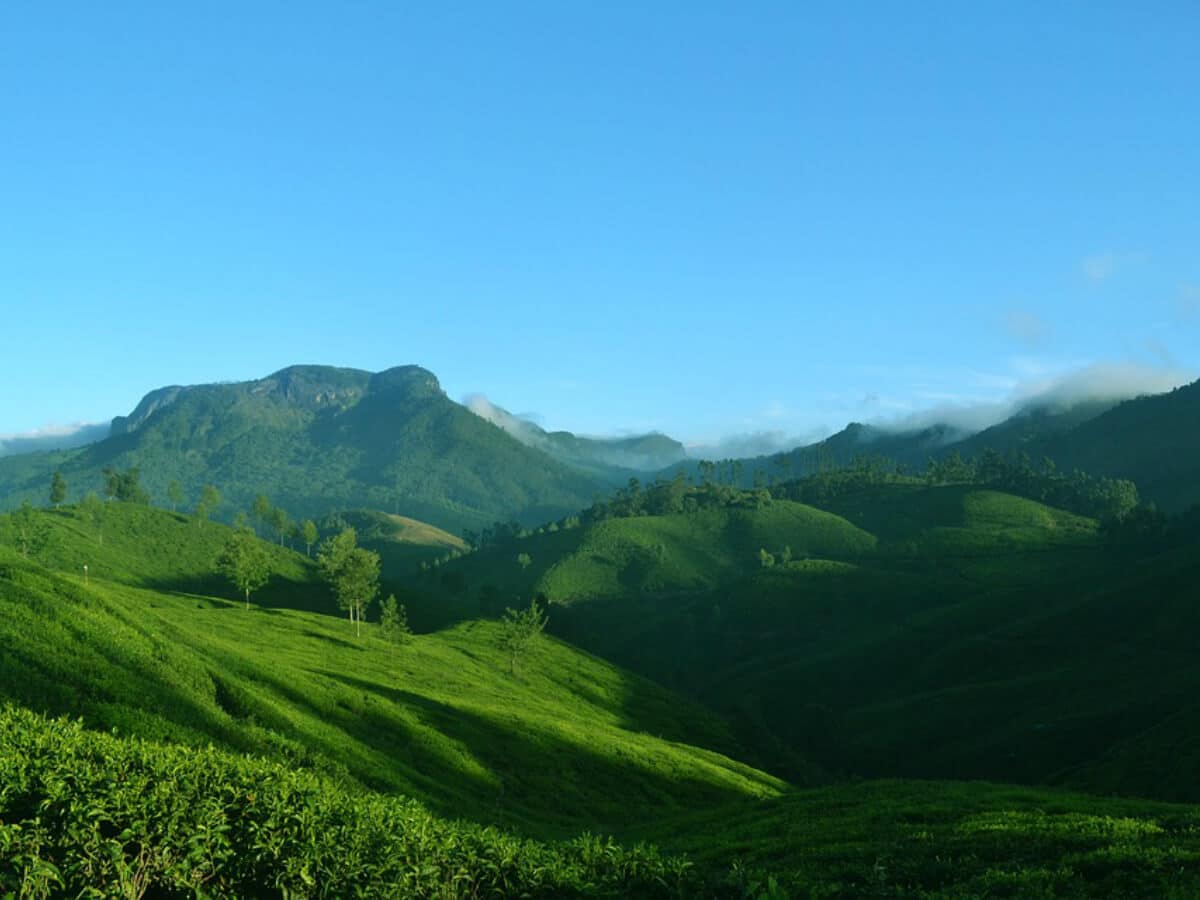
Panoramic view of Munnar: Lockhart Gap Viewpoint
South India’s No.1 Travel Brand
Anamudi
South India’s Highest Peak
Neelakurinji Flower
Miracle Flower of Munnar
September - March
Best Time to Visit Munnar
Malayalam, Tamil, English
Languages Speaking
Essential Tips for Travelling to Munnar
ATMs

ATMs are available in Munnar town.

Credit Cards

Credit cards are accepted at major places.

Bank

Banks are easily accessible in Munnar town.

Drinking

The legal drinking age in Munnar is 23.

Safest

Munnar residents are friendly and welcoming.

Munnar - Overview

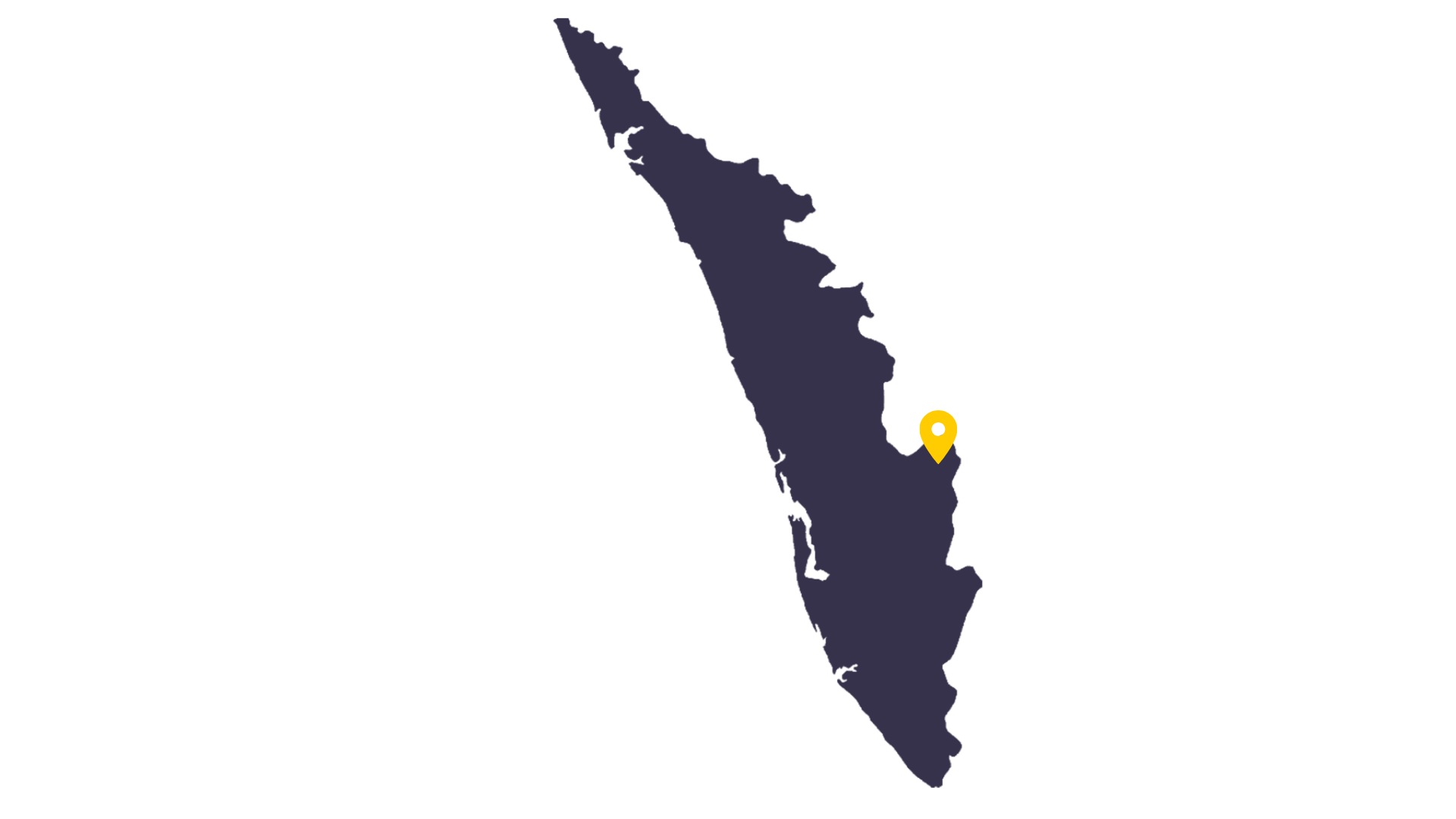
munnar hill station map

By Purpose

tour package tourism

Couples

For Newlywed Vacations

tour packages business

Family

For Family Vacations

Top Attractions and Nearby Sights

Lockhart Gap View

Munnar Boat Jetty

Munnar Rose Garden

Mattupetty Dam

Kundala Lake

Anayirankal Dam

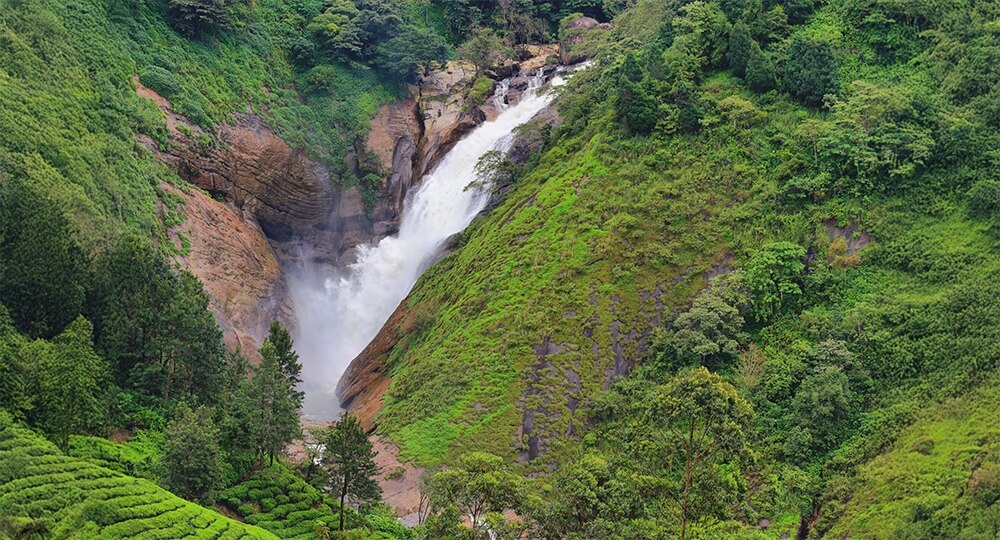
Attukad Waterfalls

Meesapulimala Peak

Tea Museum

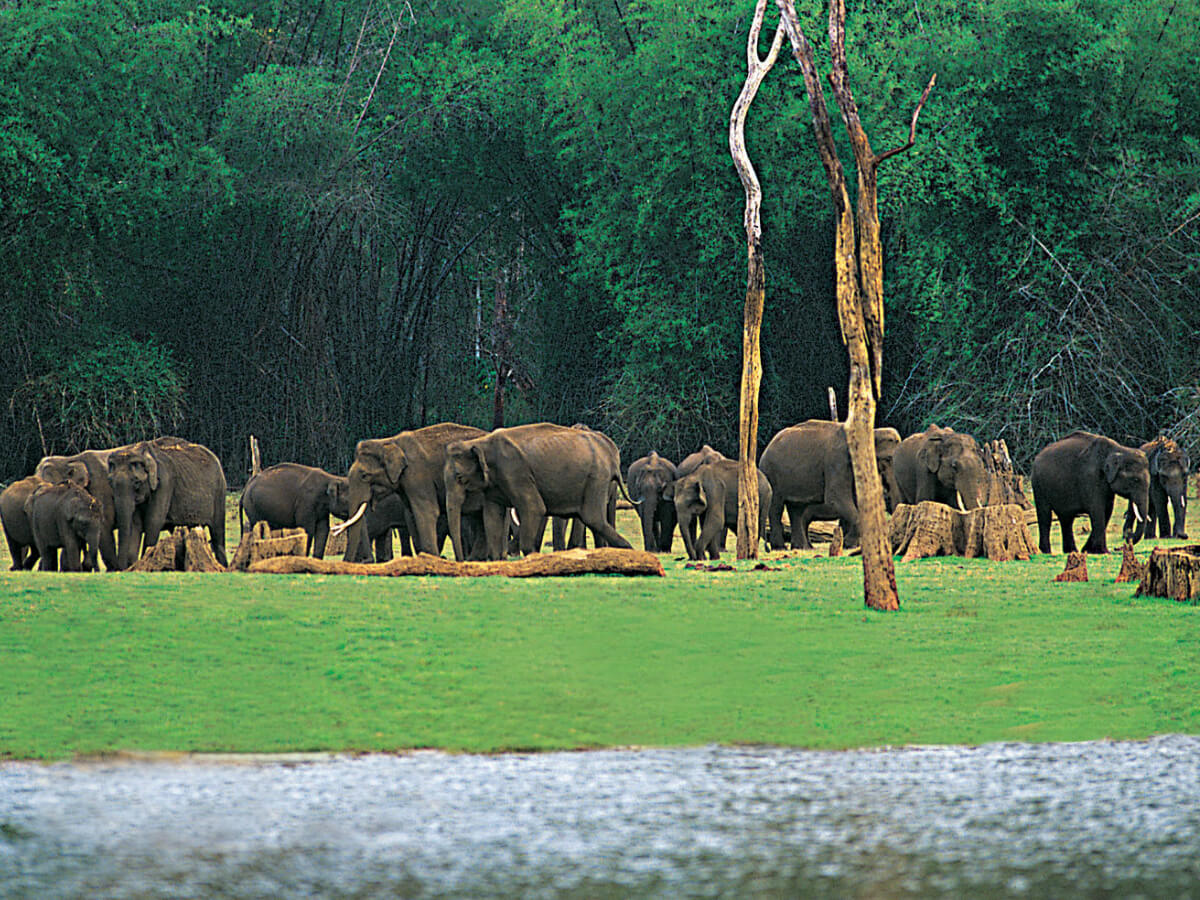
Chinnar Wildlife Sanctuary

Kolukkumalai Tea Estate

Eravikulam National Park

Everything You Need to Know About Munnar

You cannot visit Kerala without experiencing the serene beauty of Munnar. Although this tranquil hill town became a popular mountain retreat after the 1990s, it has always carried a rich legacy of tea production since the late 19th century, when the British realised the terrain’s potential for growing tea. Ever since, Munnar has been a tea haven, with over 50 tea estates, mostly owned by the Tata Group. Read on to learn more about Munnar and its beauty.
Call us or send a message on Instagram to customise your Munnar tour package.

Table of Content:

About Munnar

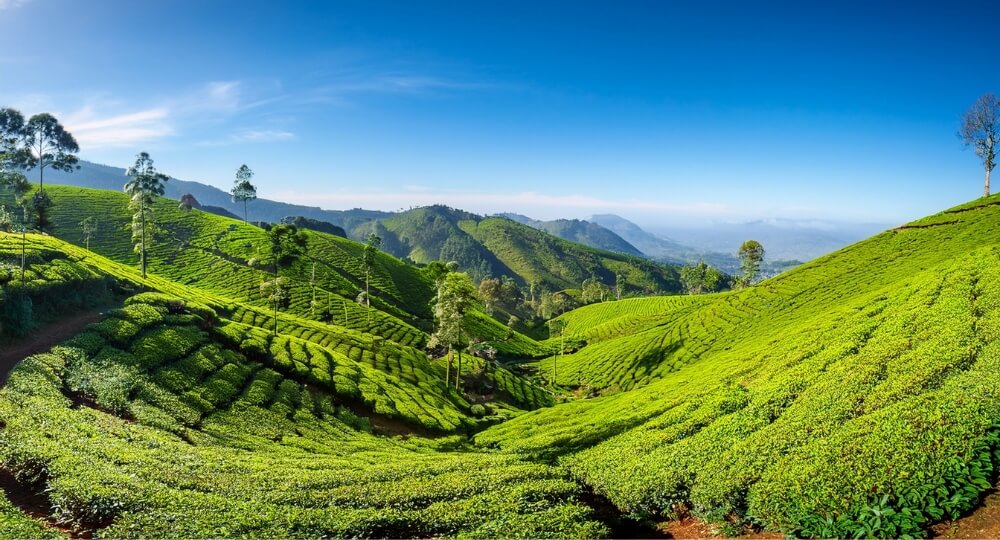
Located in the Idukki District of Kerala and nestled amidst the scenic Western Ghats, Munnar is every nature lover’s paradise. You will find beautiful shades of green everywhere thanks to the 50+ tea plantations that dot Munnar’s landscape.

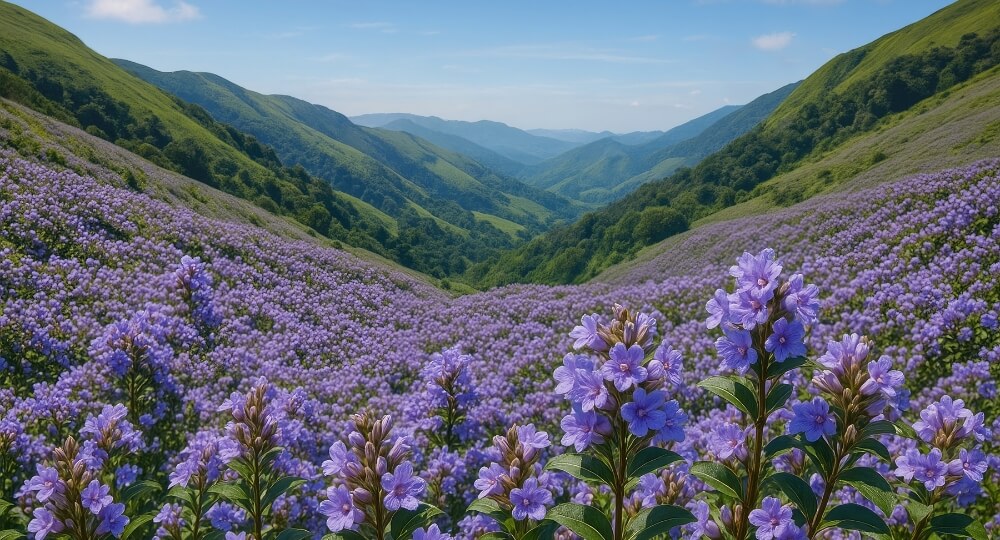
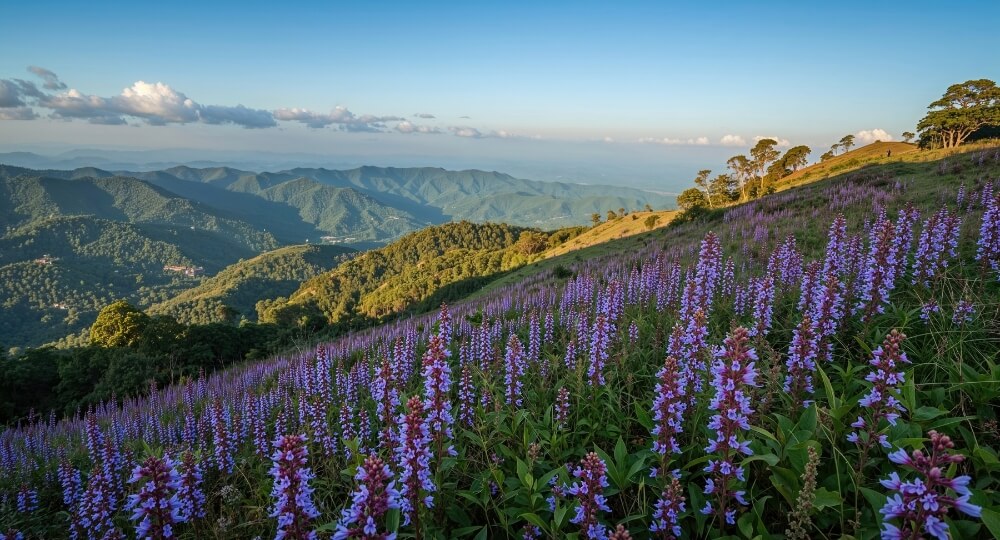
Munnar has much to offer beyond the usual tourist attractions, including expansive tea plantations and mist-shrouded mountain peaks. It is home to a diverse wildlife, including the endangered Nilgiri Tahr. The Neelakurinji, which flowers every 12 years, is another popular attraction in Munnar. If you are planning your next vacation in Munnar, we suggest you book one during the Kurunji season, as it is magical to watch entire valleys carpeted with a bluish hue.

The locals are equally friendly and welcoming. Read on if you’d like to explore the beautiful valleys of this region. And if you are looking for Munnar tour packages, call us at +91 9940882200.

History

Munnar was, for centuries, an unexplored landscape inhabited by the local Muthavan tribals. It was the ancestral land of the Poonjar royal family, who claimed absolute powers over it, when a British resident of the Travancore Kingdom came to Munnar to settle a long-standing dispute between the Poonjar royal family and the Travancore kings. Munro saw the immense potential of these rolling hills and convinced the Poonjar Raja to lease over 1,36,000 acres of land where he cultivated coffee, cardamom, and sisal. These crops were later abandoned in favour of tea, which was introduced earlier by A. H. Sharp, a European planter.

The Great Flood of 99 (corresponding with the Malayalam Calendar year of 1099 ME) in 1924 nearly destroyed vast expanses of tea plantations and destroyed the only railway connectivity.

Today, most of the estates are owned by the Kannan Devan Hills Produce Company, a company owned by its employees. It is also the world’s largest employee-owned tea company.

Call us at +91 9940882200 to include a tea plantation tour in your Munnar tour packages itinerary.

Geography

Munnar is situated in the southern region of the Western Ghats, an area renowned for its rich Shola grasslands, montane forests, and thick evergreen trees. The hill town is situated 5200 ft above sea level and is home to the Anamudi Peak, South India’s tallest peak. Munnar gets its name from the three rivers: Muthirapuzha, Nallathanni, and Kundaly. The city is situated on the confluence of the three rivers – Munnu, meaning “three,” and Aaru, meaning “river,” in Malayalam.

Munnar experiences a cool tropical highland climate and distinct seasons. Monsoons are characterised by heavy rainfall, but manage to paint the entire landscape green. It is part of the Idukki district, which is the largest in Kerala and known for its spice and tea gardens.

Economy

Needless to say, spices, tea, and tourism are significant sources of income in Munnar. Tea is the primary driving force of the town’s economy, with nearly 80% of its population (especially women) employed directly or indirectly by the tea industry. Over the years, the hospitality industry has been thriving, followed by the food processing and wood industries.

Call us to learn more about our Munnar tour packages.

Tidbits

  • Munnar refers to the confluence of 3 rivers: Muthirapuzha, Nallathanni, and Kundali.
  • The Neelakurinji Flower in Munnar blooms every 12 years and is a major tourist attraction.
  • Tea was first introduced to Munnar in 1870 by A.H. Sharp.
  • Anamudi Peak is South India’s highest peak
  • A great flood in 1924, called the Great Flood of 99 in Malayalam (derived from 1099ME in the Malayalam Calendar), destroyed the region’s only train connectivity, leaving it beyond repair.
  • The Kolukkumalai Tea Estate is the world’s highest altitude tea plantation.

Things To Know Before Choosing Munnar Tour Packages

  • If you are travelling independently, we suggest you book a taxi service carefully. Most private taxi owners get a commission on recommending hotels, restaurants, and spas – these recommendations serve them more than you.
  • Don’t go for the first shop, spa, or restaurant that your taxi driver recommends. They can be expensive, as the driver gets a commission from every customer they bring.
  • Take Google reviews of hotels and other places with a grain of salt. Most reviews are planted and unreliable. Read every review carefully, especially those with three stars or fewer.
  • There are plenty of places worth visiting in Munnar. But they’re usually less touristy and not included in standard 2-3 days Munnar tour packages. If you are looking for something unique to explore, we suggest going for customised Munnar tour packages.
  • Carry allergy medications and antihistamines if you are allergic to pollen or have other allergies during the spring (or Kurinji) season.

Munnar At A Glance

  • High Season – September to March
  • Languages Spoken – Malayalam, Tamil, English
  • Famous Tourist Attractions – Mattupetty Dam, Eravikulam National Park, Attukal Waterfalls, Echo Point, Tea Plantations, Kolukkumalai Tea Estate
  • Things to Do – Boating, Tea Plantation Tour, Spice Garden Tour, Jeep Safari, Night Camping
  • Famous Food – Kerala specialities like Appam and Stew, Puttu Kadala Curry, and Malabar Biryani
  • Souvenirs to Buy – Tea, Spices, Pepper, Essential Oils, Coir Products, Wooden Handicrafts

Top Reasons To Choose Munnar Tour Packages

With its scenic mountains and unique flora and fauna, Munnar is a favourite holiday destination for Indians and international travellers. Here are a few reasons to choose our Munnar tour packages.

Tea Plantations

Your morning cup of chai probably comes from the estates of Munnar, whose association with tea started in the 19th century when different British officers who visited the region for several official reasons and were mesmerised by its beauty. This quaint hill town gained gradual popularity by word of mouth. This group included John Munro, who was enthusiastic about the region’s geography being conducive to growing cash crops such as coffee, tea, and spices. Eventually, he gave up on most commercial crops in favour of tea, which was well suited to Munnar’s climate and soil conditions. But before him, A.H. Sharp, a European planter, had established an estate in Parvati.

Over the years, several tea estates were established by European planters who passed on ownership to Indians after independence. Today, some of the world’s best tea plantations are based in Munnar. This includes the Kolukkumalai Tea Estate, which is the world’s highest.

The Kannan Devan Hills Produce Company is Munnar’s largest tea estate, managing over 70% of the region’s tea estates.

Today, as part of your Munnar tour packages, you can stay in a tea estate within the plantation, experiencing the tranquillity of the region and enjoying the colonial and vintage vibes of the properties. Some of the popular bungalows that offer this experience include the Sevenmallay Bungalow, Parvathy Bungalow, and the Sholamallay Bungalow nestled amidst the Nullatanni Estate.

Neelakurinji Bloom

The Neelakurinji flower is endemic to the Shola forests of the Western Ghats, viz., in Kerala, Tamil Nadu, and Karnataka. In Kerala, the Eravikulam National Park, Munnar, is a prime location for these flowers. Neelakurinji means blue flowers – these monocarpic plant species flower once in their lifetime, set seeds, and die. In fact, the Nilgiri Mountains derive their name from the Neelakurinji, which translates to “Blue Mountains.”

It takes around 12 years for the Neelakurinji flower to mature and flower. Another characteristic of these flowers is that they bloom gregariously, covering vast swathes of land and turning the entire hills of Munnar into shades of blue, thereby creating a magical landscape.

But not all Kurinjis are blue – there are over 250 species of Kurinjis, with the colour of flowers ranging from deep blue to a deep purple.

The time it takes for different species of Kurinjis to mature varies, resulting in different flowering seasons in different regions. The next kurinji blooming season in Munnar is likely to be in 2030. To learn more about the Kurinji blooming seasons in the different areas of the Western Ghats, call us at +91 9940882200, or send a message on Instagram.

Also note that while the major bloom occurs every 12 years, there are isolated or sporadic instances of Kurinji blooming. You can book Munnar tour packages during this time, if 2030 seems like a long wait.

Year-Round Pleasant Climate

The best thing about Munnar is its pleasant climate, which you can experience all year long. Even during the peak of summer, when temperatures could rise up to 35°C, the climate is pleasant in the mornings and evenings. Whether you are drawn to the vibrant spring/summer landscape of the mountains, the verdant greenery during the monsoon, or the chilly climate during winter, Munnar promises a perfect vacation that’s completely aligned to your expectations.

Wildlife

There are over five national parks in Munnar and a few more in neighbouring districts. The Eravikulam National Park is home to Anamudi Peak, the highest in South India. The park also hosts the spectacular Neelakurinji bloom that occurs every 12 years.

Munnar’s diverse habitats like the tropical evergreen forests, semi-evergreen landscapes, and shola forests. Some of Western Ghats’ unique animals and birds, like the Nilgiri Tahr, Gaurs, tigers, leopards, Bonnet Macaques, porcupines, Nilgiri flycatchers, and the Malabar Whistling Thrush, are found in Munnar.

Other national parks in Munnar include the Chinnar Wildlife Sanctuary, Anamudi Shola National Park, Pampudam Shola National Park, Mathikettan Shola National Park, and Kurinjimala Sanctuary.

The Chinnar Wildlife Sanctuary has a deciduous forest that is home to the grizzled giant squirrel, white-bellied flycatcher, crested serpent eagle, and the mugger crocodile.

The Pambadum Shola National Park is home to evergreen forests, moist deciduous forests, Shola grasslands, and semi-evergreen trees. These forests are home to hundreds of endemic animals like tigers, leopards, flying squirrels, pangolins, and spotted deer.

Waterfalls, Dams and Reservoirs

You cannot discuss Munnar’s stunning beauty without mentioning the exquisite waterfalls that cascade over the Western Ghats’ mountains. While some are very popular, others, such as the Lakkam Waterfalls, are less touristy and therefore relatively less crowded. The Attukad Waterfalls, Munnar’s most famous tourist attraction, is also an excellent trekking and picnic spot. The Nyayamakad Waterfalls are about 10 km from Munnar and fall from over 1600 metres. As you move farther from Munnar, the Kuthumkal Waterfalls fall with so much ferocity that the surrounding area is filled with a thick layer of mist.

As for other water sources, Munnar’s hydel projects have helped create several reservoirs and dams that attract tourists and support irrigation in neighbouring districts. Some of the popular dams include Mattupetty Dam, Kundala Lake reservoir, and the Anayirangal Dam.

The Mattupetty Dam is a popular attraction that’s not only popular for motorboating but also for bird watching. The Anayirangal Dam gets its name from the fact that elephants descend into the lake to drink water.

The Kundala Dam is India’s first arch dam and a popular spot to experience cherry blossoms and the Neelakurinji blooms.

Best Time To Choose Munnar Tour Packages

Munnar experiences a subtropical highland climate with three distinct seasons, viz., summer, monsoon, and winter. The annual average temperature in Munnar is approximately 18.5 °C. Monsoons are especially muggy and overcast, with Munnar experiencing constant rain, making the roads muddy and slippery. The hill town’s climate has changed over the years, with a general increase in temperature during summer and freezing spells around February. Here are some of the things you ought to know about the best time to book Munnar tour packages.

Summer (March to May)

When compared to the rest of India (and even Kerala), summer in Munnar is relatively pleasant, with temperatures ranging from 20°C to 25°C. Sometimes, the temperature may rise to 30°C. Mornings and evenings are relatively calm, with temperatures rising in the afternoons. This is the ideal time for trekking, bird-watching, paragliding, rock climbing, and other outdoor activities.

This is the ideal time for tourists seeking to escape the peak summer heat in other parts of the country. However, summer peaks around May, with temperatures even going as high as 32°C. The climate is humid but still pleasant. By the end of May, the weather fluctuates from warm to cold.

Monsoon (June to September)

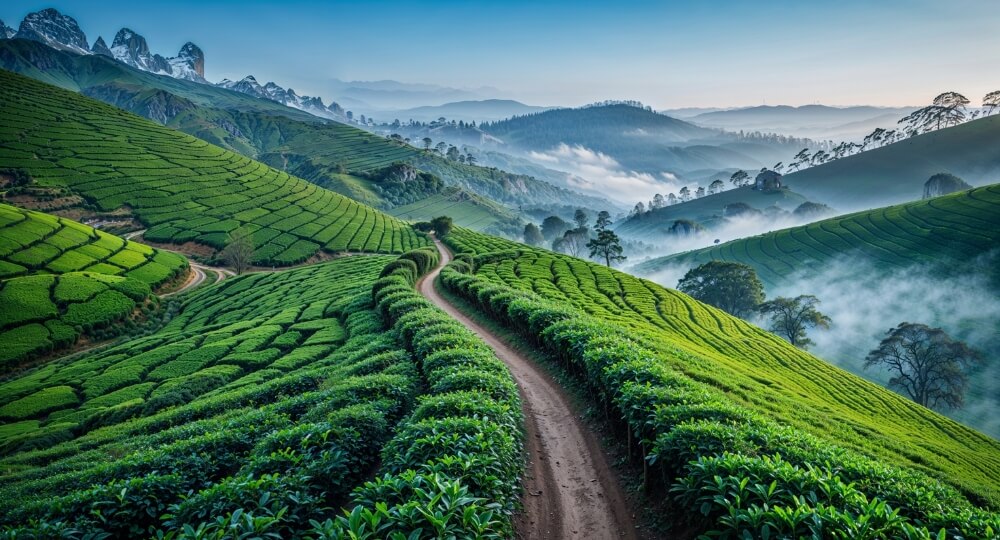
Munnar receives moderate to heavy rainfall, with an average temperature ranging between 20°C and 25°C, from June to September. While the climate is humid and daytime temperatures reach up to 27°C, nights are pleasantly cool. Rains bring a fresh burst of greenery to the landscape, making the land picture-perfect. The powerful water flow creates spectacular waterfalls during this season, along with the small streams and rivulets cascading from the mountains. You can also enjoy the view of the tea plantations and the mist-filled mountains.

But monsoon isn’t the perfect time to explore Munnar, as the hill town experiences heavy rainfall and landslides and most viewpoints are covered in fog. Trekking is also risky because of the slippery and muddy routes.

However, it is an excellent time for discounted monsoon Munnar tour packages. If you are planning an impromptu weekend holiday, and you’d like to know if the weather is favourable for a vacation, call +91 9940882200 or send a message on Instagram.

Winter (October to February)

Winter is the peak season in Munnar, thanks to its pleasant climate and vibrant green post-monsoon landscape. The temperature ranges between 10°C and 20°C during this season, with pleasant days and chill nights. It’s also a great time to explore the outdoors and enjoy adventure activities like trekking, hiking, and ziplining in the hill town. Thanks to changing environmental conditions, February has become exceptionally cold over the years, with temperatures dropping to as low as -1 and -2°C. The cool breeze and mist-filled mountains make for a perfect romantic escapade.

This is also a great time to enjoy the beautiful Neelakurinji flowers, which bloom in Munnar once every 12 years. While Onam is a major festival in Munnar as well, if you’d like to experience the full scope of Onam celebrations, we suggest booking Kerala tour packages during this time.

Top Attractions In Munnar

Eravikulam National Park

The Eravikulam National Park was formed in 1978 to protect the critically endangered Nilgiri Tahr. It is Kerala’s first national park and was once infamous as the hunting preserve of the British plantation owners. Situated in the Kannan Devan Hills, it is now popular for the many waterfalls within the park, including the Lakkom Waterfalls. It is also home to the Neelakurinji bloom that occurs every 12 years. Some of the animals found in the Eravikulam National Park include elephants, Nilgiri langurs, jackals, and rare varieties of birds and butterflies. Call now to learn more about Munnar tour packages.

Top Station

Top Station is a scenic viewpoint and the highest point in Munnar. It was once the highest railway station in the valley, used to transport tea to Kurangani in Tamil Nadu, until a great flood in 1924 destroyed it. Located in the Kannan Devan Hills, Top Station is 32 km from the main city of Munnar. On a clear day, you can have a clear view of the surrounding Western Ghats, including the neighbouring Theni District in Tamil Nadu. Top Station also offers a fantastic view of the Neelakurinji flowers that bloom once every twelve years. Call us at +91 9940882200 to book Munnar tour packages at affordable prices.

Munnar Tea Museum

Also called the Tata Tea Museum, the Munnar Tea Museum beautifully showcases the rich history and the evolution of tea in Munnar. The museum features a variety of exhibits and collections that help tourists understand Munnar’s comprehensive tea history. You will learn about the different machines and equipment, like tea rollers, dryers, and grinders, go through their collection of photographs and memorabilia, and even sample some of the different varieties of teas.

The museum also offers guided tours to the nearby tea plantations and heritage bungalows where the British planters once resided. You can also sign up for tea-related seminars and workshops on sustainable tea cultivation and organic farming.

Anamudi

Anamudi is the highest peak in South India and part of the Eravikulam National Park. While you cannot trek to the Anamudi Peak as it is a protected area within the Eravikulam National Park, you can trek to a viewpoint that’s around 2km from the base. The Anamudi Peak is at the junction of three major hills, viz., the Cardamom Hills, the Anaimalai Hills, and the Palani Hills. The word Anamudi means elephant forehead, referring to the peak’s distinct shape.

Attukad Waterfalls

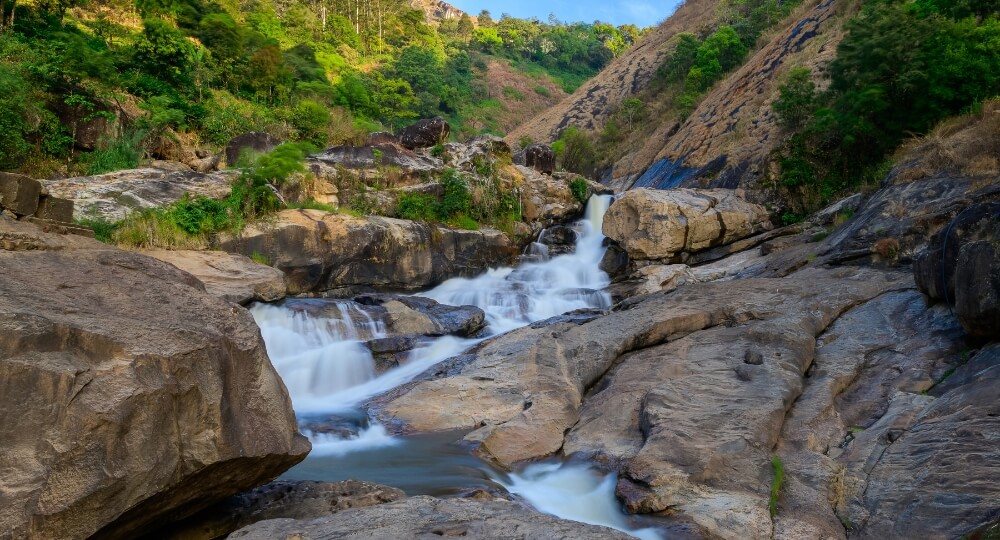
The Attukad Falls is part of a popular trekking route between Munnar and Pallivasal and is surrounded by thick greenery on both sides. The cascades are best enjoyed during the monsoons and winters when rains leave the hills covered in lush greenery. While you cannot bathe in the waters, the falls are best viewed by trekking to the base and enjoying the scenery up close. The surrounding area is also a great picnic destination where you can relax or take photos.

Tea Plantations

Several private tea plantations offer guided tours around their estate, allowing you to learn first-hand how tea is produced, from start to finish. For instance, the Nullatanni Estate is a private plantation that’s part of the larger Kannan Devan Hills Plantation Company, and is home to the Tata Tea Museum that showcases Munnar’s tea history and heritage. You can also visit the Sevenmally Tea Estate for a guided tour and factory visit. Call us at +91 9940882200 to arrange a tea plantation guided tour during your Munnar tour package.

Spice Gardens

Besides tea, spices are another popular tourist attraction included in most Munnar tour packages. You can wander into a spice garden filled with the aroma of cardamom, pepper, vanilla, and cloves, enjoy an elephant safari, and learn about the garden’s spice farming methods. Most spice gardens hold interactive tours to help tourists appreciate the efforts people put into growing spices. You can also learn the attributes of each spice and how best to use them. Some of the popular spice plantations in Munnar include the Carmelagiri Elephant Park and Spice Garden, Spice Tree, Greenland Spices and Ayurvedic Garden, and Cinnamon Garden.

Lockhart (Lock Heart) Gap View Point

The Lock Heart Gap Road offers stunning views of the Western Ghats and its tea plantations. To the uninitiated, Lock Heart Gap is a gap between two mountains and resembles the shape of a heart. You can catch a glimpse of this gap and the surrounding hills from the Lock Heart Gap View Point. Tourists often stop at this viewpoint to take photographs. There are plenty of activities you can enjoy at the Lock Heart Gap, like hiking along the paths, cycling, and even rock climbing.

The Lock Heart Gap Viewpoint is also the best place to enjoy the sunset, where you can spend hours enjoying the beautiful glow. While the viewpoint is open all year round, the best time to experience its beauty is during winter when the visibility is clear and the view is splendid.

Call now to book Munnar tour packages at GT Holidays.

Kolukkumalai Tea Estate

At 8000 ft, the Kolukkumalai Tea Estate is the world’s highest tea plantation and the perfect place to catch picture-perfect sunrises and sunsets. You can trek to the estate or join a jeep safari to reach the summit. The estate also offers tent camping opportunities to tourists looking to stay overnight. However, if you prefer something more comfortable, stay at their glamp and resort. The pleasant weather and peaceful surroundings are perfect for yoga retreats, offered at the estate. Other activities include campfire, factory visit, trekking/hiking, and a tea tasting session.

Mattupetty Dam

The Mattupetty Dam was built to store water generated by the Pallivasal Hydro-Electric project. The dam is a crucial reservoir that produces electricity for the Idukki District and supplies water for irrigation. As tourists, you can enjoy boating on the water body, which is locally called Mattupetty Lake (due to its immense water storage capability). You can also walk along the bridge, enjoying the scenery and, if you’re lucky, catching a glimpse of the elephants that arrive here.

Lakkam Waterfalls

Lakkom (also Lakkam) Waterfall is part of the Eravikulam stream and a tributary of the Pambar River. It flows through the Eravikulam National Park, falling from over 7300 feet above sea level. The cascades start from the hills, passing through dense Shola forests and rocks, making it an ideal spot for picnicking and swimming in designated areas. The beautiful waterfalls and surrounding scenery also make the perfect backdrop for photography enthusiasts. We suggest you visit the place immediately after the monsoon, as the water flow isn’t much and the water isn’t as cold as well. Call us at +91 9940882200 to include trekking to Lakkam Falls in your Munnar tour packages in your itinerary.

Echo Point

As the name suggests, tourists can hear their voice reverberating from the beautiful mountains. The viewpoint is surrounded by lush green hills and placid lakes, offering sweeping views of the surrounding landscape. Echo Point is at the meeting point of three mountain ranges, Mudrapuzha, Nallathanni, and Kundala. Besides the acoustic experience, you can enjoy a picnic or take a boat ride on Echo Point Lake.

Cheeyyapara Falls

The Cheyyara Waterfall is a popular waterfall sandwiched between Neriamangalam and Adimali on the Kochi – Madurai highway. The region is home to picturesque viewpoints and a popular stopover for tourists travelling to Munnar. The water falls from 1000 feet in a seven-tier cascade, making for a unique experience and even enjoying the water drops, especially after the monsoon. Some of the activities you can enjoy here include trekking, rock climbing, and forest walks.

Pallivasal Falls

Pallivasal Fall is situated close to the Pallivasal Power House and is formed over the Muthirappuzhayar River. Surrounded by green forests, Pallivasal is known for its picnic spots and hikes.

Places Close To Munnar

Some of the places you can explore near the beautiful hill station with our Munnar tour packages include:

Thekkady

Famous For: Wildlife, Spice Plantations

Top Attractions: Elephant Junction, Periyar National Park, Thekkady Rose Park, Green Park Spice Plantation, Sree Mangala Devi Kannaki Temple

Vagamon

Famous For: Scenic landscape, adventure activities, tea plantations, pine forests

Top Attractions: Vagamon Meadows, Vagamon Pine Forests, Vagamon Lake, Vagamon Falls, Uruppunni, Mundakayam Ghat, Suicide Point, Karikadu Viewpoint, Kurisumala Ashram, Murugan Mala

Nelliyampathy

Famous For: Coffee plantations, Scenic Landscapes, Wildlife, Trekking, Off-Road Safaris

Top Attractions: Meenampara-Nelliyampathi Viewpoint, Mattumala, Nenmara, Pothundi Dam, Seethakundam, Padagiri, Parambikulam Wildlife Sanctuary

Kodaikanal

Famous For: Scenic landscape, Gardens, Waterfalls

Top Attractions: Coaker’s Walk, Pillar Rocks, Bryant Park, Guna Caves, Silver Falls, Vattakanal Falls

Alleppey

Famous For: Backwaters, Houseboat experience, Beaches, Temples

Top Attractions: Alappuzha Beach, Marari Beach, Ambalapuzha Sree Krishna Temple, Krishnapuram Palace

Peermeedu

Famous For: Tea and Coffee Plantations, Palace, Adventure Activities, Culture

Top Attractions: Pattumala Plantation, Grampi, Parunthumpara Viewpoint, Peeru Hills, Ammachi Kottaram, Kuttikkanam Summer Palace, Peeru Hills

Kumily

Famous For: Spice plantations, wildlife sanctuary, tea plantations, adventure activities

Top Attractions: Periyar National Park, Chellarkovil Point, Murikkady, Spice Market, Mangala Devi Temple, Spice Gardens

Coimbatore

Famous For: Temples, Waterfalls, Mountains, Theme Park

Top Attractions: Black Thunder, Isha Yoga Centre, Marudhamalai, Siruvani Waterfalls, Monkey Falls, Velliangiri

Kochi

Famous For: Colonial architecture, forts, malls

Top Attractions: Fort Kochi, Lulu Mall, Mattancherry Palace, Chottanikara Bhagavathy Temple, Paradesi Synagogue, Cherai Beach, Edapally Church Complex, Wonderla

Conoor

Famous For: Tea plantations, Viewpoints, Waterfalls

Top Attractions: Lamb’s Rock, Dolphin’s Nose Viewpoint, Catherine Falls, Droog Fort, Sims Park

Kumarakom

Famous For: Backwaters, Houseboats, Bird sanctuary, Cuisine

Top Attractions: Kumarakom Bird Sanctuary, Vembanad Lake, Vaikom Mahadeva Temple, Aruvikuzhi Waterfalls

Shopping

You cannot visit Munnar and not buy some of its best teas and spices. Besides the usual tea, you can buy green tea, rose and other flavoured teas. Some of the spices you can buy include pepper, cardamom, and cloves. Other products you can buy as souvenirs include essential oils, chocolate, wooden handicrafts, and handicrafts from the Tibetan market.

Dos and Don’ts of Visiting Munnar

  • Munnar is part of the ecologically sensitive Western Ghats – do not litter or dispose off plastic carelessly.
  • Single-use plastic is banned in Munnar – do not argue with vendors insisting on plastic bags when you buy things.
  • Avoid plucking flowers and plants as they are part of the sensitive local ecology.
  • While you can pluck tea leaves with the locals on a guided tour, do not do so indiscriminately and without the supervision of local workers.
  • Do not bathe using soap and shampoo in the waterfalls as the chemicals from these products pollute water bodies.
  • Do not drive after dark since the roads are dangerous and pass through thick forests.
  • Do not harm the animals and respect rules laid down by the forest department.
  • Do not bathe in the waterfalls during the monsoon as the water could be full of leeches and other parasites.
  • The vendors and locals are respectful towards everyone, but do not tolerate tourists insisting on speaking a certain language.
  • Do not make fun of the local language or customs.

Food

While Munnar does not have any regional cuisine, it does offer an assortment of Kerala and South Indian cuisine. From Kerala staples like Appam and Puttu to South Indian food like Dosa and Idi, there’s something for everyone. You can also sample some of Munnar’s international cuisine.

Art & Culture

Munnar has been home to tribal communities, such as the Muthuvans, for centuries. These locals have lived in harmony with nature and crafted art using locally available articles like bamboo, reed, coir, wood, and bead.

Besides the tribal art, Munnar does not have cultural practices specific to the region. However, you will also find mainstream Kerala influences, such as intricately carved wooden products, bell metal products, coconut shell products, and coir and cane products. You can experience some of the state’s famous arts and crafts with our Kerala tour packages.

View All Munnar Tour Packages

Travel Tips

visa_information_icon

Visa Information

Check visa requirements before traveling, ensuring a smooth entry and compliance with destination regulations.

health and safety tips icon

Health and Safety Tips

Prioritize health, stay hydrated, follow safety guidelines, and maintain personal hygiene for a secure journey.

currency and tipping icon

Currency and Tipping

Familiarize with local currency, consider customary tipping practices for respectful and seamless travel experiences.

Share Your Ideal Tour: Let Us Customize!

FAQs:

How many days are needed for Munnar?
We recommend booking Munnar tour packages for 5-6 days to explore this beautiful hill station and its surrounding areas fully.
What is the best season to book Munnar tour packages?
We suggest booking Munnar tour packages between September and March when the climate is pleasant and the post-monsoon showers paint the landscape a refreshing green.
Is Munnar a family-friendly destination?
Yes, while Munnar is popular among honeymooners, it also offers plenty of attractions for kids and the elderly.
What are the popular souvenirs from Munnar?
Tea, pepper, cardamom, and chocolate are popular souvenirs from Munnar.
Do you offer customised Munnar tour packages?
Yes, we offer customised tours. Call us at +91 9940882200 or send a message on Instagram for a personalised quote. We offer individual and group tours.
What’s covered in your Munnar tour packages?
Our Munnar tour packages cover accommodation, transfers, sightseeing, and meals.
What are some experiences that are best enjoyed in Munnar?
The spice plantation walks and jeep safaris are popular experiences suitable for all age groups. But if you are looking for adventure activities, Munnar has a lot to offer.
How much does a Munnar tour cost?
The cost for our Munnar tour packages depends mainly on the package you choose and the season you are travelling.

Book Your Dream Vacay Today!

=

×

Enquire Now

=