5

Tour Packages

Thekkady Tour Packages

SUPER DEAL PRICE

STARTS FROM

per person on twin sharing
Time Zone:
Famous Nature and Wildlife Destinations:Thekkady
South India’s No.1 Travel Brand
Periyar Lake
Famous Artificial Lake in Thekkady
September - March
Best Season to Visit Thekkady
Periyar National Park
One of India’s Best Wildlife Reserves
Malayalam, English
Languages Speaking
Essential Tips for Travelling to Thekkady
ATMs

ATMs are widely available in major areas.

Credit Cards

Credit cards are accepted; small shops prefer cash.

Bank

Finding a bank in Thekkady is generally easy.

Drinking

The legal drinking age in Thekkady is 23.

Safest

Residents are famous for their warm hospitality.

Thekkady - Overview
thekkady map

By Purpose

tour package tourism

Couples

For Newlywed Vacations

tour packages business

Family

For Family Vacations

Top Attractions and Nearby Sights

Periyar National Park

Periyar Lake

Spice Plantations

Elephant Junction Thekkady

Chellarkovil Viewpoint

Ottakathalamedu Viewpoint

Murikkady

Kurisumala Hills

Rose Park Thekkady

Mangaladevi Temple

Chellar Kovil Waterfalls

Abraham’s Spice Garden

Everything You Need to Know About Thekkady

Thekkady, a gem tucked in Kerala’s Western Ghats, is where the forest feels alive. The air carries the scent of cardamom, pepper, and rain-soaked earth. Misty hills stretch endlessly into the clouds, each curve revealing a new shade of green.

The journey from Kochi or Madurai feels like a slow unfolding. Tea gardens give way to spice plantations, waterfalls, and quiet valleys. Roadside stalls offer hot chai and banana fritters, making the drive itself an enjoyable experience.

By the time you reach Thekkady, city noise fades into birdsong. Watching elephants bathe in the lake or mist rise over the hills is pure calm. For travellers who crave peace, greenery, and authenticity, Thekkady Tour Packages deliver nature’s perfect rhythm.

Thekkady is a place to breathe, listen, and be moved by the majesty of the forest and the life that it shelters.

Explore our carefully curated Thekkady Tour Packages to discover misty mornings, tranquil lakes, and moments you will cherish when you return to the usual rhythm of life.

Table of Content:

About Thekkady

Geography

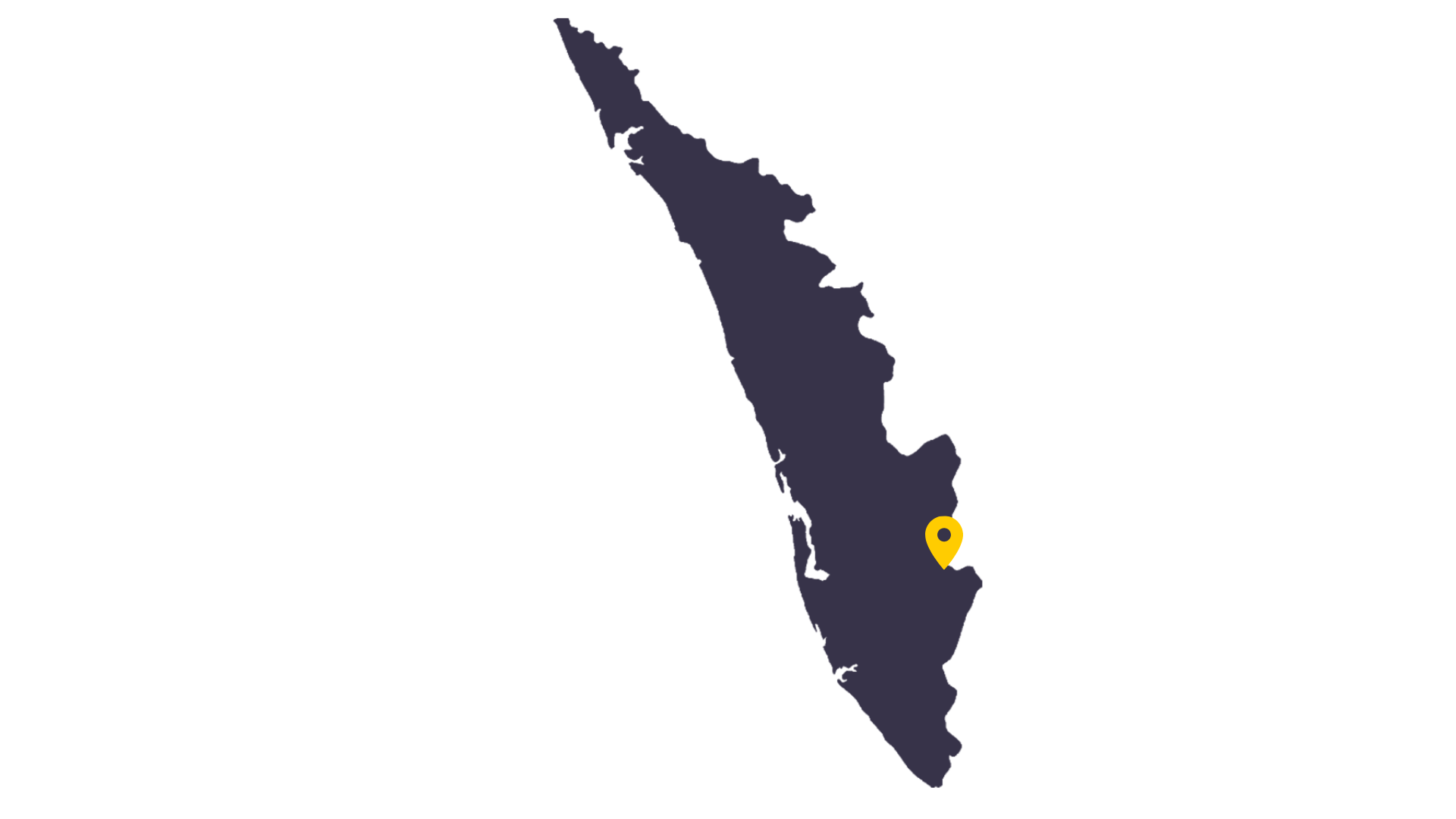
Set amid the southern reaches of the Western Ghats, Thekkady is one of Kerala’s most scenic and biologically rich hill regions. Located in the Idukki district, it lies close to the Tamil Nadu border, about 145 kilometres from Kochi and 120 kilometres from Madurai. The town itself stands at an elevation of around 700 metres above sea level. In comparison, nearby ridges of the Periyar hills rise between 900 and 1,800 metres, creating a dramatic landscape of rolling uplands and mist-filled valleys.

The terrain of Thekkady changes beautifully from evergreen rainforests to semi-evergreen woodlands, and from moist deciduous trees to open grasslands. Through these forests flow small streams and rivers that join at the Periyar Lake, an artificial reservoir formed by the Mullaperiyar Dam built across the Periyar River in the late 19th century. This vast lake now acts as the lifeline of the Periyar Tiger Reserve, nourishing its wildlife and adding a calm, reflective charm to the region’s green heart.

Thekkady and the nearby town of Kumily, just four kilometres away, form the main gateway to the reserve. Kumily’s hotels, spice markets and small shops blend effortlessly with the forested hills, making it both a tourist centre and a local trading hub. Roads climb steadily from the plains of Tamil Nadu through cardamom and pepper plantations, reaching Thekkady’s cool plateau.

The area enjoys a tropical highland climate — warm days, cooler nights and heavy monsoon rainfall between June and September. Average temperatures range from 15 °C to 30 °C, keeping Thekkady pleasant through most of the year. During the monsoon, thick rain clouds drape the hills, filling waterfalls and streams, while winter months bring crisp mornings and excellent wildlife-viewing conditions.

Ecologically, Thekkady lies within the Western Ghats UNESCO World Heritage Zone, recognised for its exceptional biodiversity. More than 1,900 species of flowering plants, including wild orchids and medicinal herbs, grow in these forests. The surrounding Periyar ecosystem shelters elephants, gaur, sambar deer, lion-tailed macaques, and over 260 bird species.

Encircled by spice plantations of cardamom, cinnamon, tea, and coffee, and enriched by steady monsoon rains, Thekkady represents a perfect balance of nature and cultivation. The thick vegetation and constant moisture maintain the region’s water balance and help protect the fragile ecology of the Western Ghats.

Together, the forests, rivers, plantations and hills make Thekkady not only a scenic retreat for travellers but also a living classroom of tropical ecology.

Tribal Communities of Thekkady

Around Thekkady and inside the Periyar Tiger Reserve live several indigenous tribal communities who have inhabited these forests and hills for centuries. These tribes form an essential part of Thekkady’s identity and continue to live close to nature.

The main tribal groups are the Mannans, Paliyans, Uralis, Malay-Arayas, Malampandaram, and a few smaller clans. The Mannan tribe once had its own small kingdom, ruled by a local tribal king, and held traditional rights to fishing and collecting forest produce. The Paliyan tribe, known as ancient forest dwellers and hunters, now work with eco-tourism programmes as guides, sharing their deep understanding of the forest.

These communities maintain strong cultural and spiritual connections with the land. Their knowledge of plants, herbs, honey collection, and forest rhythms remains vital to understanding the local ecosystem.

Conservation projects in Periyar also include these communities. They participate in protecting the forest, demonstrating how nature and people can coexist when traditional wisdom meets modern conservation practices.

History & Heritage

The history of Thekkady is as deep and layered as its forests. This region has witnessed the rule of ancient kingdoms, colonial engineers, and modern conservationists, each of whom has shaped its landscape in distinct ways.

Ancient Roots

Centuries ago, the Periyar Valley formed part of the Pandya Kingdom of Madurai. These fertile hills supplied honey, spices, and forest produce to southern trade routes. The name Thekkady comes from thekku, meaning teak, referring to the dense teak forests that once covered these slopes.

Colonial Era

During the British era, the cool climate and rich soil of the Western Ghats encouraged the establishment of tea, coffee, and spice plantations. The hills around Kumily and Vandiperiyar became dotted with estates and planters’ bungalows that still stand today. This plantation economy reshaped Thekkady’s environment and remains central to its spice trade and tourism.

The Mullaperiyar Dam

The defining chapter in Thekkady’s history began with the construction of the Mullaperiyar Dam, completed between 1887 and 1895 by Colonel John Pennycuick. Built across the Periyar River, the dam diverted water eastwards to Tamil Nadu’s dry plains. A 999-year lease signed in 1886 between the Travancore Kingdom and British Madras Presidency granted control to Tamil Nadu.

When completed, it created the vast Periyar Lake, submerging valleys and forming new forested wetlands. This artificial lake became the centre of the Periyar Tiger Reserve.

Legacy and Conservation

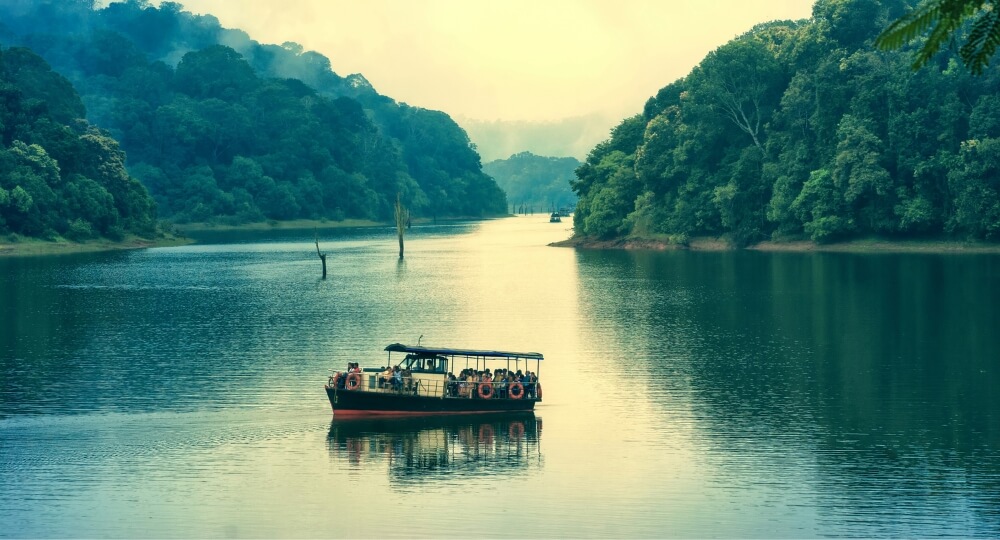
The dam stands as a colonial engineering marvel and a point of ongoing debate between Kerala and Tamil Nadu over safety and water use. For visitors, it remains a striking landmark — best viewed on boat rides on the lake, which reveal half-sunken trees and misty forest hills.

After independence, Thekkady’s focus shifted from plantations to wildlife conservation. The Periyar area became a sanctuary in 1950 and a tiger reserve in 1978. Today, guided treks, bamboo rafting, and heritage walks let travellers experience this rich blend of history and nature.

How to Reach

Thekkady does not have its own railway station or airport. The nearest access points are Kochi (Ernakulam) and Madurai, both linked to Thekkady by good roads.

By Air

The closest airports are:

  • Cochin International Airport (145 km) – about 4.5 hours by road via Kottayam and Kumily.
  • Madurai Airport (140 km) – around 4 hours through Theni and Cumbum.

From either airport, hire a taxi or board KSRTC/TNSTC buses to Kumily; the drive takes 4–4.5 hours depending on the route.

By Train

  • Kottayam (110 km) – the nearest major station and the best option if you are travelling within Kerala.
  • Changanassery (120 km) – another convenient railhead with frequent buses to Thekkady via Kumily.
  • Ernakulam (155 km) – the main railway junction for visitors arriving from other Indian states. Almost all long-distance trains from Delhi, Mumbai, Chennai, and Bengaluru stop here. From Ernakulam, you can reach Thekkady in about 5 hours by road.
  • Madurai (130 km) – best for travellers coming from Tamil Nadu.

From these stations, regular KSRTC and TNSTC buses, as well as private taxis, operate to Thekkady and Kumily.

By Road

Thekkady is most conveniently reached by road. It lies on the Kottayam–Kumily Highway (NH 183), connecting Kerala’s plains to the Western Ghats.

  • From Kochi: 145 km via Muvattupuzha – Kottayam – Mundakayam – Kuttikkanam – Kumily (about 5 hours).
  • From Madurai: 120 km via Theni – Cumbum – Kumily (3.5 hours).
  • From Munnar: 90 km via Poopara (3 hours).

State-run and private buses operate daily between Thekkady and major towns such as Kochi, Kottayam, Alappuzha, Thiruvananthapuram, and Madurai.

Best Time to Visit

  • September to March: Ideal weather, lower rainfall and peak wildlife visibility.
  • April to May: Hotter, but fewer crowds.
  • June to August (monsoon): Very lush, but some trails or boat services may be disrupted.

Tidbits

  • Location: Idukki district, Kerala, Western Ghats
  • Elevation: ~700 metres above sea level
  • Official Languages: Malayalam, English
  • Famous For: Periyar Tiger Reserve, spice plantations, forest trails, boat safaris
  • Best Time to Visit: September to March
  • Ideal Duration: 2 to 3 nights
  • Nearest Town: Kumily (gateway to Thekkady)

Travel Requirements

  • Carry a valid government photo ID (Aadhar, driver’s licence, passport) for hotels and sanctuary entry.
  • International travellers should ensure their visa is valid and keep both digital and physical copies.
  • Digital payments (cards, UPI) are accepted in most hotels and cafes, but it’s a good idea to carry some cash for remote plantation shops, taxis, autos and guided nature walks.
  • There are no metro or ride-sharing services in Thekkady. For local transport, you must rely on taxis, state and private buses, jeeps and cars.
  • Dress in lightweight breathable fabrics during the daytime; carry a light jacket or shawl for mornings and evenings.
  • In the monsoon (June–August), rain gear is essential, and trails may get slippery.
  • Drink bottled or filtered water.
  • Be cautious while boating or on forest trails; follow guide instructions.
  • Periyar Tiger Reserve spans 925 sq km (Core: 881 sq km; Buffer: 44 sq km). It harbours elephants, gaur, sambar, Nilgiri langur, lion-tailed macaque, and rich birdlife.
  • Tourism is restricted outside the core; guided programs operate in designated eco-tourism zones or buffer/peripheral areas.
  • Periyar activities (boating/treks) require the same ID used for online booking; carry physical & digital copies
  • The area enforces a ban on single-use plastics in hilly tourist regions from 2 October 2025 onward.

Travel Tips

  • Prebook boat cruises, especially in high season.
  • Respect rules enforced by the forest department and never stray off trails.
  • Permits may be required for specific trails or visits to tribal lands.
  • Carry sunscreen, insect repellent, rain protection and hiking shoes.

Top 5 Reasons to Choose Thekkady Tour Packages

Wildlife Encounters in the Periyar Tiger Reserve

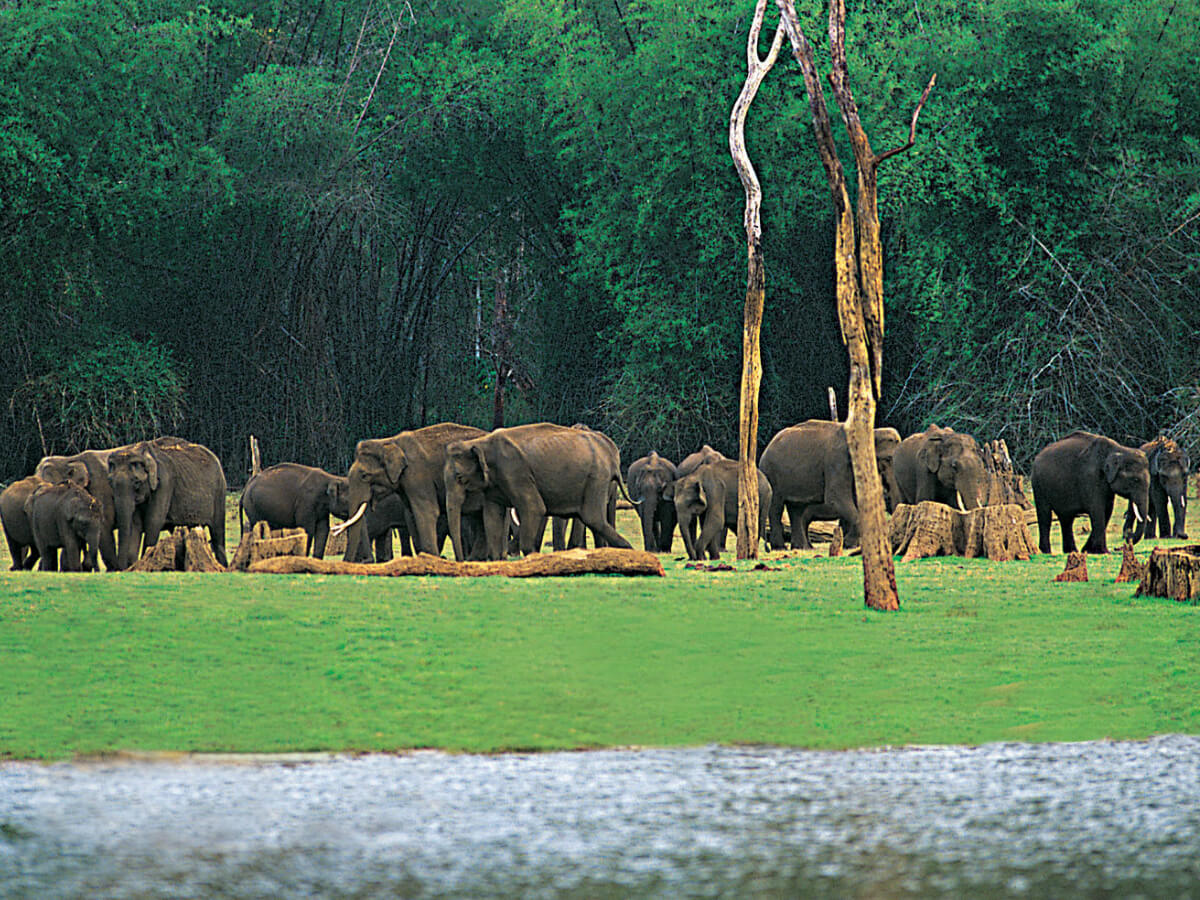
The Periyar Tiger Reserve is the heart of Thekkady. Spread across 925 square kilometres, it shelters elephants, gaurs, sambar deer, wild boar, and rare primates, such as the lion-tailed macaque.

Visitors can take boat safaris on Periyar Lake, guided jungle treks, or bamboo rafting trips through the forest. These eco-activities are managed by the Kerala Forest Department, ensuring safety and conservation. Early morning safaris offer the best chance to spot animals and birds in their natural habitats.

Spice Plantations and Tea Gardens

Thekkady is situated in Kerala’s spice belt, renowned for its cardamom, pepper, and cinnamon plantations. Many estates open their gates to visitors for short tours that explain how spices are grown, harvested, and dried.

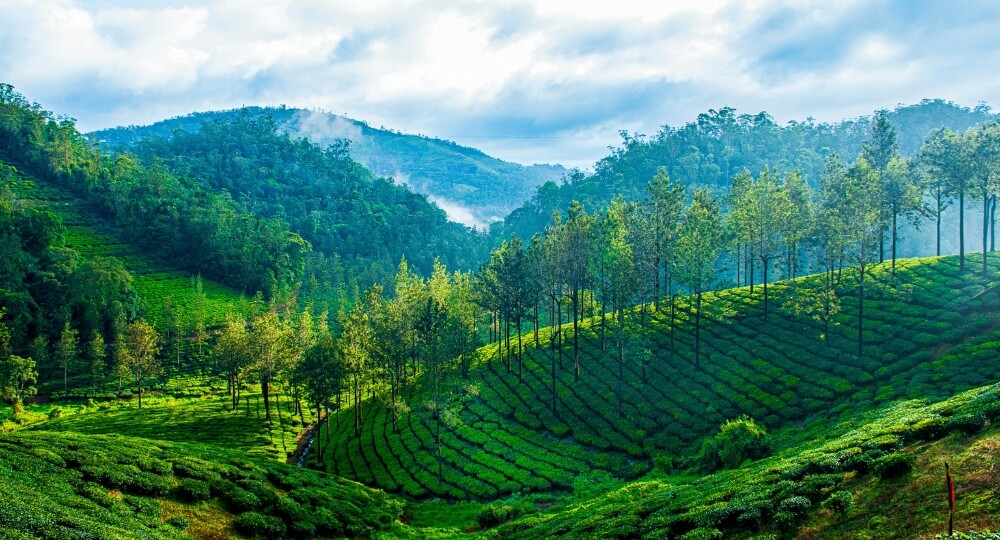
Nearby tea gardens in Vandiperiyar and Vandanmedu also welcome tourists for tasting sessions and factory visits. Buying farm-fresh spices and teas directly from producers is a popular activity and part of most travel itineraries.

Comfortable Climate and Scenic Hills

At around 700 metres above sea level, Thekkady enjoys pleasant weather year-round. The cool, misty air and green valleys make it ideal for travellers seeking relief from city heat.

Even the drives through Thekkady are scenic — with curving roads, forest views, and frequent roadside tea stalls offering warm chai against a backdrop of mist-covered hills.

Easy Accessibility and Ideal Base for Exploration

Thekkady’s location makes it both accessible and strategic for exploring Kerala’s hill and forest circuit.

In addition to being well-connected, Thekkady also serves as a gateway to nearby destinations like Munnar, Vagamon, Kumarakom, and Gavi. Travellers can combine these in one trip without long detours. Many Kerala tour circuits feature Thekkady as the central stop between the hill country and the backwater regions.

This connectivity, combined with efficient tour infrastructure, makes visiting Thekkady easy for both domestic and international travellers.

Range of Experiences in One Destination

Thekkady offers much more than wildlife. Cultural and leisure options include Kalaripayattu (Kerala’s martial arts), Kathakali performances, visits to spice markets, and day trips to nearby viewpoints and eco-parks.

Accommodation options range from eco-resorts nestled in the forest to plantation homestays and boutique lodges, catering to all budgets. Many properties organise guided walks, cooking sessions, and nature activities for guests.

Best Places to Visit With Our Thekkady Tour Packages

Periyar Wildlife Sanctuary / Tiger Reserve

The Periyar Tiger Reserve is the heart of Thekkady. Covering about 777 sq. km, with around 360 sq. km of dense forest, it is one of India’s best-managed wildlife reserves. The sanctuary shelters elephants, gaurs, sambar deer, wild boar, Nilgiri langurs, and rare lion-tailed macaques.

Visitors can explore the forest through eco-tourism programmes run by the Kerala Forest Department, such as:

  • Nature Walks (short guided treks through forest edges).
  • Bamboo Rafting (a full-day activity combining trekking and rafting).
  • Jungle Patrol (evening walks with forest guards).
  • Periyar Tiger Trail (multi-day guided trek and camping).

These experiences focus on understanding the forest ecosystem, wildlife conservation, and responsible tourism.

Periyar Lake Boating

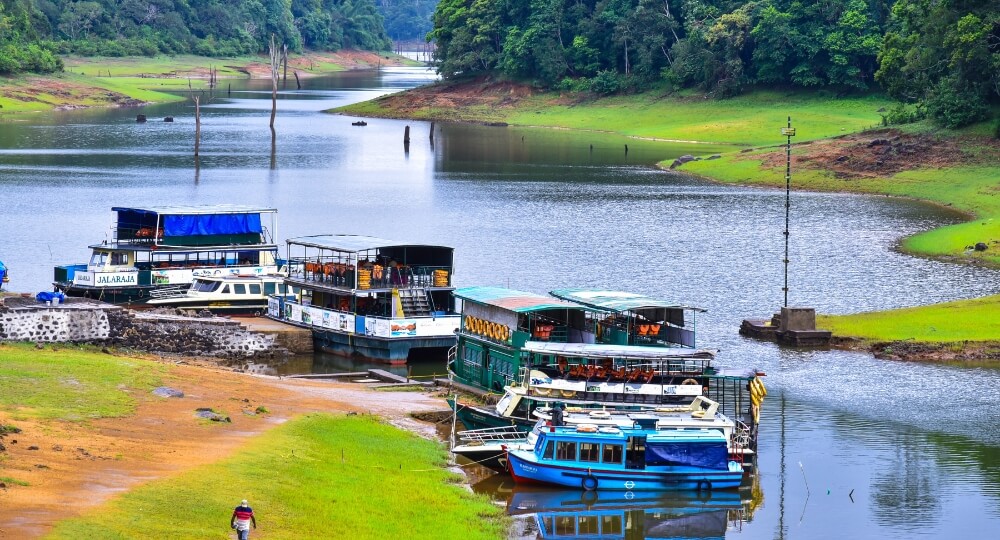
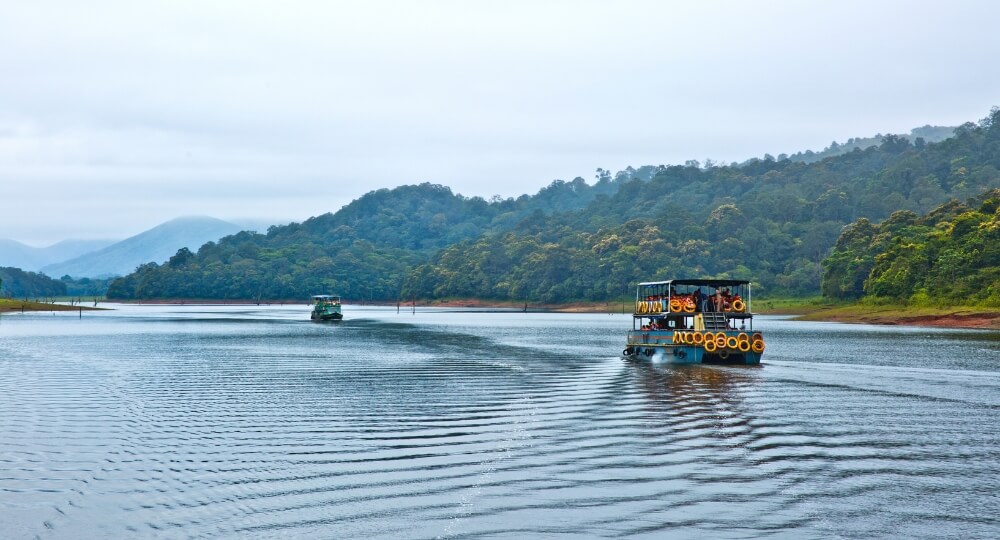
At the centre of the reserve lies the Periyar Lake, a vast reservoir formed by the Mullaperiyar Dam in the late 19th century. The lake’s calm waters and half-submerged trees create one of Kerala’s most recognisable landscapes.

Boat safaris on the lake are the most popular activity in Thekkady. Operated by KTDC and the Forest Department, these one- to two-hour cruises allow visitors to see elephants, bison, and deer as they come to drink along the banks.

  • Best time: Early morning or late afternoon cruises for wildlife sightings.
  • Tip: Advance booking is recommended during weekends and holidays.

The tickets mention pre-assigned seats on the boat. So there is no stress finding the best seat when you board. The experience is peaceful, family-friendly, and ideal for photography.

Spice Plantation Tours

Thekkady is situated in Kerala’s spice belt, renowned for its cardamom, pepper, cinnamon, cloves, and ginger plantations. Around Kumily, several estates offer guided tours explaining cultivation and processing methods. You can learn interesting facts, such as did you know that black, white, and green pepper all grow from the same plant?

Visitors can:

  • Walk through lush spice gardens.
  • Watch traditional drying and grading processes.
  • Sample and purchase freshly packed spices directly from growers.

Cultural Centres

Thekkady has several cultural venues that showcase Kerala’s traditional performing arts. Evening shows introduce visitors to Kathakali, Kalaripayattu (martial arts), and local folk performances. Most centres are located in or near Kumily, close to the Periyar entrance gate, and run daily between 5 pm and 7 pm.

  • Kadathanadan Kalari & Navarasa Kathakali Centre – One of the oldest and best-known performance halls, offering back-to-back martial art and classical dance shows with live makeup demonstrations.
  • Mudra Cultural Centre – An intimate theatre known for its authentic presentations of Kathakali and Kalari with audience interaction.
  • Yodha Cultural Village – A larger complex presenting themed cultural evenings and martial arts exhibitions in a village-style setup.

These centres make it easy for travellers to experience Kerala’s art and heritage without leaving the hills, adding a rich cultural dimension to a visit that is otherwise focused on wildlife and nature.

Ottakathalamedu Viewpoint

About 4 km from Kumily, Ottakathalamedu offers sweeping views of Thekkady town, Periyar Lake, and the surrounding hills. The viewpoint is accessible by jeep ride or a short trek from the main road. Sunrise and sunset views are particularly beautiful here, with layers of mist rolling over the valleys.

Murikkady

Only 5 km from Thekkady, Murikkady is a peaceful plantation hamlet known for its tea and spice estates. It’s ideal for short drives, quiet walks, and landscape photography. Visitors can watch workers plucking tea leaves or drying pepper in open yards, giving a glimpse into the region’s everyday plantation life.

Mangaladevi Temple

Hidden deep inside the forest, about 15 km from Thekkady, the Mangaladevi Temple stands on the Kerala–Tamil Nadu border. The ancient stone shrine built in the Pandyan style of architecture by King Cheran Chenguttuvan, around 2000 years ago, opens only once a year on Chitra Pournami (April–May). Entry is restricted and requires special permission from the Forest Department, but visitors can enjoy rare views of the valleys and historical architecture set amidst the wilderness.

Chellar Kovil Waterfalls

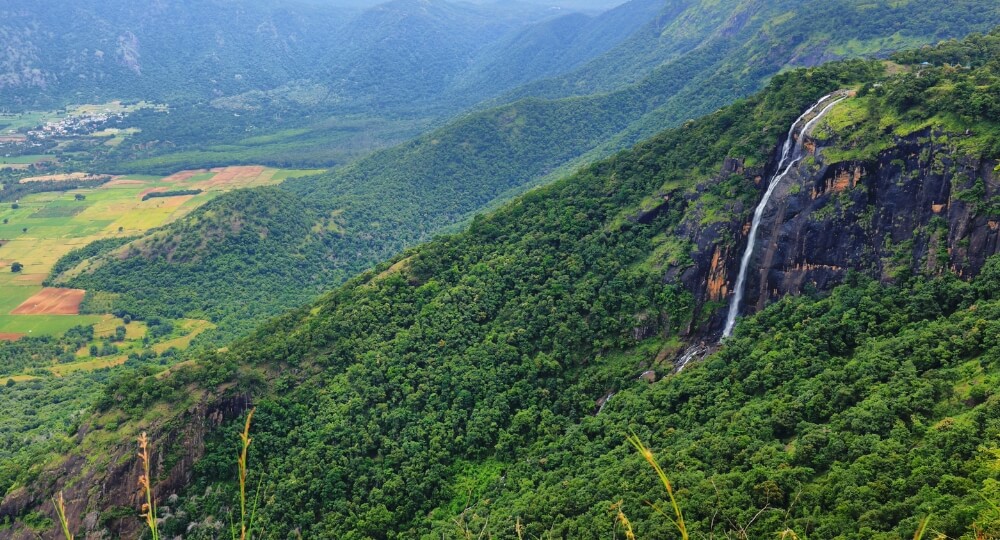
Located near the Kerala–Tamil Nadu border, Chellar Kovil is famous for its scenic waterfalls and green valleys. The viewpoint offers panoramic sights of the plains below, and the area is ideal for short picnics or photography breaks. The falls are most active during the monsoon season (June to September).

Hidden Gems Around Thekkady (Within 15 km)

Pandikuzhi Nature-Walk Spot

A serene nature trail near the Kerala–Tamil Nadu border, with streams, fields, and forest edges. Ideal for calm walks and short picnics away from the main tourist area.

Kurisumala Hills (near Chenkara)

A scenic trek offering panoramic views of the Periyar forest and nearby valleys. The summit features a cross, visited by locals for sunrise prayers.

Kadamala Para Trekking Viewpoint

A lesser-known ridge trail with 360° views of forest and farmland. Popular for moderate treks and clear-sky photography during the dry season.

Rose Park Thekkady

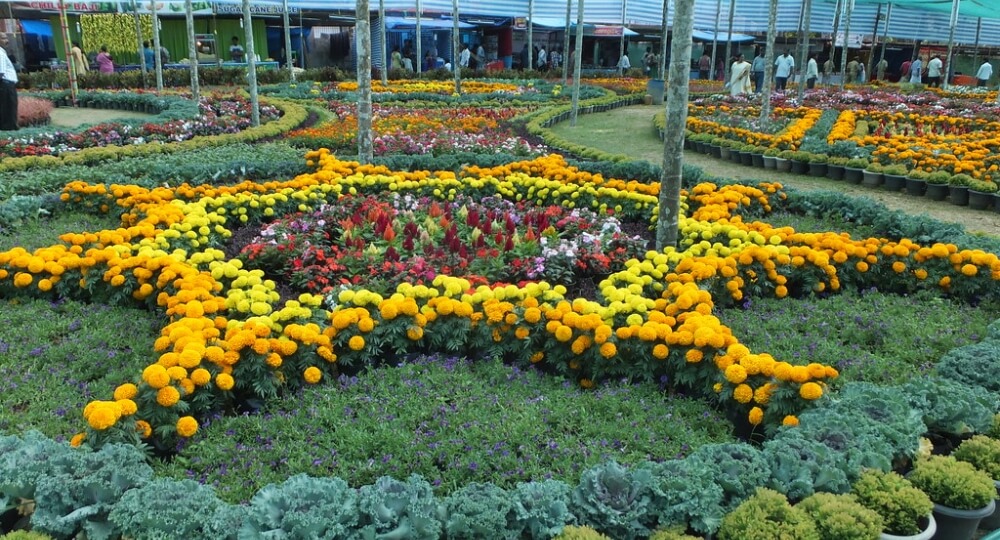
A landscaped garden park featuring flower beds, photo spots, and small activity zones. A pleasant stop for families, especially children and photography enthusiasts.

Abraham’s Spice Garden

An organic spice garden offering guided tours of cardamom, pepper, and cinnamon plantations. Visitors can learn about spice cultivation and buy products directly from the garden.

Anakkara Village

A quiet rural village surrounded by spice and tea plantations and known for its peaceful walking trails.

Other Places to Explore

Munnar (90 km from Thekkady)

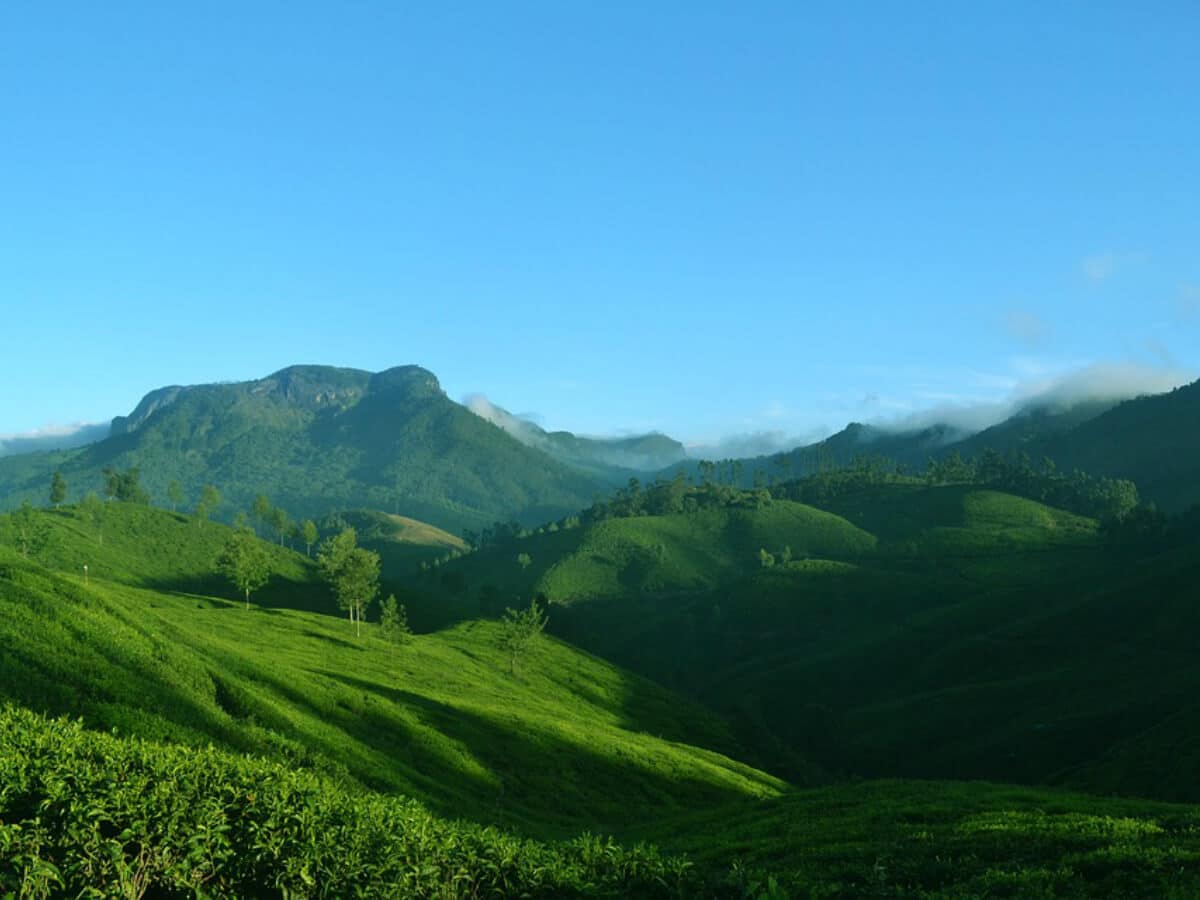
Munnar is known for its endless tea gardens, misty hills, and cool mountain air. Located about a three-hour drive from Thekkady, it offers attractions such as Eravikulam National Park, Mattupetty Dam, and the Tea Museum. Visitors can go trekking, visit spice and tea estates, and enjoy scenic drives through rolling green valleys. It’s an ideal two-day extension to a Thekkady itinerary for nature and photography lovers.

Vagamon (65 km from Thekkady)

Vagamon is a peaceful hill station with pine forests, lush grassy meadows, and gentle slopes, making it perfect for picnics. Located just over two hours away, it’s less crowded than Munnar but equally beautiful. The Vagamon Meadows, Pine Valley, and Thangal Para Viewpoint offer serene experiences for those who want to unwind after forest safaris in Thekkady.

Ramakkalmedu (40 km from Thekkady)

One of the windiest points in Kerala, Ramakkalmedu, sits on a high ridge with wide views of the plains below. It is famous for the Kuravan-Kurathi rock sculpture, which represents local legends, and attracts visitors for its sunrise and sunset views. The drive from Thekkady takes about an hour through scenic spice plantations and hills, making it a quick and worthwhile side trip.

Parunthumpara (25 km from Thekkady)

Parunthumpara, meaning “Eagle Rock,” is a striking viewpoint located near Peermade. It’s known for its panoramic views of the Western Ghats and mist-covered valleys. Visitors often stop here on their way to Vagamon or Kuttikkanam. The open cliffs and fresh air make it a great destination for early morning or evening visits, ideal for short hikes and photography.

Idukki Arch Dam (65 km from Thekkady)

The Idukki Arch Dam, built across the Periyar River, is one of India’s tallest arch dams and a marvel of engineering. Surrounded by forested hills and reservoirs, it offers scenic views and boating opportunities. The dam is open to visitors on select days, so it is recommended to check the schedule in advance. It’s an excellent stop for those interested in Kerala’s hydropower infrastructure.

Kumarakom (125 km from Thekkady)

Kumarakom lies along the Vembanad Lake, Kerala’s largest backwater, and is famous for its tranquil houseboat cruises and bird sanctuary. The two areas complement each other beautifully — Thekkady offers forests and wildlife, while Kumarakom provides serene waters and a traditional village life. A day or overnight stay here brings a slower, more relaxing contrast to your Thekkady itinerary.

Alappuzha (145 km from Thekkady)

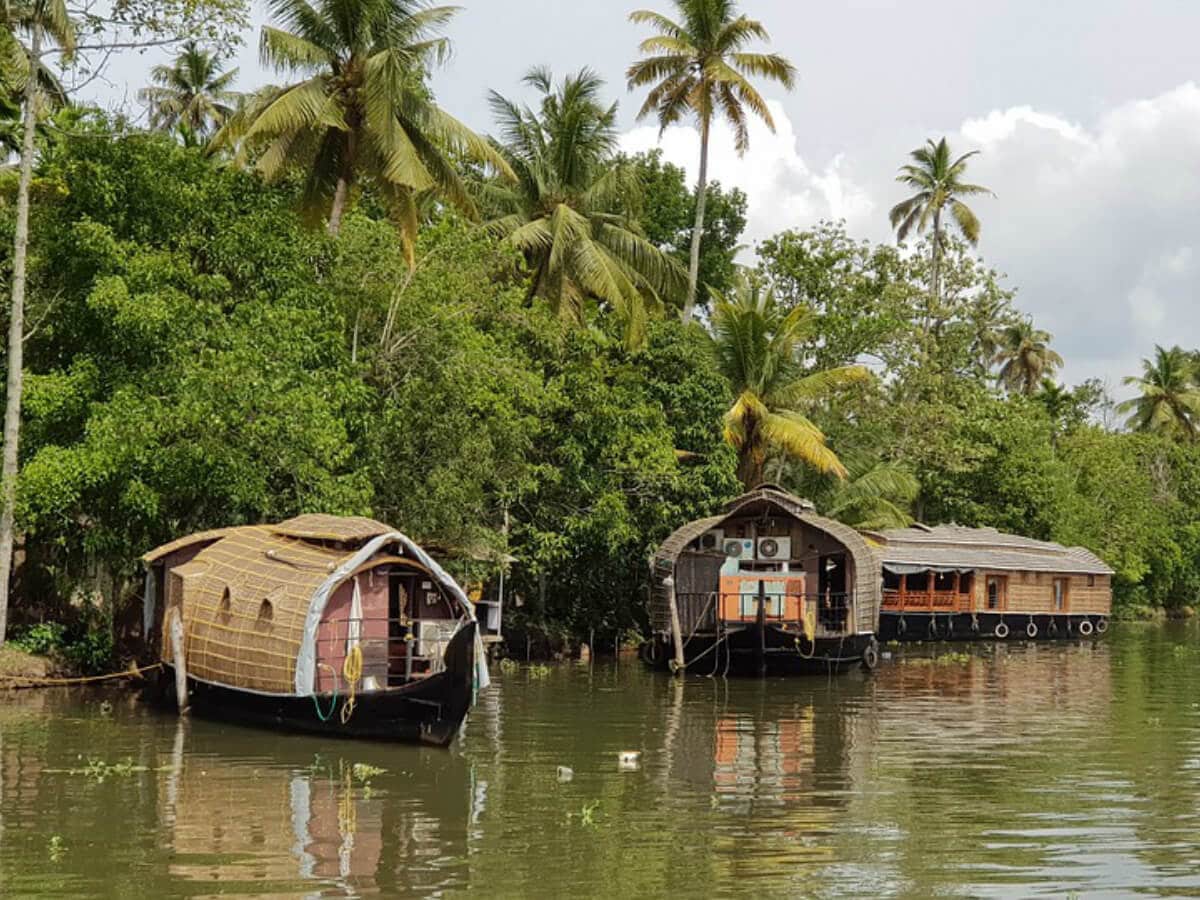
Also known as Alleppey, this is the heart of Kerala’s backwaters. Travellers can enjoy houseboat stays, canoe rides, and local life along coconut-lined canals. It’s a perfect follow-up to Thekkady for those who wish to combine wildlife exploration with Kerala’s signature waterway experience. The drive from Thekkady to Alappuzha takes about four to five hours through scenic countryside.

Shopping in Thekkady

What to Buy

Spices & Tea

Thekkady is in the heart of Kerala’s spice country, so high‐quality spices are naturally the top buy. Visitors can find packets of cardamom, pepper, cinnamon, nutmeg and spice preserves in the Kumily market. Tea and coffee grown in nearby estates, fresh leaf teas or packaged varieties, are also available for purchase

Hand-loom Fabrics & Textiles

Beyond spices, the Kumily market offers hand‐loom fabrics—traditional Kerala items as well as fabrics from other states (especially Gujarat, Kashmir).

Bamboo, Jute & Craft Goods

Visitors can shop for a variety of products, including bamboo items, jute bags, baskets, and carved pieces. Housewares, decorative lamps, rosewood/sandalwood carvings and batiks also line the stalls in Kumily.

Miscellaneous: Snacks & Local Produce

You’re in Kerala, so you can definitely purchase banana chips (Kerala chips), local vegetable and fruit produce, pickles, preserves, homemade chocolates, dried fruits, and speciality teas/coffee blends. These make for good gift items or travel snacks.

Where to Shop

Kumily Main Market – This is the central shopping area when you come from Thekkady. Stalls and shops line the road, specialising in spices, textiles, and gifts.

Spice Retailers – There are dedicated spice retailers listed in Kumily

Spice Gardens with Shops – Some plantation-style spice gardens also have small shops where visitors can tour and then purchase goods (e.g., “Abraham’s Spice Garden”).

When shopping in Thekkady, take a little extra care to ensure you’re buying genuine, high-quality products. Always check for freshness; spices should look, smell, and feel right. Fresh cardamom should be green and aromatic, while black pepper should be firm. Compare prices at several shops before making a purchase, as rates can vary significantly, especially in tourist areas. It’s best to buy small quantities if you’re travelling by air to manage baggage limits, and request vacuum-sealed or well-packed spices for longer storage. Avoid shops that quote unusually high prices aimed at tourists, as there are plenty of reliable options in Kumily’s main market.

Cuisine & Local Flavours

Thekkady’s cooking owes much to the region’s spice history. Locally grown cardamom, pepper, cinnamon, clove, nutmeg, and curry leaves find their way into every dish. Meals here are usually prepared fresh and served on banana leaves, with generous use of coconut — grated, roasted, or made into milk. Small family-run eateries and plantation homestays offer some of the most authentic food experiences, often cooked using recipes passed down through generations.

Kerala Fish Curry Meals (Meen Curry Oonu)

A true Kerala classic, this is a must-try dish in Thekkady. The fish curry meal, locally known as meen curry oonu, is served with red rice, a tangy tamarind-based fish curry, and a variety of side dishes, including vegetable thoran, sambar, and papadam. The curry is made with kodampuli (Malabar tamarind) for its smoky-sour flavour and a rich blend of local spices. Restaurants near Kumily and small eateries along the main road often serve this meal at lunchtime, accompanied by pickles and buttermilk.

Kerala “Oon” – Traditional Vegetarian Meal

Known locally as oon, this is the traditional Kerala sadya-style meal served on banana leaves. It includes red rice, sambar, rasam, aviyal (a mixed vegetable dish in coconut), thoran (stir-fried vegetables with grated coconut), kootu curry, pachadi, papadam, and a dessert such as payasam. The flavours are mild but deeply satisfying, highlighting balance and freshness. Many homestays and local restaurants in Thekkady serve this meal for lunch, particularly on weekends or special occasions.

Appam with Stew

Soft, lacy appams (fermented rice pancakes) paired with vegetable or chicken stew are a breakfast favourite in Thekkady. The stew, made with coconut milk, black pepper, and curry leaves, is delicately spiced and is perfect for travellers who prefer light, creamy flavours. Appams are also enjoyed with egg curry or sweetened coconut milk.

Malabar Parotta and Kerala-Style Chicken Curry

Influenced by both Kerala and Tamil cuisines, parotta and spicy chicken curry is a popular dinner choice. The layered, flaky parotta is made with maida, cooked on a tawa, and served with a thick gravy spiced with garam masala and roasted coriander. You’ll find the best versions in local hotels and street-side eateries across Kumily.

Tapioca with Fish Curry (Kappa and Meen Curry)

A rustic highland combination that reflects Kerala’s countryside, kappa (boiled tapioca) is served with spicy red fish curry. It’s filling, earthy, and a favourite among locals. Many toddy shops around the Periyar area serve this dish in its most authentic form, paired with a mild toddy drink or lime soda.

Puttu and Kadala Curry

A classic Kerala breakfast, puttu (steamed rice flour cylinders layered with coconut) is served with kadala curry (black chickpeas in a spiced gravy). The dish is simple, hearty, and easily available in most small eateries and homestays.

Kerala Snacks and Sweets

Thekkady also offers a delicious range of snacks, including banana fritters (pazham pori), vada, and tapioca chips, which are sold at roadside tea stalls. Sweet lovers can try unniyappam (sweet rice cakes fried in ghee) and payasam, a festive dessert made with milk, jaggery, and vermicelli or rice. For evening tea, pair these with local spiced chai or filter coffee made from high-range beans.

Culture, Arts & Architecture

While Thekkady is best known for its wildlife and tranquil landscapes, its cultural spirit is equally vibrant. Here, art lives through performance, music, and the quiet rhythm of plantation life. Visitors can experience Kerala’s living traditions not in monuments, but in sound, colour, and human expression.

Two of the most popular venues, the Kadathanadan Kalari Centre and the Mudra Cultural Centre in Kumily, host daily evening shows that showcase Kerala’s traditional performing arts, of Kathakali and Kalaripayattu.

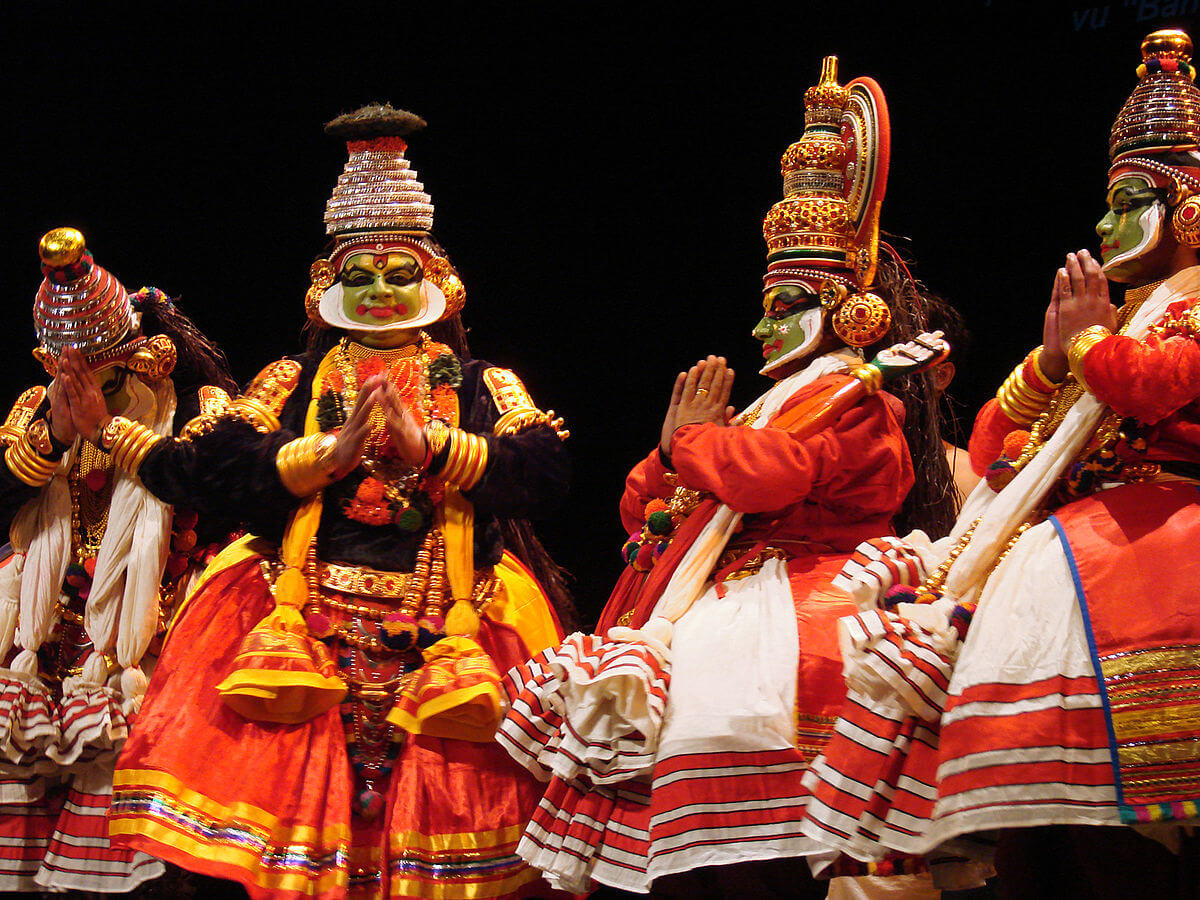
Kathakali is Kerala’s world-renowned classical dance-drama, renowned for its expressive storytelling, elaborate makeup, and vibrant costumes. Artists use intricate hand gestures (mudras), facial expressions, and dramatic eye movements to depict scenes from the Ramayana and Mahabharata. The transformation of the performer, made up with natural powders in different colours mixed with coconut oil or ghee, headgear, and ornate silk attire, is an unforgettable sight.

Kalaripayattu, considered one of the oldest martial arts in the world, is a thrilling display of strength, flexibility, and discipline. Fighters perform swift movements, somersaults, and weapon techniques inside a sunken arena called a kalari. The graceful blend of combat and choreography reflects Kerala’s ancient warrior tradition.

Beyond the stage, Thekkady’s plantation culture tells its own architectural story. Nearby plantation bungalows, with wide verandahs, tiled roofs, and teak interiors, echo colonial architecture. Many have been restored into cosy homestays featured in premium Thekkady Tour Packages, offering an elegant mix of heritage and hospitality.

View All Thekkady Tour Packages

Travel Tips

visa_information_icon

Visa Information

Check visa requirements before traveling, ensuring a smooth entry and compliance with destination regulations.

health and safety tips icon

Health and Safety Tips

Prioritize health, stay hydrated, follow safety guidelines, and maintain personal hygiene for a secure journey.

currency and tipping icon

Currency and Tipping

Familiarize with local currency, consider customary tipping practices for respectful and seamless travel experiences.

Share Your Ideal Tour: Let Us Customize!

FAQs:

Is Thekkady safe for solo travellers?
Yes, with standard precautions. Stay in known lodges, avoid late walks in dense forest zones, and follow guides’ instructions.
When is the best time to book Thekkady Tour Packages?
Book between September and March for optimal weather, wildlife activity and full package availability.
Is vegetarian food easily available?
Absolutely — Thekkady and Kumily have many vegetarian and vegan options, plus Kerala-style vegetable dishes.
Is Thekkady family-friendly?
Yes — boat safaris, spice walks, gentle treks, cultural shows and moderate distances make it good for all ages.
Are there direct transport options to Thekkady?
No direct flights or trains. Transfers are usually from Kochi, Madurai or Kottayam by road via Kumily.
Can I combine Thekkady with other destinations?
Yes — often paired with Munnar, Kodaikanal, Alleppey, or Periyar’s adjacent plantation routes in Kerala–Tamil Nadu circuits.
What is the local language?
Malayalam is the main language; English is widely understood in tourist zones.
How do I get around Thekkady?
Private cabs or local taxis are the norm. Some lodges arrange guided transport for plantation walks or sanctuary trips.
What should I pack?
Light cottons for day, a warm layer for early mornings, rain gear, walking shoes, binoculars, and power banks.

Book Your Dream Vacay Today!

=

×

Enquire Now

=