1

Tour Package

Wayanad Tour Packages

Green Paradise

SUPER DEAL PRICE

STARTS FROM

per person on twin sharing

Time Zone:
Lush Green Hill Station in Kerala: Wayanad
South India’s No.1 Travel Brand
Chembra Peak
Tallest peak in Wayanad
October - February
Best Season to Visit Wayanad
Meenmutty Waterfalls
One of the Tallest Waterfalls in Wayanad
Malayalam, Paniya, English
Languages Speaking
Essential Tips for Travelling to Wayanad
ATMs

ATMs are readily accessible in all major towns.

Credit Cards

Credit cards are accepted in major shops.

Bank

Banks are easily found in towns across Wayanad.

Drinking

The legal drinking age in Wayanad is 23.

Safest

Wayanad residents are known for warm hospitality.

Wayanad - Overview

Wayanad map

By Purpose

tour package tourism

Couples

For Newlywed Vacations

tour packages business

Family

For Family Vacations

Top Attractions

Chembra Peak

Pookode Lake

Kuruva Island

Edakkal Caves

Thirunelli Temple

Meenmutty Waterfalls

Banasura Sagar Dam

Palchuram Waterfalls

Kanthanpara Waterfalls

Soochipara Waterfalls

Chethalayam Waterfalls

Muthanga Wildlife Sanctuary

Everything You Need to Know About Wayanad

Wayanad is one of the fourteen districts of Kerala, nestled amidst the Western Ghats and famous for its vast expanses of greenery, spice plantations, pleasant climate, delectable Malabar cuisine, and mist-filled mountains. The region is an exotic mix of all things that make Wayanad a perfect tourist destination – mountains, lakes, waterfalls, sanctuaries, tea and spice plantations, and ancient ruins. This lush paradise is nestled among the Western Ghats and situated near the beautiful seashores of Kozhikode, bordering the forests of Mudumalai and Bandipur in Tamil Nadu and Karnataka, respectively. Read on to learn more about this Green Paradise.

Call us or send a message on Instagram to customise your Wayanad tour packages.

Table of Content:

About Wayanad

Wayanad derives its name from Vayal Nadu, meaning “Paddy Land,” referring to the vast expanses of paddy fields that seamlessly merge with the region’s forests. Before the settlers arrived in vast numbers, the land was originally home to tribal groups like the Paniyas, Adiyars, Oorali Kurumas, and Kurumas. While they were once in large numbers, their population has now been reduced to just 20% of Wayanad’s population. Today, Wayanad welcomes tourists from all over the world who are drawn to its rolling hills, coffee, tea, and spice plantations, paddy fields, and rich history.

Read on to learn more about the city and our Wayanad tour packages.

History

Archaeologists have found evidence of a structured settlement dating back to the Stone Age. Pictorial writings and paintings within the Edakkal Caves and megalithic burial sites near the Edakkal Hills indicate a long history of human settlement in the region.

Over the years, the region was ruled by several dynasties, including the Vedar Rajas, the Kottayam Royal Dynasty, the Nannans, and even the Mysore Kingdom. The most famous ruler of the Kottayam Dynasty, Kerala Varma Pazhassi Raja, even fought against the British, despite Tipu Sultan having to hand over the Wayanad region to them as part of his Srirangapatna Truce.

It was the British who opened the land to settlers who cultivated coffee, tea, and spices, and enslaved the indigenous tribes like the Kurumas, Paniyars, and Kurichiyas. The practice of using them as indentured labourers did not end until 1975, when the Kerala government abolished it.

The British also laid roads in the region and extended them to Calicut, Mysore, and Ooty. Wayanad was earlier part of Kannur, but became a separate district in 1980 when North and South Wayanad were combined.

Geography

Wayanad is situated between 700 and 2,100 metres above sea level, ensuring a calm and pleasant climate throughout the year. Its diverse topography includes rolling hills, deep valleys, dense forests, and lofty ridges. The rugged terrain also supports an impressive array of wildlife, including 200 species of endemic flowering plants in the region. In fact, Wayanad is one of the 29 biodiversity hotspots along the Western Ghats. Some of the key mountains in the area include Brahmagiri, Banasura Peak, and Chembara Peak, which are home to rainforests and rare species found nowhere else. The Kabini River, along with its tributaries, Panamaram, Mananthavady, and Kalindy, flow through the region.

Overall, the district is clothed in green – whether through the undulating hills, dales, or vast paddy fields.

Call us at +91 9940882200 to learn more about our Wayanad tour packages.

Economy

The beautiful dales of Wayanad have been converted into paddy fields, and the hills are covered with spice plantations that grow coffee, tea, and spices such as cardamom, pepper, and cloves. Needless to say, agriculture is the main occupation in the region. The Gadhakashala and Jeerakashala varieties grown here are premium rice varieties that even carry GI tags. Some of the other cash crops grown here include vanilla, cocoa, ginger, arecanut, and rubber.

Recently, tourism has become a significant industry, contributing to the economy through hotels, resorts, restaurants, and adventure activity organisers.

Call us at +91 9940882200 to learn more about our Wayanad tour packages.

Tidbits

  • The Banasura Dam, built across the Karamanathodu River, is India’s largest earth dam.
  • The Wayanad Wildlife Sanctuary shares borders with two sanctuaries: Mudumalai in Tamil Nadu and Bandipur in Karnataka.
  • Kerala’s only Lavu Kusa Temple with Sita Mata Temple in Pulpally.
  • Wayanad is home to almost 60% of Kerala’s tribal population.
  • En Uru is India’s first tribal heritage village
  • Wayanad is famous for its Jeerakashala and Gandhakashala rice varieties, which even have a GI Tag to them.
  • Wayanad is home to several Jain temples, including the oldest in Sulthan Bathery, which dates to the 9th century.
  • Wayanad’s history can be traced to prehistoric times with Stone Age carvings dating back to 6000 BCE.

Call us at +91 9940882200 to learn more about our Wayanad tour packages.

Things To Know Before Choosing Wayanad Tour Packages

  • A lot of tourist attractions like Banasura Dam and Soochipara Waterfalls do not have restaurants close by. If you are visiting these places with children or the elderly, remember to carry snacks and juice.
  • While Wayanad is a great place, it’s essential to follow a good itinerary. Remember to discuss your options and pack plenty of activities when planning your Wayanad tour packages.
  • While post-monsoon is a great time to explore Wayanad, it is suggested that you check with the tour planner about rains – landslides can be common in the monsoon in Wayanad.
  • Carry a waterproof phone bag where you can store gadgets like power banks, chargers, pen drives, etc., when trekking, especially during the monsoon and post-monsoon season.
  • Carry a bug repellent with you when travelling to Wayanad.
  • Do not carry disposable plastic items like bags and shampoo sachets – Wayanad is an ecologically sensitive region. Besides, most resorts offer toiletries.

Wayanad At A Glance

  • High Season: October to February
  • Languages Spoken: Malayalam, Paniya, English, Hindi
  • Famous Tourist Attraction: Banasura Sagar Dam, Edakkal Caves, Pookode Lake, Kuruva Island, Chembra Peak, Muthanga Wildlife Sanctuary, Thirunelli Temple, Kanthanpara Waterfall, Palchuram Waterfall, Chethalayam Waterfall, Soochipara Waterfall, and more.
  • Things to Do: Bamboo rafting, ziplining, speedboat riding, trekking, camping, wildlife safari, nature trails, Ayurveda Spas, etc.
  • Famous Food: Malabar Biryani, Pothin Kaal, Malabar Parotta, Appam and Stew, Duck Roast, Chattipatri, Chemmeen Puttu, Kilikoodu, Kozhikode Halwa
  • Souvenirs to Buy: Spices, Tea, Honey, Coffee, Eucalyptus Oil, Wooden Handicrafts, Gandhakashala and Jeerakashala rice varieties.

Planning a holiday to Green Paradise? Call us to learn more about our Wayanad tour packages.

Top Reasons To Choose Wayanad Tour Packages

Exploring The Plantations

The rolling hills of Wayanad are home to a variety of cash crops, including tea, coffee, rubber, and spices. The farmers here cultivate a diverse range of teas, including black, green, oolong, and white varieties. People prefer Wayanadan tea for its robust flavour and earthy aroma. The region produces both Arabica and Robusta.

Besides tea and coffee, Wayanad is renowned for cultivating a variety of spices, including cardamom, pepper, cinnamon, nutmeg, cloves, and ginger, as well as vanilla and cocoa.

You can tour these plantations or stay in one of them, as several resorts offer homestays, luxury bungalows, tree houses, and private villas within their premises. Staying within the plantation and working alongside the locals as they tend to their crops, along with attending exclusive tea/coffee tasting sessions, provides tourists with an immersive experience.

Some of the activities you can enjoy in a plantation include bird-watching, cycling, fishing, tea-tasting, going on a morning nature walk with a tour guide, enjoying a campfire, participating in adventure activities, and visiting Ayurveda spas. You can also book these bungalows and boutique hotels for weddings and other events. Call us at +91 9940882200 to learn more about your Wayanad tour packages and accommodation options.

Cascading Waterfalls

Wayanad is home to several well-known and hidden waterfalls, including Meenmutty, Kerala’s second-largest and Wayanad’s largest waterfall. The region’s hilly terrain, high elevation, and abundant rainfall contribute to the many streams and rivers that drop off cliffs, forming waterfalls.

Wayanad is also the origin for several rivers and tributaries, including Kabini and Chaliyar, that flow through uneven terrain, causing frequent waterfalls.

Some of the popular cascades include Meenmutty, Soochipara, and Kanthanpara. You cannot swim on all of them, especially during the monsoon, as they could be dangerous. However, your local tour guide can direct you to the small waterfalls and rivulets where you can bathe and swim.

Some waterfalls, such as Chethalayam and Kalladi, are ideal for other activities like bird-watching, photography, trekking, and river rafting. Some waterfalls, such as Palchuram and Kadachikunnu, are largely unknown to the general public, except to the locals who visit here to explore the dense forests and plantations.

Call us to learn more about the region’s waterfalls and arrange a visit to them with your Wayanad tour packages.

Abundant Wildlife

Wayanad is home to a varied range of animals, birds, plants, and trees endemic to the Western Ghats. In fact, the region is one of the most biodiverse places in Kerala, thanks to its diverse ecosystems, including tropical rainforests and montane grasslands. Wayanad shares its borders with three other wildlife reserves, Bandipur and Nagarhole in Karnataka and Mudumalai in Tamil Nadu.

Some of the animals you will find here include large mammals such as elephants, tigers, and bison, as well as primates like the Nilgiri langurs. Additionally, you can spot birds like the Malabar Trogon, Orange Minivet, Banasura Chilappan, and the Wayanad Laughing Thrush.

Wayanad is also famous for its wildlife sanctuaries, including the Wayanad Wildlife Sanctuary, Tholpetty, Muthanga, and the Pakshipathalam Bird Sanctuary. The latter is a beautiful trekking trail that requires walking through the dense Nilgiri Biosphere Reserve.

As part of your Wayanad tour packages, you can stay in one of the bungalows and tree houses within these sanctuaries and take a guided tour in a jeep or bus. Other activities you can enjoy in these sanctuaries include trekking, bird watching, canoeing, camping, and river rafting.

Cultural Attractions and Historical Sites

Before the settlers arrived in Wayanad, several ancient tribespeople called the area home. The Edakkal Caves are a prehistoric shelter filled with petroglyphs that are at least 7,000 years old.

Similarly, the Thirunelli Temple, dedicated to Lord Vishnu, is believed to be over 1000 years old. Located in Mananthavady, within the forest region of Brahmagiri, the journey to the temple is as fascinating as the temple itself, where you will traverse dense forests, elephant sanctuaries, and bamboo forests.

The Pazhassi Raja Tomb and Museum is another attraction dedicated to the legendary freedom fighter Pazhassi Raja, who resisted the British until he died in 1805.

The Ambalavayal Museum showcases Wayanad’s tribal culture through a collection of artefacts, ancient weapons, tribal utensils, pottery, and jewellery.

While not strictly from Wayanad, ritual art forms like Theyyam and Thira are performed along its borders with Kasargod and Kannur. You can also explore the lifestyle of communities like the Paniyas, Kurichiyas, and Adiyas at En Ooru Village, a model village in Wayanad that showcases the life and culture of the tribal communities.

The Jain temple in Sulthan Bathery, built in the 13th century, also served as a store room for arms during the reign of Tipu Sultan.

Sumptuous Cuisine

Malabar’s proximity to Wayanad helps influence its cuisine. However, Wayanadan food is a blend of indigenous tribal ingredients and cooking techniques, as well as the influence of neighbouring Karnataka and Tamil Nadu. Here, you can enjoy Thalassery Biryani, a quintessential Malabari dish, along with snacks like Unnakaya and different types of sweet and savoury cutlets made from fish, chicken, red meat, and even vegetables like banana blossoms.

The Malabar Parotta served with beef or chicken curry is another favourite. Another staple found in and around Wayanad is the Pothum Kaal, which literally means ‘Buffalo Leg’ – beef leg is slow-cooked for hours in a lightly spiced gravy until the meat is tender and the bone marrow becomes juicy. The Pothum Kaal is paired with Pathiri, a rice-based flat bread or Parotta.

You can sample traditional tribal foods, such as bamboo rice payasam, chakka pappadam, and Kattu Soup, a conventional Wayanadan tribal dish made with local herbs and spices.

Call us at +91 9940882200 if you plan to sample local delicacies or need a food tour included in your Wayanad tour package.

Unique Resorts

Given the forest landscape, it is no surprise that Wayanad is home to a range of unique accommodation options. You can choose to stay amidst the plantations in its many bungalows and dormitories, or book a luxury resort.

However, to make your stay extra special, we suggest booking a treehouse. These accommodations are situated 20 feet or more above ground and are therefore completely safe. You will be surrounded by the forest on all sides and even enjoy daily wildlife sightings. Most treehouses are situated near watering holes, allowing you to observe animals from a safe distance as they come to drink. These treehouses also offer exclusive in-house activities, such as forest awareness treks, bird-watching walks, customised safari drives, and nighttime drives within the estate to observe animals.

There are several homestays run by local families, often situated within their plantations or in the surrounding forests. You can join the host to learn more about their lifestyle, cooking, and even visit a local tea shop to discover hidden tourist spots.

Call us at +91 9940882200 to learn more about your accommodation options with our Wayanad tour packages.

Eco-Tourism

The forests of Wayanad are a biodiversity hotspot and an ecologically sensitive region. Unlike other popular hill stations where mass forests have been cleared to make way for luxury hotels and resorts, Wayanad has managed to strike a balance between commerce and environmental concerns.

Eco tourism is a popular theme across most travel businesses in the region. This is reflected in activities such as jungle awareness treks, bird-watching, interacting with local tribal communities, wildlife safaris, and staying in eco-friendly accommodations.

In Wayanad, the focus is on integrating humans with wildlife, rather than making forests and wild habitats human-friendly. For instance, while tree houses provide decent and clean facilities, you will have limited internet and cannot use high-wattage devices. And since these tree houses are within the jungle, you must maintain complete silence. While these accommodations may not be for everyone, they offer a once-in-a-lifetime experience, providing a 360-degree view of the mountains, jungles, and wildlife.

The Local Tribal Community

While Wayanad is famous for scenic greenery, tourists must also learn more about the region’s ethnic people. Some of the region’s tribal inhabitants, such as the Paniyas, Kurumbas, and Adiyans, have lived here for centuries, navigating Wayanad’s rugged terrain and challenging living conditions. You can visit their villages, sample their food, and even witness their unique customs and traditions. Some tribal communities, like the Kurumbas, are skilled weavers, producing baskets, mats, and pottery. Please encourage them by shopping for their products as souvenirs at tribal co-ops.

Another unique experience is En Uru, a tribal heritage village complete with thatched-roofed houses, tribal cafeterias serving ethnic dishes, and tribal markets. You can also join the locals for a jam session at the village’s amphitheatre.

Call us to include En Ooru in your Wayanad tour packages itinerary.

Adventure Activities and Experiences

With its waterfalls, hills, dense forests, and abundant wildlife, Wayanad is a haven for adventure lovers. There are numerous adventure tour companies offering a variety of activities, ranging from single-day trails to multi-day treks and nature walks. Some of the activities you can enjoy in Wayanad include hiking, canoeing, cave exploration, rappelling, bamboo rafting, and zip-lining.

Call us at +91 9940882200 to learn more about our Wayanad tour packages.

Best Time To Choose Wayanad Tour Packages

Wayanad has a tropical climate with mild temperatures throughout the year. The region experiences three distinct seasons: summer, monsoon, and winter. The mean temperature ranges from 19°C to 30°C, with winters being exceptionally chilly. However, with rising global temperatures, Wayanad has also borne the brunt, with peak summer temperatures rising to 35°C. Read on to learn more about the different seasons and the best time to choose our Wayanad tour packages.

Summer (March to May)

While Wayanad is hot during summer, it is not as sweltering as other parts of the country. The average temperature ranges from 24°C to 32°C, with nighttime temperatures dropping to around 20°C. Sometimes, during the day, temperatures could rise to 36°C. While it is humid in April, May is comparatively better as the region experiences heavy to light drizzles.

Summer is a good time to book Wayanad tour packages if you love trekking, camping, and hiking. The Soochipara and Kanthanpara Waterfalls are also popular when it is hot and humid, providing a refreshing escape for tourists to cool off.

Monsoon (June to September)

While monsoon is considered off-season and not the right time to book Wayanad tour packages, there are plenty of reasons you should visit the region during the rainy season. For one, the temperature ranges from a pleasant 18°C to 28°C, making it an ideal destination for tourists seeking to escape humidity. Rain revitalises the landscape, including the tea and coffee plantations and the paddy fields. The misty landscape makes for a perfect backdrop for your pictures and Instagram reels. Rain also replenishes the many waterfalls that thunder during this season. While trekking may be limited due to the rain, you can still take advantage of discounted spa sessions and Ayurveda massages during the monsoon.

If you’re lucky, you could be in time for Onam, Kerala’s most significant festival, which occurs between September and October. Monsoon is a great time to avoid the crowds and explore affordable Wayanad tour packages.

Post-Monsoon (October to November)

This is definitely one of the best times to choose Wayanad tour packages, thanks to the magical climate, which is made even more refreshing by recent rains that make the landscape fresh and crisp. While rains replenish the waterfalls, they’re not always accessible during the monsoon. This problem is typically solved during the post-monsoon season, when the waterfalls are at their peak and perfectly safe for a dip. October and November are also perfect for trekking, as you journey through dense forests for a breathtaking view of the surrounding hills from the peak. The average temperature during this season ranges from 20°C to 27°C, making it the perfect time for a vacation. The northeast monsoon clouds bring rain during this season, creating an enchanting experience for visitors.

Winter (December to February)

Winters are definitely chilly in Wayanad, with the average temperature being 18°C. However, it could drop to as low as 10°C. It’s an excellent time for trekking, hiking, and enjoying the breezy climate. Some of the things you can enjoy during this time with your Wayanad tour packages include staying at one of the many romantic tree lodges or touring the coffee and tea plantations. This season is also considered peak tourist time as people visit the valleys to take advantage of the pleasant climate.

Top Tourist Attractions In Wayanad

Edakkal Caves

Edakkal Caves literally means A Stone In Between. The place gets its name from a boulder wedged between two bigger boulders to create a cave. These aren’t caves in the real sense, but rather a fissure made by natural causes. The Edakkal Caves were discovered in 1895 when the local police officer went on a hunting trip. The highlight of the caves is the petroglyphs, which are estimated to be over 7,000 years old, including weirdly shaped figures, crosses, triangles, stars, spirals, animals, and pot-shaped items.

Thirunelli Temple

The Thirunelli Temple is at the base of the Brahmagiri Temple and is believed to be over 1000 years old. In fact, there are records that the temple was a thriving pilgrimage centre between the 4th and 6th centuries. This is the only temple where one can perform all rituals related to one’s life, from birth to death, and even those related to life after death. The temple is situated on the banks of the Papanashini stream, originating from the Brahmagiri Hills. It’s not just the temple, but the travel to Thirunelli that’s mesmerising, where you get to traverse through dense forests.

Soochipara Falls

Soochipara Falls is a three-tiered waterfall that drops from over 200 metres. The water cascades into a large pool, making it ideal for swimming and bathing. Located in the Vellarimala Mountain, the Soochipara Falls are formed by rainwater flowing from the surrounding forests, eventually joining the Chulika River. The way to Soochipara is a popular trekking trail and ideal for rock climbing.

Call us at +91 9940882200 to learn more about our Wayanad tour packages.
Banasura Sagar Dam

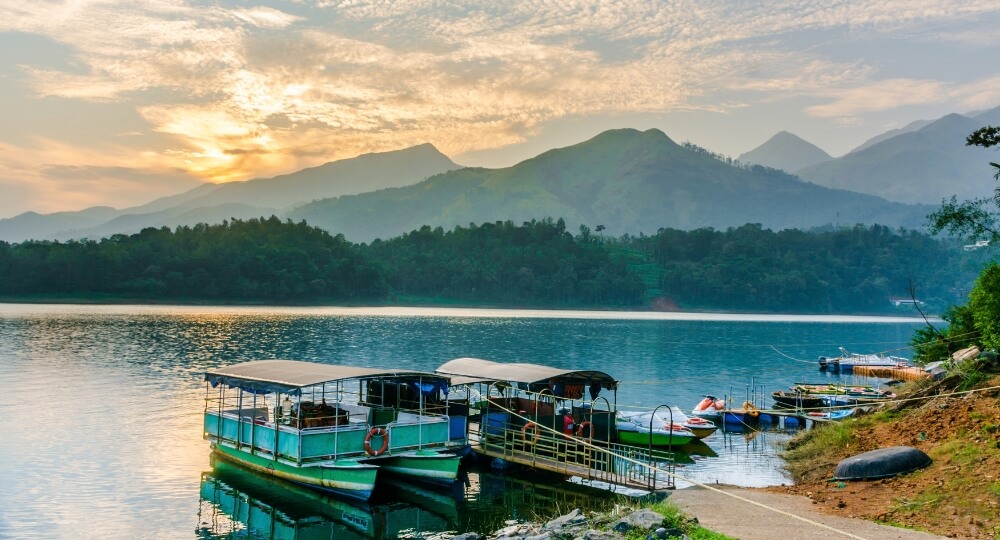
This is India’s largest earthen dam, located in Kalpetta and holding water from the Karamanathodu River, a tributary of Kabini. The dam and the lake on which it is constructed get their name from the nearby Banasura Hill, which gets its name from the Asura King Banasura. Some of the activities you can enjoy here include boating, trekking, bird watching, and photography. It is also an ideal spot for a picnic.

Chembra Peak

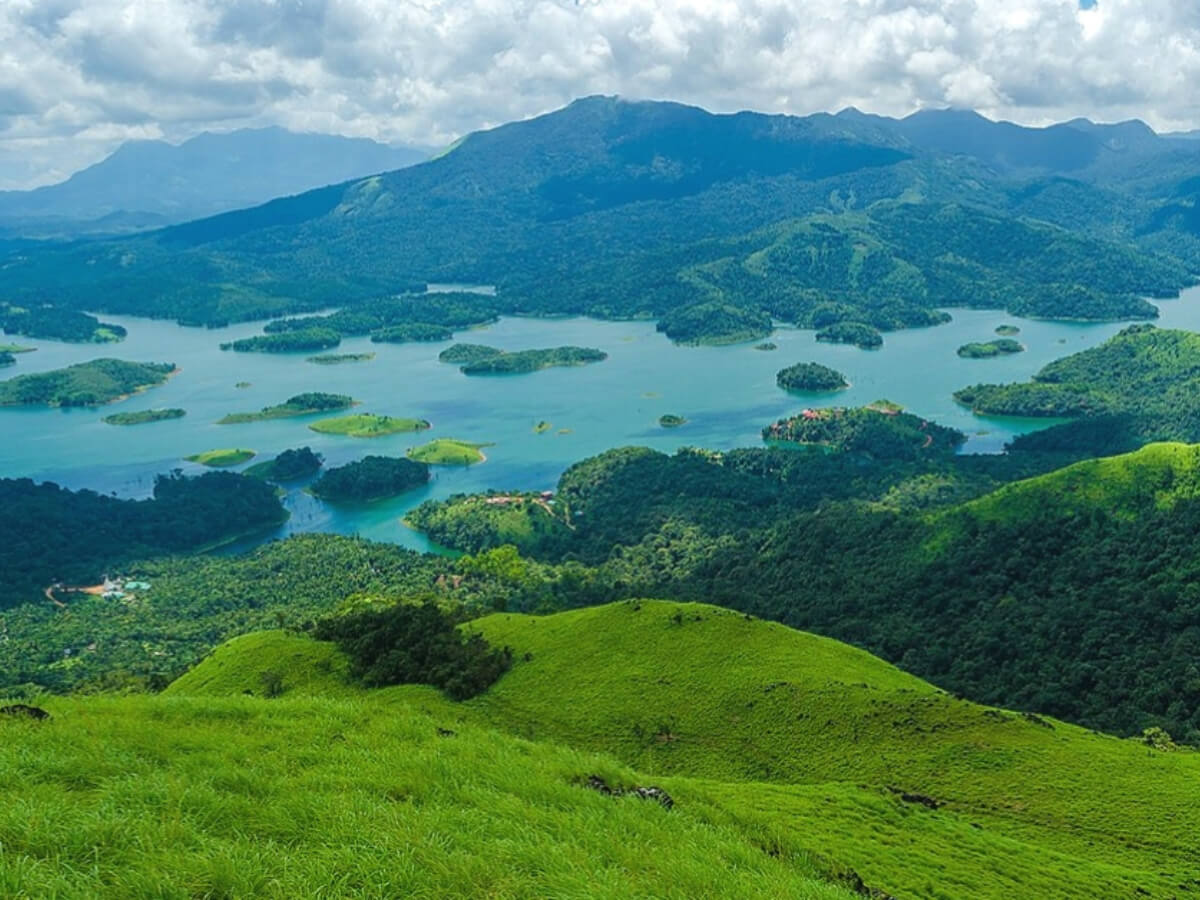
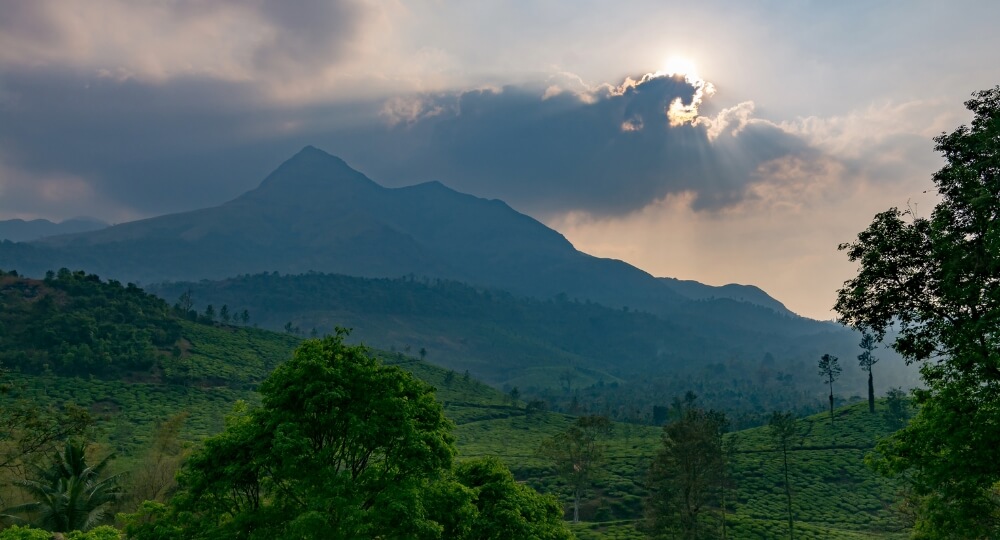
Chembra Peak is the highest peak in Wayanad and the third-highest in Kerala. It is a popular trekking trail thanks to the majestic summit offering a panoramic view of the surrounding landscape. On a clear day, you can observe an unobstructed view of the Western Ghats and even the neighbouring states of Karnataka and Tamil Nadu. The trek itself is worth the effort as you traverse through plantations, forests, and grasslands. Another highlight of the peak is Hridaya Saras, a heart-shaped lake that never dries up, even during peak summer.

Pookode Lake

This beautiful freshwater lake in Wayanad is situated at an altitude of 770 metres above sea level, making it the highest-altitude freshwater lake in Kerala. The lake is perfect for a family picnic where you can enjoy boating, watch the animals and birds visiting the lake, and savour the local delicacies.

Meenmutty Falls

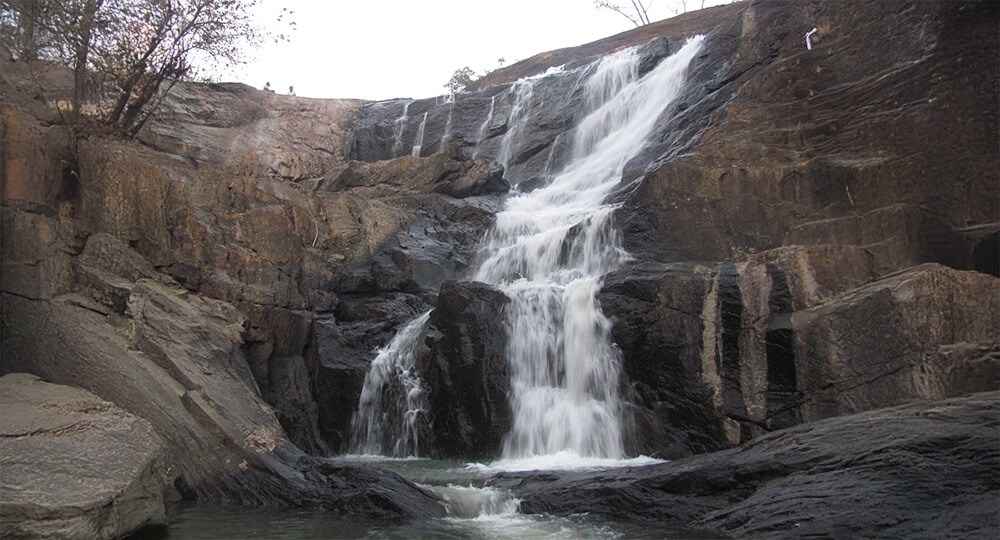
This is Kerala’s second-largest waterfall, cascading from over 300 ft into a naturally formed pool where tourists can swim and bathe. The water falls in three tiers; the first is easily accessible through a half-kilometre trek. The other two tiers are, however, slightly challenging as you must climb stone boulders for another half-kilometre. However, there are ropes as you trek to the third tier because the slopes are too steep to ascend in some areas. The view from the third tier is, however, rewarding as you get to see the breathtaking view of the Banasura Sagar Dam. The falls are open from 9:00 a.m. until 5:30 p.m.

Call us at +91 9940882200 to learn more about our Wayanad tour packages.
Muthanga Wildlife Sanctuary

The Wayanad Wildlife Sanctuary includes four ranges, including the Muthanga Wildlife Sanctuary, near the Sultan Bathery town in Wayanad. The forest within the sanctuary shares its borders with Nagarhole and Bandipur in Karnataka, as well as Mudumalai in Tamil Nadu. Established in 1973, Muthanga was part of Project Elephant, as it is a biogeographically rich forest track in peninsular India. Some of the trees growing here include rosewood, venteak, maruthi, and vengal, among others. You can sight animals like tigers, panthers, civets, monkeys, etc., along with birds like peacocks, babblers, cuckoos, and woodpeckers during your jungle safari.

Tholpetty Wildlife Sanctuary

Muthanga and Tholpetty sanctuaries are separated by plantations, with the latter situated near the town of Mananthavady. The sanctuary offers guided jeep safari tours to see animals in their natural habitat. You can observe elephants, gaurs, tigers, deer, and other animals in their natural habitat. The sanctuary also arranges several ecotourism initiatives to encourage wildlife conservation. You can also join a guided trekking tour, walking through thick forests and picturesque valleys.

Kuruva Island

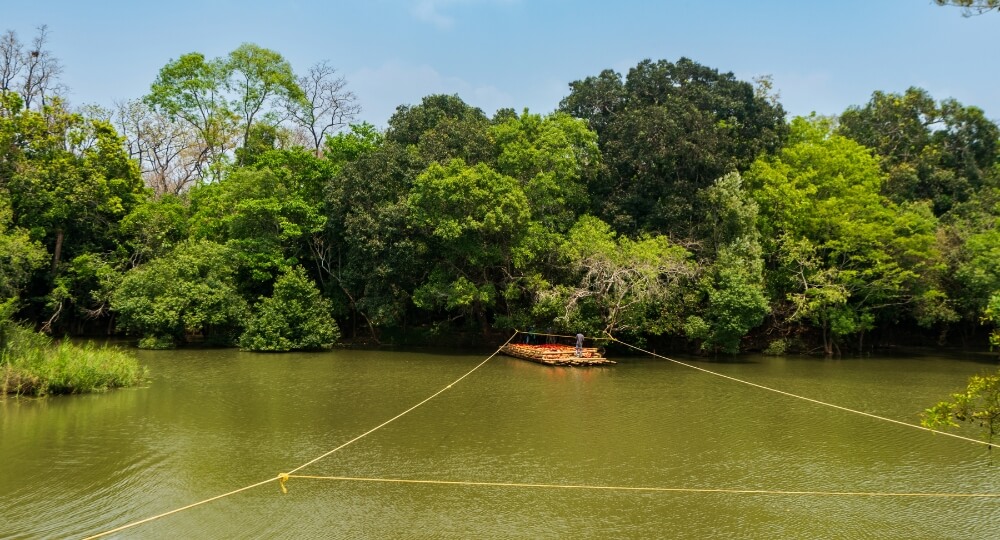
Kuruvadweep in Mananthavady is a group of islets situated in the middle of the Kabini River, renowned for its unique ecosystem, which comprises rare orchids, medicinal plants, birds, butterflies, and small mammals. It is every birdwatcher’s delight, as they can spot various avian species, including the Malabar hornbill, parrots, and kingfishers. As tourists, you can join a guided group trek through the forest and along the riverbank, enjoy bamboo rafting, kayaking, and paddling. Ticket fares vary depending on the activity chosen. Call us to learn more about the adventure activities included in your Wayanad tour packages.

Please let us know in advance if you’d like to include Kuruva Island in your itinerary, as only a limited number of visitors are allowed every day to minimise environmental impact, and prior booking is essential. Additionally, it remains closed during the monsoon season and during periods of heavy rainfall.

Pazhassi Raja Tomb

The Pazhassi Raja Tomb commemorates Kerala Varma Pazhassi Raja, a brave king of the Kottayam Royal Dynasty, who fought the British forces using the Wayanad forests as his base. The tomb is built on the site where his body was cremated. Ironically, it was constructed by the British, the very people whom Pazhassi Raja fiercely opposed. The memorial also hosts a museum which showcases an extensive collection of weapons, utensils, and other items belonging to the king.

Sultan Bathery

Earlier known as Ganapathivattom, Sultan Bathery gets its name from Tipu Sultan, the king of Mysore, who dumped his ammunition in an old Jain temple in the region. Sultan Bathery is the largest town in Wayanad and is known for its lush greenery, jungle trails, hidden streams, and beautiful homes built by settlers who came here for the plantation trade. The town is famous for the Edakkal Caves and a 13th-century Jain temple believed to be the oldest in Kerala. It is also home to several popular viewpoints, like the Neelimala Viewpoint and the Chethalayam Falls.

Pakshipathalam Sanctuary

The Pakshipathalam Bird Sanctuary derives its name from the diverse birds that serve as a habitat for various bird species, situated amid the Brahmagiri Hills. Pakshipathalam is even mentioned in the Mahabharata – the Pandavas are said to have used the caves here. It is also believed that Garuda, the king of birds, stands guard in the region. To visit Pakshipathalam, one must trek for 3 to 4 hours, passing through deciduous forests and steep hills. The sanctuary is home to several rare birds, including the edible-nest swiftlet, the Asian fairy bluebird, the paradise flycatcher, the emerald dove, and the gold-fronted leafbird. You can spot these birds from a watchtower built explicitly for this purpose and set amidst the thick forests. Don’t forget to explore the many animals, including the Malabar squirrel, civets, and elephants.

Call us at +91 9940882200 to learn more about our Wayanad tour packages.
Kalpetta

This beautiful town is the headquarters of the Wayanad district and is famous for its coffee, tea, and spice plantations. The town once had a significant Jain influence, with the Ananthanatha Swami temple located initially here before it was relocated to Puliyur Mala. Some of the tourist attractions situated in and around Kalpetta include Karapuzha Dam, Kanthanpara Waterfalls, and the Neelimala Viewpoint.

Vythiri

Vythiri is a popular yet quiet hill station in Wayanad, featuring very few resorts and old-style cottages. There are also a few tree lodges in the town offering a panoramic view of the forest from close quarters. The area is also renowned for its plantations and evergreen forests, which are home to a large number of migratory birds. Vythiri offers numerous recreational activities to enjoy, including boating, fishing, and trekking. Popular tourist attractions within and around Vythiri include Edakkal Caves, Soochipara Falls, Pookode Lake, and Chembra Peak.

Call us at +91 9940882200 to learn more about our Wayanad tour packages.
Mananthavady

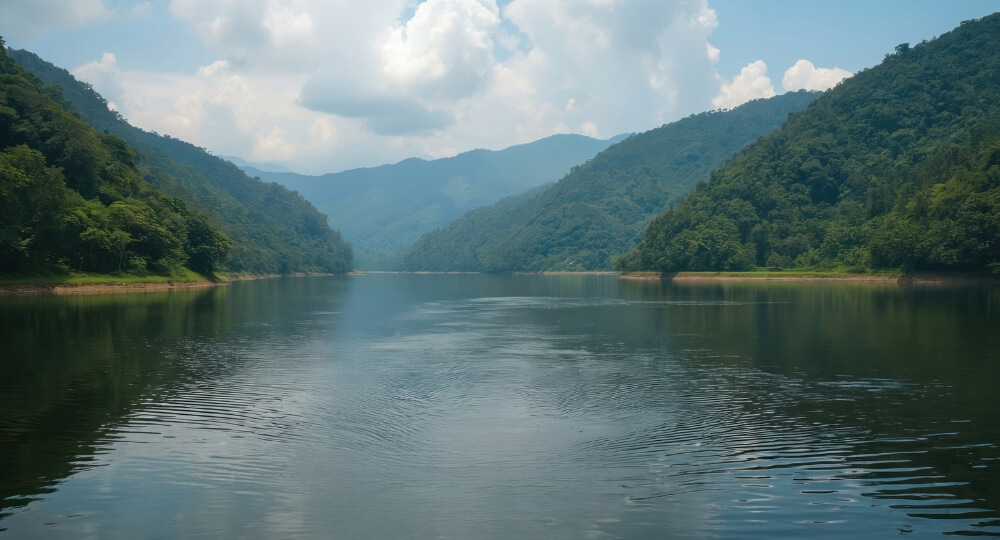
Mananthavady is the third-largest town in Wayanad, famous for its association with Kerala Veera Varma Pazhassi Raja. This picturesque place is renowned for its lush greenery and serves as the base for exploring the Kuruva Island and the Wayanad Wildlife Sanctuary. It is close to the Thirunelli Temple and is surrounded by the Kambalamala, Karimala, and Varadiga peaks.

Different Viewpoints

Surrounded by the Western Ghats, it is no surprise that Wayanad is home to several magical viewpoints offering a panoramic view of the surrounding hills. The Lakkidi Viewpoint, also known as the Gateway to Wayanad, attracts hundreds of visitors daily.

The Sunrise Valley Point is one of the most beautiful locations offering a lovely view of the surrounding hills.

The Attamala Viewpoint is situated near the Soochipara Water and is highly recommended for nature lovers.

The Glass Bridge is another great tourist spot where you can walk on a glass bridge constructed 100 ft above the ground, offering a beautiful view of the thick forest canopy.

Some of the other viewpoints you can explore with your Wayanad tour packages include Kurumbalakota Peak, Phantom Rock, Neelimala Viewpoint, and Chembra Peak.

En Uru

En Ooru is a unique tribal heritage village in Pookode, showcasing tribal culture and providing insight into various aspects of their lives, including cuisine, art forms, handicrafts, products, and customs. The entire village, spanning 25 acres, is managed by the Department of Tourism and the Scheduled Tribe Development Board.

Kanthanpara Waterfalls

The Kanthanpara Falls is located close to Kalpetta and nestled in the middle of Wayanad’s rainforests. The journey to the waterfalls is equally charming as you travel across dense forests and thick plantations. The water cascades from about 100 ft, falling into a naturally formed pool where you can swim and bathe. Kanthanpara, being close to the Meppadi forest range, is home to several avian species, including the white-throated kingfisher and the white-cheeked barbet.

Wayanad Heritage Museum

The Wayanad Heritage Museum in Ambalavayal is one of Kerala’s most significant archaeological museums, showcasing artefacts dating back to the Neolithic Era. Other artefacts displayed here include hunting gear, headgear, fishing weapons, cowbells, and musical instruments of the indigenous tribals.

Call us at +91 9940882200 to learn more about our Wayanad tour packages.
Nearby Cities You Can Visit With Our Wayanad Tour Packages

Kozhikode

Famous For: Beaches, Waterfalls, Wildlife Sanctuaries, Museums, Spice Trade

Top Attractions: Kozhikode Beach, Kappad Beach, SM Street, Tali Shiva Temple, Pazhassi Raja Museum, Azhakodi Devi Temple, Kakkayam Dam

Coorg

Famous For: Plantations, Waterfalls, Scenic Viewpoints, Wildlife Sanctuaries, Monasteries

Top Attractions: Raja’s Seat, Abbey Falls, Dubare Elephant Camp, Talacauvery, Madikeri Fort, Kotebetta Peak, Honnamana Kere, Namdroling Monastery, Iruppu Falls, Tadiandamol Peak, Sakleshpur, Virajpet, Kabini

Bandipur

Famous For: Nature Park

Top Attractions: Bandipur National Park, Himavad Gopalswamy Temple, Moyar River

Nilgiris

Famous For: Hill Stations, Biosphere Reserve, Tea Plantations, Wildlife Sanctuaries

Top Attractions: Ooty, Conoor, Kothagiri, Doddabetta Peak, Mudumalai National Park, Mukurthi National Park, Ooty Lake, Pykara Waterfalls, Avalanche Lake, Rose Garden, Lovedale

Mysuru

Famous For: Temples, Palaces, Churches, Gardens, Zoo

Top Attractions: Mysore Palace, Chamundi Hill, Chamundeshwari Temple, Mysore Zoo, St.Philomena’s Church, Devaraja Market, Brindavan Garden

Kannur

Famous For: Handlooms, Folk Art, Beaches, Cuisine, Historical Monuments

Top Attractions: Payyambalam Beach, Muzhappilangad Beach, Thottada Beach, Meenkunnu Beach, Mopila Bay, Paithalmala, Ezhimala, Madayipara Arakkal Museum, Muthappan Temple

Call us at +91 9940882200 to learn more about our Wayanad tour packages.
Shopping

You cannot visit Wayanad without buying some of its rich produce, including spices such as black pepper, cardamom, vanilla, nutmeg, cinnamon, star anise, fresh ginger, and cloves. The turmeric here is known for its high curcumin content thanks to the fertile soil. However, we suggest you buy them from government co-ops and tribal co-ops to ensure their purity and quality.

Another product you must buy from Wayanad is the local GI-tagged Jeerakashala Rice. You can also purchase the Gandhakashala Rice, which emits a faint sandalwood fragrance.

Tea and coffee are also excellent souvenirs for friends and family. Local wild honey, bamboo products, wooden handicrafts, massage oils, essential oils, stoneware, tribal masks, and banana chips are just a few of the other products available for purchase in Wayanad.

Where to Buy

Some of the places where you can purchase the above souvenirs include the Kalpetta Market, which offers a variety of spices, honey, and local snacks; Sulthan Bathery, specialising in Ayurveda products; Thirunelli Market, featuring handmade crafts; and the Pookode Lake Market, offering a range of handicraft items, spices, and honey.

Call us or send a message on Instagram to customise your Wayanad tour package.

Dos and Don’ts of Visiting Wayanad

  • Do not litter in Wayanad as it is an ecologically sensitive place, especially in forest areas and water bodies.
  • Do not venture into wild forests and other restricted areas at night or without experienced guidance.
  • When visiting local temples, remember to dress modestly
  • Do not criticise local food culture, which could include eating non-vegetarian food, including beef.
  • While a lot of people speak some level of English and Malayalam, do not expect everyone to speak your language.
  • While there are plenty of Ayurveda spas, not all of them are genuine. We suggest you check the Green Leaf and Olive Leaf Accreditation for spas, introduced by the Kerala Tourism Department.
  • Similarly, buy spices from the government-owned spice outlets.
  • Wayanad is known for its religious harmony – do not discuss your religious or political ideologies with people.

Call us at +91 9940882200 to learn more about our Wayanad tour packages.

Food

Wayanadan cuisine is a blend of Malabari cuisine, local indigenous food habits, and cuisine influenced by neighbouring states of Karnataka and Tamil Nadu. However, Malabari food influences, especially those of the Moplah Muslim, dominate the region. While you will find Kerala staples like Puttu and Kadala Curry, as well as Appam with Stew, it is only around the Malabar region that you can find specialities like Chemmeen Puttu and Undaputtu. Similarly, coconut-based Malabar chicken curry and Egg Roast are served with Appam. In some places, you will also find the delicately flavoured Fish Molee served with Appam or Pathiri.

Must Try Food

Some of the dishes you must try with our Wayanad tour packages include:

  • Pothum Kaal: This dish is made by slow cooking beef leg in a lightly spiced broth and served with Appam or Pathiri.
  • Malabar Duck Roast: A slow-cooked duck curry in a lightly spiced gravy, reduced until the gravy clings to the meat.
  • Malabar Biryani: A dum-cooked biryani made using the local Jeerakashala or Gandhakashala rice. Unlike other biryanis, it is mildly spiced.
  • Chattipatri: An Indian and dessert version of lasagna made using thin flour pancakes layered with nuts and raisins. There’s also a savoury version where the pancakes are layered with chicken or minced meat.
  • Unnakaya: This deep-fried snack is made from ripe plantains that are mashed and filled with grated coconut and raisins.
  • Kilikoodu: This is a Moplah cuisine speciality, getting its name from its appearance, which resembles a sparrow’s nest. It is made using spiced potatoes and deep-fried in a coating of vermicelli.
  • Mulayari Payasam: This dessert is made using distinct bamboo rice, a prized ingredient collected by the tribals of Wayanad when the bamboo plants flower only once in their lifetime. The rice is cooked in coconut milk and sweetened with jaggery.
  • Chemeen Puttu: A unique puttu made by layering a spicy prawn masala with rice and a coconut mixture.

Art and Culture

Wayanad’s art and culture are primarily influenced by the local indigenous tribes, who have created traditional handicrafts and art forms for centuries. For instance, Gandhika, a ritualistic dance performed by the Adiya community, is believed to cure people from illnesses and ensure the safe delivery of children during pregnancy.

The locals are also known for their bamboo crafts, where women have been fashioning long-lasting woven baskets and furniture from bamboo. Wood carving is also a popular craft, along with pottery.

The tribals have a rich tradition of dance and music, performing Nadodi Nritham, a tribal dance that tells the story of their ancestors.

Call us at +91 9940882200 to learn more about our Wayanad tour packages.

View All Wayanad Tour Packages

Travel Tips

visa_information_icon

Visa Information

Check visa requirements before traveling, ensuring a smooth entry and compliance with destination regulations.

health and safety tips icon

Health and Safety Tips

Prioritize health, stay hydrated, follow safety guidelines, and maintain personal hygiene for a secure journey.

currency and tipping icon

Currency and Tipping

Familiarize with local currency, consider customary tipping practices for respectful and seamless travel experiences.

Share Your Ideal Tour: Let Us Customize!

FAQs:

What is the best time to choose Wayanad tour packages?
Winter, specifically from October to February, is the best time to choose Wayanad tour packages.
How many days do you need to explore Wayanad?
We suggest 3-4 days of Wayanad tour packages to explore the city’s main tourist attractions, including waterfalls and wildlife sanctuaries.
Which is the nearest city to Wayanad?
Kozhikode is the closest major city to Wayanad.
Is Wayanad safe?
Yes, Wayanad is a very safe place for women and solo travellers.
What are the main attractions in Wayanad?
Wayanad is renowned for its lush greenery, diverse wildlife sanctuaries, caves, serene lakes, picturesque islands, and stunning waterfalls.
Do you offer EMI options for Wayanad tour packages?
We offer EMI options on select tour packages. Call us at +91 9940882200 or send a message on Instagram to learn more about payment plans.
What does your Wayanad tour package include?
Our all-inclusive Wayanad tour packages include accommodation, transfers, sightseeing, tickets for select activities, a tour guide, local transportation, and more. For a complete list of inclusions, call us at +91 9940882200.
Can I customise my Wayanad tour packages?
Yes, you can customise group and individual tour packages to match your budget and travel plans.
What is the average temperature in Wayanad?
The annual average temperature in Wayanad varies from 20°C to 26°C. Sometimes, the temperatures can drop up to 10°C.
What are the popular souvenirs to buy from Wayanad?
Popular souvenirs to buy from Wayanad include spices, Eucalyptus oil, tea and coffee, honey, and essential oils.

Book Your Dream Vacay Today!

=

×

Enquire Now

=