3

Tour Packages

Madurai Tour Packages

Cultural Capital of Tamil Nadu

SUPER DEAL PRICE

STARTS FROM

per person on twin sharing
Time Zone:
Temple City of Tamil Nadu: Madurai
South India’s No.1 Travel Brand
Meenakshi Amman Temple
One of India’s greatest temples
November - February
Best Time to Visit Madurai
Thirumalai Nayakkar Mahal
Historic palace with grand architecture
Tamil, English
Languages Speaking
Essential Tips for Travelling to Madurai
ATMs

ATMs are widely available across the city.

Credit Cards

Cash and UPI are widely accepted in most places.

Bank

Banking services are easily available.

Drinking

The legal drinking age in Madurai is 21.

Safest

Residents are known for their warm hospitality.

Madurai - Overview
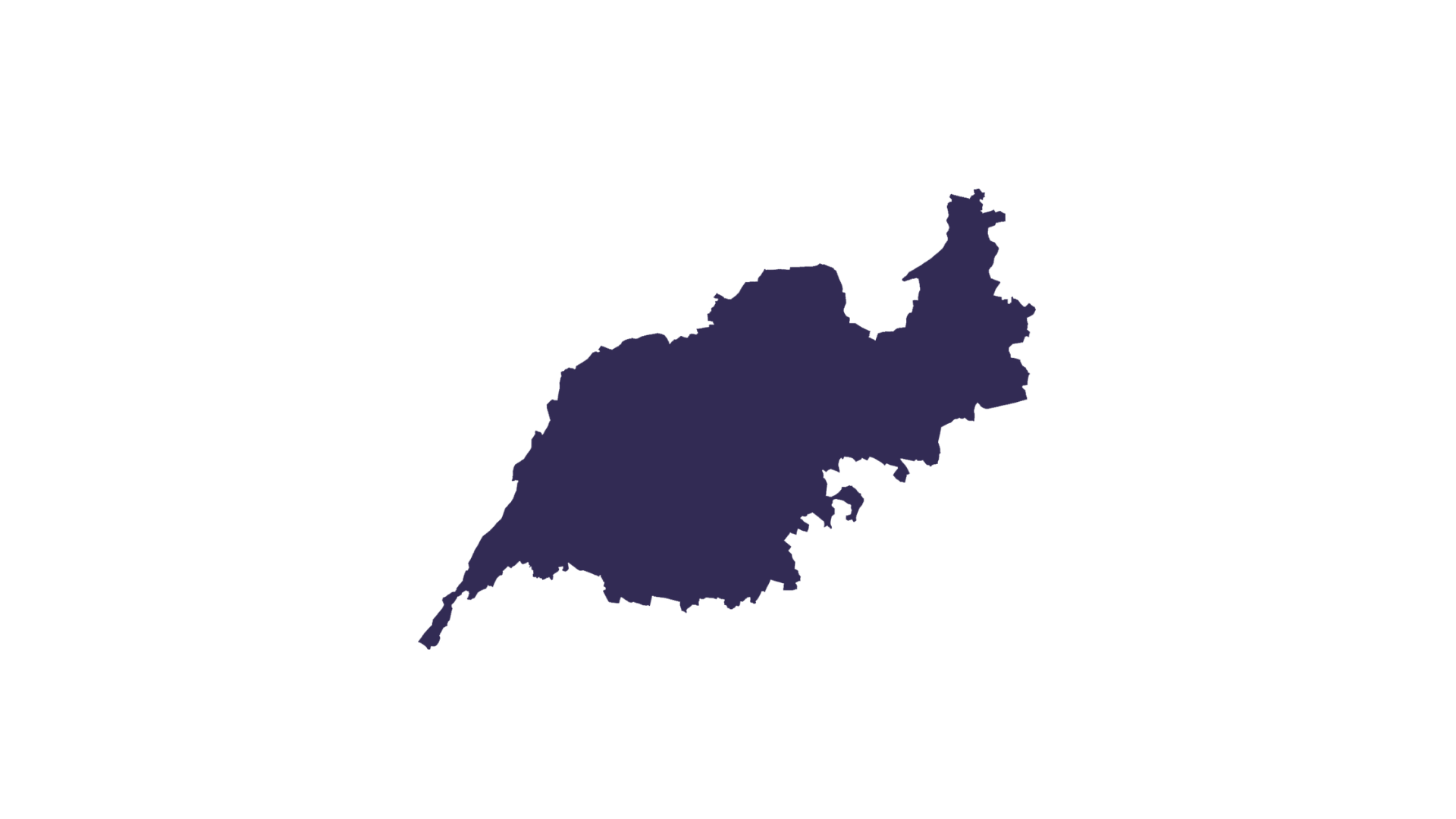
madurai map

By Purpose

tour package tourism

Couples

For Newlywed Vacations

tour packages business

Family

For Family Vacations

Top Attractions and Nearby Sights

Samanar Hills

Alagar Kovil

Idaikattur Church

St. Mary’s Cathedral

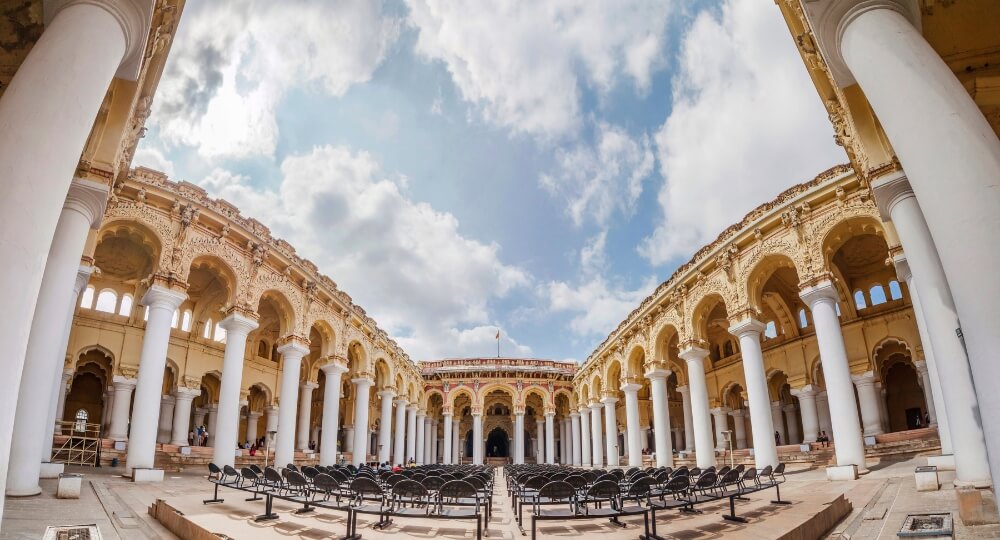
Thirumalai Nayakkar Mahal

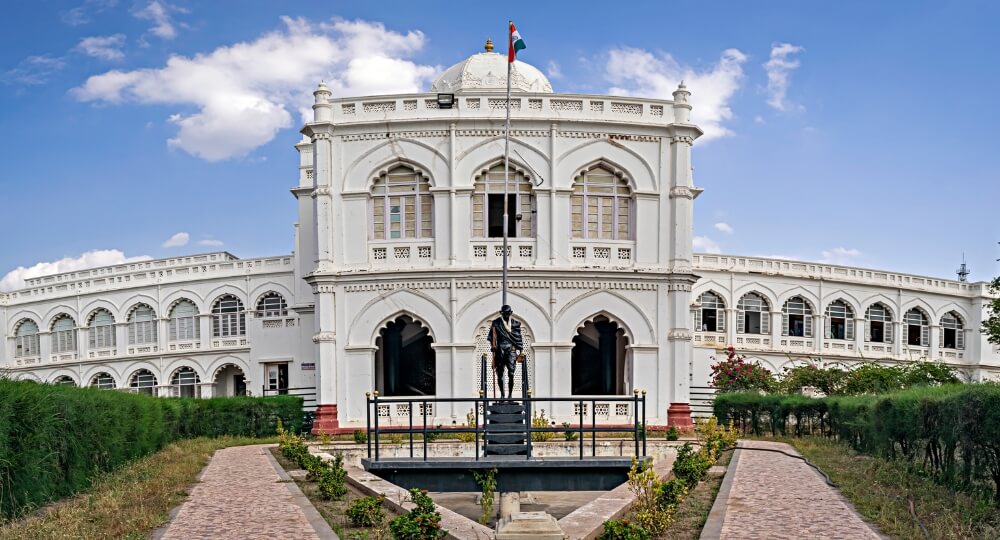
Gandhi Memorial Museum

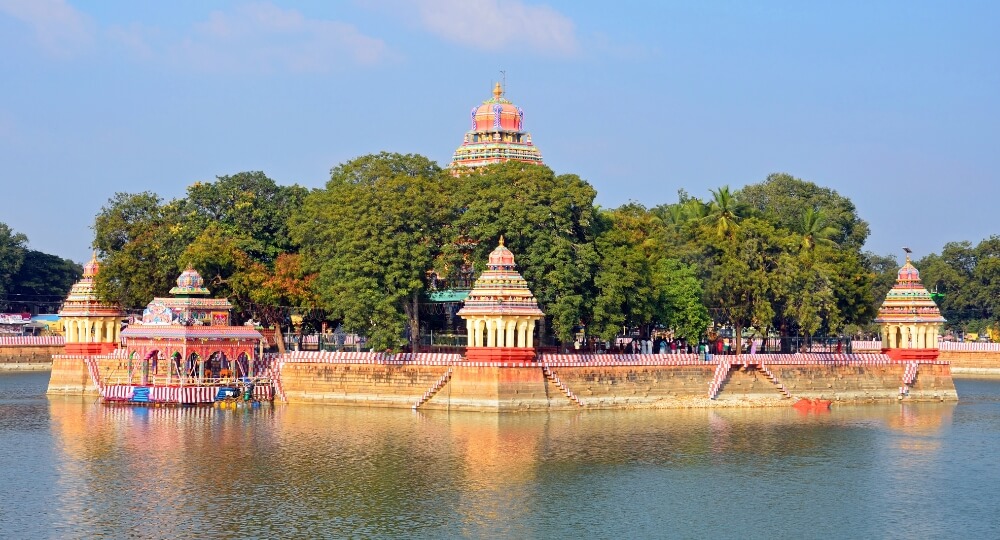
Vandiyur Mariamman Teppakulam

Koodal Azhagar Temple

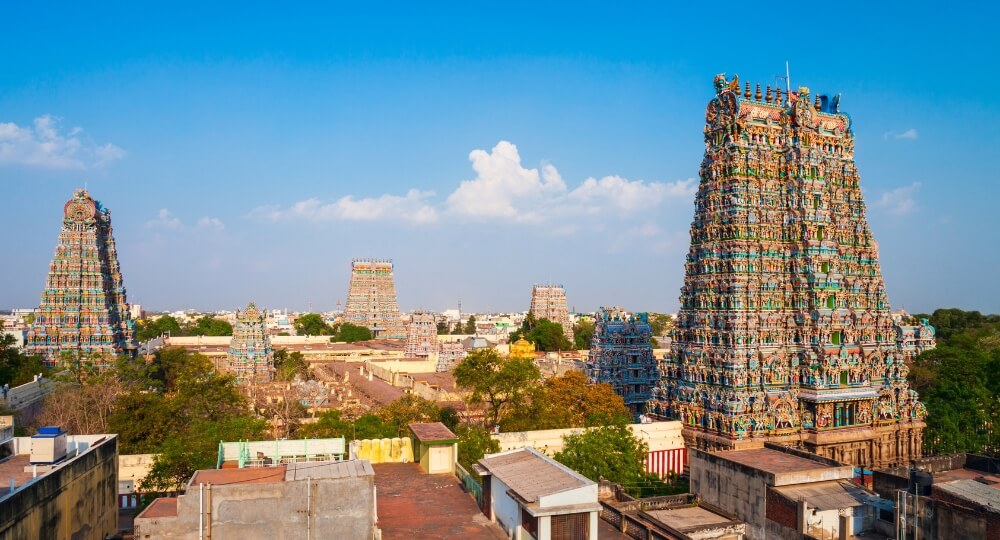
Meenakshi Amman Temple

Thirupparankundram Murugan Temple

Pazhamudhircholai Murugan Temple

Narasingam Yoga Narasimha Temple

Everything You Need to Know About Madurai

Tamil Nadu’s cultural capital, Madurai, is an emotion. Every nook and corner of this magnificent city narrates the story of its glorious past. Often called the Athens of the East, Madurai is among India’s oldest continuously inhabited cities. At the heart of this magnificent city is the Meenakshi Amman Temple – it is not only the physical centre but also the emotional epicentre of its people. People in Madurai often consider Meenakshi their divine ruler and protector, and consider the deity a family member. To truly understand what Madurai is to the people of Tamil Nadu, you must visit the city at least once in your lifetime. If you’d like to experience Madurai and learn what makes it so unique, call us to book our Madurai tour packages.

Table of Content:

About Madurai

Madurai goes by various names – The Athens of the East, Thoonga Nagaram (City that Never Sleeps), Temple City, and Malligai Maanagaram (the City of Jasmine). Located on the banks of the Vaigai River, it is one of the oldest continuously inhabited cities in the world. The Meenakshi Amman Temple serves as the city’s physical and emotional centre, and locals consider the deity their divine ruler.

Madurai is derived from Mathuram, meaning sweetness, probably referring to a legend that Lord Shiva once showered the city with nectar. It is also called Koodal, referring to the Tamil Sangams (conferences) held during the Sangam Era.

The city’s ancient temples aren’t the only reason you must explore Madurai. Its bustling markets, lively festivals, delectable cuisine, and interesting culture make for an interesting visit. If you’d like to experience the city like never before, check out our Madurai tour packages.

History

Madurai is among India’s oldest continuously inhabited cities, with a recorded history that dates to the 3rd century BCE. The Keezhadi excavations point to an advanced urban settlement not far from Madurai, dating back to the 6th century BCE. This early Sangam era city was industrial, literate, and had advanced drainage systems. Madurai has been mentioned in several works of the Sangam Era, including Silapathikaram (5th or 6th century BCE), Paripadal (3rd or 4th century BCE), and Madurai Kanchi (3rd century BCE). Documented archaeological evidence points to an established trade relationship with Roman and Greek civilisations (called Yavanas in ancient Tamil literature) and with the Arabs. Goods such as rubies and pearls were traded for wine, horses, and other such exotic items.

Madurai has always been the domain of the Pandyas, including the early Pandyas, until the 3rd century, when the Kalabhras conquered the city. Over the years, the city has been ruled by several dynasties, including the Cholas, Delhi and Madurai Sultanates, the Vijayanagara Kings, and the Nayakars, who ruled until it finally went to the British.

Geography

Madurai has a hot, semi-arid climate with high temperatures year-round, interrupted by the monsoon from October to December. This landlocked city shares borders with Dindigul and Trichy in the north, Sivaganga in the east, Virudhunagar in the south, and Theni in the west. Madurai is surrounded by three hills, Aanamalai, Pasumalai, and Nagamalai and is divided by the Vaigai River, which is also its primary water source. The city experiences a dry, hot climate, with very mild winters in December and January.

Economy

While Madurai is known for its temples and culture, it is also a modern industrial city with manufacturing industries. The city is a commercial hub in Southern Tamil Nadu and is known for its textile industry, which exports high-quality cotton worldwide. The city is also known for its educational institutions, including prestigious colleges such as Thiagarajar College of Engineering and the American College, which attract students from across the state.

People from surrounding districts also visit Madurai for its excellent medical infrastructure, thanks to hospitals such as Meenakshi Mission and Apollo.

Tidbits About Madurai

  • Madurai is one of India’s oldest continuously inhabited cities, dating back to the 6th century BCE.
  • It is also one of the oldest cities with an unbroken linguistic tradition – the Keezhadi Site near Madurai contains artefacts with Tamil Brahmi script, which can be understood even today.
  • Madurai is considered the Seat of Tamil Literature – it is believed that 3 consecutive Tamil Sangams were held here.
  • It is mentioned in several Sangam Literature epics like Silappathikaram and Purananuru.
  • The Meenakshi Amman Temple is the physical and spiritual centre of Madurai – the city radiates outward in concentric rings.
  • The Chithirai Thiruvizha is the largest and longest gathering in South India, often compared to the Kumbh Mela of the North.

Things to know Before Booking Madurai Tour Packages

  • Heat is a major factor when deciding on booking Madurai tour packages. Temperatures can exceed 40°C during peak summer, making it very difficult to explore the city.
  • Remember to pack traditional Indian clothes, as short dresses and jeans are not allowed within the temple.
  • Carry a good sunscreen, irrespective of the season. Also, carry hats, umbrellas, and walking shoes as you may need to walk a lot, especially around the Meenakshi Temple.
  • Stick to bottled water when trying street food – while the food is hot and freshly cooked, water is often sourced from the ground and is highly saline.
  • Check with your tour managers about the nearby cities that you can include in the Madurai tour packages itinerary.

Madurai At A Glance

Category Details
State Tamil Nadu
High Season November to February
Languages Spoken Tamil, English
Famous Tourist Attractions Meenakshi Amman Temple, Koodal Alaghar Temple, Thirumalai Nayak Palace, Thiruparakundram Murugan Teppakulam, Gandhi Memorial Museum, Vandiyur Mariamman Temple, Samanar Temple, Alaghar Temple, Pazhamudhir Solai Temple, Idaikattur Church, Saint Mary’s Cathedral
Things To Do Food Tours, Trekking, Customised Heritage Walk
Famous Food Jigarthanda, Paruthi Paal, Bun Parotta, Kari Dosai, Ayira Meen Kulambu, Kalakki, Mutton Chukka, Kola Urundai
Souvenirs To Buy Kumkum, Sandal Paste (from Maalai Konar), Jasmine, Wooden Toys, Sungudi Sarees, Kayali (Lungi), Golu Dolls, Bangles

Top Reasons To Choose Madurai Tour Packages

Temples

Unlike in the north, where you will find impregnable forts and beautiful palaces, South India is known for its ancient, massive temples that often span several acres. This is because the South Indian rulers believed in building temples for posterity rather than spending on palaces that could always be destroyed by invading armies.

This couldn’t be truer of Madurai, known for its grand places of worship, earning it the sobriquet Temple City. And the jewel on this crown is the Madurai Meenakshi Amman Temple, dedicated to Goddess Meenakshi, believed to be an incarnation of Goddess Parvathi, and considered to be Madurai’s divine ruler. In fact, the entire city of Madurai is built around the Meenakshi Amman Temple.

Lord Kallazhagar’s fame in Madurai is second only to Goddess Meenakshi. He is considered an incarnation of Lord Vishnu and is believed to be Meenakshi’s sister. During the Chithirai Thiruvizha, Lord Kallazhagar descends from Alagar Kovil to bless his sister and then enters the Vaigai River. This event is one of the main attractions of the festivals and is called Azhagar Atril Eranguthal.

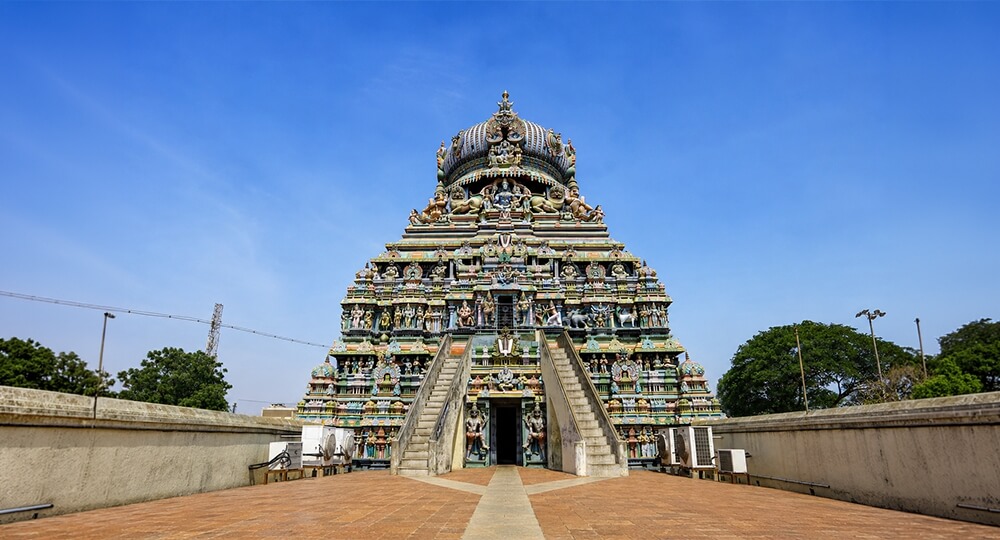
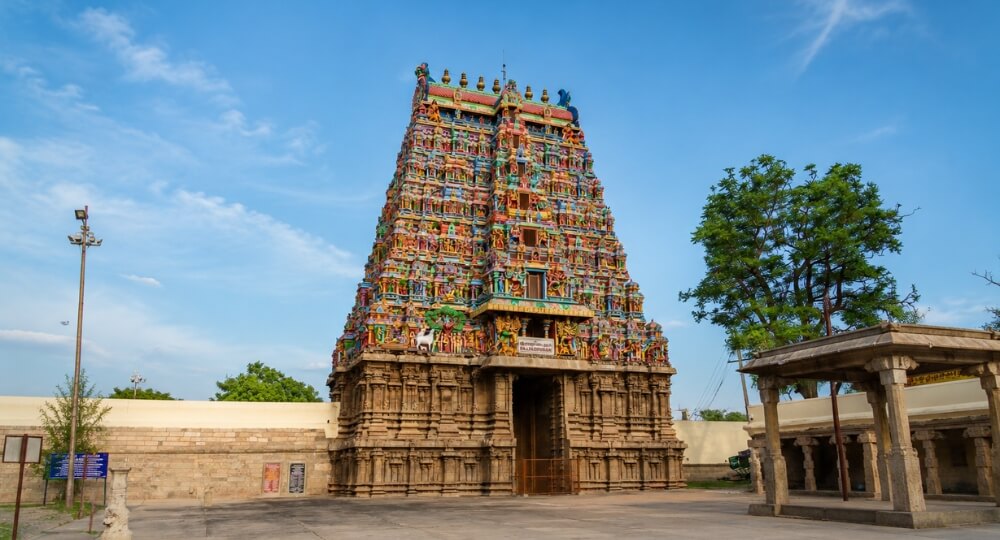
The Koodal Azhagar Temple in the heart of Madurai city is another popular temple dedicated to Lord Alaghar. The temple is famed for its huge Rajagopuram and intricate architecture, built by the Pandyas and later renovated by the Nayakars.

Thiruparankundram, a town in Madurai, is famous for the Subramaniya Swamy Temple, considered one of the six holy abodes of Lord Murugan. It is here that Lord Murugan married Deivayanai, and hence, it is considered the best place for young couples to marry.

Pazhamudhirsolai, another of Lord Murugan’s abodes, is only 30 kms from Madurai. This famous temple is also known for Noopura Ganga, a perennial spring with medicinal properties.

Another of Madurai’s famous landmarks is the Vandiyur Mariamman Temple Teppakulam, built by Thirumalai Nayak in the 17th century. The 16-acre temple tank hosts the Teppotsavam every year.

There are several other temples you must visit when in Madurai, including the Thirumohur Kalamegaperumal Temple, the Immayilum Nanmai Tharuvar Sivan Temple, and the Madana Gopala Swamy Temple. Call us at xxx to include these temples in your Madurai tour packages.

Cultural Events

Madurai is often called the cultural capital of Tamil Nadu because of the diverse cultural festivals celebrated since ancient times. The Chithirai Festival, held in the Tamil month of Chithirai, is the grandest of all and certainly the most awaited. This 15-day festival includes several events, starting with the Kodi Yetram (flag hoisting to mark the start of the fest), followed by Meenakshi’s Pattabhishekam, Digvijayam, Thirukalyanam (celestial wedding), Therottam (grand procession of the newlywedded deities), Alagar Aatril Erangudal, and concluding with Ethir Seva (devotees welcoming Kallazhar, who returns from Madurai).

Pongal is celebrated across Tamil Nadu, but it gains a fever pitch in Madurai thanks to the region’s strong agrarian history. The highlight of the three-day festival is Jallikattu, a high-energy event that’s famously held in places like Alanganallur, Palamedu, and Avaniyapuram – all within the Madurai district.

While this may seem similar to the Spanish bullfight, during Jallikattu, the purpose of the event is only to subdue the animal, not kill it.

If you are visiting Madurai during Pongal, we suggest you include Jallikattu in your itinerary when booking Madurai tour packages. Besides witnessing the event, you can also enjoy folk dance and music performances such as Karagattam, Kummi, Mayilattam, Oyilattam, and Poi Kaal Kudhirai. Don’t miss competitions like Vazhuku Maram (climbing a slippery pole), Uriyadi (hitting a suspended pot blind folded and with a pole), and Silambattam.

Every year, during the Tamil month of Thai, the deities of Goddess Meenakshi and Lord Sundareswarar are brought out on a beautifully decorated raft and carried across the Vandiyur Mariamman Temple tank (Teppakulam) by devotees. The festival dates to the 17th century and coincides with the birth anniversary of Thirumalai Nayak, the erstwhile ruler of Madurai.

Vasanthotsavam is another festival associated with the Meenakshi Amman Temple, held to welcome spring. Celebrated in the Tamil month of Vaikasi, the festival involves cooling the deities with medicated concoctions and performing specific rituals.

The Aavani Festival, celebrated in the Tamil month of Avani, commemorates the stories and legends from the classic book Thiruvilayadal, a collection of stories related to Lord Shiva and detailing his miracles.

Food

No other city in Tamil Nadu celebrates food as much as Madurai. The city is famous for its messes, or small hole-in-the-wall eateries that have been serving their specialities for centuries. Some of these messes are multi-generational and very proud of their culinary heritage.

Madurai cuisine is marked by its street food, which is spicy, aromatic, and bursting with flavours. Some of the city’s iconic dishes, like Kari Dosa, Kalakki, Mutton Chukka, Ellumbu Roast, Nandu Omelette, and bun Parotta, are known for their generous use of oil, chilli, and pepper.

And to balance the heat, you can sample some of Madurai’s iconic beverages like the Jigarthanda and Paruthi Paal.

The city’s vegetarian fare is as iconic as its non-veg staples. For instance, Murugan Idli is one of Madurai’s most famous shops, selling delectable Sambar and piping-hot idlis for decades.

Madurai’s cuisine incorporates influences from the diverse range of communities that have settled here. For instance, the Sourashtra community is known for its Bairi, Kalkandu Saadam, and the Roti Halwa. The region’s Chettinadu influences are evident in the use of certain spices, such as Kalpasi and Marathi Moggu.

Shopping

As Tamil Nadu’s second-largest city, Madurai offers plenty of shopping options, ranging from busy and ancient bylanes to swanky malls. Madurai stands out from other cities that offer generic commodities; it is celebrated for its distinctive, traditional items you won’t find anywhere else.

Even wandering through its crowded, historic markets offers insight into Madurai’s living heritage. For instance, many streets are named after the nature of their business. For instance, Valayal Kaara Theru is famous for its bangles, while Nagaikadai Theru is known for its streets lined with jewellery stores. Similarly, Pathirakaarar Theru is famous for utensils, and Nell Pettai is full of wholesalers selling rice.

Some streets are named after a landmark in that area. For instance, Vilakkuthoon Market is named after a tall lamp post that was erected in the 1840s. Similarly, Pudhu Mandapam is named so because it was a later addition to an already existing temple infrastructure.

Another interesting feature of Madurai’s markets is that they are designed in concentric squares and named after different Tamil months. The first of these concentric squares is Aadhi Veedhi, reserved for devotees; the second is Chithirai Street; the third is Avani Moola Street; and the fourth is Masi Street. The British created the outermost boundary by pulling down the Nayakar fort wall and naming it Veli Street. Each of these streets has North, East, West, and South subdivisions.

Each of these streets is famous for its unique items. For instance, Pudhu Mandapam is known for its textile shops, while Chithirai Street is famous for antique brass and bronze items and unique pooja items.

Historic Places

As one of India’s oldest cities, Madurai has been at the centre of Tamil Nadu’s history and civilisation for over two millennia. The city was the capital of the Pandyas and the Nayakars, and was ruled by the Cholas, Delhi and Madurai Sultanates, the Vijayanagara kings, and finally by the English. Each of these contributed to the city’s architecture by commissioning palaces, buildings, markets, and bridges.

For instance, the Nayakar king, Thirumalai Nayak, commissioned the Thirumalai Nayak Palace in 1639. Located only 2km from the Meenakshi Amman Temple, the palace was once a colossal 20-acre property that combined Dravidian and Islamic architecture. Today, only 25% of the original building remains, yet it leaves visitors dumbfounded by the humongous pillars.

The Samanar Hills are one of the many Jain caves carved across the erstwhile Pandya kingdom. Located a few kilometres from Madurai in Keelakuyilkudi village, it is famous for its rock-cut sculptures of Jain Thirthankaras.

The 17th-century Tamukkam Palace, belonging to Rani Mangammal, the Queen Regent of the Nayakkar Kingdom, was converted into a museum and memorial for Mahatma Gandhi. Among other things, the museum contains the blood-stained robe of the Mahatma when he was assassinated.

The 13th-century Kasim Bazar Mosque is the oldest in Madurai and was built by Kazi Syed Tajuddin, a descendant of the Prophet Muhammad.

But one of the highlights of your Madurai tour packages is definitely the Keezhadi Archaeological Museum, located near the Keezhadi excavation site, where archaeologists have found evidence of a very ancient yet sophisticated urban society that thrived around 2,600 years ago.

Best Time To Choose Madurai Tour Packages

Madurai has a hot and dry climate with two distinct seasons – summer and monsoon. The city is generally pleasant between December and February, which is also considered peak tourist season. The climate is mostly hot and dry for most of the year, with high humidity in October and November, when the Northeast monsoon brings rain to the city. Read on to learn more about the different seasons and the best time to choose Madurai tour packages.

Summer (March to July)

While it is hot year-round, summers are especially hot, with average temperatures ranging from 35°C to 40 °C. During peak summer months, temperatures can reach 42°C, making it very difficult for tourists to explore places that require walking.

If you can tolerate the heat and not get overwhelmed by the crowd, we suggest you visit Madurai during summer to experience the annual Chithirai Thiruvizha, an 11-day festival that celebrates the wedding of Goddess Meenakshi with Sundareswarar, followed by the descent of Kazhallagar from the Azhagar Hills to Madurai and across the Vaigai River. Lakhs of people visit the city to witness the event and celebrate the wedding.

The summer season is also the best time to witness the Vaikasi Vasantha Utsavam, a 9-day festival during which the deities are seated on a swing in the Vasantha Mandapam to celebrate the arrival of spring.

Summer is the best time to choose Madurai tour packages if you’d like to experience the Chithirai Festival or the Vaikasi Vasantha Mahotsavam. But if you’re travelling to the city at any other time during summer, we suggest you avoid going out in the afternoon.

Monsoon (July to September & October to December)

Madurai experiences monsoon twice; it has moderate monsoon showers from July to the first few weeks of September when the Southwest monsoon clouds offer a little respite from the scorching sun. The average temperature during these months ranges from 29°C to 32°C, with humidity at around 70%. While it is humid, the occasional showers help cool the winds, making it pleasant. It is not the best time to choose Madurai tour packages because of the rains, but if you don’t mind them, go ahead and take advantage of the discounted hotel prices and ticket prices. The rain also makes it ideal for nature enthusiasts to admire the natural splendour of places around Madurai.

While there aren’t many festivals to be celebrated in Madurai during the monsoon, you can witness the Aadi Perukku along the Vaigai River. However, Adi Perukku celebrations are central to the Cauvery Delta districts of Trichy, Erode, Salem, and Karur.

While Madurai doesn’t have a typical winter season, the climate is pleasant and inviting between December and February, when temperatures range from 26°C to 30°C. It is also the best time to book Madurai tour packages.

Some of the festivals you can celebrate in winter are the Theppotsavam and Pongal. The famous Jallikattu or the Bull Taming Festival is also held during this season, coinciding with Pongal. The best places to witness Jallikattu are Alanganallur, Palamedu, and Avaniyapuram in the Madurai district.

Top Tourist Attractions In Madurai

Meenakshi Amman Temple

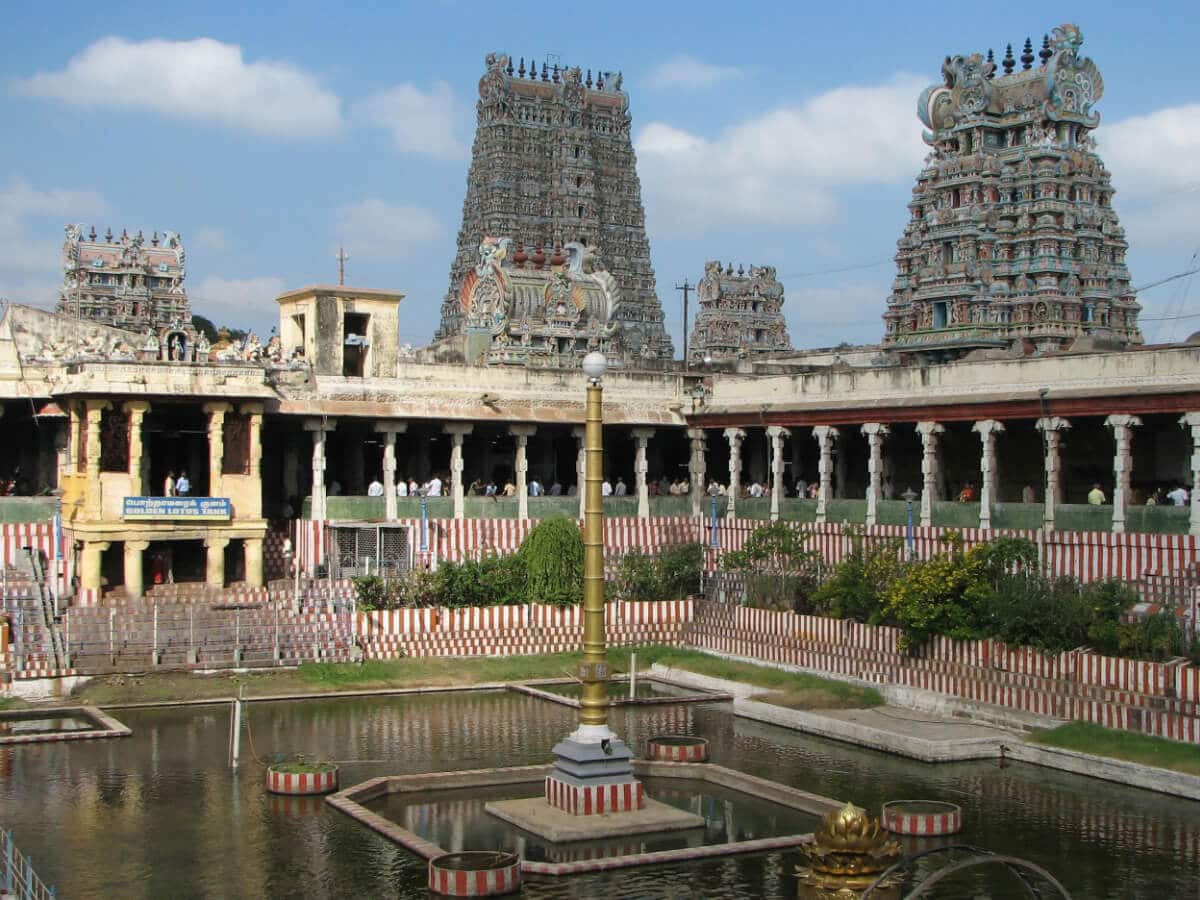
The Meenakshi Amman Temple is dedicated to Goddess Meenakshi, who is believed to have once ruled as a Pandya princess. She was born as Thadathagai to Pandya King Malayadhwaya Pandya and Queen Kanchanamala. She married Lord Sundareswarar, an incarnation of Lord Shiva, and ruled along with him. While the temple’s origins are rooted in antiquity, it was mentioned in Sangam literature from the 6th century CE.

Some of the features that make the temple unique are the fourteen gigantic Gopurams adorned with stucco images of various Hindu deities depicting stories from ancient texts like the Puranas, and the Ayiram Kaal Mandapam, or the 1000 Pillared Hall, which features 985 carved pillars. The Porthamarai Kulam or the Golden Lotus Pond is equally striking.
\

Alagar Kovil Kallazhagar Temple

The Kallazhagar Temple in Alagar Kovil is dedicated to an incarnation of Lord Vishnu. Here, he is called Kallazhagar, meaning beautiful thief, as the beautiful deity who steals the hearts of his devotees. He is considered to be Goddess Meenakshi’s brother and visits every year during the Chithirai Thiruvizha to attend Meenakshi’s wedding to Lord Shiva, but returns midway when he finds that he is late for the wedding.

The temple is over 1000 years old and is mentioned in several ancient hymns. The early Pandya kings built it, and the Nayakar rulers later restored it. Situated on the foothills of the Alagar Hills, one must climb steps to reach it.

Adjacent to the Kallazhagar Temple is the Pathinettampadi Karuppusamy Temple. The shrine is located within the main temple complex, and the deity is considered the guardian of Lord Kallazhagar.

Thiruparankundram Murugan Temple

This is one of the Arupadai Veedu, or the Holy Six Abodes of Lord Murugan, which represent important events in his life. It is Thiruparankundram that Lord Murugan married Deviyanai, the daughter of Lord Indra, after defeating Surapadman. The temple, located in Thiruparankundram, a town on the outskirts of Madurai, was built around the 8th century by the Pandya kings and later renovated by the Nayakar kings. However, legends related to the temple’s worship date back even before the temple was built.

The rock-cut temple features several life-sized sculptures of deities, along with giant statues of Nandi, the Peacock, and the Mouse, considered the vehicles of Lord Shiva, Lord Murugan, and Lord Ganesha, respectively.

Pazhamudircholai Murugan Temple

This is another of the Arupadai Veedu of Lord Murugan, located on the Solaimalai Hills, on the outskirts of Madurai. This temple is close to the Kallazhagar Temple in Alagar Kovil and is believed to have originally been located there, but was relocated by Thirumalai Nayak during his reign.

For centuries, a stone-carved Vel was worshipped as the deity, and is believed to symbolise Gnana Shakti, or the power of knowledge. The wooden idols of Lord Murugan with his consorts Valli and Deviyanai were installed later. It is only in Pazhamudircholai that Lord Murugan features with both his consorts. Another striking feature of the temple is the Naval tree (Malabar plum) associated with the legend of the Tamil saint Avvaiyar, which is revered and honoured.

Samanar Hills

Did you know that until the 12th century, Jainism was a highly influential religion in South India, where it was patronised by several dynasties? Jains were called Samanars in Tamil, a term referring to their ascetic tradition.
It flourished in Madurai too, under the patronage of the Pandyas. Jain monks built several religious centres and places of worship. The Samanar Hills is one such rock-cut religious centre carved by Jain monks, featuring caves, sculptures of Jain Tirthankaras, and stone beds.

The rock-cut caves contain Tamil-Brahmi inscriptions that could be over 2000 years old, describing the practices during that time.

St Mary's Cathedral

The Church of Our Lady of Dolour was built in 1841 by Father Garnier, who settled here with 30 sailor families who were ostracised by the West Pudupatti Church. This beautiful church features Gothic Revival architecture. St Mary’s Cathedral is now the seat of the Archdiocese of Madurai and is a prominent religious site for Catholics in Madurai.

Vandiyur Mariamman

The Vandiyur Mariamman Temple is an ancient place of worship dedicated to Goddess Mariamman, the traditional goddess of weather and fertility in rural Tamil Nadu. Locals believe that the 2000-year-old temple is the city’s guardian deity, capable of curing smallpox and chickenpox.

But what attracts visitors is the Theppakulam or temple tank adjacent to the temple. This 16-acre tank features a Mandapam with a temple dedicated to Lord Ganesha. It is believed that the idol was found when people were digging for sand to construct the Thirumalai Nayak Palace. Thirumalai Nayak, later, commissioned the tank, which now hosts the Theppotsavam Festival to commemorate his birth anniversary. During the festival, the procession idols of Meenakshi and Sundareswarar are placed on a floating platform.

Koodal Alagar Temple

The Koodal Alagar Temple’s history dates to antiquity and is mentioned in several ancient Tamil literary works, such as Paripadal and Silappadikaram. It was built by the Pandyas and later renovated by the Nayakars. The deity here, Lord Vishnu, is called Alaghar and was praised in Periyalwar’s famous hymn Thirupallandu. It was here that Periyalwar came to be known, as his original name was Vishnu Chittar, and was named so after Lord Vishnu himself. The temple’s highlight is the five-tiered Rajagopuram, which welcomes visitors.

Gandhi Memorial Museum

The Gandhi Memorial Museum is housed within the Tamukkam Palace, which once belonged to Rani Mangammal in the 17th century. The museum building also hosts a massive library with over 20,000 books and lakhs of letters written by and to Mahatma Gandhi. The open-air theatre within the building can accommodate over 8000 people. Among the significant things within the Museum is the blood-stained cloth of the Mahatma when he was shot.

Vilachery

This is a renowned heritage pottery village on the outskirts of Madurai, known for its clay and papier-mache dolls. The artisans here have been living here since the 1940s, making terracotta horses for people to offer to Ayyanar temples.
The dolls here are sold worldwide, especially during Navaratri, when Tamil women decorate their homes with Golu. Not just Hindus, even Christians buy dolls from Vilachery for their Christmas Nativity crib.

Thirumalai Nayakar Palace

The Thirumalai Nayakar Palace was built in the 17th century for Thirumalai Nayakar, one of the most powerful rulers of the Nayakar Dynasty. While only 25% of the palace still remains, the original palace was a massive complex spanning over 20 acres. The architecture is a blend of Dravidian and European styles and was an early example of the Indo-Saracenic style, popularised much later by the British.

The Palace is divided into Swarga Vilasam and Ranga Vilasam, the latter being the house of Thirumalai Nayak’s brother.

It is known for its humongous pillars, ornate stucco works, and the huge central dome.

Kalameghaperumal Temple

The Thirumohoor Kalameghaperumal Temple is dedicated to Lord Vishnu and is one of the 108 Divya Desams. The original complex was built around the 1st century CE, but renovated over the years by various Pandya kings, including Sadayavarman Sundara Pandyan.

Places Near Madurai You Must Visit With Your Madurai Tour Packages

Trichy

Famous For: Temples, Heritage Monuments, Cuisine

Top Tourist Attractions: Sri Ranganathaswamy Temple, Jambukeswarar Temple, Thayumanavar Temple, Rockfort Temple, Vayalur Murugan Temple, Kallanai Dam, Samayapuram Mariamman Temple.

Sivaganga

Famous For: Heritage Homes, Chettinad Culture, Historic Sites, Temples, Cuisine

Top Tourist Attractions: Chettiar Mansions, Sivagangai Fort, Marudupandiyar Memorial, Pillayarpatti Temple, Kundrakudi Murugan Temple, Idaikattur Church, Chettinad Cuisine, Karaikudi.

Palani

Famous For: Temples, Waterfalls, Scenic Views

Top Tourist Attractions: Dandayudapani Swami Temple, Kuthiraiyar Dam, Palar Dam, Palani Hills, Periyanayaki Amman Temple, Idumban Temple, Avinankudi Temple, Kannadi Perumal Temple.

Virudhunagar

Famous For: Temples, Food, Scenic Views, Dog Breeds

Top Tourist Attractions: Srivilliputhur Andal Temple, Irukankudi Mariamman Temple, Ayyanar Falls, Sanjeevi Hills, Kamarajar House.

Rameswaram

Famous For: Temples, Beaches, Wildlife, Land’s End

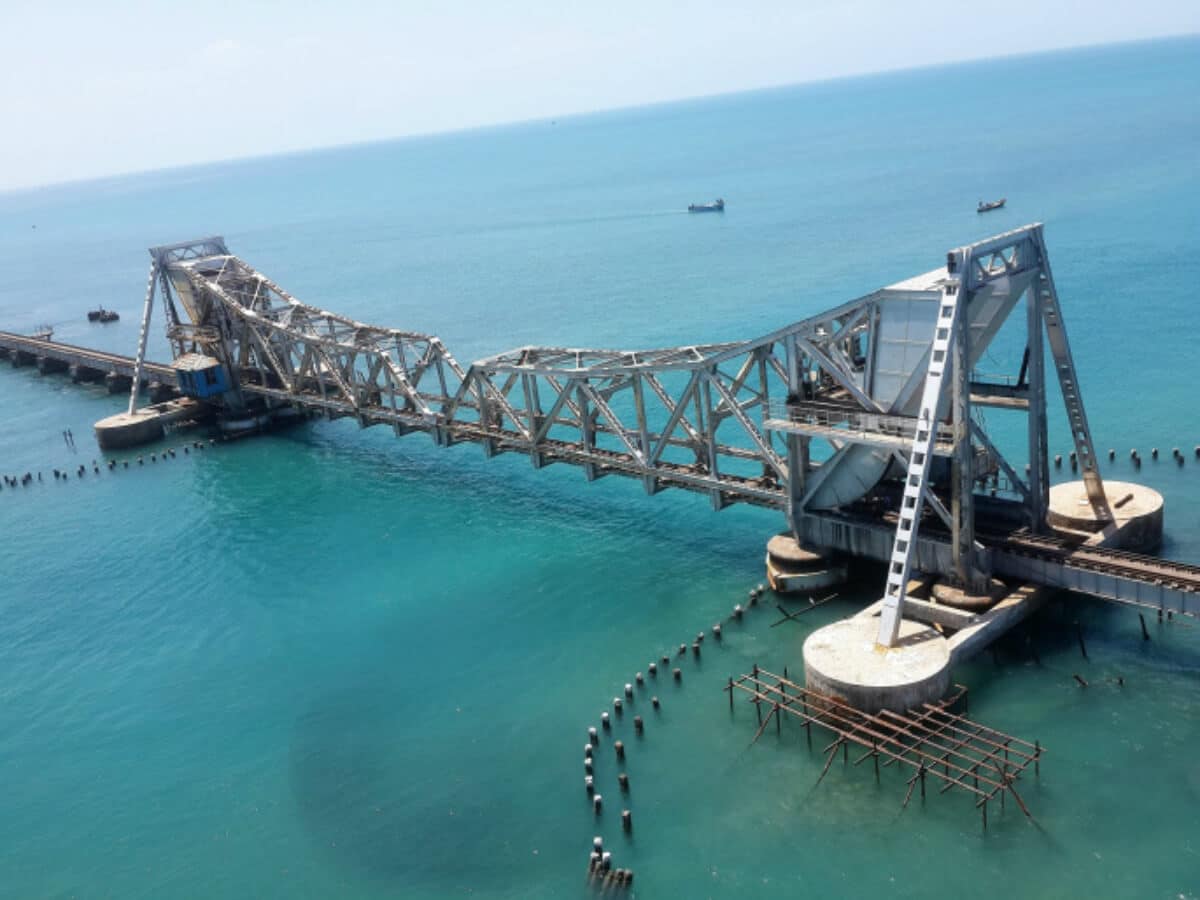
Top Tourist Attractions: Ramanathaswamy Temple, Kodanda Ramar Temple, Dhanushkodi, Pamban Bridge, Abdul Kalam Memorial, Ram Sethu, Kunthukal Beach, Ariyaman Beach.

Theni

Famous For: Scenic Views, Hill Stations, Plantations, Waterfalls, Dams, Temples

Top Tourist Attractions: Meghamalai, Kumily Hills, Suruli Falls, Kumbakarai Falls, Kolukkumalai, Gowriamman Temple, Kuchanur, Sothuparai, Kuchanur Saneeswaran Temple, Cumbum, Bodinayakanur.

Pollachi

Famous For: Coconut Farms, Scenic Views, Wildlife, Temples, Food

Top Tourist Attractions: Aliyar Dam, Singanallur Palace, Topslip, Monkey Falls, Valparai, Parambikulam Tiger Reserve, Masani Amman Temple, Pollachi Cattle Market, Anaimalai Tiger Reserve, Uthukuli Palace, Samathur Palace, Sethumadai.

Coimbatore

Famous For: Spirituality, Scenic Views, Food, Wildlife, Hill Stations

Top Tourist Attractions: Marudhamalai, Isha Yoga, Siruvani Waterfalls, Monkey Falls, Black Thunder, Valparai, Sholayar Dam, Indira Gandhi Wildlife Sanctuary.

Kodaikanal

Famous For: Hill Station, Scenic Views, Wildlife, Waterfalls

Top Tourist Attractions: Bryant Park, Kurunji Andavar Temple, Pine Forest, Coakers Walk, Pillars Road Rock, Guna Cave, Kodaikanal Lake, Silver Cascade Falls, Dolphin Nose, Poombparai, Thalaiyar Falls.

Munnar

Famous For: Hill Stations, Scenic Views, Wildlife, Plantations, Waterfalls

Top Tourist Attractions: Mattupetty Dam, Attukad Waterfalls, Eravikulam National Park, Top Station, Rose Garden, Kolukkumalai, Pothamedu Viewpoint, Kundala Viewpoint, Lockhart Gap View, Anamudi Peak, CSI Church, Tea Estates.

Thekkady

Famous For: Wildlife, Scenic View, Plantations, Eco Tourism

Top Tourist Attractions: Elephant Junction, Periyar National Park, Rose Park, Spice Plantation, Periyar River, Kumily, Mullaperiyar Dam, Kannagi Temple.

Kutralam

Famous For: Waterfalls, Scenic Views, Temples

Top Tourist Attractions: Five Falls, Main Falls, Old Falls, Small Falls, Tiger Falls, Honey Falls, Kutrala Natha Swamy Temple, Gundaru Dam, Chitra Sabhai Temple.

Dindigul

Famous For: Hill Station, Food, Historic Places

Top Tourist Attractions: Rock Fort, Begambur Big Mosque, Sirumalai, Kodaikanal, Palani Hills.

Thanjavur

Famous For: Temples, Palaces, Culture, Cuisine

Top Tourist Attractions: Brihadeeshwara Temple, Maratha Palace, Saraswati Library, Punnainallur Mariamman Temple, Airavatheeswara Temple, Sangeetha Mahal, Poondi Madha Kovil, Royal Palace Museum, Thanjavur Palace, Kallanai Dam.

Tirunelveli

Famous For: Temples, Waterfalls, Scenic Views, Wildlife, Food

Top Tourist Attractions: Nellaiappar Temple, Manjolai, Manimutharu Falls, Agasthiyar Falls, Kazhugumalai, Sivasailam, Papanasam, Kalakkad, Thalaiyanai Falls.

Tenkasi

Famous For: Waterfalls, Scenic Views, Temples, Food

Top Tourist Attractions: Sundarapandipuram, Kutralam, Kasi Viswanathar Temple, Mekkarai, Gundaru Dam, Shengottai, Kallidaikuruchi, Thirukurungudi Nambi Temple.

Pudukottai

Famous For: Fort, Historic Places, Wildlife, Food, Palaces, Museum

Top Tourist Attractions: Thirumayam Fort, Sittanavasal, Kudumiyamalai, Kanadukathan, Avudaiyar Kovil, Narthamalai, Athangudi Palace, Viralimalai Wildlife Sanctuary.

Shopping

Madurai has been a trade centre since ancient times, when the Romans, Arabs, Greeks, and the Chinese frequented the city to buy pearls, precious stones, spices, and textiles. Even today, you will find centuries-old markets bustling with shoppers buying brass sculptures, puja items, incense, textiles, and handicrafts.

While there are plenty of modern avenues like Madurai Mall, Vishal de Mal, and Milan’em, the city is known for its quintessential products from shops that have been here for over a hundred years. For instance, the Malai Konar shop in Keezha Avani Mula Street is famous for its sandalwood and Kumkum. While the sandalwood the shop receives as raw material is like any other sandalwood, what makes the final product so special is the perfumes added during the grinding process, which give the sandal its unique colour and aroma. The shop is also known for its unique Kumkum, rose water, and other puja items.

Another famous landmark in Madurai is Hajeemoosa, a retail store on Chithirai Street. Established in 1874, this shop is famous for its cotton Sungudi sarees and Kaithari Lungis (handloom Lungis).

If you are a fan of antique brass and bronze artefacts, head to Pudhu Mandapam. The original complex that stands opposite the Madurai Meenakshi Amman Temple is one of the city’s oldest and is believed to be over 400 years old. It is now under renovation and hence shifted to the nearby Kunnathur Chatiram.

Things to buy at Pudhu Mandapam: Brass and bronze antiques, handloom, vessels, handicrafts, puja items, and accessories. If you’ve purchased a saree and need the blouse stitched immediately, the tailors of Pudhu Mandapam are your best bet.

The Avani Moola Street is another ancient market street that encircles the Meenakshi Amman Temple. The most famous shop on the street is the 120-year-old Aathi Kalathu Original Nei Mittai Kadai, famous for its Wheat Halwa, Nei Mittai, Theratu Paal, Pakoda, and the unique Pottalam, a spicy potato masala paired with curd rice.

Things to buy at Avani Moola Street include Madurai Sungudi sarees, handicrafts, Kunnathur Kaili (handloom Lungi), and the traditional Madurai Naarmadi Dhotis.

Masi Street is another historic commercial hub encircling the Meenakshi Amman Temple. The street is always crowded, especially during Diwali, when people come here to shop. The most famous shop on Masi Street is the Murugan Idli Shop. It is the original Murugan Idli Shop, which started in 1965 as Murugan Coffee Nilayam.

Things you can buy at Masi Street include silk sarees, handloom textiles, traditional snacks, handicrafts, wooden toys, brass products, and bamboo artefacts.

Chithirai Street, another historic market around the Meenakshi Amman Temple, is the city’s most famous, as it is immediately next to the temple. While there are plenty of textile and handicraft stores in the street, Giri Traders is among the most visited for its spiritual books and other religious items.

There are several other famous streets known for selling unique souvenirs. Some of these street names are identified by their nature of business. For instance, Valayal Kaara Theru is dedicated to bangle sellers, while Nel Pettai is known for wholesale shops selling rice. And if you veer into Pathirakaara Theru, you can buy utensils. Chithirakaaru Theru is a street dedicated to artists, and Mettukara Theru is where musicians dwell.

Head to Simmakal Theru to buy books, including new and used ones, and to Vilachery to buy their famous clay and papier-mache dolls. And if you love flowers, head to Maattu Thavani. It is also the state’s largest wholesale banana market.

Food

Meenakshi Amman and food are two integral aspects of Madurai, making this ancient city the cultural capital of Tamil Nadu. The city is known for its love for spicy and flavourful street food – so much so, you can find food stalls serving hot piping idlis and parottas even in the dead of the night.
The regional specialities here are part of Pandiyanadu Cuisine, referring to the long association of the Pandiya kings with Madurai. Unlike other regions where cuisine is influenced by immigration, Madurai food is hyper-local, in the sense that it has spread to other regions rather than the other way round.

It is also in Madurai that the mess culture became famous, referring to small food stalls specialising in specific dishes. For instance, the highly popular Kari Dosai was invented by its founder at the Konar Mess in 1958.

Most of these messes are family-run and very hygienic. Not surprisingly, these families are very proud of their recipes.

Also, unlike other cities where restaurants offer only one side dish with Parotta, in Madurai, you will be offered at least three varieties of Salna. And of course, the Salna is unlimited.

Speaking of Parotta, Madurai food stalls have elevated the Parotta experience to a whole new level. From the tiny coin Parotta to the fluffy bun Parotta and the Ceylon Parotta, there are over a dozen varieties of this ubiquitous flat bread.

Try the Veechu Parotta, and you will be reminded of the North Indian Rumali Roti. If you love it stringy, try the Nool Parotta. If you are too lazy to tear the Parotta and dip it in Salna, try the Kothu Parotta or the wet and spongy Illai Parotta.

Madurai also fares well when it comes to street snacks. For instance, the streets of Madurai are famous for Bairi, a snack made from the leaves of the Indian Coral Tree (called Mullu Murungai in Tamil). The Mullu Murungai leaves are known to help with intestinal worms and treat digestive issues.

Another famous 4 pm snack in Madurai is bun butter jam. Another version of this is the Paal Bun, where a butter bun is toasted in milk until the milk is fully absorbed, then served piping hot. Keerai Vadai is another favourite evening snack along with Thattu Vadai and Chilly Bhajji.

If the heat gets too much to handle, cool yourself with Madurai’s famous Jigarthanda or Paruthi Paal. The latter is made from cottonseed and is known to boost immunity.

Another commonly found snack is tender coconut shoot, which is thinly sliced and sold with a drizzle of honey or sprinkling of sugar.

When it comes to non-vegetarian fare, Madurai cuisine is at a whole new level. Compared to poultry and fish, goat meat or mutton is a popular choice. Madurai people have been practising nose-to-tail eating long before the concept was a thing. Street food vendors have found unique ways to make offal dishes, using every part of the animal. Offal specialities like Ratha Poriyal (made from goat blood), Suvarotti (goat spleen), Kudal roast (goat spleen) and Moola Fry (made from goat brain) that would shock an average carnivore are staples in Madurai’s restaurants.

For instance, head to the iconic Amma Mess and you will be treated to a bone marrow omelette where the marrow is beaten with eggs and spices to prepare a silky, slightly gooey omelette.

Madurai cuisine is also enriched by the immigrant communities that have made home here. Besides Bairi, the Sourasthrians (immigrants from Saurashtra) are famous for their Sojji Appam and Kalkandu Saadham.

Some of Madurai’s Iconic Dishes And Restaurants You Must Visit With Your Madurai tour packages include:

Must Try Food

Jigarthanda

A sweet beverage that includes creamy milk, almond resin (called Badam Pisin), Nannari syrup (Sarsaparilla syrup), and ice cream.

Where to Try: Madurai Famous Jigarthanda

P.S: They have plenty of retail outlets across Madurai and Tamil Nadu. But the original shop is located on East Marrel Street Junction.

Paruthipaal

A health beverage made from cottonseed milk and mixed with jaggery and spices.

Where to Try: Santhanam Paruthi Paal Kadai, although they are available across the city.

Kari Dosa

A three-layered dosa consisting of a dosa, mutton gravy, and an omelette on top. Resembles Chicago-style deep-dish pizza, only spicy.

Where to Try: Arumugam Mess, Konar Mess, Amma Mess

Kalakki

Also called Vazhiyal, this is a soft and gooey omelette made by blending chicken or mutton gravy with eggs.

Where to Try: Plenty of places across Madurai.

Ayira Meen Kolambu

A spicy fish gravy made from the highly sought-after Indian Spiny Loach.

Where to Try: Chandran Mess, Kumar Mess, Amma Mess, Arumugam Mess, Saratha Mess

Crab Omelette

A spicy omelette made by blending cooked crab meat with eggs.

Where to Try: Kumar Mess, Amma Mess, Chandran Mess

Bun Parotta

A flat bread that is soft, flaky and resembles a bun

Where to Try: Madurai Bun Parotta Kadai. Apparently, this is where the dish was created. However, there are plenty of places that specialise in Bun Parotta.

Kola Urundai

Meatballs made by deep frying mutton blended with spices.

Where to Try: Kumar Mess, Chandran Mess, Amma Mess

There are plenty of other quintessential Madurai dishes served in its famous messes. Some of the city’s famous messes include Konar Mess, Amma Mess, Chandran Mess, Kumar Mess, Arumugam Mess, Amsavalli Mess and Janakiram Mess.

Idiyappam – String hoppers

Where to try: Burma Idiyappa Kada

And if you are craving for something sweet, head to the 70-year-old Prema Vilas for their Wheat Halwa.

Art and Culture

Madurai, being the cultural capital of Tamil Nadu, is the perfect example of cultural diversity and is home to a variety of folk dances and music. Dance forms like Oyilattam, Karagattam, Devarrattam, and Kolattam are commonly performed during temple festivals and Pongal. These dances are accompanied by musicians performing Naiyandi Melam.

Another popular folk dance is the Mayil Attam, in which performers dressed as peacocks dance during temple festivals to honour Lord Murugan. Kavadi Attam is another dance form to honour Lord Murugan.

Madurai is famous for Kummi, a traditional dance performed by women clapping rhythmically in a circle, often around Mulappari, an assortment of sprouted grains, representing fertility.

Poikaal Kuthirai, one of Tamil Nadu’s oldest folk dances, is performed throughout Madurai and its surrounding areas to honour Ayyanar, a guardian deity. This dance is famously mentioned in Silappadikaram, written in the 5th or 6th century.

Devarattam is still popularly performed by the Kambala people in Kodangipatti.

Madurai is famous for its Chithirai Thiruvizha, a 15-day festival celebrating the marriage of Goddess Meenakshi Amman to Lord Sundareswar. The accompanying dance and music when Lord Alagar enters the Vaigai River during the Chithirai Festival are a sight to behold and are witnessed by millions of people in Madurai.

Dos and Don’ts of Visiting Madurai

  • Do not insult or make fun of Madurai Meenakshi Amman. Locals believe her to be their eternal mother and deeply love her.
  • Do not visit Madurai during the Chithirai Thiruvizha if you are overwhelmed by crowds. Over a million people assemble for the annual festival.
  • Do not underestimate the Madurai sun. It can be unbearable, especially during the summer. Always carry bottled water with you.
  • Do not let the local slang fool you – Madurai people are known to be among the most helpful people, although their dialect is high-pitched and sounds aggressive.
  • Do not hire an auto for long-distance travel. Check with ride-hailing apps like Uber or Rapido.
  • Do not risk drinking tap water as the quality is always suspicious and often fetched from borewells. Stick to bottled water.

View All Madurai Tour Packages

Travel Tips

visa_information_icon

Visa Information

Check visa requirements before traveling, ensuring a smooth entry and compliance with destination regulations.

health and safety tips icon

Health and Safety Tips

Prioritize health, stay hydrated, follow safety guidelines, and maintain personal hygiene for a secure journey.

currency and tipping icon

Currency and Tipping

Familiarize with local currency, consider customary tipping practices for respectful and seamless travel experiences.

Share Your Ideal Tour: Let Us Customize!

FAQs:

What is the best time to choose Madurai tour packages?
The best time to visit Madurai is during the winter months, i.e., from December to February, when temperatures range from 20°C to 30°C.
Is Madurai a safe city?
Madurai is generally safe, but it is advisable to use common sense. Avoid travelling alone after dark and steer clear of crowded places.
How many days do I need to explore Madurai?
We suggest 2-3 days to explore Madurai and its surroundings. But if you need to explore nearby places, we suggest booking a 4-5-day Madurai tour package.
What souvenirs do I buy for friends and family from Madurai?
Authentic Madurai Sungudi sarees, bronze idols and sculptures, Sandal from Malai Konar shop, Kumkum from shops around Meenakshi Amman temple, jasmine flowers, etc., are some souvenirs you can buy from Madurai.
Is there a dress code one must follow when visiting the temples in Madurai?
While there is no dress code per se, devotees are expected to dress modestly, preferably in traditional Indian attire. Also, men are not allowed in the temple wearing a Lungi, Bermuda shorts, or shorts. The same goes for women. You must also remove your footwear, including socks. Also, cameras, mobile phones, large backpacks, etc., are not allowed inside the temple.
Can I customise my Madurai tour package?
Yes, you can always customise your Madurai tour package to include or exclude places from your itinerary.
What is special about Madurai cuisine?
Madurai is known for its vibrant, spicy, and flavourful street food culture. While meat features predominantly in their cuisine, the city also has its share of fabulous vegetarian dishes.
Does your Madurai tour package include Rameswaram as well?
Yes, most Madurai tour packages include a visit to Rameswaram, as it is only a 3-hour ride from the city. But if you do not want to visit the Rameswaram temple, we can customise a package exclusively for you.
How much do Madurai tour packages cost?
The cost of Madurai tour packages varies depending on the itinerary, the number of people in your group, and accommodation options.
How far is Rameswaram from Madurai?
Rameswaram is only a 3-hour drive from Madurai. You can also travel via train to the island town.

Book Your Dream Vacay Today!

=
×

Enquire Now

=