Booking our Bhopal tour packages means getting to visit its numerous interesting tourist attractions and participate in its several outdoor adventures. Some of those attractions and adventures are listed below:
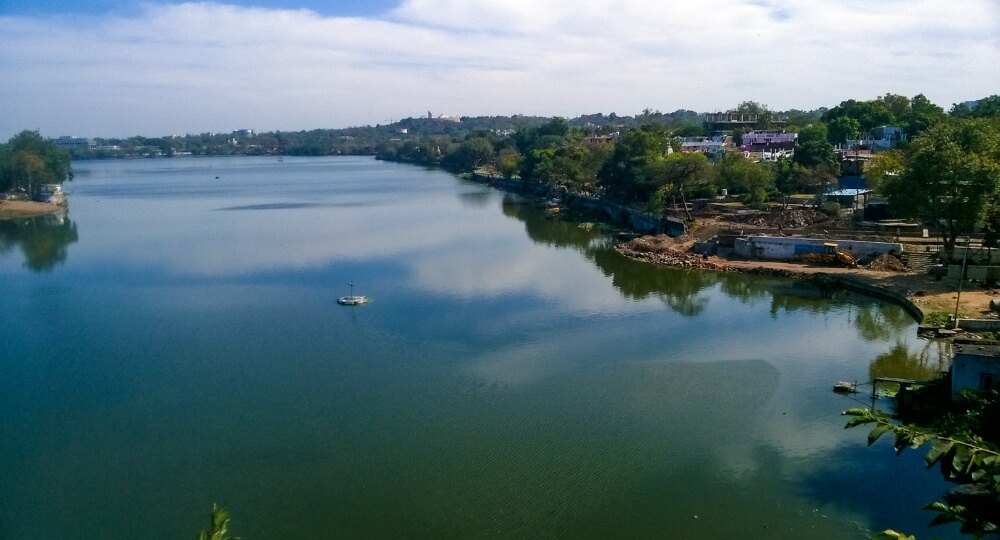
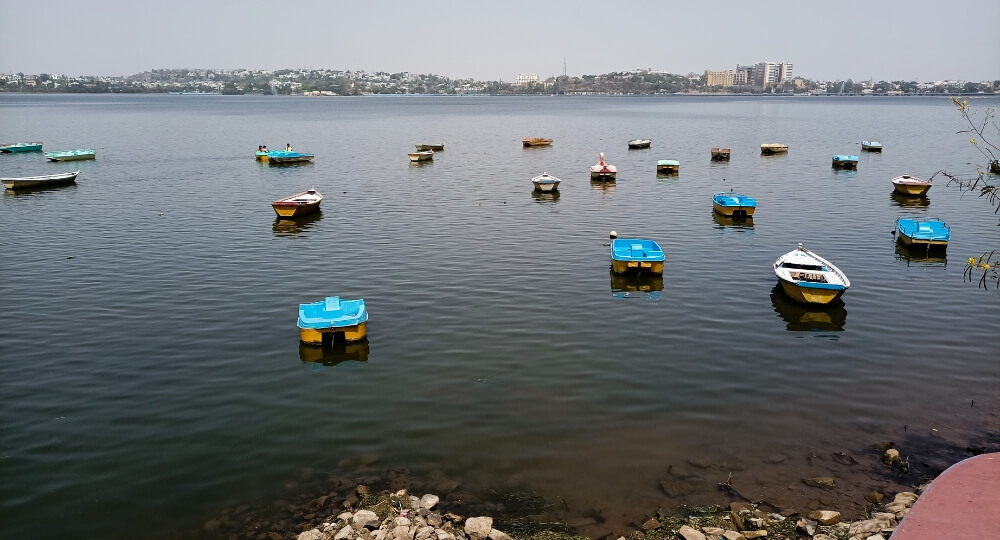
Bhopal is known as the ‘City of Lakes’, and two of the most famous lakes in the city are the Upper Lake and Lower Lake. The Upper Lake, which is also known as Bhojtal, was built by the Paramara Raja Bhoj when he served as the king of Malwa. There are various watersports you can try out at this lake, including boating, kayaking, rafting, canoeing, and parasailing. The Lower Lake, which is also known as Chhota Talab, was built in 1794. It was commissioned by Chote Khan, who was a minister of Nawab Hayat Muhammad Khan Bahadur.
The Van Vihar National Park in Bhopal is situated along the Upper Lake and is a combination of a national park and a zoological park. Spread over an area of 445 hectares, the area is home to animals such as lions, tigers, hyenas, panthers, sloth bears, and jackals. The Van Vihar National Park also performs the role of a rescue and rehabilitation centre, providing shelter for injured, orphaned, and rescued animals. Fitness enthusiasts, photographers, and nature lovers will particularly enjoy this location due to its scenic views, lush greenery, walking trails, and cycling paths.
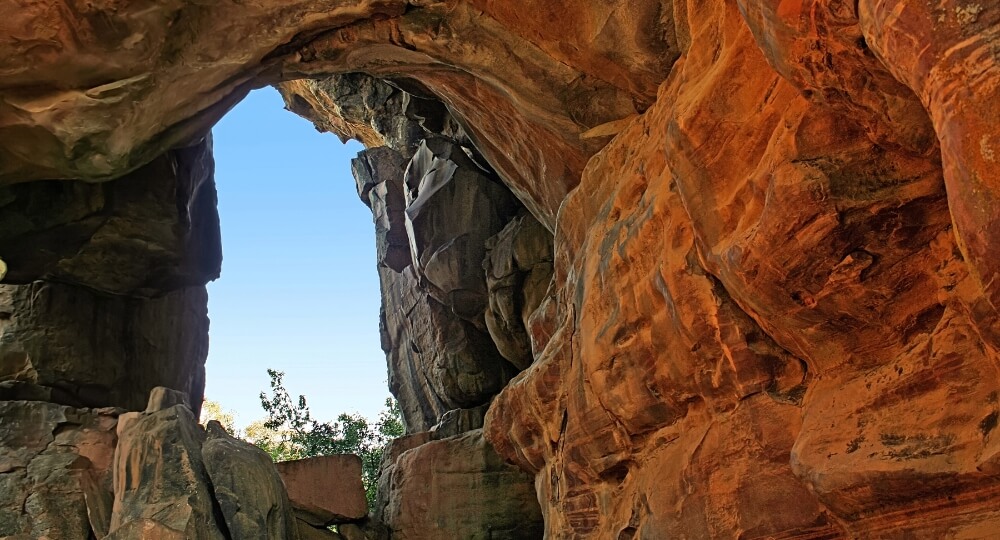
The Rock Shelters of Bhimbetka are situated approximately 45 km south-east of Bhopal, in the foothills of the Vindhya Range. These five clusters of natural rock shelters are made up of seven hills and more than 750 rock shelters that are spread over an area of 10 km. These were declared a UNESCO World Heritage Site in 2003. The complex was discovered in 1957 and is renowned for being one of the greatest collections of prehistoric art in India. Legend has it that the name ‘Bhimbetka’ is a reference to the Mahabharata, indicating the sitting place of Bhima during the exile of the Pandavas in the forest.
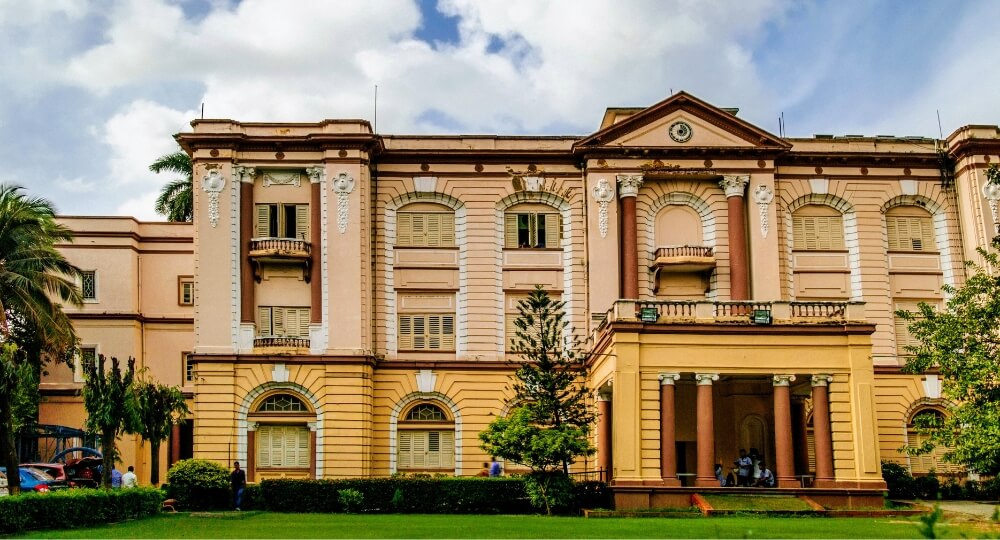
The Birla Museum in Bhopal is located within the peaceful Lakshmi Narayan Temple complex. It was established by the Birla family in 1971. The museum was created to showcase and preserve the rich cultural and historical heritage of the country, such as artefacts dating from ancient civilisations. This includes manuscripts, sculptures, and tools. When you visit this museum with our Bhopal tour packages, you will come across objects such as terracotta artefacts, sculptures, coins, and manuscripts whose roots belong to the 2nd century.
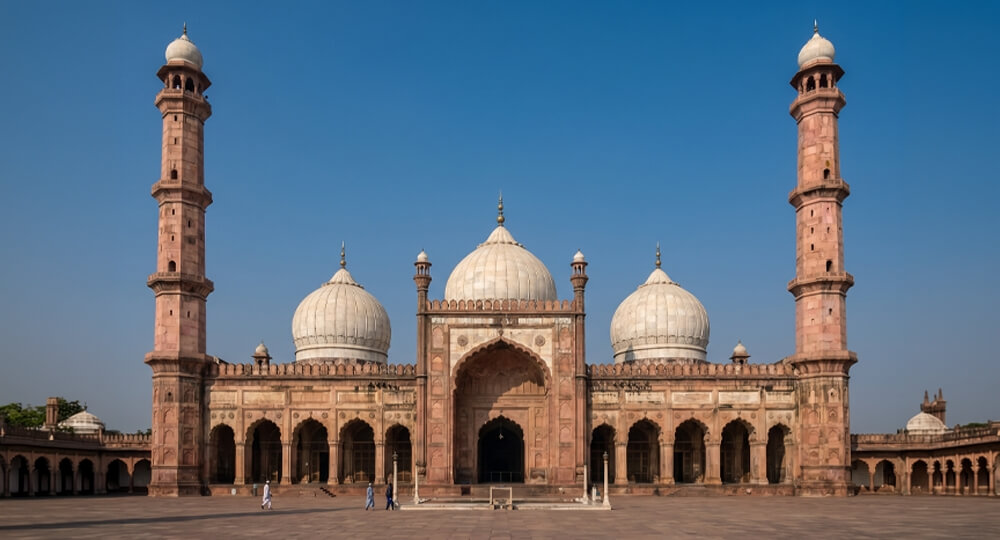
The Taj-ul- Masjid in Bhopal is one of the biggest mosques in India, with the capacity to hold 1,75,000 worshippers. The name of the mosque translates to the ‘Crown of Mosques’, which holds true due to its marvellous architecture, grandness, and eternal beauty. The construction of the mosque was started by Nawab Shah Jahan Begum around 1870, and after her death, the construction was carried on by her daughter, Sultan Jahan Begum. Some of the striking features of the Taj-ul- Masjid include its pink façade and the two towering minarets standing 18 storeys tall. The grand domes, carved arches, and huge courtyard reflect the Mughal-inspired style of architecture.
The Sanchi Stupa is a group of Buddhist monuments and is one of the oldest stone structures in the country. Situated on a hilltop, approximately 46 km from Bhopal, it was declared a UNESCO World Heritage Site in 1989. The Buddhist complex is made up of monasteries, temples, and stupas. The Great Stupa at Sanchi was commissioned to be built in the 3rd century BCE by the Mauryan Emperor Ashoka. The ornate doorways of the Sanchi Stupa are embellished with stories of Lord Buddha’s life and teachings from the Buddhist Jataka tales.
The Gohar Mahal in Bhopal, which is also known as Gauhar Mahal, is situated on the banks of the serene Upper Lake. It was constructed in 1820 by the first female ruler of Bhopal, Qudsia Begum, who was also known as Gohar Begum. Located right behind the popular Shaukat Mahal, the structure has a delightful blend of Mughal and Hindu styles of architecture.
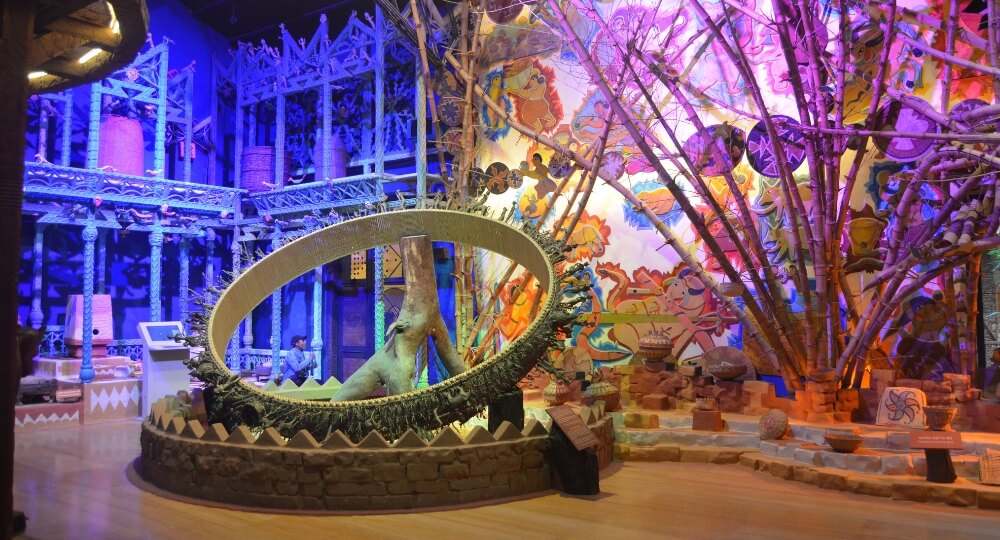
The Tribal Museum in Bhopal proudly displays the rich tribal heritage of the state of Madhya Pradesh. The museum sheds light on the lives of the seven major tribes of the state, namely Gond, Bharia, Bhil, Baiga, Korku, Kol, and Sahariya. As you explore the museum, you will come across full-sized models of tribal homes made of bamboo, mud, and grass, along with vibrant displays of tribal festivals and rituals.