3

Tour Packages

Home » Tour Packages » India Tour Packages » North India Tour Packages » Mussoorie Tour Packages

Mussoorie Tour Packages

Queen of the Hills

SUPER DEAL PRICE

STARTS FROM

per person on twin sharing
The Heart of Mussoorie: Mall Road
South India’s No.1 Travel Brand
Lal Tibba
Highest point in Mussoorie
March - June
Best Time to Visit Mussoorie
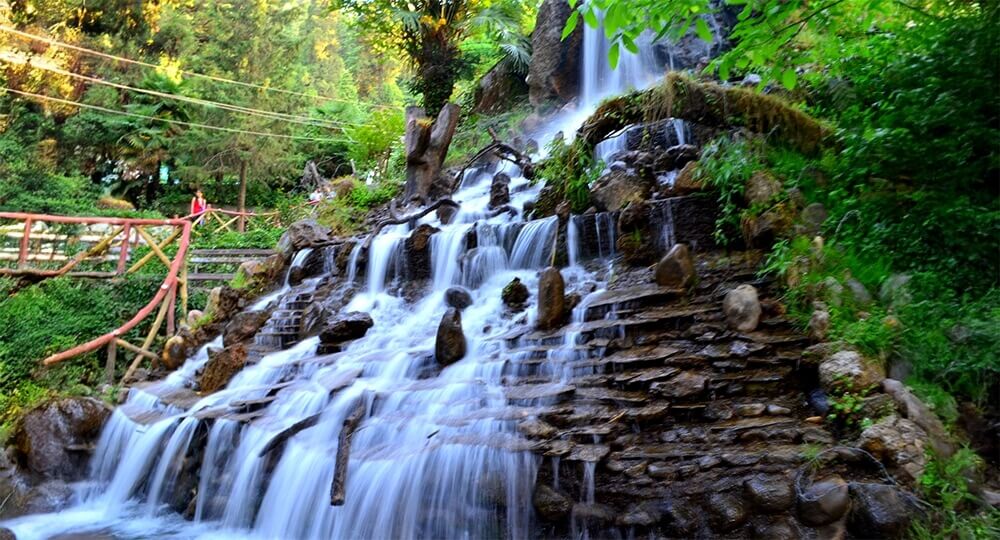
Kempty Falls
Most famous waterfall in Mussoorie
Hindi, Garhwali, English
Languages Speaking
Essential Tips for Travelling to Mussoorie
ATMs

ATMs are easily accessible in most areas.

Credit Cards

Credit cards are widely accepted in major areas.

Bank

Finding banks in Mussoorie is quite easy.

Drinking

The legal drinking age in Mussoorie is 21.

Safest

Residents are known for their warm hospitality.

Mussoorie - Overview

mussorie location map

By Purpose

tour package tourism

Couples

For Newlywed Vacations

tour packages business

Family

For Family Vacations

Top Attractions and Nearby Sights

Mall Road

Kempty Falls

Lal Tibba

Gun Hill

Company Garden

Camel’s Back Road

Dhanaulti

Landour

Jharipani Falls

Nag Devta Temple

Bhatta Falls

Cloud’s End

Everything You Need to Know About Mussoorie

Would you like to visit a hill station that is referred to as the ‘Queen of the Hills’? If so, then you must check out our Mussoorie tour packages. Situated in the foothills of the Himalayas, Mussoorie is a town located in the state of Uttarakhand. Perched at an elevation of 2,112 metres, Mussoorie is a delightful cornucopia of natural landscapes, bustling bazaars, delicious food, and warm locals. Let’s do a deep dive into the art, history, culture, cuisine, tourist attractions, and shopping scene of Mussoorie so you can understand why you need to plan a visit to this hill station immediately.

Table of Content:

About Mussoorie

In 1825, an army officer named Captain Frederick Young discovered Mussoorie. Due to its pleasant climate and spectacular view of the Himalayas, it became a go-to retreat for the Britishers. They would often find respite in Mussoorie with their families to escape the high temperature of the plains. Mussoorie started flourishing further as a town by 1827. The town also played a vital role in India’s struggle for freedom, as numerous freedom fighters are known to have visited Mussoorie. This includes Mahatma Gandhi, Lala Lajpat Rai, and Jawaharlal Nehru. After India achieved independence, Mussoorie was eventually declared to be a part of Uttarakhand. Following the Chinese invasion of Tibet, several Tibetans started to settle in Mussoorie around 1959.

Tidbits

  • Mussoorie was discovered by an army officer named Captain Frederick Young.
  • Kempty Falls was once a location used by the British to host tea parties.
  • Lal Tibba is the highest point in Mussoorie.
  • The Company Garden in Mussoorie has over 800 different types of flowers.
  • The Camel’s Back Road in Mussoorie has natural rocks on display that are shaped like a camel’s hump.
  • Gun Hill is the second-highest peak in Mussoorie.
  • Mussoorie is one of the only two places in the world where the winterline is visible.
  • The celebrated author Ruskin Bond lives in Landour, which is located very close to Mussoorie.

Essential Tips To Know Before Travelling To Mussoorie

  • The mobile network in Mussoorie may not always be reliable, particularly in the remote regions and areas of high altitude.
  • The roads in hilly regions are often known to be narrow, and driving around in roads with a lot of curves can often be risky; hence, always drive cautiously.
  • Don’t drink tap water and always carry bottled water with you every time you step out.
  • The hill station has several slopes and uneven paths, which is why it’s recommended to carry comfortable walking shoes.
  • Areas of high altitude could lead to altitude sickness. Therefore, carry your medicines accordingly and always stay hydrated.
  • Don’t throw away cigarette butts on leaf litter, as it could cause forest fires.
  • Carry sufficient cash because the smaller stores or vendors may not always accept online payments. It’s also applicable when you visit the smaller villages that may not have many ATMs around.
  • The airport located nearest to Mussoorie is the Jolly Grant Airport in Dehradun.

Mussoorie At A Glance

Category Details
Town Mussoorie
Currency The Indian Rupee (INR)
High season March to June
State Flower of Uttarakhand Brahma Kamal
Standard Voltage 230 volts
State Animal of Uttarakhand Alpine musk deer
Languages Official: Hindi; unofficial: Garhwali, Kumaoni, English
Famous Tourist Attractions Lal Tibba, Kempty Falls, Company Garden, Mall Road, Camel’s Back Road, Gun Hill
Things To Do Trekking, ziplining, rock climbing, paragliding, camping
Famous Food Kafuli, aloo ke gutke, chainsoo, phaanu, bal mithai, singodi, sisunak saag
Best Getaways from Mussoorie Dehradun, Dhanaulti, Haridwar, Rishikesh
Souvenirs To Buy Jewellery, woollen garments, wooden products, brass items, organic food items.

Top Reasons To Visit Mussoorie

The following are some of the best reasons to book our Mussoorie tour packages:

Spellbinding Natural Beauty

As soon as you enter Mussoorie, you will be greeted with mesmerising natural landscapes, with the crisp mountain air embracing your senses. Witness the magnificence of the Kempty Falls, which was once a spot used by the Britishers for tea parties. Visit the highest point in Mussoorie, known as Lal Tibba, which was utilised by the British officers and officials as a spot for relaxation to escape the heat and humidity of the plains. Remember to also breathe in the natural beauty of places like Camel’s Back Road and Gun Hill.

Scrumptious Cuisine

Getting to taste Mussoorie’s cuisine has to be one of the major reasons to grab our Mussoorie tour packages. The meals of the hill station are hearty and simple and are prepared using locally sourced ingredients. It displays the Garhwali cuisine of the state, and includes elements like lentils, millets, seasonal herbs, and local grains. Vegetarian dishes particularly shine bright in Mussoorie, such as aloo ke gutke, chainsoo, kafuli, and phaanu.

Vibrant Markets

Who doesn’t like to shop around during a holiday, right? You will get to do that in plenty with our Mussoorie tour packages. From handwoven woollen garments and intricate jewellery to artefacts such as wooden items and brass products, you will find an eclectic variety of souvenirs to buy from the vibrant markets of Mussoorie. You absolutely must visit Mall Road, which is undoubtedly one of the most significant shopping spots in the town.

Rich Culture

The colourful and rich culture of the region is something you will get to witness with our Mussoorie tour packages in multiple ways. There is, of course, the cuisine of Mussoorie and its delicate and unique handicrafts that enhance and highlight the town’s culture. The vibrant festivals, too, are a part of Mussoorie’s proud cultural heritage, such as the Summer Festival, Autumn Festival, Harela, and so much more. The folk dances of Mussoorie further add to the cultural richness of the hill station, as is seen through the Pandav Nritya, Barada Nati, and Langvir Nritya.

Best Time To Visit Mussoorie

Mussoorie has a subtropical highland climate, signifying that the hill station enjoys pleasant summers, wet monsoon months, and cold winter days. Let’s take a look at what each season in Mussoorie is like so that you can accordingly decide when to book our Mussoorie tour packages:

Mussoorie In Summer (March To June)

The range of temperature to expect in Mussoorie during the summer season is between 11 degrees Celsius and 36 degrees Celsius. Owing to the proximity of the hill station to the Himalayas, Mussoorie ends up having pleasant and cool summers. Therefore, you can easily go sightseeing during the day and explore all the popular tourist attractions with our Mussoorie tour packages. It’s also the perfect season to engage in outdoor adventures such as rock climbing and trekking. The Mussoorie Summer Festival takes place during this period. Make sure to book our Mussoorie tour packages in advance since this is the peak tourist season. Remember to carry light clothes, sunscreen, and comfortable walking shoes.

Mussoorie In Monsoon (July To September)

During the monsoon season, the temperature range in Mussoorie oscillates between 17 degrees Celsius and 26 degrees Celsius. On certain days, the temperature can also go as high as 32 degrees Celsius. There is heavy rainfall during the monsoon months, with fog enveloping Mussoorie, especially during the early mornings and evenings. Mudslides and road closures are common during the monsoon period, so plan your holiday accordingly. This is when you could enjoy discounts on accommodation and flights, as it’s the off-season. The lush greenery of Mussoorie comes alive even more at this time. The festivals to experience in the hill station with our Mussoorie tour packages include Harela and the Shravan Mela.

Mussoorie In Winter (October To February)

As winter embraces Mussoorie, the temperature usually fluctuates 4 degrees Celsius and 15 degrees Celsius. The hill station is usually blanketed in snow from December to February, with the temperature falling to sub-zero levels at night. If a winter wonderland is what you wish to experience, then this is the right time to book our Mussoorie tour packages. Remember to pack heavy woollen clothes, sturdy footwear, and sunglasses. You can enjoy the warmth and twinkling lights of Christmas in Mussoorie during this season.

Top Things To Do In Mussoorie

Listed below are some of the best tourist attractions to visit and outdoor adventures to participate in with our Mussoorie tour packages:

Things To Do As A Family

Kempty Falls

Kempty Falls is situated 15 km from Mussoorie on the Mussoorie-Yamunotri road. Nestled at a height of about 4,500 feet above sea level, the natural pool created by the waterfall is perfect for swimming. During the colonial era, Britishers would often host tea parties at this location, which is how the tourist attraction got its name. The name ‘Kempty’ is believed to have been derived from the two words ‘camp’ and ‘tea’. John Mekinan, a British commander, was apparently responsible for developing the popularity of this location as a picnic spot.

Lal Tibba

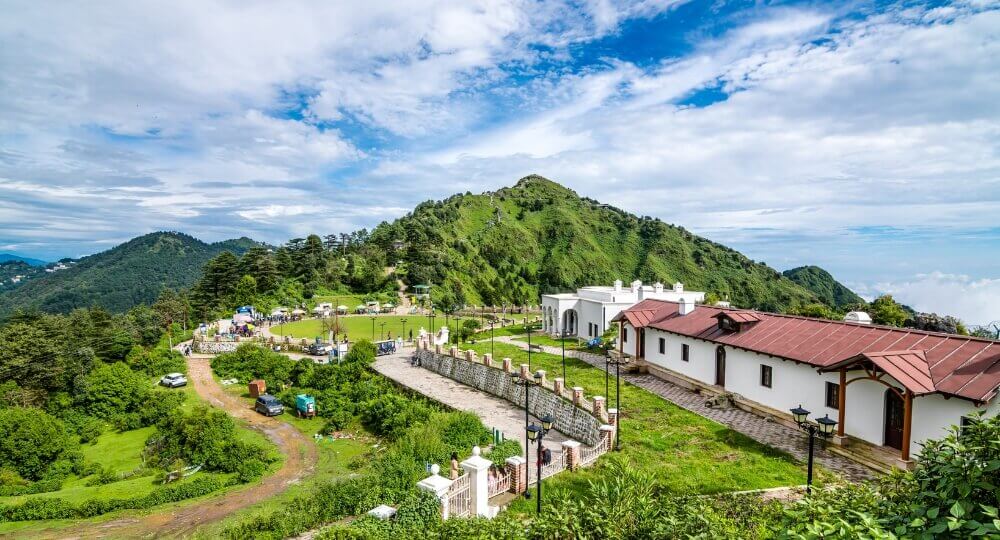
Lal Tibba is known to be the highest point in Mussoorie. It’s situated in the Landour area in Depot Hill, about 6 km from Mussoorie. Perched at a height of 2,275 metres, it’s a beloved viewpoint that offers a mesmerising view of the snow-capped Himalayan peaks, such as Kedarnath, Badrinath, and Bandarpunch. Back during the British rule, Lal Tibba served as a place of relaxation for the British officers and officials who wanted some respite from the heat and humidity of the plains. A telescope was installed at the site back in 1967, which can be accessed by tourists to get a proper view of the Himalayan ranges.

Company Garden

Company Garden, which is also known as Municipal Garden or Company Bagh, is situated 3.5 km from the Mussoorie Library Bus Stand. It’s said that the best time to visit the Company Garden is between March and June or September and November. Back in the day, it was known as the Botanical Gardens of Mussoorie. The garden was established in the early 20th century by a geologist named Dr. H. Fackner. Company Garden is home to more than 800 different types of flowers, such as petunias and dahlias.

Mall Road

Walking around the Mall Road in Mussoorie is like going back in time since this beloved promenade is a mixture of modern-day ambience and colonial architecture. Serving as the booming heart of the hill station, this is the place to head to if you want to eat, shop, socialise, and enjoy panoramic views of the engulfing valleys and mountains. It’s a paradise for shopaholics since the area is lined with stores selling an array of products, including woollen items, artefacts, spices, and jams.

Camel’s Back Road

The Camel’s Back Road is a 3 km long stretch of road in Mussoorie, which is named so as the road is filled with natural rocks that are shaped like a camel’s hump. This is where visitors can enjoy spellbinding views of the Doon Valley and the Himalayas. You can visit this spot with our Mussoorie tour packages, especially during sunrise and sunset, as you can see a milky pale gold enveloping the view during sunrise, whereas hues of orange and pink are visible during sunset.

Gun Hill

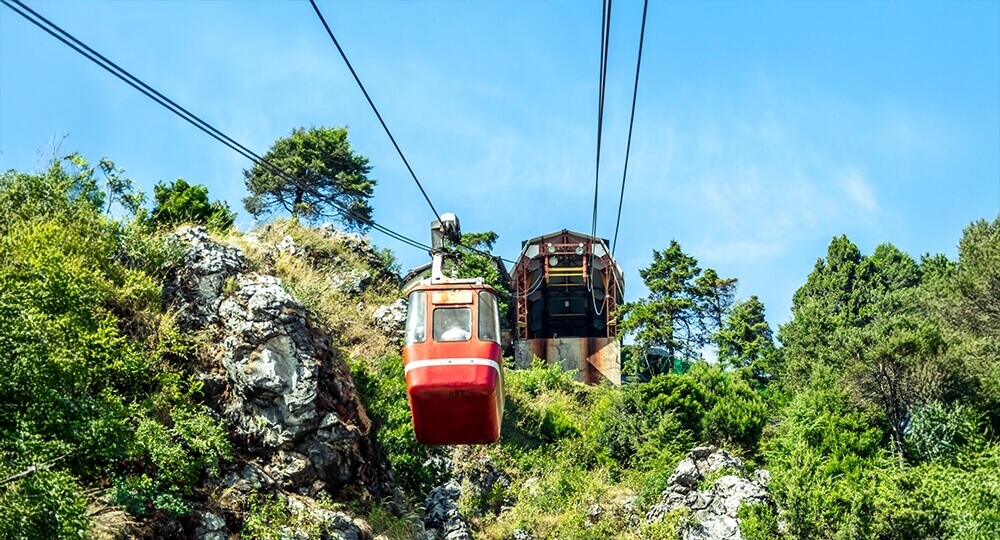
Gun Hill is the second-highest peak in Mussoorie, blessing visitors with picturesque views of the Himalayan ranges and the Doon Valley. Perched at a height of approximately 2,024 metres, the name of this peak has an interesting history. Once upon a time, a canon was fired from this very location every day so as to signal to the residents that it was midday. Taking a cable car ride from Mall Road is one of the most scenic ways to reach Gun Hill.

Things To Do For Adventure Lovers

  • Trekking, such as the Lal Tibba trek
  • Rock climbing at Snow Adventure Zone
  • Ziplining at the Mussoorie Lake Zipline
  • Paragliding near Mussoorie Lake
  • Camping at George Everest Peak

Best Getaways From Mussoorie

Dehradun

Dehradun is the capital of Uttarakhand and also its largest city. Situated at a height of 1,400 feet above sea level, it’s known as the educational hub of the state since Dehradun is home to numerous esteemed boarding schools and universities. Such is the beauty of Dehradun that George Harrison, the famous musician from the band The Beatles, composed a song about it titled ‘Dehra Dun’. The song was composed in the spring of 1968 when the musical group visited Rishikesh. As you roam around the winter capital of Uttarakhand with GT Holidays’ Mussoorie tour packages, make sure to explore the Robber’s Cave, Mindrolling Monastery, Tapkeshwar Mahadev Temple, Sahastradhara Ropeway, Malsi Deer Park, and Forest Research Institute.

Dhanaulti

Dhanaulti is a hill station located in the Tehri Garhwal district of the state of Uttarakhand. Located at an altitude of 2,286 metres above sea level, Dhanaulti serves as the starting point for several Himalayan treks. This includes the trek that leads to the Surkanda Devi Temple. Explore the Eco Park in the hill station, which is divided into two parts, namely Amber and Dhara. This is where you can enjoy various activities, such as horse riding, picnicking, and bird watching. Some of the other places to visit in Dhanaulti with our Mussoorie tour packages are the Apple Orchard Resort, Potato Farm, Tehri Dam, and Deogarh Fort.

Haridwar

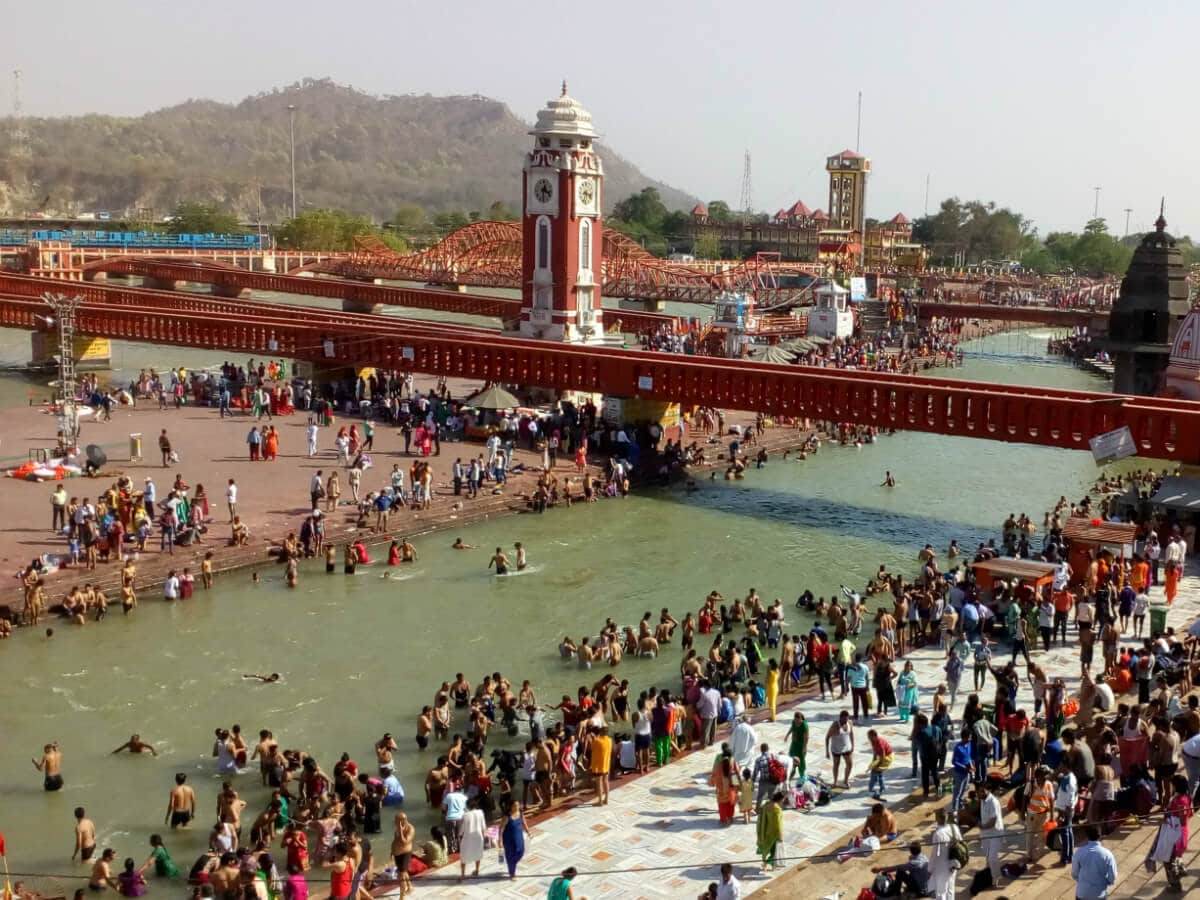
The city of Haridwar is the spiritual heartland of India. As per legend, when the Amrit (nectar of immortality) was being carried during the Samudra Manthana, drops of it fell at four places, and Haridwar is said to be one of those holy locations. The major Hindu pilgrimage and religious festival, known as the Kumbh Mela, takes place in Haridwar once every 12 years, drawing in millions of devotees who bathe in the Ganga River, hoping to wash away their sins and achieve spiritual liberation. There are several revered religious spots you can visit in Haridwar with our Mussoorie tour packages. These include the Chandi Devi Temple, Mansa Devi Temple, Har Ki Pauri, Bharat Mata Mandir, Pawan Dham Temple, and Daksheswar Mahadev Temple.

Rishikesh

The city of Rishikesh in Uttarakhand is known worldwide as the ‘Yoga Capital of the World’. Every year, numerous people from around the world come to Rishikesh to either begin their yoga practice or further deepen their knowledge of yoga. The city gained global recognition back in the 1960s when the famous musical band, The Beatles, visited the Maharishi Mahesh Yogi Ashram. After their visit, the ashram came to be known as the Beatles Ashram. Each evening, the sacred ghats of Rishikesh light up with the spiritual splendour and glory of the Ganga Aarti. For those who wish to carry back a piece of this spectacle, there are several stalls along the ghats that sell artefacts such as incense sticks and the idols of deities. When in Rishikesh, remember to visit the Triveni Ghat, Ram Jhula, Lakshman Jhula, Parmarth Niketan, and the Trayambakeshwar Temple.

Shopping In Mussoorie

As you go shopping in Mussoorie, here are some of the best products to look for and the places to shop from:

What To Buy

Woollen Garments

Given that Mussoorie is a hill station, it’s not surprising that woollen garments are some of the most popular souvenirs to buy from this town. These woollen pieces not only keep you warm but are also an ideal blend of comfort and fashion. Some of the woollen garments to buy from Mussoorie are sweaters, scarves, shawls, mittens, and socks.

Jewellery

The jewellery found in Mussoorie is a testament to the skilled craftsmanship of its local artisans. You can find a variety of handmade jewellery pieces in this town, such as earrings, necklaces, anklets, bangles, nose pins, and so on. Be it handmade accessories or silver jewellery, you will find an eclectic array of jewellery in this quaint hill station.

Local Food Items

One simply can’t leave Mussoorie without purchasing the many food items the town is home to. The organic products found in the hill station are made from natural and locally sourced ingredients. These include organic teas, spices, and jams. Mandwa or finger millet is another food item to buy from Mussoorie, as this can be used to make a healthier version of snacks like momos, fries, and bhaturas.

Handicrafts

The cultural heritage of Mussoorie is evident through the several local handicrafts available in the town. These are created by the artisans of the region who follow age-old techniques, resulting in ornate and unique products. This includes brass items, such as home décor pieces, statues, and prayer wheels. You will also come across wooden items, including toys, home decor items, showpieces, boxes, and furniture, all of which you can buy during your trip with our Mussoorie tour packages.

Where To Shop

Mall Road: For home décor items, woollen products, wooden products.

Tibetan Market: For woollen clothes, jewellery, Tibetan handicrafts.

Kulri Bazaar: For woollen clothes, handicrafts, jewellery.

Classic Emporium: For Tibetan sculptures, porcelain figurines, lampshades.

Library Bazaar: For books, vintage items, wooden products.

Things To Remember When Shopping In Mussoorie

  • Bargaining is common in the markets of Mussoorie. Just remember to be respectful and polite even as you negotiate and quote a price till you reach a number that suits both parties.
  • Visit the stores during the early mornings and late afternoons as this is when the markets are usually less crowded.
  • Make sure to check for authenticity while buying handmade products such as woollen clothes and wooden items.
  • Ensure that the quality of the woollen items you buy is top-notch. Make sure the knitting is tight and stretch it lightly to see how the fabric fares.

Dos and Don’ts While Travelling To Mussoorie

  • The people of Mussoorie are known to be very warm and kind, so always greet the locals politely, especially since you might need their help or assistance at some point.
  • Dress modestly while visiting the villages and religious or spiritual spots. Keep your knees and shoulders covered and avoid wearing sleeveless tops and shorts.
  • While visiting a forested area or any region with wildlife, remember to maintain silence.
  • Avoid making any noises or playing loud music whenever you’re outside.
  • If a beggar approaches you, do not encourage them, and beware of strangers as well.
  • Don’t ruin the natural beauty of Mussoorie. If there is any garbage you need to throw away, do it only when you spot a garbage bin.
  • Be respectful of the local customs and traditions.
  • Always ask for permission before clicking someone’s photograph, especially that of a woman.
  • Don’t consume alcohol in public.
  • There is a ban on plastic in Mussoorie, so stay away from carrying any plastic items.
  • When you visit places that have wildlife, don’t try to feed the animals as they could get aggressive, which could lead to a dangerous scenario.
  • Don’t disturb the ecosystem of the hill station by plucking any of the plants and flowers, as many of them belong to rare and protected species.

Foods To Try Out In Mussoorie

The cuisine of Mussoorie primarily includes Garhwali flavours, with dishes that are both simple and hearty. The food of the region makes use of fresh ingredients that are connected to the simplicity and climate of mountain life. This includes lentils, local grains, mild spices, and seasonal herbs. Let’s recommend some of the most delicious dishes to try out in the town with GT Holidays’ Mussoorie tour packages.

Aloo Ke Gutke

Aloo ke gutke is a potato-based dish in Mussoorie that’s made using local spices, such as coriander, cumin, and red chillies. The use of roasted dry spices amplifies the flavour of this concoction. The dish is commonly served during festivals. Aloo ke gutke is best enjoyed along with puris and raita.

Kafuli

Kafuli is a traditional Uttarakhandi dish that’s particularly popular in the state’s Pahadi cuisine. Also known as ‘kapaa’, it’s made using lai, spinach, and fenugreek leaves, thereby making this dish extremely healthy and nutritious. It’s traditionally cooked in an iron kadhai and is usually served alongside steamed rice or roti.

Chainsoo

Chainsoo is a popular dish from the Garhwal region of Uttarakhand. Made using lentils, such as urad dal or kali dal, the dish is high in protein. In order to make this dish, the lentils are roasted and then ground into a paste. This paste is then cooked on low heat in an iron pot, which is what gives it an earthy flavour. Some of the spices used to make this dish include garlic, coriander, turmeric powder, cumin seeds, and garam masala.

Bal Mithai

For those with a sweet tooth, you must try out bal mithai in Mussoorie. It can be called the chocolate fudge of Uttarakhand. Made using roasted khoya, it is coated in small sugar balls and has a rich caramel flavour. The texture of this dessert is such that it simply melts in your mouth.

Phaanu

Phaanu is yet another famous Garhwali dish in Uttarakhand. It’s made using a mixture of lentils, including gahat dal, arhar dal, and urad dal. To make this dish, one needs to soak the lentils overnight and then cook them in a pot. This soupy stew is mostly served along with rice.

Singodi

When you’re searching for something sweet to eat in Mussoorie, a unique dessert to turn to is singodi. Made using khoya and coconut, it comes wrapped in a fragrant maalu leaf, thereby elevating the aroma of the sweet dish.

Sisunak Saag

A local delicacy that you must try out in the hill station with our Mussoorie tour packages is the sisunak saag, a dish that is made using a plant that’s commonly found in the region. The plant is locally known as the bichhu ghaas, which is the Indian name for the stinging nettle plant. Once the leaves of the plant are boiled, they are then converted into a fine pulp. This is cooked on a low flame and then mixed with tomatoes and butter, creating a mouthwatering dish.

Art And Culture In Mussoorie

Handicrafts

The skilled and experienced artisans of Mussoorie produce handicrafts that reflect the rich culture of the region perfectly. These handicrafts also contribute to the shopping scene of Mussoorie as they are sold as souvenirs. This includes wooden artefacts, such as home décor pieces, boxes, furniture, and toys. You will come across handwoven woollen pieces that are perfect for the winter season, including sweaters, scarves, shawls, and mittens. Make sure to also check out the products made from brass, such as decorative pieces, figurines, and statues.

Festivals

Several vibrant festivals are celebrated in Mussoorie throughout the year, and you could experience at least one of them with our Mussoorie tour packages if you plan accordingly. There is the Summer Festival, a multi-day event which usually takes place in May or June. It celebrates the local culture of the region, which includes crafts, dance, and music. There is the Autumn Festival, a 10-day event which is organised by the Mussoorie Municipal Board. It usually takes place in October and involves sports competitions and cultural performances. Some of the other festivals that are held in Mussoorie include Harela, Uttarayani, Bikhauti, and Phool Dei.

Folk Dance

The cultural richness of Mussoorie includes various kinds of folk dances. There is the Pandav Nritya, which is related to depicting the epic narrative of the Mahabharata. It’s usually performed during the occasions of Diwali and Dussehra. Another popular traditional dance form in Mussoorie is Barada Nati, which is performed by both women and men in colourful costumes. Through its fluid movements, it depicts the story of a woman’s love for a man whom she can’t have. Some of the other folk dances of Mussoorie are Langvir Nritya, Chholiya Sance, and Jhora Dance.

View All Mussoorie Tour Packages

Travel Tips

visa_information_icon

Visa Information

Check visa requirements before traveling, ensuring a smooth entry and compliance with destination regulations.

health and safety tips icon

Health and Safety Tips

Prioritize health, stay hydrated, follow safety guidelines, and maintain personal hygiene for a secure journey.

currency and tipping icon

Currency and Tipping

Familiarize with local currency, consider customary tipping practices for respectful and seamless travel experiences.

Share Your Ideal Tour: Let Us Customize!

FAQs:

How far away is Dehradun from Mussoorie?
The distance between Dehradun and Mussoorie is about 40 km.
What is Mussoorie also known as?
Mussoorie is also known as the ‘Queen of the Hills’ because of its mesmerising natural beauty, panoramic views of the Himalayas, nature trails, and pleasant climate.
Does Mussoorie receive snowfall?
Yes, Mussoorie does receive snowfall between December and February.
What is the old name of Mussoorie?
The old name of Mussoorie was Mansuri.
How many days are sufficient for a trip to Mussoorie?
We recommend you set aside anywhere between two and four days for a trip to Mussoorie.
How to travel from Mussoorie to Dhanaulti?
You can take a taxi or a private car to travel from Mussoorie to Dhanaulti.
Which is the coldest month in Mussoorie?
The coldest month in Mussoorie is usually January.
Who is the author associated with Mussoorie?
The author who is commonly and majorly associated with Mussoorie is Ruskin Bond.
How long does it take to travel from Mussoorie to Rishikesh?
It can take about two hours to travel from Mussoorie to Rishikesh.
What is the ‘Mussoorie Winterline’ phenomenon?
The Mussoorie Winterline phenomenon is a rare spectacle when a second false horizon appears in the sky in Mussoorie during sunset, usually from November to March. The sky appears to have a mixture of colours during this time, including grey, mauve, yellow, and orange.

Book Your Dream Vacay Today!

=

×

Enquire Now

=