1

Tour Package

Home » Tour Packages » India Tour Packages » North East Tour Packages » Guwahati Tour Packages

Guwahati Tour Packages

Largest City in Assam

SUPER DEAL PRICE

STARTS FROM

per person on twin sharing

Gateway to Northeast India: Guwahati
South India’s No.1 Travel Brand
Kamakhya Temple
Old and Most Sacred Temple
Assam State Zoo
Largest Zoo in Northeast India
October - March
Best Time to Visit Guwahati
Assamese, Hindi, English
Languages Speaking
Essential Tips for Travelling to Guwahati
ATMs

ATMs are widely available throughout the city.

Credit Cards

Cards are not accepted in many small shops.

Bank

Banks are mainly located in towns and cities.

Drinking

The legal drinking age in Guwahati is 21.

Safest

People are friendly and generally welcoming.

Guwahati - Overview

guwahati map

By Purpose

tour package tourism

Couples

For Newlywed Vacations

tour packages business

Family

For Family Vacations

Top Attractions and Nearby Sights

Kamakhya Temple

Umananda Temple

Assam State Zoo

Navagraha Temple

Deepor Beel

Fancy Bazaar

Saraighat Bridge

Basistha Temple

Assam State Museum

Kaziranga National Park

Pobitora Wildlife Sanctuary

Srimanta Sankardev Kalakshetra

Everything You Need to Know About Guwahati

Travel enthusiasts are well aware of the fact that the northeastern region of India is filled with numerous gems that deserve to be discovered by tourists everywhere. One of those many gems is the city of Guwahati. Situated in the state of Assam, Guwahati is an amalgamation of natural beauty, spiritual landmarks, and exciting wildlife, all of which you can experience with our Guwahati tour packages. The name of the city translates to ‘market of areca nuts’, which reflects the fact that areca nuts or betel nuts are widely cultivated in Guwahati and throughout Assam. Let’s do a deep dive into the art, history, culture, cuisine, shopping scene, and tourist attractions of the city so you can understand why you must book a trip to Guwahati immediately.

Table of Content:

About Guwahati

The history of Guwahati is tied to Hindu mythology, among other things. Legend says that the old name of Guwahati was Pragjyotishpur. Guwahati is also intertwined with the mythological figure of King Naraka, also known as Narakasura. He is said to have been the ruler of the ancient kingdom of Pragjyotishpur and the founder of the Bhauma dynasty. As per archaeological findings and ancient texts, Guwahati served as a vital cultural, political, and religious hub since as early as the 2nd century BCE. During the rule of the Ahom dynasty, the city experienced conflicts between the Ahom kingdom and the Mughal Empire. This is when Guwahati also witnessed the establishment of temples, roads, and water bodies. The city was a significant military and administrative centre during the Ahom period. During the British rule, Guwahati was a primary administrative and commercial hub. In 1874, the headquarters of the newly formed Chief Commissionership of Assam was shifted from Guwahati to Shillong.

Tidbits

  • The Kamakhya Temple in Guwahati is one of the 51 Shakti Peethas in India, and the spot where the yoni (womb and genitals) of Goddess Sati had fallen.
  • The Assam State Zoo cum Botanical Garden, which is also known as the Guwahati Zoo, is the largest zoo in the northeastern region of India.
  • The Navagraha Temple in Guwahati is named so as it’s dedicated to the ‘nava graha’ or the nine planets.
  • The Umananda Temple in Guwahati was built under the order of King Gadadhar Singha by Bar Phukan Garhganya Handique in 1694 AD.
  • The Assam State Museum in Guwahati was established in 1940 by the Kamarupa Anusandhan Samiti and was taken over by the Assam State Government in 1953.
  • The Pobitora Wildlife Sanctuary, which is situated about 50 km from Guwahati, is known to have the highest density of the greater one-horned rhinoceros in India.
  • Srimanta Sankardev Kalakshetra in Guwahati was named after Mahapurusha Srimanta Sankardeva, the esteemed poet, playwright, scholar, and social reformer.

Essential Tips To Know Before Travelling To Guwahati

  • The Lokpriya Gopinath Bordoloi International Airport in Guwahati is the primary airport in the city.
  • Buses and auto rickshaws are some of the most common forms of public transport in Guwahati.
  • Don’t wander about late at night, as it can be unsafe, and this is especially true for women.
  • While visiting the Kamakhya Temple, remember to dress modestly and avoid sleeveless tops and shorts. Visit early in the morning or late in the afternoon to avoid long queues.
  • Carry bottled water as you go out sightseeing since it will help you stay hydrated, especially during the summer months.
  • Avoid consuming snacks or food from streetside stalls as the hygiene situation may not be up to the mark at such places.

Guwahati At A Glance

Category Details
City Guwahati
Currency The Indian Rupee (INR)
High season October to March
State Flower of Assam Foxtail orchid
Standard Voltage 230 volts
State Animal of Assam One-horned rhinoceros
Languages Official: Assamese ; unofficial: Hindi, English, Bengali
Famous Tourist Attractions Kamakhya Temple, Assam State Museum, Navagraha Temple, Assam State Zoo, Umananda Temple, Pobitora Wildlife Sanctuary, Srimanta Sankardev Kalakshetra
Things To Do Wildlife safari, boating, cruising, rock climbing
Famous Food Momos, thukpa, luchi, jhal muri, masor tenga, chowmein, khar
Quick getaways Shillong, Cherrapunji, Jorhat, Tezpur
Souvenirs To Buy Assam tea, Assam silk, handicraft items, jewellery

Top Reasons To Visit Guwahati

The following are some of the top reasons for booking our thrilling Guwahati tour packages:

Rich Wildlife

If you’re an animal lover, then the rich wildlife of Guwahati will leave you mesmerised. The Pobitora Wildlife Sanctuary is a spot that you must visit with your family, especially if you have kids, owing to the fauna it houses. This includes the 22 species of mammals, 80 species of butterflies, 27 species of reptiles, and 2000 migratory birds. It’s also renowned for having the highest density of the greater one-horned rhinoceros in India. Make sure to also visit the Assam State Zoo cum Botanical Garden, which is the largest zoo in the northeastern region of the country. It has been given the title of the ‘Green Lung’ of Guwahati and has 895 animals, reptiles, and birds, belonging to about 113 different species.

Places Of Religious And Spiritual Significance

Guwahati has numerous places of religious and spiritual significance, all of which you can visit with our Guwahati tour packages. There is the sacred Kamakhya Temple, which is one of the 51 Shakti Peethas in India. Legend says that this temple is the location where the yoni (womb and genitals) of Goddess Sati had fallen. Pay a visit to the Navagraha Temple, which is perched on top of Chitrachal Hill and is dedicated to the nine planets. There is also the Umananda Temple, which is dedicated to Lord Shiva.

Delicious Cuisine

Getting to taste the cuisine of Guwahati is a gastronomical experience that you just can’t miss out on with our delightful Guwahati tour packages. The city’s cuisine allows you to consume not only the traditional delicacies of Assam, but also the several snacks and streetside food that Guwahati is home to. While on one hand, there are the beloved Assamese dishes like masor tenga and khar, on the other hand, you have the scrumptious items like momos, chowmein, and jhal muri. You also must taste a wholesome bowl of thukpa while you’re in Guwahati as it’s bound to comfort your soul.

Thrilling Getaways

When you grab GT Holidays’ Guwahati tour packages, you also get to visit the many thrilling places located close to Guwahati. This includes Shillong, the capital of Meghalaya. Known as ‘Eastern Scotland’ due to its enthralling landscapes, Shillong is famous for its captivating natural beauty, old-world charm, and adventurous treks. Make your way to Cherrapunji, which is known to be one of the wettest regions in the world. Explore the city of Jorhat, which is called ‘the tea capital of India’ due to the numerous tea plantations it’s home to. Visit Tezpur, a city located in the Sonitpur district of Assam. It has earned the title of ‘the city of eternal love’ due to a love story derived from Assamese folklore.

Best Time To Visit Guwahati

Guwahati has a tropical monsoon climate. This means that the city experiences hot and humid summers, heavy rainfall during the monsoons, and winters that are mild and pleasant. Let’s take a look at what each season in the city brings about so you can accordingly decide when to reserve our Guwahati tour packages:

Guwahati In Summer (April To June)

During the summer season, the temperature range in Guwahati usually oscillates between 25 degrees Celsius and 35 degrees Celsius. On some days, it can go up to 40 degrees Celsius. The mornings and afternoons are pretty hot and humid, and it’s the perfect time to explore the river cruises, temples, and mountain viewpoints with our Guwahati tour packages. Remember to pack light clothes, sunscreen, and sunglasses. Carry bottled water when you go out sightseeing to prevent yourself from getting dehydrated. Some of the festivals that take place in Guwahati during this time are the Ambubachi Mela and Bihu.

Guwahati In Monsoon (July To September)

The range of temperature during the monsoon season in Guwahati usually remains between 24 degrees Celsius and 32 degrees Celsius. The rains turn the region into a lush green landscape, making the river islands, lakes, and hills appear even more beautiful. If you’re looking for fewer crowds and a calm ambience, then this is the right time to grab our Guwahati tour packages. However, floods and landslides could occur in certain areas, so plan your itinerary accordingly. Teej is a festival that’s celebrated in the city at this time.

Guwahati In Winter (October To March)

As the winter season embraces Guwahati, the temperature range you can expect is between 10 degrees Celsius and 22 degrees Celsius. Since this is the peak tourist season, we recommend you book our Guwahati tour packages well in advance. The temperature usually drops a little during early mornings and evenings, and hence it’s advisable to carry some light winter clothes. Wildlife enthusiasts will truly enjoy visiting Guwahati at this time, as it’s the ideal period to visit the city’s national parks. The festivals celebrated in Guwahati during the winter months include Magh Bihu and Diwali.

Best Getaways From Guwahati

Shillong

Shillong is the capital city of Meghalaya. Its resemblance to the Scottish Highlands coupled with the marvellous natural landscapes, rolling green hills, and old-world charm, has earned it the title of ‘Eastern Scotland’. The hill station is regarded as a paradise for trekkers because of the David Scott Trail that offers panoramic views of the East Khasi Hills. Shillong is a place where various cultures coexist harmoniously, including the Khasi, Jaintia, and Garo tribes. Due to its thriving and vibrant music scene and the numerous musical performances that take place in the hill station, Shillong is called the ‘Rock Capital of India’. Some of the many popular tourist attractions to visit in Shillong with GT Holidays’ Guwahati tour packages include the Umiam Lake, Elephant Falls, and Shillong Peak.

Cherrapunji

Cherrapunji is a town located in the East Khasi Hills district of Meghalaya. The town is locally known as Sohra. There is an interesting story behind the origin of the name ‘Cherrapunji’. During the colonial rule, the name of the town was mispronounced by the British as ‘Cherra’. The term ‘punji’ was added by the people belonging to the plains, which means ‘a cluster of villages’ in Bengali. Eventually, the town came to be called Cherrapunji. Some believe that the meaning of the name is ‘the land of oranges’. It’s known to be one of the wettest regions in the world and has one of the world’s highest average annual precipitation levels. When you visit Cherrapunji with our Guwahati tour packages, make sure to explore the Double Decker Living Root Bridge, Nohkalikai Falls, and Seven Sisters Falls.

Jorhat

Jorhat is a city situated in the Jorhat district of Assam. Serving as the headquarters of the Jorhat district, the city of Jorhat has been bestowed with the title of ‘the tea capital of India’. This is because of the several tea plantations that Jorhat is home to, which also make for some of the most popular tourist destinations. It also houses one of the oldest and largest tea research centres in the world, known as the Tocklai Tea Research Institute (TRA). The city is situated about 305 km from Guwahati. Some of the other tourist attractions you must visit in Jorhat with our Guwahati tour packages are Thengal Bhawan, Hollongapar Gibbon Sanctuary, and the Jorhat Science Centre and Planetarium.

Tezpur

Tezpur is a city situated in Assam’s Sonitpur district on the northern bank of the Brahmaputra River. Owing to Tezpur’s rich historical past, heritage sites, and mythological tales, the city is known as the cultural capital of Assam. It’s also called ‘the city of eternal love’ because of the love story of Usha and Aniruddha, which is derived from Assamese folklore. Since the famous Tezpur University is located near Tezpur, some of the common tourists in the city are students and young adults. The best spots to visit in Tezpur are the Mahabhairab Temple, Agnigarh, Chitralekha Udyan, and Bamuni Hills.

Top Things To Do In Guwahati

When you book GT Holidays’ Guwahati tour packages, here are some of the most famous tourist attractions to visit and activities to participate in:

Things To Do As A Family

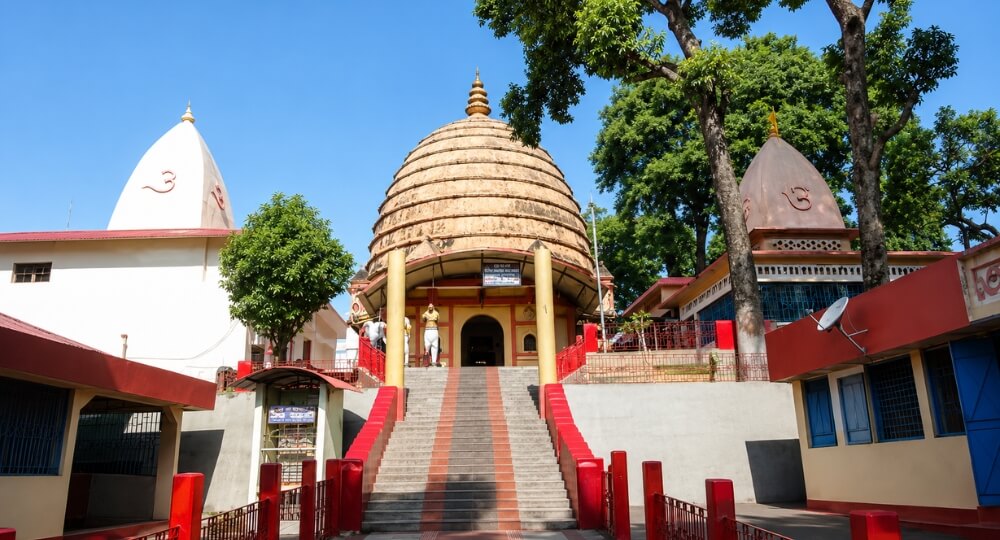
Kamakhya Temple

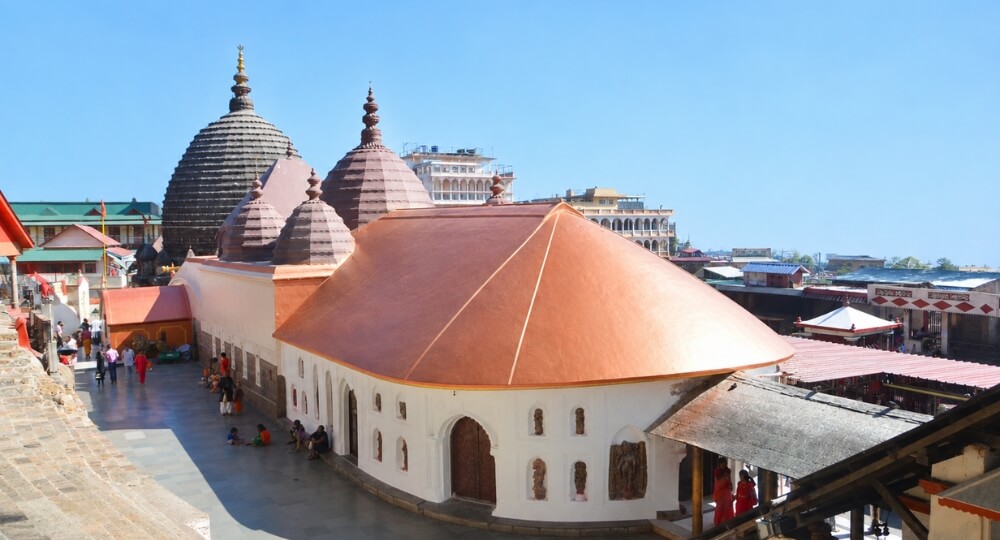
The Kamakhya Temple is known to be one of the oldest and most sacred of the 51 Shakti Peethas in India. It is located about 7 km away from Guwahati in the centre of the Nilachal Hills. The temple is also the central temple of India’s Tantrik Shaktism cult. Another reason the temple is revered is that it’s the place where the practices and beliefs of the Aryan and non-Aryan communities coincide. Legend has it that the original temple was built by Kamadeva, the Hindu god of love. He built it with the help of Vishwakarma, the divine architect and the Hindu god of creation. The temple is said to be the location where the yoni (womb and genitals) of Goddess Sati had fallen.

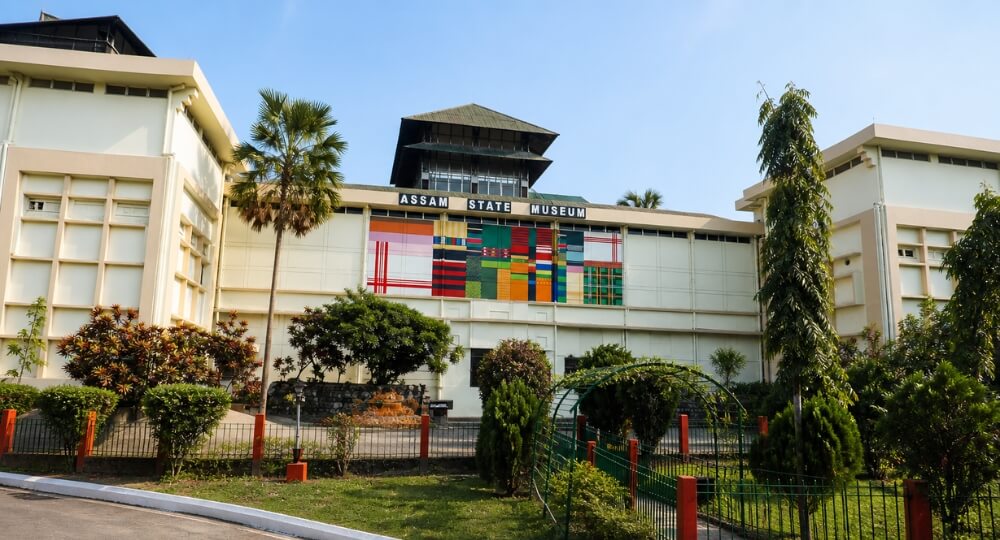
Assam State Museum

The Assam State Museum, which is also known as the Assam Rajyik State Museum, is situated in the heart of Guwahati, at the southern end of the Dighalipukhuri tank. It was established in 1940 by the Kamarupa Anusandhan Samiti (Assam Research Society). The museum was taken over by the Assam State Government in 1953. There are numerous sections within the museum, including sculptures, epigraphy, crafts, natural history, arms, folk art, and anthropology. At the ‘sculptures’ section, you will come across metal sculptures of Goddess Durga, Lord Vishnu, and Lord Buddha, along with a collection of coins from the Ahom and Mughal dynasties. The Assam State Museum has a library which was established in 1985.

Navagraha Temple

The Navagraha Temple in Guwahati is located atop the Chitrachal Hill (also known as the Navagraha Hill). It’s dedicated to the ‘nava graha’ or the nine planets. Within this temple, there are nine Shivalingams, each of which represents the nine planets. Each of the Shivalingam is covered with a brightly coloured garment, and there is a Shivalingam placed at the centre, which represents the sun. The temple was built in the late 18th century by the Ahom King Rajeswar Singha. It was constructed in a traditional shikhara style of architecture and features a beehive-shaped dome.

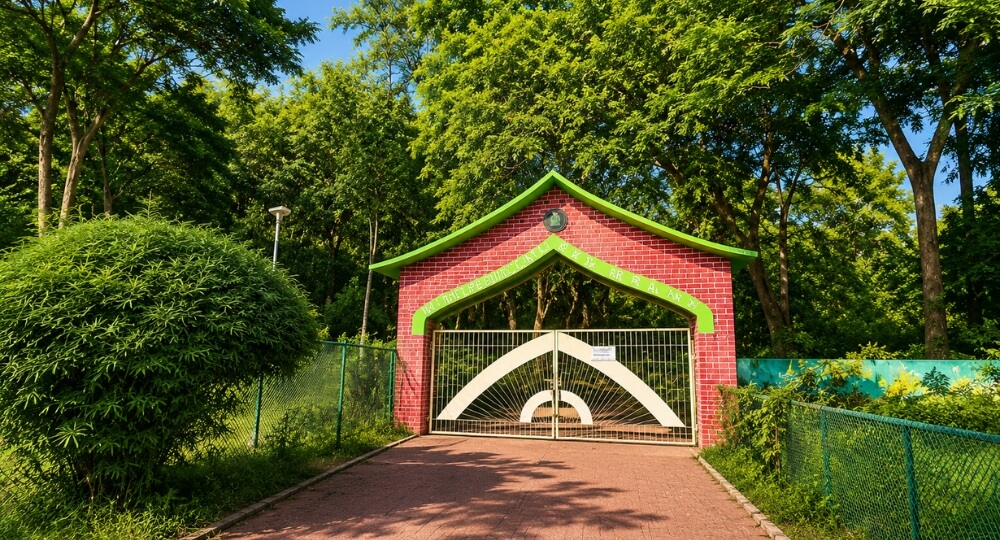
Assam State Zoo

The Assam State Zoo cum Botanical Garden, which is also known as the Guwahati Zoo, is the largest zoo in the northeastern region of India. Located within the Hengrabari Reserved Forest, the zoo was established in 1957 and was opened to the public in 1958. It is sprawled over an area of 175 hectares and is lovingly known as the ‘Green Lung’ of Guwahati because of its diverse fauna. The zoo is home to 895 animals, reptiles, and birds, belonging to about 113 different species. As you explore the Assam State Zoo with our Guwahati tour packages, you will come across creatures like the Royal Bengal Tiger, the Asiatic Lion, the one-horned rhinoceros, elephants, leopards, and various species of deer.

Umananda Temple

The Umananda Temple in Guwahati is located on Peacock Island, which is also known as Umananda Island. Perched atop the Bhasmakuta or Bhasmachala Hill, the temple is dedicated to Lord Shiva. The name of the temple is derived from the combination of two words, wherein ‘Uma’ is another name for Goddess Parvati (the wife of Lord Shiva) and ‘ananda’ means ‘joy or happiness’. The temple was built under the order of King Gadadhar Singha by Bar Phukan Garhganya Handique in 1694 AD. It was later damaged by an earthquake in 1897 and rebuilt by a rich local merchant. In addition to Lord Shiva, there are sculptures and engravings of various other Hindu deities located within the temple, such as that of Lord Ganesha, Lord Surya, and Lord Vishnu and his 10 avatars.

Pobitora Wildlife Sanctuary

The Pobitora Wildlife Sanctuary is located about 50 km from Guwahati. In 1971, it was declared a reserved forest after approval from the Government of Assam Tourism. It received the status of a wildlife sanctuary in 1987. Sprawled over an area of about 38.8 sq km, the location is known to have the highest density of the greater one-horned rhinoceros in the country. The Pobitora Wildlife Sanctuary is home to over 2000 migratory birds. It also houses 22 species of mammals, 80 species of butterflies, 27 species of reptiles, and 9 species of amphibians.

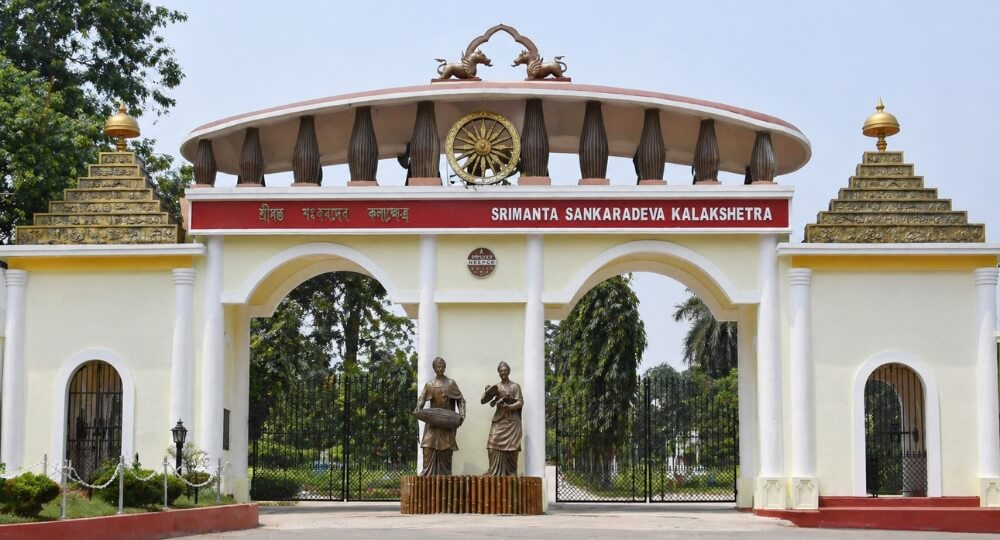
Srimanta Sankardev Kalakshetra

The Srimanta Sankardev Kalakshetra in Guwahati is a cultural institution whose foundation was laid in 1988. It was named after Mahapurusha Srimanta Sankardeva, who was a poet, playwright, scholar, and social reformer. Spread over an area of 17.5 hectares, it was established with the intention of promoting and preserving the art and culture of Assam. Within this artistic sanctuary is the Purbajyoti Museum, which houses more than 4,000 artefacts related to the art, culture, and traditions of the region. The complex is also home to the Bhupen Hazarika Museum, which is dedicated to the legendary Assamese musician and filmmaker.

Things To Do For Adventure Lovers

  • Wildlife safari at the Pobitora Wildlife Sanctuary
  • Boating at Dighalipukhuri Lake
  • Cruising on the Brahmaputra River
  • Rock climbing at Assam State Zoo

Shopping In Guwahati

By grabbing GT Holidays’ Guwahati tour packages, you get to explore the vibrant markets of the city and buy some of the most exquisite souvenirs it has to offer. Listed below are the best things to buy from Guwahati and the places to shop from:

What To Buy

Assam Tea

Of the many beloved souvenirs in Assam, one of the most popular ones has to be Assam tea, which is known for its rich taste and smooth, malty flavour. If you’re someone who likes to taste different kinds of tea, then buying a few batches of Assam tea during your trip is a must. You can try getting them from any of the government-recognised outlets in the city.

Handicrafts Items

Assam is one of the best destinations for purchasing handicraft items, and you can find them all in Guwahati. Since cane and bamboo products are extremely popular in Assam, there are several products under this category that you can get for yourself and your loved ones. This includes lampshades, mats, bamboo handbags, and makeup mirrors.

Assam Silk

Assam produces various kinds of silk, including muga silk, paat silk, and eri silk. A silk saree, such as a mekhela chador, for instance, is a very popular choice in terms of souvenirs. Sualkuchi, which is situated about 35 km from Guwahati, has some of the finest handloom items and is the main place to shop for Assam silk.

Jewellery

Jewellery lovers must utilise our Guwahati tour packages to get their hands on Assamese jewellery, which is an integral part of Assamese culture. The jewellery of the state is usually handmade and features the region’s flora and fauna. The traditional jewellery of Assam is typically simple and decorated with gemstones.

Where To Shop

  • Maati Centre: For handloom items, handicrafts, jewellery.
  • Silkalay: For Assam silk.
  • Pan Bazaar: For books, clothes, silk.
  • NEDFi Haat: For clothes, jewellery, accessories, handloom products.
  • Fancy Bazaar: For silk, jewellery, handicrafts, clothes.

Things To Remember When Shopping In Guwahati

  • Bargaining is common in the markets of Guwahati. Be respectful as you haggle and negotiate till you reach a price point that suits both parties.
  • Shopping during the festivals can help you get some good discounts.
  • Bring a tote bag when you go shopping, as it will help you carry all the items.
  • When you buy handicrafts and handloom items, make sure to get them from reputable stores. Ask for a certificate of authentication whenever applicable.
  • Keep your wallet and other valuable items close so that you don’t fall prey to pickpockets.
  • Learning some basic Assamese phrases can help you have better interactions with the shopkeepers, and it could also fetch you discounts on your purchases.
  • Go shopping in the morning or late afternoon to avoid the crowd.

Dos and Don’ts While Travelling To Guwahati

  • Dress modestly when you visit places of worship. Carry a shawl or scarf in case you’re asked to cover yourself properly.
  • When you meet a local, greet them respectfully and show a genuine interest in the culture and traditions of the region.
  • Avoid using plastic and make sure to carry reusable water bottles.
  • Make sure to take off your shoes before entering a religious or spiritual site.
  • Maintain the beauty and sanctity of the city as much as possible from your end, and the way to do so is by not littering. If there is something you need to throw away, do so only when you spot a garbage bin.
  • Don’t tamper with the flora and fauna of the city. While visiting the national parks, keep a safe distance from the wildlife and don’t try to feed them anything.
  • Stay away from discussing sensitive topics, such as religion and politics.
  • Don’t shake hands with people of the opposite sex unless they offer first.
  • When someone invites you over, remember to take off your shoes before entering their home.
  • Don’t indulge in public displays of affection.
  • Always ask for permission before taking someone’s photograph, especially that of a woman.
  • Don’t use your left hand while eating, handing things to other people, or pointing at others.

Foods To Try Out In Guwahati

The cuisine of Guwahati features an array of rich ingredients, right from animal-based proteins to dishes with rustic veggies. Rice forms a staple part of Guwahati’s food. Since Assam is known for its fish curries, you will get to taste many of them during your trip with GT Holidays’ Guwahati tour packages. The dishes cooked in Guwahati aren’t too spicy, and the people of the city like to use spices generously while cooking. These species include ginger, cumin, cardamom, fenugreek, mustard, and garlic. Let’s take a look at some of the delicious dishes you absolutely must try during your trip to Guwahati:

Momos

Momos are one of the most popular dishes throughout Northeast India, and the same holds true for the city of Guwahati. These dumplings are said to have originated in Tibet, after which they were brought to Nepal by Tibetan immigrants. Available in both steamed and fried versions, you are bound to find momos at almost every streetside stall in Guwahati. As you explore the region with our Guwahati tour packages, make sure to order a plate of delicious momos for yourself, be it the vegetarian or non-vegetarian ones, depending on your preference. Various kinds of fillings go into momos, such as chicken, prawns, pork, paneer, mushrooms, and plenty of vegetables. These are usually served alongside spicy and tangy dips.

Thukpa

Thukpa is a dish that’s especially popular in the Northeastern and Himalayan region of the country. When you’re looking for something wholesome to consume, you can never go wrong with a bowl of delicious thukpa. Having its roots in Tibet, thukpa is a noodle soup that’s available in both vegetarian and non-vegetarian forms. The non-vegetarian version could contain chicken, pork, or prawns. In a bowl of vegetarian thukpa, you might find a variety of vegetables, such as mushrooms, cabbage, onions, carrots, spring onions, and bok choy. You can have this delicious and healthy meal while touring the city with our Guwahati tour packages. Ginger and lemongrass are usually added to the broth to give it a beautiful fragrance.

Luchi

Luchi has its roots in the cuisine of West Bengal and is popular in the eastern and northeastern parts of India. It’s a flatbread that’s made using maida or refined flour and is deep-fried till the exterior turns crispy while the interior remains soft and fluffy. You can experience this delicacy in the city with our Guwahati tour packages and enjoy it with either a vegetarian or non-vegetarian curry.

Jhal Muri

Jhal muri is a popular street food in certain parts of India, and Guwahati is one of them. Made using puffed rice, some of the other ingredients that go into making this snack are cucumber, tomatoes, potatoes, onions, green chillies, coriander leaves, spices, and chutneys.

Masor Tenga

Assamese people love using fish in their dishes, particularly catla and rohu, and the beloved masor tenga is a testament to this fact. The word ‘tenga’ means ‘sour’ in Assamese, giving a hint about the sour, tangy, and lightly spicy taste of this dish. The primary ingredients used to make this dish are rohu or catla, potatoes, tomatoes, ridge gourd, and kokum. The elements that enhance the unique flavour of this fish curry are mustard seeds, panch phoran, and fenugreek. Some also make use of mangosteen or lemon to impart the tangy flavour to this concoction. If you order a traditional Assamese thali, you will probably get to taste this dish.

Chowmein

The popularity of chowmein in Guwahati is yet another proof of the Tibetan influence in the cuisine of the region. Available at cafes, restaurants, and roadside food stalls, chowmein is a dish that’s loved by locals and tourists alike. These are stir-fried noodles that contain shredded meat or seafood along with eggs and crispy vegetables, such as cabbage, onions, capsicum, and so on. These noodles are usually accompanied by spicy or tangy sauces to amplify the flavour.

Khar

Khar is the name for both an Assamese dish as well as an ingredient. It refers to a dark liquid which is consumed at the beginning of a meal, as it is believed to cleanse the digestive system. In order to prepare khar, banana peels are sun-dried, ashes are collected from the burnt peel, and finally, they are filtered using fresh water. Various ingredients go into making this dish a delicacy, including fish, meat, lentils, vegetables, and spices.

Art And Culture In Guwahati

The culture of Guwahati shines brightly in various ways, and one of them is through its festivals. Numerous colourful festivals are celebrated in Guwahati all year round. Bihu is the biggest festival celebrated in Assam, and it’s celebrated in the state thrice throughout the year, in the form of Bohag Bihu, Magh Bihu, and Kati Bihu. Bohag Bihu is a sowing festival which is celebrated in April, marking the beginning of spring and the Assamese New Year. Kati Bihu involves rituals wherein people pray for a good harvest and seek blessings so that the crops remain protected against diseases and pests. Magh Bihu celebrates the end of the harvesting season. There is the Ambubachi Mela, which is held at the sacred Kamakhya Temple every year during the monsoon season. Celebrated for a period of four days, it marks the annual menstruation of the goddess found within the temple.

Travel Tips

visa_information_icon

Visa Information

Check visa requirements before traveling, ensuring a smooth entry and compliance with destination regulations.

health and safety tips icon

Health and Safety Tips

Prioritize health, stay hydrated, follow safety guidelines, and maintain personal hygiene for a secure journey.

currency and tipping icon

Currency and Tipping

Familiarize with local currency, consider customary tipping practices for respectful and seamless travel experiences.

Share Your Ideal Tour: Let Us Customize!

FAQs:

What are some of the popular things to buy from Guwahati?
Some of the popular things to buy from Guwahati are Assam tea, Assam silk, handicraft items such as bamboo and cane products, and jewellery.
What clothes should one should carry for a trip to Guwahati?
If you’re travelling to Guwahati during the summer season, bring light and cotton clothes. A light jacket should be sufficient during the winter season.
What is Guwahati's famous food?
Some of the famous foods of Guwahati include thukpa, momos, chowmein, luchi, jhal muri, khar, and masor tenga.
What is Guwahati famous for?
Guwahati is famous for many things, such as its ancient temples, rich culture, scrumptious cuisine, bustling markets, and alluring wildlife.
Which is the hottest month in Guwahati?
The hottest month in Guwahati is usually August.
Does Guwahati have nightlife?
Yes, Guwahati has a decently vibrant nightlife.
How many days are sufficient for a trip to Guwahati?
We recommend you set aside at least three to four days for a trip to Guwahati.
What was the old name of Guwahati?
The old name of Guwahati was Pragjyotishpura.
Where was the name of the city ‘Guwahati’ derived from?
The name of the city, ‘Guwahati’, was derived from the Assamese words ‘guwa’, meaning areca nut and ‘haat’, meaning market.
Is Guwahati the largest city in Assam?
Yes, Guwahati is the largest city in Assam.

Book Your Dream Vacay Today!

=
×

Enquire Now

=