3

Tour Packages

Varanasi Tour Packages

City of Light
Spiritual Capital of India

SUPER DEAL PRICE

STARTS FROM

per person on twin sharing
One of the major Hindu pilgrimage sites: Varanasi
South India’s No.1 Travel Brand
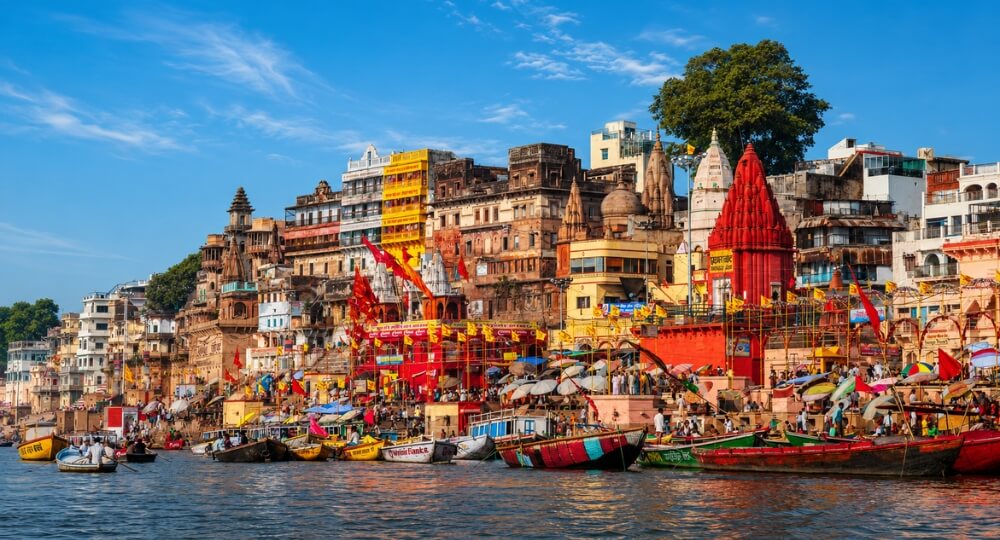
Dashashwamedh Ghat
Famous Grand Ganga Aarti
Hindi, Urdu, Bhojpuri, English
Languages Speaking
Ramnagar Fort
Historic fort across the Ganges River
October - March
Best Season to Visit Varanasi
Essential Tips for Travelling to Varanasi
ATMs

ATMs are easily available in major areas.

Credit Cards

Card payments are available, but cash is recommended.

Bank

Banking services are easily available across the town.

spiritual icon

Respect local traditions and sacred spiritual sites.

Safest

People of Varanasi are friendly and welcoming.

Varanasi - Overview

By Purpose

tour package tourism

Couples

For Newlywed Vacations

tour packages business

Family

For Family Vacations

Top Travel Destinations

Assi Ghat

Manikarnika Ghat

Ramnagar Fort

Sarnath

Chunar Fort

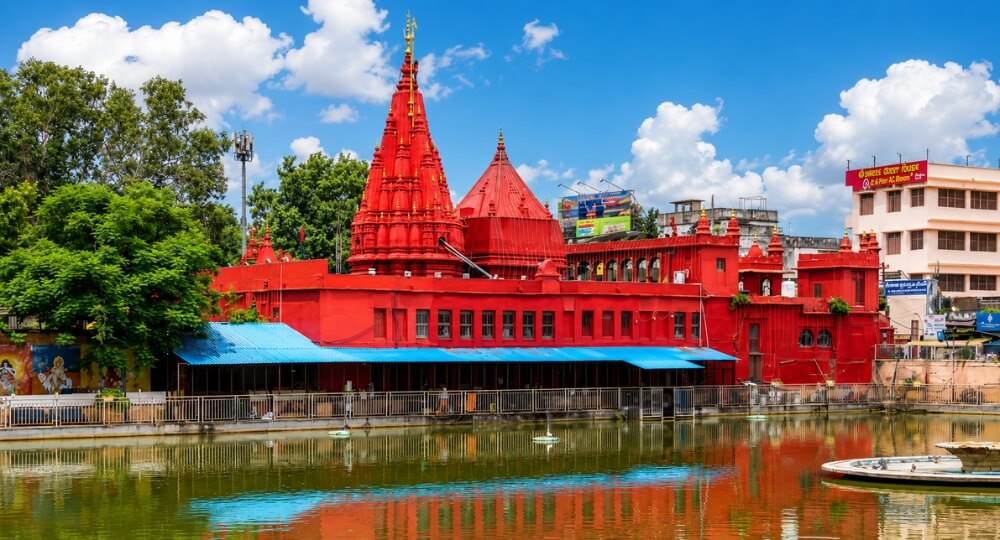
Vindhyachal Temple

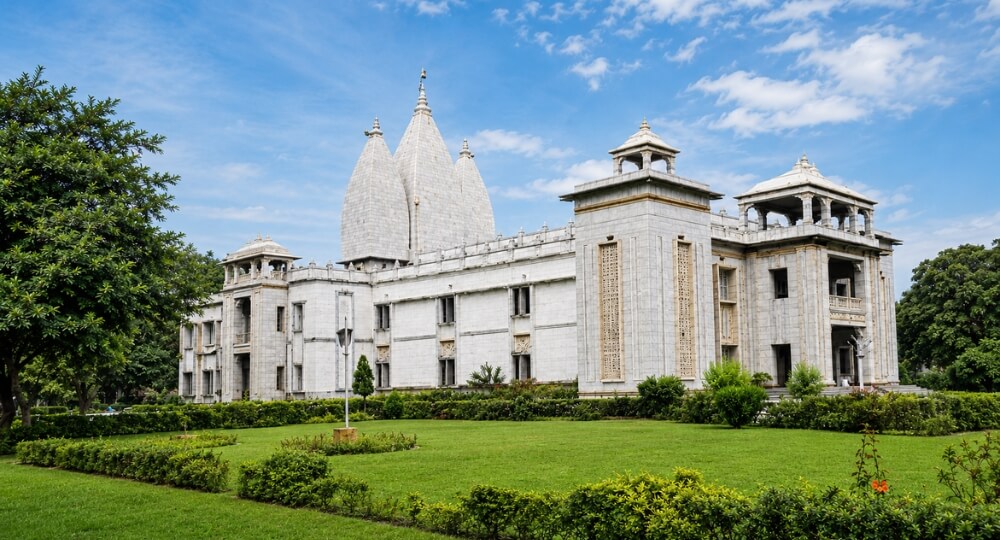
Bharat Mata Mandir

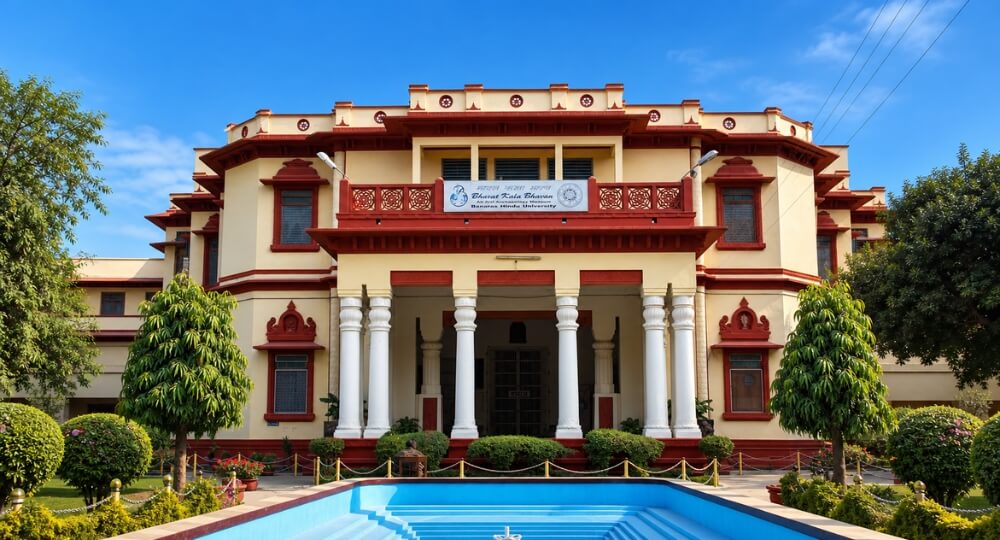
Bharat Kala Bhavan Museum

Sankat Mochan Hanuman Temple

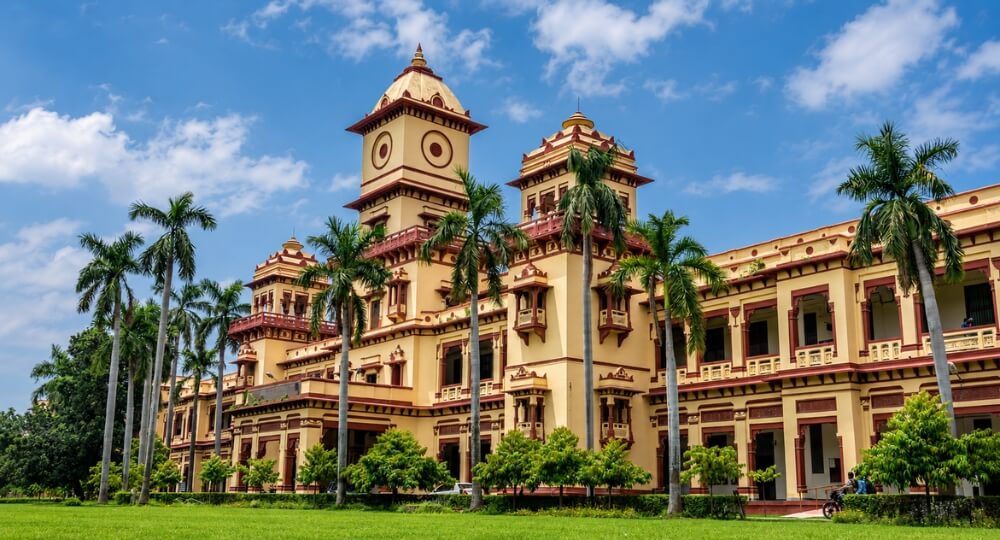
Banaras Hindu University

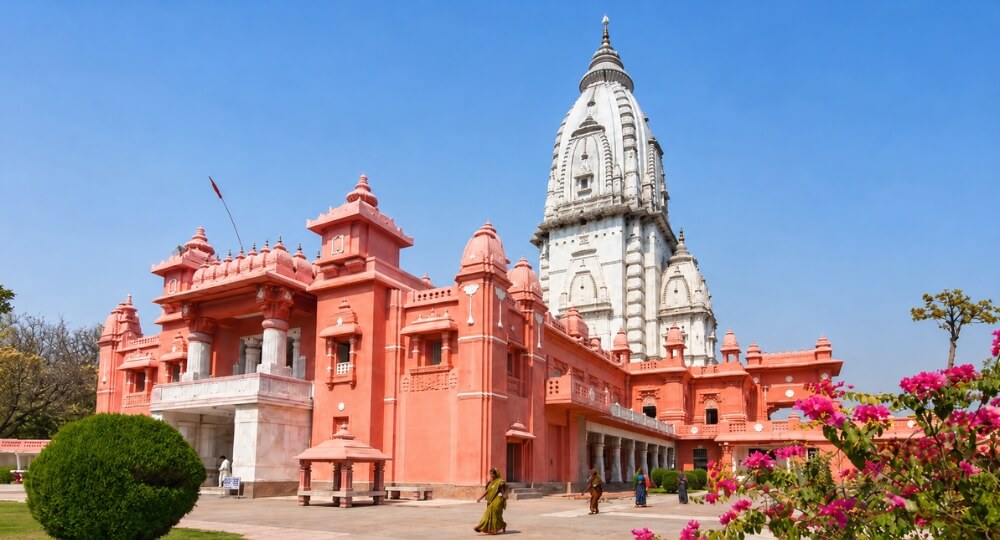
Kashi Vishwanath Temple

Dashashwamedh Ghat

Everything You Need to Know About Varanasi

Imagine a city with such a rich cultural heritage that not only has it been the backdrop of multiple Bollywood movies, but is also mentioned in various Hindi songs. Are you wondering which city we’re talking about? Well, it’s the beautiful city of Varanasi. Situated in the state of Uttar Pradesh, Varanasi is regarded as the spiritual heartland of India and is thought of as the city of Lord Shiva. The spiritually significant places in the city attract devotees and pilgrims from around the world, which you can experience with GT Holidays’ Varanasi tour packages. Let’s do a deep dive into the art, history, culture, cuisine, tourist attractions, and markets of the city so you can understand why you must book a trip to Varanasi immediately.

About Varanasi

Varanasi is widely recognised as one of the oldest continuously inhabited cities in the world. Historians believe that Varanasi became the centre of Aryan philosophy and religion by the 2nd millennium BC. The city eventually blossomed as an industrial and commercial centre, gaining popularity for its sculptures, perfumery, and silk and muslin fabrics. Varanasi became the capital of the kingdom of Kashi during the 6th century BC. Somewhere around this era, Lord Buddha gave his first sermon at Sarnath, which is located close to Varanasi. As it developed as a cultural, religious, and educational hub, Varanasi drew in scholars and learned individuals from around the world. This included Xuanzang, the Chinese Buddhist monk and scholar, who visited Varanasi during the 7th century. The British declared Varanasi a new Indian state in 1910. Ramnagar served as its capital at this time. After India achieved independence, Varanasi became a part of the state of Uttar Pradesh.

Tidbits About Varanasi

  • The city of Varanasi is also known as Kashi.
  • The Banaras Hindu University (BHU) in Varanasi is the largest residential university in Asia.
  • The presiding deity at the Shri Kashi Vishwanath Temple in Varanasi is Vishwanath or Vishveshvara, a form of Lord Shiva who is believed to be the ‘Ruler of the Universe’.
  • The Banarasi paan is so famous that it was also mentioned in a Bollywood song titled Khaike Paan Banaras Waala from the 1978 movie Don.
  • The Dashashwamedh Ghat in Varanasi is believed to be the place where Lord Brahma performed a sacrifice of 10 horses to welcome Lord Shiva to Kashi.
  • The Bharat Kala Bhavan Museum is located within the campus of Banaras Hindu University and is home to more than 100,000 artefacts.
  • Varanasi is associated with musical legends like Pandit Ravi Shankar and Ustad Bismillah Khan.
  • The Ramnagar Fort in Varanasi has a museum known as Saraswati Bhawan, which has an eclectic collection of royal artefacts and treasures, such as regal costumes, vintage cars, antique weapons, manuscripts, and ornate palanquins.
  • The Assi Ghat in Varanasi is known for conducting a daily morning ritual called Subah-e-Banaras, which involves the recital of Vedic chants along with yoga sessions and classical music.
  • Several Bollywood movies have been shot in Varanasi, such as Raanjhanaa, Masaan, Laaga Chunari Mein Daag, Bhool Chuk Maaf, and Brahmastra: Part One – Shiva.
  • The Bharat Kala Bhavan Museum became a part of Banaras Hindu University in 1950, and the building of the museum was inaugurated by Jawaharlal Nehru in 1962.
  • There is an interesting mythological connection related to the Assi River. It’s believed that after defeating the demons, Shumbha and Nishumbha, Goddess Durga threw her sword away. The place where the weapon struck is where the Assi River was born.
  • The Manikarnika Ghat is the primary cremation ghat in Varanasi.

Varanasi At A Glance

Category Details
City Varanasi
Currency The Indian Rupee (INR)
High season October to March
State Flower of Uttar Pradesh Palash
Standard Voltage 230 volts
State Animal of Uttar Pradesh The swamp deer
Languages Official: Hindi ; unofficial: Urdu, Awadhi, Bhojpuri
Famous Tourist Attractions Shri Kashi Vishwanath Temple, Dashashwamedh Ghat, Ramnagar Fort, Assi Ghat, Bharat Kala Bhavan Museum, Manikarnika Ghat
Things To Do Boat rides, paragliding
Famous Food Kachori sabzi, tamatar chaat, baati chokha, malaiyyo, Banarasi paan, lassi, thandai, rabri jalebi
Best Getaways Sarnath, Bodh Gaya, Chunar Fort, Lucknow
Souvenirs To Buy Banarasi silk sarees, Shivalinga, rudraksha mala, wooden toys, sweets, bangles, gulabi meenakari, hand-knotted carpets

Essential Tips To Know Before Travelling To Varanasi

  • The main airport in Varanasi is the Lal Bahadur Shastri International Airport.
  • Always carry bottled water when you’re out sightseeing.
  • Store your belongings safely in the locker of your hotel room.
  • The street food of Varanasi will not always be available at hygienic food stalls. Therefore, consume street food only from stalls that follow the proper rules of cleanliness and hygiene.
  • Some of the most preferred public modes of transportation in Varanasi are autorickshaws, cycle rickshaws, and e-rickshaws.
  • Beware of people disguising themselves as priests or guides. Stay vigilant to avoid falling for such scamsters.

Top Reasons To Visit Varanasi

Listed below are the top reasons to book our Varanasi tour packages:

Places Of Spiritual Importance

Varanasi has an array of places rich with religious and spiritual significance, all of which you can visit with GT Holidays’ Varanasi tour packages. The city is home to one of the 12 sacred Jyotirlingas, which is the Shri Kashi Vishwanath Temple. Established in 1780 by Maharani Ahilyabai Holkar, the temple is dedicated to Lord Shiva, and the idol within the temple is that of Vishwanath or Vishveshvara, which is one of the many forms of Lord Shiva. The ghats of Varanasi are known for not just their serenity, but also the deep spiritual weight they hold. The Dashashwamedh Ghat in the city is thought to be the place where Lord Brahma performed a sacrifice of 10 horses in order to welcome Lord Shiva to Kashi. This ghat hosts the Ganga Aarti every evening, which is a divine ritual that features the sounds of chants, bells, and numerous priests perfuming the holy ritual with large lamps. Make your way to Assi Ghat, which is nestled at the confluence of the Ganges and Assi rivers. Assi River, too, has a mythological connection because it’s believed to be the place where Goddess Durga’s sword landed when she threw it away after defeating the demons, Shumbha and Nishumbha.

Rich Cultural Heritage

The rich cultural heritage of Varanasi comes alive in various forms, such as its art, architecture, cuisine, and handicrafts. The Ramnagar Fort, with its Mughal-inspired style of architecture, is one such example. It was constructed in 1750 by making use of cream-colored Chunar sandstone. The fort houses a museum called Saraswati Bhawan, which has numerous interesting artefacts on display, such as manuscripts, weapons, vintage cars, and royal clothing. There is also the famous Bharat Kala Bhavan Museum, located inside Banaras Hindu University’s campus. The museum has more than 100,000 objects, which include textiles, weapons, jewellery, coins, paintings, and stone sculptures.

Alluring Markets

Varanasi has a plethora of bustling markets that you can explore with our Varanasi tour packages. These bazaars have a wide variety of items for you to purchase, ranging from delicate handicrafts to delicious sweets. Make sure to check out the elegant and regal Banarasi silk sarees at the different markets of Varanasi. When it comes to handicrafts, the products to explore include wooden toys, gulabi meenakari items, and hand-knotted carpets. When you’re at these markets, you can also get your hands on many religious souvenirs, such as Shivalingas made from stone and crystal and rudraksha malas.

Delicious Local Cuisine

When you explore Benaras with our colourful Varanasi tour packages, you will get to taste its delectable cuisine. The foods of Varanasi are a delightful mixture of street food, snacks, and mouthwatering desserts. Start off your mornings in Varanasi with kachori sabzi and make sure to try savoury snacks like tamatar chaat. The city has thick, creamy, and refreshing beverages to try out, such as lassi and thandai. You will be spoilt for choice as far as desserts are concerned in Varanasi, right from malaiyyo to the iconic sweet food combo that is rabri jalebi.

Best Time To Visit Varanasi

Varanasi has a humid subtropical climate. Let’s take a look at what each season in the city brings about so you can accordingly decide when to book GT Holidays’ Varanasi tour packages:

Varanasi In Summer (March To June)

During the summer season, the temperature range in Varanasi oscillates between 30 degrees Celsius and 45 degrees Celsius. There is quite a lot of heat and humidity, thereby making it difficult to engage in outdoor activities. The area in and around the ghats, though, offers more pleasant weather at this time, especially during the late evenings and early mornings. If you book our Varanasi tour packages for this period, then remember to pack sunglasses, sunscreen, and light, cotton clothes. It’s better to stay indoors during the summer in Varanasi, especially during the peak afternoon time. The city celebrates Maha Shivratri mostly during February or March, so, you could get to experience this spectacle if you plan your trip accordingly. Some of the other festivals celebrated in Varanasi at this time are Buddha Mahotsav, Hanuman Jayanti, and Ganga Dussehra.

Varanasi In Monsoon (July To September)

The temperature range during the monsoon season in Varanasi fluctuates between 25 degrees Celsius and 35 degrees Celsius. There is heavy rainfall during this time, which can often hamper your travel plans. While the showers bring about some respite from the scorching heat of summer, the humidity level remains uncomfortable. If you wish to experience the city amidst fewer crowds, along with discounted rates on flights and accommodation, then you can book our Varanasi tour packages for the monsoon season. Remember to pack raincoats, quick-dry clothes, and sturdy footwear. Some of the festivals that are celebrated in the city at this time are Nag Panchami and Raksha Bandhan.

Varanasi In Winter (October To February)

As Varanasi embraces the winter season, the temperature range usually remains between 5 degrees Celsius and 15 degrees Celsius. Since this is the peak tourist season, make sure to grab our Varanasi tour packages as early as possible. This is the perfect time to go for strolls, enjoy sightseeing, and sit by the ghats as you enjoy a cup of tea. You can go for morning boat rides on the Ganges and experience the magnificent Ganga Aarti in the evening. Make sure to pack some woollen clothes as the early mornings and evenings can get quite chilly. The festivals that take place in Varanasi during this season include Dev Deepawali, Makar Sankranti, and Masane ki Holi.

Infographic

  • Cheapest time to fly to Varanasi – May
  • Best time for boat rides along the Ganges River – October to March

Best Getaways From Varanasi

Sarnath

A primary Buddhist pilgrimage site to visit with GT Holidays’ Varanasi tour packages is Sarnath. This is where Lord Buddha is said to have delivered his first sermon, Dhammacakkappavattana Sutta. It has been on the ‘Tentative List’ of UNESCO since 1998. Some of the many tourist attractions to explore in Sarnath are the Dhamek Stupa, Sarnath Museum, Mulagandha Kuti Vihar, Chaukhandi Stupa, and Ashoka Pillar.

Bodh Gaya

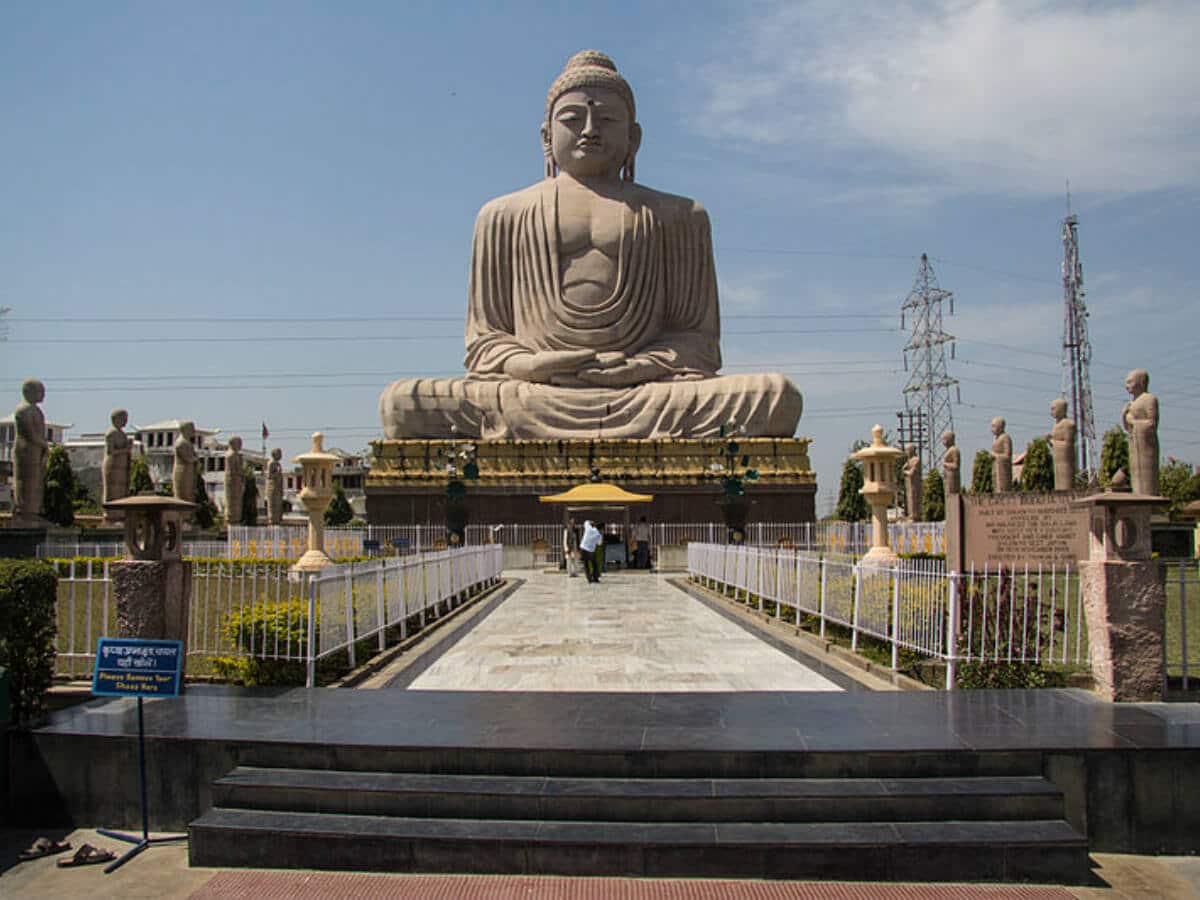
Bodh Gaya is a popular Buddhist pilgrimage site located in the Gaya district of Bihar. Previously known as Uruvela, its current name was not used until the 18th century CE. The tourist attraction you absolutely must visit in Bodh Gaya with our Varanasi tour packages is the Mahabodhi Temple, which is a UNESCO World Heritage Site. Bodh Gaya is said to be the place where Buddha attained enlightenment under the Bodhi Tree. Renowned for its historical and spiritual significance, the village attracts spiritual seekers and pilgrims from all over the world. While exploring Bodh Gaya, make sure to visit the Great Buddha Statue, Royal Bhutan Monastery, Metta Buddharam Temple, and Wat Thai Buddhagaya.

Chunar Fort

The Chunar Fort is located in the Mirzapur district of Uttar Pradesh. Also known as Chandrakanta Chunargarh and Charanadri, it was established by Maharaja Vikramaditya, who was the King of Ujjain. It was ruled by various Mughal rulers back in the day, such as Akbar and Aurangzeb. The location was eventually used by the British as a warehouse to store weapons.

Lucknow

Lucknow is the capital city of Uttar Pradesh. It is also the state’s largest city. Known as the ‘City of Nawabs’, almost every corner of Lucknow is dripping with a touch of royalty and elegance. It also serves as the administrative headquarters of Uttar Pradesh. Tasting the delicious foods of Lucknow is something you will get to do with our Varanasi tour packages. Some of the dishes to try from the kitchens of Lucknow are galouti kebabs, Lucknowi biryani, shami kebabs, and nihari-kulcha. The rich history of Lucknow is evident through its architectural marvels, such as Bara Imambara, Chhota Imambara, Rumi Darwaza, and the Husainabad Clock Tower.

Top Things To Do In Varanasi

By grabbing GT Holidays’ Varanasi tour packages, you can explore everything this gorgeous city has to offer. The spots to visit and activities to explore in Varanasi are as follows:

Things To Do As A Family

Shri Kashi Vishwanath Temple

The Shri Kashi Vishwanath Temple in Varanasi is situated on the western bank of the Ganges. Dedicated to Lord Shiva, the temple is one of the 12 sacred Jyotirlingas. The presiding deity of the temple is Vishwanath or Vishveshvara, a form of Lord Shiva who is believed to be the ‘Ruler of the Universe’. The current structure was constructed by Maharani Ahilyabai Holkar in 1780. The temple has been managed by a trust established by the Government of Uttar Pradesh since January 1983.

Dashashwamedh Ghat

One of the most sacred ghats to visit with our Varanasi tour packages is the Dashashwamedh Ghat. Situated on the banks of the Ganges River, the name of the ghat has a mythological significance. ‘Dash’ translates to ‘ten’, ‘ashwa’ means horse, and ‘medh’ translates to ‘sacrifice’. The reason this meaning is important is that it’s believed that Lord Brahma performed a sacrifice of 10 horses at this very location to welcome Lord Shiva to Kashi. The ghat is particularly famous for hosting the sacred Ganga Aarti each evening, which is truly a divine spectacle accompanied by the sounds of bells and chants. The priests perform this daily ritual with large lamps, and the sight of the fire adds to the visual magnificence.

Ramnagar Fort

The Ramnagar Fort in Varanasi is located on the eastern bank of the Ganges River. Perched opposite the Tulsi Ghat, the fort was built by Maharaja Balwant Singh in 1750. Featuring the Mughal style of architecture, the structure was constructed using cream-colored Chunar sandstone. The different elements of the fort include carved balconies, beautiful pavilions, and open courtyards. The museum located within the fort, which is known as Saraswati Bhawan, can be found in a location which was once the Durbar Hall. It contains an eclectic collection of royal artefacts and treasures, such as royal costumes, vintage cars, antique weapons, manuscripts, and ornate palanquins.

Assi Ghat

Located at the confluence of the Ganges River and Assi River is the Assi Ghat, which is another place of spiritual importance that you can visit with our Varanasi tour packages. It’s believed that after defeating the demons, Shumbha and Nishumbha, Goddess Durga threw her sword away. The place where the weapon struck is where the Assi River was born. Devotees also flock to this location to offer their prayers to the huge Shivalinga located under a peepal tree. Brimming with mythological significance, the ghat is also renowned for Subah-e-Banaras, a daily morning ritual which involves the recital of Vedic chants along with yoga sessions and classical music.

Bharat Kala Bhavan Museum

The Bharat Kala Bhavan Museum is located within the illustrious campus of Banaras Hindu University. Initially, it was established as Bharat Kala Parishad at Godaulia in 1920. The name was changed in 1929 to Bharat Kala Bhavan when it was moved to Kashi Nagari Pracharini Sabha. The museum became a part of Banaras Hindu University in 1950, and Jawaharlal Nehru inaugurated the building of Bharat Kala Bhavan in 1962. It is home to over 100,000 artefacts, including paintings, coins, stone sculptures, jewellery, carved wood, weapons, copper plates, textiles, and literary works. The museum’s main hall has a figure of Lord Krishna lifting Mount Govardhana.

Manikarnika Ghat

The Manikarnika Ghat holds high spiritual significance in Hindu traditions and is the primary cremation ghat in Varanasi. It’s believed that those who are cremated at this ghat achieve liberation (or moksha) from the cycle of birth and rebirth. There are several legends associated with the Manikarnika Ghat. One of them is that Lord Shiva and Goddess Parvati once visited this place, and during their visit, the goddess’ jewelled earring, known as a manikarnika, fell at this location, and that’s how the ghat got its name. The ghat was repaired and rebuilt by the Government of Uttar Pradesh in 1965.

Things To Do For Adventure Lovers

  • Boat rides along the Ganga River
  • Paragliding along the banks of the Ganga River

Shopping In Varanasi

The following are the best souvenirs to buy from Varanasi and the most popular markets to explore:

What To Buy

Banarasi Silk Sarees

When it comes to handicrafts, Banarasi silk is the crowning jewel of Varanasi. It takes several days of labour to craft these soft and luxurious pieces that are a true sign of grace and opulence. The designs of these sarees often include Mughal-inspired motifs, floral patterns, leaves, and paisley patterns. Real zari is often utilised to make these sarees, featuring fine silver or gilded gold. One of the most memorable items to get for yourself with our Varanasi tour packages is surely a Banarasi silk saree.

Shivalinga

Given that Varanasi is believed to be the city of Lord Shiva, it’s natural that one of the most popular souvenirs in the city is a Shivalinga. While a Shivalinga is available in various materials, the two most unique ones to get from Varanasi are stone and crystal Shivalingas. You can look for these in different sizes, and the price will vary accordingly.

Rudraksha Mala

Of the many religious souvenirs to buy from Varanasi, one of the best ones to bring back home with you is a rudraksha mala. The word ‘rudraksha’ translates to ‘the tears of Rudra’, thereby signifying the connection of these beads to Lord Shiva, as ‘Rudra’ is one of the many names of Lord Shiva. It’s believed that rudraksha beads were born from Lord Shiva’s tears of compassion. Devotees buy rudraksha malas as they are believed to improve one’s balance and focus while also blessing them with spiritual awareness and divine protection. Rudraksha malas are said to have healing properties, which makes them extremely coveted and revered spiritual souvenirs.

Wooden Toys

The wooden toys made in Varanasi make for the perfect gifts for kids. Made by skilled artisans, not only do these wooden toys help you carry a piece of Benaras with you, but they are also a good way to support the local artisans. Made using locally sourced materials, these wooden toys are usually created using eco-friendly methods, which is a wonderful way to contribute to the environment.

Sweets

Varanasi is a treat for dessert lovers, and you can buy many of the sweets to take back home. Some of these sweet treats include malaiyyo, jalebi, laal pedhas, and the famous Banarasi paan.

Bangles

Varanasi is known to have some of the most eclectic collections of bangles, especially glass bangles. Available in numerous colours and designs, these bangles can elevate any look, particularly when paired with traditional Indian wear. There are also other kinds of accessories to buy from the city, such as earrings, necklaces, and bracelets.

Gulabi Meenakari

Gulabi meenakari is a delicate art form that has existed in Benaras for centuries. Delicate enamel work featuring dainty designs is implemented on metal surfaces, leading to the creation of various types of products. Some of the different kinds of items to buy from the city with gulabi meenakari are jewellery, boxes, showpieces, and animal figurines.

Hand-knotted Carpets

The skilled weavers and artisans are known to make several types of enticing objects that could elevate the beauty of any space. One such piece of handicraft to buy from Varanasi is a hand-knotted carpet. These carpets are available in various sizes, coupled with intricate designs and vibrant colours for you to choose from.

Where To Shop

  • Godowlia Market: For sarees, idols, trinkets, household items.
  • Vishwanath Lane: For religious idols, rudraksha malas, wooden toys, bangles.
  • Thatheri Bazaar: For home décor pieces, religious souvenirs, carpets, toys.

Things To Remember When Shopping In Varanasi

  • Bargaining is common and expected in the markets of Varanasi. Make sure to be respectful to the vendor and negotiate till you reach a price point that suits both parties.
  • Early mornings and late evenings are usually the preferred periods to explore the markets, as there are often fewer crowds at these times.
  • Make sure to ask for an authentication certificate while buying Banarasi silk.
  • Buying handicrafts from Varanasi, such as wooden toys and hand-knotted carpets, allows you to support the local artisans.

Foods To Try Out In Varanasi

The cuisine of Varanasi is influenced by North Indian culinary techniques along with spiritual cooking practices. Due to the religious setting of the city, a lot of its cuisine is purely vegetarian. From rich desserts to lip-smacking street food, let’s take a look at some of the most scrumptious foods to try out with our Varanasi tour packages:

Kachori Sabzi

Mornings in Varanasi usually begin with a piping hot plate of kachori sabzi. Kachoris refer to deep-fried pastries that are usually stuffed with a flavourful dal mixture. These kachoris are mostly served with a spicy and tangy potato curry, but you can also find chickpea and pumpkin curries in several places. The pastries are deep-fried till the exterior turns crispy and flaky. This delightful combination is often served along with chutneys that further amplify the taste of the dish.

Tamatar Chaat

There are numerous mouthwatering snacks you will get to try during your trip with our Varanasi tour packages, and one of them is tamatar chaat. Ripe tomatoes are slow-cooked and mashed. This mixture is then combined with mashed potatoes, coriander, green chillies, and spices. Crunchy puris add to the crispiness of the dish, and sev is sprinkled on top to add to its crunchiness.

Baati Chokha

Baati chokha is yet another iconic food combination to eat in Varanasi. Baatis are dough balls made of wheat that are baked over charcoal, thereby giving it a crispy crust and a smoky flavour. These wheat dough balls are broken open and dipped in ghee. Chokha is a spicy vegetable mixture that includes roasted eggplant, tomatoes, potatoes, spices, and mustard oil.

Malaiyyo

If you visit Benaras during the winter season with our Varanasi tour packages, then the unique dessert to try out is malaiyyo. In order to make this rare winter delicacy, one needs to simmer milk for hours and then whip it till it displays a frothy consistency. Sugar and cardamom are added to the recipe and then garnished with saffron and nuts.

Banarasi Paan

A trip to Benaras is incomplete without trying out the iconic post-meal treat called Banarasi paan. Betel leaves are used to make this paan, and these leaves are filled with a mixture of areca nut, slaked lime, fennel seeds, and gulkand. After completing the filling, the leaves are then neatly folded into a triangular shape and served fresh.

Lassi And Thandai

Amidst the humidity of Varanasi’s summers, there are two creamy beverages that can help you beat the heat, and those are lassi and thandai. Lassi is a drink with a thick and creamy texture that is usually served in an earthen cup called a kulhad. Both sweet and salty versions of lassi are available in the city. Saffron and cardamom are added to lassi to enhance its taste and aroma. Thandai is a drink that’s traditionally consumed during Holi, but is also available in Varanasi throughout the year. The ingredients used to make thandai include milk, sugar, nuts, cardamom, and saffron.

Rabri Jalebi

Varanasi gifts food lovers with several food combinations, and one of them is rabri jalebi. Rabri is a thick and creamy dessert made using condensed milk. It’s flavoured with saffron, cardamom, rose petals, and dry fruits. On the other hand, you have jalebis that are hot and crispy on the outside and juicy on the inside. The creaminess of the rabri, coupled with the syrupy texture of the jalebis, makes for the perfect dessert combo.

Art And Culture In Varanasi

Handicrafts

The handicraft industry of Varanasi is known to produce items that are considered attractive souvenirs. The object topping this list has to be the world-famous Banarasi silk saree. The texture is luxurious and soft, giving a royal look to anyone who wears them. The designs are often inspired by Mughal motifs, and one can find designs of flowers and leaves on these delicate sarees. The weavers also often use real zari to make these sarees, featuring fine silver or gilded gold. Tourists will also come across wooden toys in the city that serve as ideal gifts for kids.

Gulabi meenakari is a beautiful art form that originated in Persia and has been practised in Varanasi for many, many centuries. The skilled artisans create these enamel pieces by planting intricate designs on metal surfaces. You will come across necklaces, earrings, bangles, brooches, showpieces, and animal figurines featuring this form of art. The artistry of the weavers of Varanasi is also seen through the beauty of hand-knotted carpets. These handmade pieces are sure to boost the allure of any space, especially your home. They are available in several colours, designs, and sizes.

Festivals

Varanasi celebrates a bunch of colourful and vibrant festivals throughout the year. One of the most significant festivals hosted in the city is Mahashivratri. Usually celebrated during February or March, a unique feature of this festival in the city is the Shiva Baraat, an event that reenacts the wedding procession of Lord Shiva and Goddess Parvati. Some of the other festivals that take place in Varanasi are Nag Panchami, Buddha Mahotsav, Ganga Dussehra, Dev Deepawali, Makar Sankranti, and Masane ki Holi.

Music

Varanasi has a rich and deep musical heritage. For example, it is associated with Pandit Ravi Shankar, the world-famous Indian sitarist. The renowned shehnai player, Ustad Bismillah Khan, is known to have moved to Varanasi at a very young age. Another crowning jewel in the musical status of the city is the presence of the Banaras Gharana, which is a revered branch of Indian classical music.

Dos and Don’ts For Indian Travellers

  • Always take off your shoes before entering religious spots.
  • Don’t pass insensitive comments regarding the culture and traditions of the city.
  • Don’t bathe in the Ganges River as it can be quite polluted. Also, refrain from bathing so as to maintain the sanctity of the holy river.
  • Maintain the cleanliness of the city by not littering, especially around the temples and ghats. If there is something you need to throw away, do so only when you spot a garbage bin.
  • Certain places in the city prohibit photography. Therefore, always ask for permission or find out about the rules beforehand, prior to clicking any photographs.
  • Stay away from public displays of affection.
  • Always dress modestly before visiting a place of religious and spiritual significance. Avoid wearing sleeveless tops and shorts, and carry a scarf in case you’re asked to cover yourself up.
  • Don’t click photos at the cremation ghats.
  • Remove your shoes before going inside someone’s home.

View All Varanasi Tour Packages

Travel Tips

Visa Information

Visa Information

Check visa requirements before traveling, ensuring a smooth entry and compliance with destination regulations.

Health and Safety Tips

Health and Safety Tips

Prioritize health, stay hydrated, follow safety guidelines, and maintain personal hygiene for a secure journey.

Currency and Tipping

Currency and Tipping

Familiarize with local currency, consider customary tipping practices for respectful and seamless travel experiences.

Share Your Ideal Tour: Let Us Customize!

FAQs:

How many days are sufficient for a trip to Varanasi?
We recommend you set aside at least three days for a trip to Varanasi.
Is it possible to drive from Varanasi to Lucknow?
Yes, it’s indeed possible to drive from Varanasi to Lucknow.
Which temple in Varanasi is also known as the Golden Temple?
The temple in Varanasi, which is also known as the Golden Temple, is the Shri Kashi Vishwanath Temple.
How long does it take to travel from Varanasi to Bodh Gaya by road?
It can take about six hours to travel from Varanasi to Bodh Gaya by road.
Which is the coldest month in Varanasi?
January is usually the coldest month in Varanasi.
How far away is Sarnath from Varanasi?
Sarnath is about 10 km away from Varanasi.
What is Varanasi also known as?
Varanasi is also known as Kashi.
What is the distance between Varanasi and Chunar Fort?
The distance between Varanasi and Chunar Fort is about 40 km.
What is Varanasi famous for?
Varanasi is famous for many things, such as its beautiful ghats, the Kashi Vishwanath Temple, serene boat rides by the Ganges River, vibrant markets, and being a major pilgrimage site for Hindus.
Was Pandit Ravi Shankar born in Varanasi?
Yes, Pandit Ravi Shankar was born in Varanasi.

Book Your Dream Vacay Today!

=
×

Enquire Now

=