1

Tour Package

Assam Tour Packages

Tea State of India

SUPER DEAL PRICE

STARTS FROM

per person on twin sharing

Second Largest State in Northeast India: Assam
South India’s No.1 Travel Brand
Majuli
World’s largest river island
October to March
High Season
Kaziranga National Park
Famous for the one-horned rhinoceros
Assamese, Boro, Bengali, English
Languages Speaking
Essential Tips for Travelling to Assam
ATMs

ATMs are widely available in major areas.

Credit Cards

Card payments are widely accepted in cities.

Bank

Banking services are mainly available in urban areas.

Drinking

The legal drinking age in Assam is 21.

Safest

Residents are known for their warm hospitality.

Assam - Overview

assam map

By Purpose

tour package tourism

Couples

For Newlywed Vacations

tour packages business

Family

For Family Vacations

Top Attractions and Nearby Sights

Kamakhya Temple

Majuli

Manas National Park

Umananda Temple

Haflong

Orang National Park

Nehru Park

Chandubi Lake

Nameri National Park

Assam State Zoo

Chandubi Lake

Kaziranga National Park

Dibru-Saikhowa National Park

Pobitora Wildlife Sanctuary

Srimanta Sankardev Kalakshetra

Everything You Need to Know About Assam

Despite India being a beloved tourist destination, some parts, such as the Northeast, remain relatively unexplored. Of the many hidden gems in this region that deserve more tourists, Assam is undoubtedly the most exotic. Popularly known as the land of blue hills and red rivers, Assam has everything a traveller could ever want, from forests and rivers to hills and tea plantations. If you have always wanted to lose yourself in the beauty of nature and wildlife, the numerous national parks in the state offer the perfect opportunity. Rich culture, adventurous activities, and delicious food are some of the reasons you should grab our coveted Assam tour packages. Let’s delve deeper into Assam’s culture, history, cuisine, tourist attractions, and more.
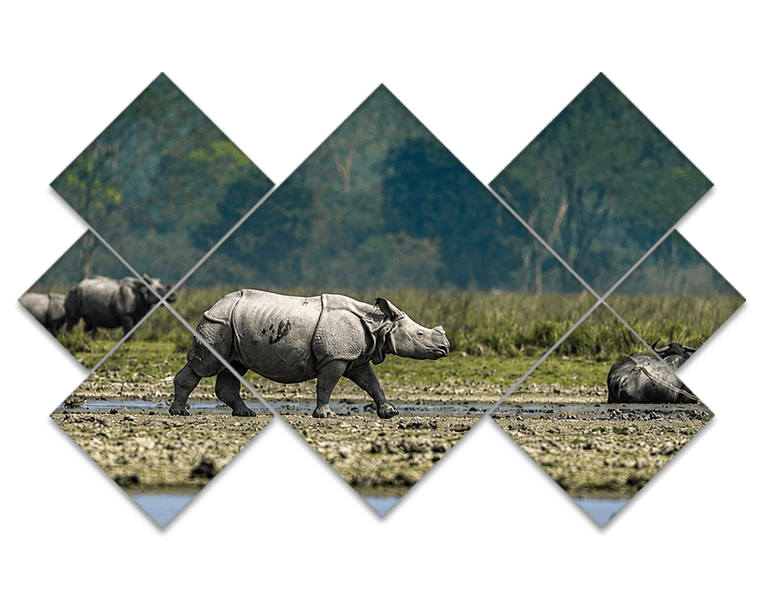
Table of Content:

About Assam

The first documented history of Assam has its roots in the 3rd century BCE when the state was part of the Mauryan Empire. It came to be ruled by the Ahom Kingdom during the 12th century CE, and this kingdom ruled Assam for almost 600 years. The Burmese became the rulers of Assam after the Ahoms in 1824 CE. Their reign over Assam lasted until 1826 CE when Assam came under British rule.

The British fought several wars with Myanmar to strengthen their grip over Assam and signed various treaties with indigenous rulers for this purpose. Assam became one of the primary sources of tea for the British during the 19th century. The British colonial administration initiated commercial tea production in the region after indigenous tea plants were discovered in the wild.

Separatist and ethnic violence has prevailed in Assam ever since the post-independence era. The recent years, though, have brought about some stability and peace.

Agriculture forms the pillar of Assam’s economy. Some of the primary agricultural products include tea, rice, tobacco, jute, timber, and oilseeds. The other crops grown in Assam are sugarcane, corn, pulses, fruits, potatoes, and mustard. Two of the central industries of Assam include tea and oil. Sal and other high-value tropical woods are also a major industry in the state.

Call us at +91 9940882200 to learn more about the state and culture, including food habits. Or, message us on Instagram for a curated Assam tour packages itinerary.

Tidbits About Assam

  • Assam is an anglicised version of the Ahom word Asama, which means peerless.
  • Assam is home to Asia’s largest dry fish market, the Jagiroad Dry Fish Market.
  • The city of Jorhat in Assam is known to be the tea capital of the world.
  • Assam is known to have the world’s largest tea growing area and produces about one-seventh of the world’s tea.
  • Assam is home to the smallest inhabited river island, Umananda Island.
  • The state also has the world’s largest river island called Majuli.
  • Bihu, the official festival of Assam, is celebrated thrice yearly in the state.
  • Rang Ghar is known to be one of the oldest surviving amphitheatres in Asia.
  • The Kaziranga National Park is home to the one-horned rhino.
  • The Jatinga Valley is infamous for the peculiar bird suicides that occur annually from September to November.

Assam At A Glance

Category Details
State Assam
Currency The Indian Rupee (INR)
Capital City Dispur
High season October to March
State Flower Foxtail orchid
State Animal One-horned rhinoceros
Languages Official: Assamese ; unofficial: Bodo, Bengali, Karbi
Famous Tourist Attractions Kaziranga National Park, Maa Kamakhya Temple, Manas National Park, Nameri National Park, Orang National Park, Kakochang Waterfalls
Things To Do Jeep safari, river rafting, rock climbing, trekking, parasailing, kayaking
Famous Food Duck meat curry, masor tenga, khar, paror mangxo, aloo pitika
Places To Visit Guwahati, Dibrugarh, Majuli, Jorhat, Tezpur
Souvenirs To Buy Assam tea, Assam silk, handicrafts

Essential Tips To Know Before Travelling To Assam

  • Learn basic Assamese words and phrases since English isn’t prevalent in the state.
  • During the peak season, wildlife safaris usually have limited availability. Therefore, booking in advance is preferable.
  • ATMs are rare in the rural areas. Carry sufficient cash with you, especially if travelling to the markets or remote destinations.
  • Autos, buses, and taxis are some of the easily accessible public modes of transport to travel around Assam.
  • The climate is typically humid, so pack breathable clothes and an umbrella. If you’re travelling during the winter, carry light sweaters and long-sleeved clothes.

Top Reasons To Visit Assam

Listed below are some of the multiple reasons why you must choose Assam tour packages:

Fascinating Culture

Assam is a conglomeration of diverse cultures. The land is home to various indigenous tribes, with each community having a distinct attire, tradition, and way of life. While caste distinctions exist, they are less prominent than in other parts of India. Several religions co-exist in Assam, including Hinduism, Islam, Buddhism, and Christianity. The culture of Assam is reflected in the folk songs, folk dances, cuisine, and traditional handicrafts you can witness during your trip. Bihu, for instance, is the most widely celebrated festival in the state, and it displays the glory of Assam through its grandeur.

Delicious Cuisine

Assamese cuisine is an important reason to visit the state. Assamese food is less spicy than food across India. The Assamese are mostly non-vegetarian and rely on two staple ingredients – rice and fish. However, you will also find unique meats like duck, pigeon meat, silkworms, and water snails. Some popular fish dishes you must try during your Assam tour packages include masor tenga and patot diya maas. Don’t forget to taste the endless kinds of pithas that Assam offers.

Enticing Wildlife

Given the multiple national parks in Assam, the state is an attractive option for wildlife enthusiasts. Situated amidst lush hills, valleys, and tranquil surroundings, Assam’s wildlife sanctuaries and national parks are ideal spots to come across creatures of various kinds. Some animals found in Assam include rhinos, leopards, elephants, tigers, water buffalos, gaurs, deer, and jungle cats.

Abundance Of Tea Gardens

A trip to Assam is incomplete without experiencing the soothing beauty of its tea gardens. Dibrugarh has many tea gardens for tourists to visit. Make sure to drink the aromatic and enticing Assam tea popular worldwide, and remember to carry some of it home with you. If you plan your trip to Assam during the winter season, you can also attend the tea festival hosted by the state.

Best Time To Visit Assam

The climate of Assam falls under the tropical monsoon rainfall category, characterised by heavy rainfall and high humidity. Having a moderate climate all year long, the summers in the state are warm, and the winters are mild. While the hills of Assam display a sub-alpine climate, the plains have more tropical weather and high humidity. Let’s look at what each season in Assam brings about so you can accordingly decide when to book our Assam tour packages:

Assam in Summer (April to June)

During the summer, the temperature in Assam ranges from 32 degrees Celsius to 38 degrees Celsius. Summers bring plenty of sun and humidity to the state. Assam tour packages between April and June can be fun as the rain won’t hinder sightseeing. Although the days are usually hot and sticky, the nights are much breezier and pleasant. Summer is the right time to indulge in numerous activities, such as trekking, river rafting, and parasailing. Bihu, the most significant festival in Assam, is celebrated now.

Book our Assam tour packages in advance if you plan to travel to Assam during this season. Remember that touristy areas like national parks are pre-booked. You must book your slot well in advance to avoid disappointment. Pack some monsoon gear as well, including umbrellas and waterproof jackets.

Assam in Monsoon (July to September)

The lowest temperature during the monsoon season in Assam is usually 26 degrees Celsius, while the highest can reach 32 degrees Celsius. Assam receives heavy rainfall during this time, so moving around can be tricky. Most tourists avoid visiting the state now, bringing down accommodation costs.

The good thing about the monsoon in Assam is that the state comes alive with blooming flowers and lush greenery. The forests and tea gardens look rejuvenated because of the heavy rains, offering picturesque views. Most wildlife parks in Assam remain closed during the rainy season, and outdoor activities such as trekking and river rafting are unavailable, too. Some festivals you can enjoy with your monsoon Assam tour packages include Bhado Ekadashi and Karam Puja.

Assam in Winter (October to March)

The lowest temperature in Assam during winter is 8 degrees Celsius, and the highest it goes up to is 20 degrees Celsius. There can be occasional rainfall. Hence, it is an ideal time to engage in adventure sports. Assam’s popular Tea Festival takes place during this season. You could experience mist and fog during the winter months, which often affect visibility, especially during the late evenings and early mornings. Since this is the peak tourist season, ensure your bookings are done in advance. Some other festivals you can experience during this season are Dehing Patkai Festival, Magh Bihu, and Ali Ai Ligang.

We suggest you carry warm clothes and a light sweater when packing for your winter Assam tour packages.

Infographic

  • Cheapest time to fly to Assam – March
  • Best time for trekking – October to April
  • Best time for river rafting – November to March

Top Things To Do In Assam

Availing our Assam tour packages entails engaging in several adventurous activities and visiting some of the most enthralling tourist attractions in the state. Keep reading to discover the best places to visit in Assam and the adventures to partake in during your holiday:

Things To Do As A Family

Kaziranga National Park

The Kaziranga National Park was declared a UNESCO World Heritage Site in 1985. Covering an area of 430 square kilometres, the park is home to two-thirds of the world’s Indian rhinoceroses. In 2006, it was declared a tiger reserve. The national park shelters almost 15 species of the country’s threatened mammals. Some wildlife you can spot at this location are barking deer, wild buffalos, the Indian elephant, the royal Bengal tiger, and swamp deer. The Kaziranga National Park usually remains closed from 1st May to 31st October every year, which is why the best time to visit the park is from November to April.

Maa Kamakhya Temple

The Maa Kamakhya Temple is known to be one of the oldest and most sacred of the 51 Shakti Peethas in India. It is located about 7 km from Guwahati in the centre of the Nilachal Hills. The temple is also the central temple of India’s Tantrik Shaktism cult. Another reason the temple is revered is because it’s the place where the practices and beliefs of the Aryan and non-Aryan communities coincide. Legend has it that Kamadeva, the Hindu god of love, built the original temple with help from Vishwakarma, the divine architect and the Hindu god of creation.

Manas National Park

The Manas National Park was declared a national park in 1990. The park was previously known as North Kamrup Wildlife Sanctuary, and the spot became a UNESCO World Heritage Site in 1985. It was initially created as the core of the Manas Tiger Reserve and is sprawled over 519.77 sq km. The park is located about 176 km from Guwahati and is home to about 55 species of mammals, 50 species of reptiles, 450 species of birds, and some amphibians. A couple of the creatures you can expect to see at the national park are the red panda, golden langur, pigmy hog, Asiatic buffalo, and Indian rhinoceros.

Bogamati

Bogamati is a picturesque location situated on the banks of the Bornadi River. It’s a perfect picnic spot and can be found in the Baksa district of Assam near the Indo-Bhutan border. The newly discovered place was inaugurated by the MLA of Tamulpur, Emanuel Muchahary, a couple of years ago. The name Bogamati translates to a ‘white river’ in Assamese. The responsibility for the safety of the tourists and keeping the area clean is on the Dawraijhar Eco-Tourism Society. Some activities around the region are trekking, rafting, and ropeway river crossing. You will encounter numerous bird species, plantations, and trees at Bogamati.

Nameri National Park

The Nameri National Park in the eastern Himalayan foothills is one of the seven national parks in Assam. It was initially established as a sanctuary in 1985 but later given national park status in November 1998. The park covers around 200 sq km. and is a paradise for birdwatchers as the park has more than 300 species of birds, including the white-bellied heron, slender-billed vulture, Bengal florican, king vulture, and white-rumped vulture. The national park is perfect for nature lovers and wildlife enthusiasts because of its rich flora and fauna. Some animals you could witness at this park are tigers, leopards, wild dogs, barking deer, sambars, and Asian elephants. If you’d like to book a safari at the Nameri National Park, call us when booking Assam tour packages.

Hailakandi

Hailakandi is located in the heart of the state’s Barak Valley and is 312 km south of Guwahati. Serving as the melting pot of numerous traditions and cultures, Hailakandi shares its borders with Assam’s Cachar and Karimganj districts as well as Mizoram. Almost half the district of Hailakandi is claimed to be covered by forests, the majority of which is yet to be explored. When you’re in Hailakandi, remember to visit the Siddyashar Bari Sib Mandir and Pach Pirr Mukam. The main language spoken in the Hailakandi district is Bengali.

Orang National Park

The Orang National Park, on the Brahmaputra River’s northern bank, is Assam’s oldest game reserve. Also known as mini Kaziranga National Park, it covers about 79 sq km. In 1985, it was established as a sanctuary and received the status of a national park in April 1999. The park has more than 220 bird species, including domestic and migratory birds. This is what makes it perfect for those interested in birdwatching. Various animals reside at the Orang National Park, such as deer, leopards, elephants, tigers, and wild buffalos.

Hajo

Hajo is a historic town near Guwahati. The town serves as an ancient pilgrimage centre for Hindus, Muslims, and Buddhists. It’s home to the Hayagriva Madhava Temple, built by King Raghudeva Narayan in 1583. As it’s located atop the Monikut hill, visitors must walk about 100 steps to reach the temple complex. The temple is devoted to Hayagriva, an avatar of Lord Vishnu and half-man and half-horse. This temple is revered among the Buddhists because they believe that this is where Buddha attained Nirvana.

Kakochang Waterfalls

The Kakochang Waterfalls are 116 metres high and located in Bokakhat, a few minutes from the Kaziranga National Park. The best time to visit is after the monsoon season, between October and March. When you visit the spot, make sure to wear shoes that provide enough support, as the area is surrounded by rubber plantations, making the region slippery. To reach this location, tourists must trek about 4 km from the village of Naharjan Gaon.

Padum Pukhuri

The Padum Pukhuri Pond is in Tezpur. Also known as Lotus Pond, a small island within the lake can be accessed via an iron bridge. You can also enjoy a round of boating at this spot. The pond has a musical fountain that puts up light and sound shows for tourists to enjoy. The lake makes for a perfect spot for family outings and picnics. The best time to visit Padum Pukhuri is between October and April amidst the pleasant weather.

Things To Do For Adventure Lovers

  • Jeep safari at Kaziranga National Park
  • River rafting at Brahmaputra River
  • River cruising on the Brahmaputra River
  • Rock Climbing in Guwahati
  • Trekking in Guwahati
  • Kayaking from the Charan Beel to the Lohit River

Top Cities to Visit In Assam

Guwahati

Previously known as Pragjyotishpura, Guwahati is situated between the Brahmaputra River and the Shillong plateau. Not only is Guwahati the largest city in Assam, but it’s also the biggest metropolis in northeastern India. The city’s name is derived from two Assamese words, wherein ‘guwa’ means ‘areca nut’ and ‘haat’ means ‘market’. Devotees and pilgrims flock over to Guwahati, which is a city filled with numerous temples, one of the most revered being the Kamakhya Temple. Some of the other temples where you can offer your prayers are the Umananda Temple, Navagraha Temple, and Ugratara Devalaya. If you’re in the mood for some shopping, do visit the Fancy Bazaar and Paltan Bazaar to get your hands on textiles, handicrafts, and local delicacies as they reflect the rich cultural heritage of Assam.

Dibrugarh

Dibrugarh is rightly known as ‘the tea city of India’ as it serves as the gateway to the three tea-producing districts in Assam, namely Dibrugarh, Tinsukia, and Sivasagar. These three regions produce close to half of India’s Assam tea crop, thereby justifying the title given to Dibrugarh. Situated 439 km east of Guwahati, Dibrugarh is the largest city in Assam. The city is known to receive urban development aid from the Asian Development Bank (ADB), and serves as the centre of healthcare, communication, and industry in India’s upper Assam region. As you explore Dibrugarh with our Assam tour packages, make sure to visit the Dehing Patkai National Park, Jeypore Rainforest, and Sri Jagannath Temple.

Majuli

Majuli is a freshwater island in the Brahmaputra River and is known to be the largest inland river island in the world. Located about 40 km away from Jorhat in Assam, the Majuli Island covers a total area of 1,250 sq km. Due to the distinct cultural importance and vibrant beauty of the island, it’s a strong contender for inclusion in the list of UNESCO’s World Heritage Sites. It has earned the title of being the cultural capital of Assam due to its neo-Vaishnavite heritage, high tribal population, and for being the hub of pottery, mask making, boat making, and so on.

Jorhat

Serving as the headquarters of the Jorhat district, the city of Jorhat has been bestowed with the title of ‘the tea capital of India’. This is because of the several tea plantations that Jorhat is home to, which also make for some of the most popular tourist destinations. It also houses one of the oldest and largest tea research centres in the world, known as the Tocklai Tea Research Institute (TRA). The city is situated about 138 km from Dibrugarh and 305 km from Guwahati. Some of the other must-visit tourist attractions in Jorhat are Thengal Bhawan, Hollongapar Gibbon Sanctuary, and the Jorhat Science Centre and Planetarium.

Tezpur

Tezpur is a city situated in Assam’s Sonitpur district on the northern bank of the Brahmaputra River. Owing to Tezpur’s rich historical past, heritage sites, and mythological tales, the city is known as the cultural capital of Assam. It’s also called ‘the city of eternal love’ because of the love story of Usha and Aniruddha, which is derived from Assamese folklore. Since the famous Tezpur University is located near Tezpur, some of the common tourists in the city are students and young adults. The best spots to visit in Tezpur are Mahabhairab Temple, Agnigarh, Chitralekha Udyan, and Bamuni Hills.

Shopping In Assam

Shopping certainly is one of the most joyous parts of any trip. When you go around Assam with GT Holidays’ Assam tour packages, here are the things to shop for and the places to shop them from:

What To Buy

Assam Tea

Assam tea is known for its rich taste and smooth, malty flavour. If you like to taste different kinds of tea, buying a few batches of Assam tea during your trip is a must. You can try getting them from any government-recognised outlets or stores close to the tea estates.

Assam Silk

Assam produces various kinds of silk, including muga silk, paat silk, and eri silk. The mekhela chador silk sarees are popular souvenirs. Although Sualkuchi is the main place to shop for silk, they are also available at several stores across the state.

Handicrafts

Assam is one of the best destinations for handicrafts. Since cane and bamboo products are extremely popular in Assam, you can get several products under this category for yourself and your loved ones. This includes lampshades, mats, bamboo handbags, and makeup mirrors.

Jewellery

Assamese jewellery is an integral part of Assamese culture. The state’s jewellery is usually handmade and features the region’s flora and fauna. Traditional Assamese jewellery is typically simple and decorated with gemstones.

Where To Shop

  • Fancy Bazaar: For jewellery, clothes, artefacts, handicrafts.
  • Pan Bazaar: For spices, tea, handicrafts, handwoven fabrics, Assamese attire, books.
  • Paltan Bazaar: For accessories, clothes, home décor, fresh produce.
  • Silkalay: For silk items and clothes.
  • Maati Centre: For handloom, handicrafts, accessories, tea.

Things To Remember When Shopping In Assam

  • Haggling at the local markets is quite common.
  • Shopping during the festivals can help you get some great discounts.
  • Learning some basic Assamese phrases can help you have better interactions with the shopkeepers, and it could also fetch you discounts on your purchases.

Foods To Try Out In Assam

The cuisine of Assam reflects the state’s unique culture and traditions. Not only is Assamese food different from the cuisines available across the country, but it’s also distinct from the other northeastern states. Assamese cuisine is influenced by the fishing traditions of the region and uses a lot of condiments, herbs, and exotic spices. You will find that the dishes in Assam are mostly mild and are made with fewer spices and oil. Being the ethnically diverse state that it is, this diversity is seen in its cuisine, which is influenced by Bengali food.

The distinct sourness in Assamese food often comes from the use of fermented foods such as vegetables and fish. The locals make use of garlic, ginger, and chilli peppers quite generously in their dishes. Owing to the many rivers and lakes that the state is home to, there are plenty of fish dishes you will find in Assam that are presented in cooked, dried, and smoked varieties. Let’s now take a look at the various delicious items you can try out in the state with our Assam tour packages:

Duck Meat Curry

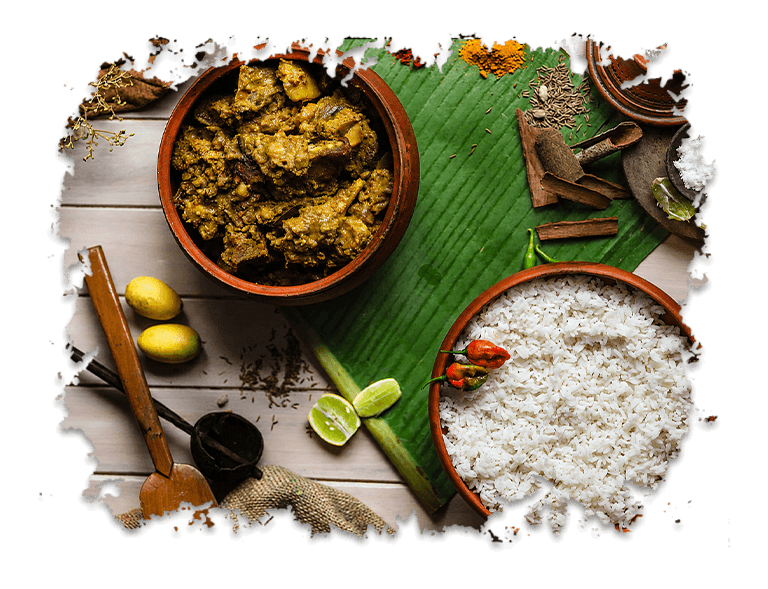
Duck meat is one of the most popular meats consumed in Assam. Duck meat curry, which is locally known as hanhor mangkho, is made using duck meat and ash gourd. The state’s Tai Ahom community is known to prepare this dish for special occasions and when guests come over. Ash gourd or white gourd is chosen for this preparation because its fragrance perfectly accentuates the flavour of duck meat.

Duck meat curry is a winter favourite in Assam. It uses lentils, sesame seeds, and pumpkins. A special kind of ash gourd, known as joha kimura, is used to make this Assamese speciality, which has the aroma of joha rice.

Masor Tenga

Assamese people love using fish in their dishes, particularly catla and rohu, and the beloved masor tenga is a celebration of this fact. The word ‘tenga’ means ‘sour’ in Assamese, giving a hint about the sour, tangy, and lightly spicy taste of this dish. The primary ingredients used to make this dish are rohu or catla, potatoes, tomatoes, ridge gourd, and kokum. The elements that enhance the unique flavour of this fish curry are mustard seeds, panch phoran, and fenugreek. Some also make use of mangosteen or lemon to impart the tangy flavour to this concoction. If you order a traditional Assamese thali, you will probably get to taste this dish.

Khar

Khar is the name for an Assamese dish and ingredient. It refers to a dark liquid consumed at the beginning of a meal, as it is believed to cleanse the digestive system. To prepare Khar, banana peels are sun-dried, ashes are collected from the burnt peel, and finally, they are filtered using fresh water. Various ingredients, including fish, meat, lentils, vegetables, and spices, go into making this dish a delicacy.

Paror Mangxo

If you’re a non-vegetarian who likes to experiment with their food, then try out pigeon meat in the form of paror mangxo, which refers to the pigeon meat curry that’s famous in Assam. It’s particularly a favourite during the colder months as it’s believed to have warming properties.

Pigeon meat curry is usually eaten along with koldil or banana flower, which refers to the edible buds of a banana plant. Some of the ingredients used to make this dish are potatoes, onions, turmeric powder, mustard oil, ginger, tomatoes, chilli powder, and coriander. Many Assamese people believe that consuming parlour mango aids in curing ailments such as colds, coughs, and fevers.

Aloo Pitika

Aloo pitika, when eaten along with rice and dal, is the ultimate comfort food to consume in Assam. Think of an Assamese version of mashed potatoes, which is basically what aloo pitika is. Some of the common ingredients used to make this dish are mustard oil, raw onions, and green chillies. You can also add elements such as boiled eggs, pumpkins, dried fish, red lentils, gourds, and cilantro leaves to amplify the deliciousness of this Assamese delicacy. It can be consumed for lunch as well as dinner, and some also pair it up with pickles when being consumed with rice.

Silkworm

Did you know that Assam is the world’s largest producer of muga silk? Well, in case you didn’t, let us tell you another fun fact: Silkworm is a unique delicacy to try out in Assam. Even though it may sound a bit intimidating, it’s definitely worth trying if you’re up for a little culinary adventure. It has a liquid and soft interior, and the exterior is crunchy. Stir-fried silkworms are a popular snack at the streetside stalls in Assam.

Pitha

Pitha is a beloved Assamese snack consumed during the festival of Magh Bihu. There are numerous varieties of pithas available, and they can be cooked in various ways. Some of the types of pithas available include sweet, savoury, fried, and steamed. The pithas in Assam are either made from bora saul, which is a type of glutinous rice, or xaali saul, which is a kind of sun-dried rice. Pithas are usually stuffed with jaggery and coconut. This dish is particularly popular in Assamese households during the winter season.

Ou Khatta

Chutney lovers must take a note of the fact that ou khatta is a kind of chutney available in Assam that is served along with rice and curries. Having a mix of sweet and sour flavours, this chutney is made using jaggery and elephant apple. In order to make this chutney, elephant apple – which is a common ingredient in several Assamese dishes – is boiled and mashed lightly, after which it is sauteed in mustard oil. Lastly, jaggery is inserted into the mix. The sweetness of the jaggery presents a nice contrast to the sourness of the elephant apple and mustard. Some even add ginger garlic paste or chilli powder to the recipe to make it slightly spicier.

Art And Culture In Assam

Folk Music

Among the many categories of folk music that exist in Assam, one of the most popular ones is Bihu geet, which refers to the folk songs that are sung during the popular Assamese festival of Bihu. Most of these songs are centred around the subject of love. There is the genre of Kamrupi lokgeet that displays the emotions and thoughts of the Kamrupi people residing in the colonial Kamrup district of Assam. Some of the popular artists of Assamese folk music you can listen to are Bhupen Hazarika, Jayanta Hazarika, Nirmalendu Chowdhury, Parvati Prasad Baruva, and Utpalendu Chowdhury.

Traditional Dances

Bihu dance is not only the most popular folk dance of Assam but also reflects the state’s traditional heritage. The dance is connected to the Bihu festival, which is celebrated gloriously in Assam. Sattriya dance is a popular classical dance which originated in Assam in the 15th century A.D. Srimanta Sankardev introduced it to spread the religion of Vaishnavism. There is the Ali Ai Ligang dance, which is performed by Assam’s Mising community. It expresses the ups and downs a person faces during their lifetime, and some of the instruments used to perform such a dance are drums, flutes, and gongs.

Arts and Crafts

Assam is home to a wide variety of traditional crafts. This includes jewellery making, woodcraft, terracotta work, pottery, mask making, toy making, silk and cotton weaving, bell metal and brass craft, and cane and bamboo craft. Weaving, which is an ancient practice in the state, forms a major part of Assam’s heritage and culture. Women are the primary weavers of Assam’s handloom industry.

Festivals

Bihu is the biggest festival in Assam, and it’s celebrated in the state thrice throughout the year, in the form of Bohag Bihu, Magh Bihu, and Kati Bihu. Bohag Bihu is a sowing festival celebrated in April, marking the beginning of spring and the Assamese New Year. Kati Bihu involves rituals wherein people pray for a good harvest and seek blessings so that the crops remain protected against diseases and pests. Magh Bihu celebrates the end of the harvesting season.

There is the Ambubachi Mela which is held at the popular Kamakhya Temple every year during the monsoon season. Celebrated for a period of four days, it marks the annual menstruation of the deity found within the temple. The Bodo–Kachari people of Assam celebrate the Baishagu Festival to usher in the new year. During this festival, the younger lot seek the blessings of their elders and offer their respects.

Dos and Don’ts For Indian Travellers

  • Always take permission before taking pictures of a local or with them.
  • Dress conservatively when visiting a religious site.
  • Try to avoid buying merchandise or crafts that are made from endangered or protected animals.

Travel Tips

visa_information_icon

Visa Information

Check visa requirements before traveling, ensuring a smooth entry and compliance with destination regulations.

health and safety tips icon

Health and Safety Tips

Prioritize health, stay hydrated, follow safety guidelines, and maintain personal hygiene for a secure journey.

currency and tipping icon

Currency and Tipping

Familiarize with local currency, consider customary tipping practices for respectful and seamless travel experiences.

Share Your Ideal Tour: Let Us Customize!

FAQs:

What are the ancient names of Assam?
The ancient names of Assam were Kamrupa and Pragjyotisha.
What is Assam famous for?
Assam is known for many things, including Assam tea, Assam silk, national parks, tea gardens, wildlife, and its lush greenery.
How many days are enough for a trip to Assam?
We recommend that you keep aside anywhere between six and eight days for a trip to Assam.
What is the state tree of Assam?
The state tree of Assam is the hollong tree.
Which is the hottest month in Assam?
August is usually the hottest month in Assam.
Which city in Assam is known as the ‘city of blood’?
The city of Tezpur in Assam is known as the ‘city of blood’.
Which is the state fruit of Assam?
The state fruit of Assam is the kaji nemu.
Which is the smallest district in Assam?
The smallest district in Assam is the South Salmara-Mankachar district.
Which city is called the cultural capital of Assam?
Jorhat is called the cultural capital of Assam.
What is the state bird of Assam?
The state bird of Assam is the white-winged wood duck.

Book Your Dream Vacay Today!

=
×

Enquire Now

=