1

Tour Package

Home » Tour Packages » India Tour Packages » South India Tour Packages » Chettinad Tour Packages

Chettinad Tour Packages

Main Hub of Chettinad: Karaikudi

SUPER DEAL PRICE

STARTS FROM

per person on twin sharing
One of India’s most traditional destinations: Chettinad
South India’s No.1 Travel Brand
Chettinad Palace
Most iconic heritage mansions
October - March
Best Season to Visit Chettinad
Pillayarpatti Temple
Ancient rock-cut temple in Chettinad
Tamil, English
Languages Speaking
Essential Tips for Travelling to Chettinad
ATMs

ATMs are available in major towns.

Credit Cards

Cash and UPI payments are accepted everywhere.

Bank

Banking services are easily available.

spiritual icon

The legal drinking age in Chettinad is 21.

Safest

Residents are known for their warm hospitality.

Chettinad - Overview
chettinad tour map

By Purpose

tour package tourism

Couples

For Newlywed Vacations

tour packages business

Family

For Family Vacations

Top Travel Destinations

Chettinad Mansions

Chettinad Palace

Athangudi Village

Pillayarpatti Temple

Ayyanar Temples

Chettinad Museum

Soorakudi Temple

Vairavanpatti Temple

Ilayathangudi Temple

Avudaiyarkoil Temple

Kundrakudi Murugan Temple

Kamban Mani Mandapam

Everything You Need to Know About Chettinad

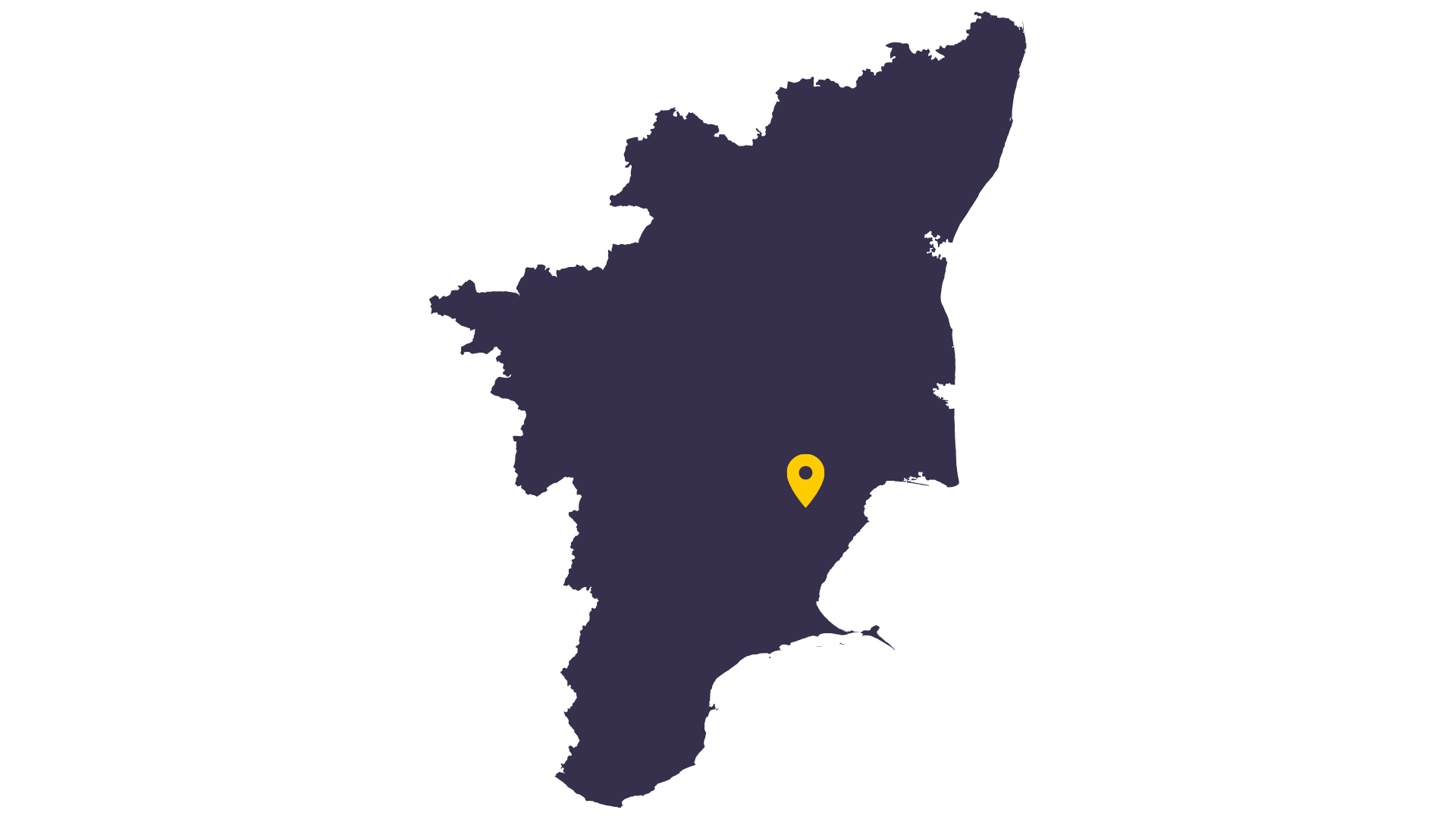
Chettinad is not a district or city; rather, it refers to a geographical region comprising around 76 villages spanning Sivagangai and Pudukottai districts. The region is famous for its opulent mansions, distinct cuisine, artefacts, and a heritage-focused landscape. Some of the famous villages/towns where Chettinad culture can be best experienced include Karaikudi, Kanadukathan, Athangudi, Kothamangalam, and Kandanur. A visit to any of these villages or towns is the best way to learn how the extensive trading practices of Chettinad’s majority community, the Nagarathars, helped shape the region’s art, architecture, fashion, and cuisine.

About Chettinad

As we discussed earlier, Chettinad refers to a triangular geographical region of approximately 1500 sq km, encompassing around 76 (traditionally 96) villages in the districts of Sivagangai, Pudukottai, and some parts of northwest Ramanad. The region is named after the Nattukottai Chettiar community, also known as Nagarathars, which settled here after leaving Kaveripoompatinam. Chettinad literally means Land of the Chettiars, although several other castes and communities have lived here for centuries.

Since the region was dry and arid, with little scope for agriculture, trading became the main occupation of the Nattukottai Chettiar community. They primarily traded in salt but later moved into gems, pearls, silk, and spices across Southeast Asia. The community also lent money to agriculturalists across the British dominions in these countries: Burma, Sri Lanka, Singapore, Indonesia, Vietnam, Cambodia, Laos, Southern Thailand, and various peninsular states of Malaysia. Their travels to these countries introduced them to various architectural practices, unique raw materials, and exclusive cooking practices. These Chettiars brought these experiences back to their villages to build grand palatial homes.

Today, while most Chettiars have moved to cities and even settled outside India, their homes are still maintained by servants or relatives who haven’t migrated. Some have been sold and converted into heritage hotels because maintaining these homes is very expensive.

As part of their Chettinad tour packages, guests can stay in these centuries-old heritage hotels, enjoy sumptuous Chettinad cuisine, explore Chettinad villages, and learn more about the art, architecture, and traditional practices of the Nagarathars.

Did you know the term Nattukottai Chettiar comes from the fact that the rich Chettiars built palatial homes (Kottais) that rivalled those of kings. Since they built these in their native villages, called Naadu in Tamil, they were called Nattu Kottai Chettairs, i.e., Chettiars who built ‘Country Forts’.

History

Since the Nattukottai Chettiars are at the heart of your Chettinad experience, we discuss their history here. It is believed that the Nattukottai Chettiars originated in the mythical land of Naganadu, an ancient region probably located in Sri Lanka. They migrated from Naganadu (also called Nagatheevu) to Kanchipuram and later Kaveripoompatinam (also called Poompuhar), where they traded in salt. Around the 8th century, they shifted inland to Pandiyanad (present-day Karaikudi and its surrounding regions) on the invitation of the then Pandya King Soundara Pandiyan, who granted them lands.

The Chettiars moved away from Poompuhar to escape from a tsunami that submerged the entire city, forcing them to flee to safer lands. Much of this is oral history, and not much has been found about them in historical texts.

Later, with the rise of the British Empire, the Nagarathars grew in dominance because of their trade practices. The Chettiars were established bankers, managed through their joint family network called Valavu. The opening of the Suez Canal helped the Chettiars flourish in pan-continent trade, financing commodities such as cotton, tea, rubber, rice, and tin in countries including Ceylon, Burma, Malay, Indonesia, Laos, and Siam.

The Japanese occupation of most Southeast Asian countries during the Second World War led to their decline, and the Chettiars had to wind up their businesses and seek opportunities in India. Not all Nagarathar traders were able to regain their business interests in India, but some were lucky enough to expand into banking and other businesses. For instance, the Indian Bank and the Indian Overseas Bank were established with the support of eminent Chettiars such as Ramasamy Chettiar, Chidambaram Chettiar, and Annamalai Chettiar.

Did you know – the term Nagarathar refers to city dwellers, because they migrated from the ancient Chola city of Kaveripoompatinam and settled in the Pandya region.

Geography

The districts of Sivagangai and Pudukottai are semi-arid with high temperatures and very low rainfall. While April and May are the hottest months of the year, temperatures are consistently above 30 °C.

Economy

While agriculture isn’t huge, the regions in and around Pudukottai are known for groundnut cultivation, along with millets, cotton, and pulses, thanks to the irrigation provided by the Grand Anaikat Canal. As for Sivaganga, the region is known for its cultivation of sugarcane, groundnut, pulses, chillies, coconut, and sesame.

Tourism is a growing industry, driven by increased interest in heritage tours. Many erstwhile palatial homes, such as The Bangala and Visalam, have been converted into heritage hotels that offer a comprehensive Chettinad experience to guests.

Tidbits About Chettinad

  • Chettinad is not a single city or town; rather, a geographical region with a common history, culture, and architecture.
  • Chettinad is famous because of the ancient trading community of Nagarathars, also called Nattukottai Chettiars.
  • The entire Chettinad region comprises palatial houses filled with antiques and intricate wooden embellishments.
  • Chettinad literally means Land of the Chettiars. The region gets its name from the Chettiars, a mercantile community that once traded in precious stones, spices, salt, and other items from India.
  • The ubiquitous Chettinad Chicken isn’t really a Chettinad dish; it is rather a variation of the traditional Milagu Chicken Varuval.
  • At their peak, the Chettiars were moneylenders to the East India Company.
  • Chettiar homes are often considered part of the Sacred Vernacular Architecture. The flooring is made from a mixture of egg and lime powder.

Chettinad At A Glance

Category Details
State Tamil Nadu
High season October to March
Languages Spoken Tamil, English
Famous Tourist Attractions Chettinad Palace, Pillayarpatti Temple, Thirumayam Fort, Athangudi Mansion, Chettinadu Mansion, Karaikudi Antique Market, Kundrakudi Murugan Temple, Chettinad Museums, Cuisine
Things To Do Sample Chettinadu Cuisine, Explore Chettinad Heritage & Architecture, Shop for Local Handicrafts, Visit Museums, Tour the Temples
Famous Food Mutton Chukka, Kuzhi Paniyaram, Chicken Chettinad, Milagu Kozhi Varuval, Ennai Kathirikai, Nandu Masala
Souvenirs To Buy Chettinad Handloom Sarees, Palm Leaf Baskets (Kottans), Brass Vessels, Chettinad Snacks, Tanjore Paintings, Athangudi Tile Coasters

Things to know Before Booking Chettinad Tour Packages

  • Remember to include exclusive experiences like cooking workshops, tile making demonstrations, kolam making workshop, garland making lessons, village walk, and bullock cart rides with your Chettinad tour packages.
  • November to March is the best time to book Chettinad tour packages, allowing you to explore the region’s heritage and architecture when the sun isn’t as intense.
  • Look for activities offered at the heritage resort you will be staying at to ensure an authentic experience.
  • Irrespective of the season, remember to travel in an AC vehicle for local sightseeing as the climate can be brutal, especially in the noon.
  • Some places, like the Kanadukathan Palace, require prior permission – check with your tour manager if these permissions are arranged beforehand.
  • Wear light cotton irrespective of the season you are visiting.
  • Wear comfortable footwear as you may have to remove them frequently when touring homes or visiting temples.

Top Reasons To Choose Chettinad Tour Packages

Chettinad Architecture

The Chettiars poured a massive portion of their wealth earned from their trade and banking across Southeast Asia. They built opulent mansions to accommodate their extended families and ensured their comfort by importing luxury materials such as marble from Italy, teak from Burma, chandeliers and mirrors from Belgium, granite from Spain, cast-iron pillars from Britain, and tiles from Japan. Today, you will find over 10,000 such mansions across Chettinad villages – in fact, it is not surprising to see complete streets full of these houses. Sadly, some have become derelict or are falling into disrepair. However, a lot of these mansions have been restored and converted into heritage hotels. In some homes, family members have settled in far-flung corners of the world and return home for temple festivals, weddings, and other events. Their homes are usually managed by their trusted caretakers.

While Chettiar homes are opulent and glamorous, safety was a major concern, since most traders were away for months or even years, leaving their families behind to be safe and secure. On average, every mansion had at least 50 to 60 rooms with multiple courtyards, and could span an acre or more. The main courtyard, called Valavu, is where everyone gathers for weddings and other ceremonies. There were designated chambers for specific occasions. For instance, business was conducted by men at Pattagasalai, while the back of the house was reserved for women and their kitchen. It was divided into different parts – Irandankattu, or store room; a stable to house the cows for milk; a well; and Adukala, or kitchen; together, they were called Moondram Kattu.

But it is not just the Chettinad houses that are famed for their unique architecture. You can find glimpses of this vernacular architecture in Chettinad temples. In most cases, the Sthapathis (traditional architects) of the temples and Chettinad homes were the same, so it is not surprising to find overlapping aesthetic sensibilities. For instance, the ceiling art in the Kalyana Mandapam at the Kundrakudi Murugan Temple is sure to be a highlight of your visit, as you can see exquisite paintings depicting mythological stories.

Chettinad is also famous for its numerous Ayyanar Temples, which are adorned with terracotta horse statues. According to folklore, Ayyanar is the guardian deity protecting the villages and their inhabitants, and the horse is his vehicle. Devotees often thank the deity for wishes granted by dedicating a terracotta horse to Ayyanar, which is placed around the temple or around Ayyanar’s shrine. While there are plenty of such temples around Chettinad villages, don’t miss the beautiful Solai Valartha Ayyanar Temple near Palathur.

Antique Shopping

With Chettinad’s prosperity declining, maintaining the houses became a massive logistical and financial nightmare for their owners. At their peak, there were around 50,000 -60,000 Chettiar mansions in the 96 Chettinad villages. Over time, the villages shrunk to 76 (73 by some accounts) and only around 10,000 such mansions remain.

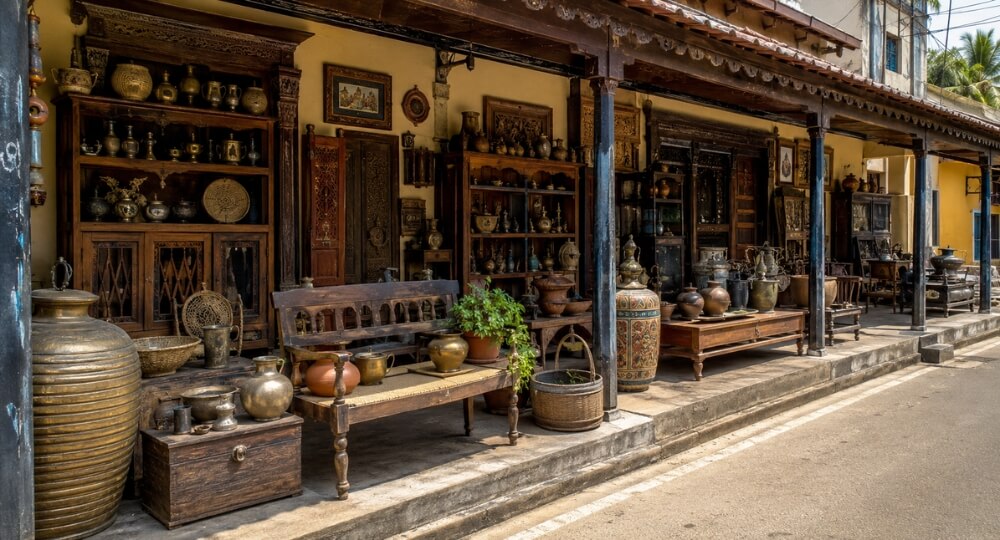
Homeowners who could not afford to maintain them sold off the houses, and the artefacts from these palatial bungalows were sold off to art connoisseurs. Even the ones who haven’t sold off their homes sell the metal and wooden artefacts and furniture. Head to Muneeswaran Street in Karaikudi if you’re interested in antique artefacts like brass utensils, vintage enamel or ceramic-coated vessels (called Mangu Pathiram), bronze idols, unique door knockers and locks, elaborately decorated teak doors, Tanjore paintings, trinkets, coins, Murano glasswork, Chinese vases, wooden rocking chairs, brass benches, and even curios like old gramophones and radios.

Most of these are used, but if you’re lucky, you could find unused vessels, as they may have been received as dowry. Even if you aren’t buying anything, we suggest you visit the Karaikudi antique market for some window shopping. Mind you, some of these may look worn out and faded, but would cost a fortune at a luxury gallery. In fact, thanks to the internet, many astute tradesmen from Mumbai and other cities buy them for dirt, refurbish them, and resell them at exorbitant prices.

Heritage Walks

Chettinad is different from other tourist destinations in that exploring its people’s culture and history is integral to your vacation experience. Even checking into your room in a heritage hotel is a different experience. Unlike in conventional hotels, where you are given a key card, here your room key is about the size of your hand and made of metal. It is often presented in a giant wooden box by attendants wearing Veshties, traditional Tamil attire.

In fact, most Chettinad tour packages include a curated tour of the village around your heritage hotel. As guests, you get an exclusive tour of the mansion, along with a detailed explanation of its design layout, craftsmanship and the history surrounding it. You can join the chef, who is almost always the family cook, who has been serving the mansion’s inhabitants for generations, and learn from him the typical Chettinad dishes and spices. Or, join the hotel staff as they visit the local Sandhai (weekly market) to procure vegetables and other items for the mansion.

You can visit the neighbouring temples and Kuladevi (family deity) temples and watch locals performing special and everyday Pujas. You can take a short village tour on foot or by cycle and enjoy sumptuous Chettinad snacks from roadside eateries. There are plenty of homes that allow tourists to tour their homes for a small fee. Or, if you can convince the homeowner or their housekeepers, you can take a tour of the many private residences.

Typical Chettinad tour packages also include stops at antique shops, local textile looms where you can learn about Chettinad handlooms, tile-making units, and other small-scale craft units.

Besides the typical tourist attractions like Thirumayam Fort and Pillayarpatti Temple, don’t miss the quaint and little-known temples in these Chettinad villages.

Chettinad Cuisine

The travelling Chettiar brought back influences from faraway lands to his hearth, eventually shaping Chettinad cuisine to what it is today. For instance, Karuppu Kavuni Arissi, or forbidden rice, was introduced to the region from Burma. The Chettiar women made a delicious sweet pudding from this called Kavuni Arissi Halwa or Kavuni Arissi Payasam, which is now an essential feature of Chettinad wedding menus. Their trade also helped introduce exotic spices like star anise, Kalpasi (stone flower), blue ginger (galangal), and Marathi Moggu (Kapok Buds).

As a result, Chettinad cuisine is unlike any other regional cuisine in Tamil Nadu. It is packed with flavours, uses elaborate cooking techniques, and is sure to tantalise your taste buds. Did you know the Chicken Chettinad, famously sold as Chettinad’s most famous export, isn’t traditionally made in Chettinad kitchens? Rather, the Milagu Kozhi Varuval is the closest Chettinad Chicken dish you will find here. It is less spicy and not as fiery as you would find in restaurants.

But perhaps the best thing about Chettinad food is the elaborate breakfast options, ranging from Idiyappam and Appam to Kuzhi Paniyaram and Paal Paniyaram. Other breakfast dishes include Vellai Paniyaram, Kavuniarissi sweet, Aval Kichadi, Thinai Dosai, and Sevai. These are served with an array of chutneys like Kaara Chutney, Kothamalli Chutney, Kathirikkai Kosamalli, Takkazhi Gothsu, and Ennai Kathirikai.

While the Chettiars were traditionally leaning towards vegetarianism, their travels helped them develop a taste for non-vegetarian food. Today, Nandu Masala (crab masala), Nandu Rasam (crab soup), Eral Masala, Sura Puttu (Shark scramble) and Mutton Chukka are considered quintessentially Chettinad.

You must sample some of Chettinad’s authentic dishes at one of the many messes in and around Karaikudi. Some of these messes are refurbished heritage homes, allowing guests to enjoy Chettinad culture while sampling the region’s food.

Authentic Handicrafts and Handlooms

The Nagarthars were great connoisseurs of art and crafts. When it became a logistical headache for the Chettiars to import handcrafted Japanese Majolica tiles, they encouraged local artisans to replicate the craft using locally available materials such as river sand, cement, and oxides – perhaps the first-ever Make in India initiative! Today, over 200 years later, these glossy handmade tiles, now called Athangudi tiles, are at the heart of the Chettinad architectural style. As part of your Chettinad tour packages, you will visit small cottage units where these tiles are made to learn more about the process and even try your hand at making a tile.

Another famous Chettinad export is the Kandangi Sellai, or handwoven cotton sarees made using the thicker 40-count cotton to ensure they last longer. The Kandangi saree carries a GI tag and bears typical checkered patterns and temple borders. The borders often contrast with the body colour and look vibrant. You can visit a handloom unit to learn more about the process and even try your hand at weaving.

And if you are interested in brass items, head to Ariyakudi to learn how artisans have been handcrafting traditional lamps for centuries. You will learn what makes these lamps stable and long-lasting.

Head to Koviloor to learn more about the art of stone carvings from the many workshops located in the village.

Chettinad Culture

Tradition and hospitality are at the heart of Chettinad culture – the wealthy Chettiar merchants took great pride in making their guests feel welcome. Chettiar homes are known for their massive kitchens where food was cooked in large cauldrons and served to hundreds of guests in their long Bhojanasalai (dining hall) simultaneously. Even the homes were filled with luxurious materials sourced from across the world to impress guests and showcase their affluence.

At the heart of the Chettinad household is the Aachi, or the matriarch of the family, who politely guided the younger generation and house staff when arranging family gatherings and festival reunions. It was her responsibility to care for guests, putting their comfort above everything else.

Even today, you will find Chettiar heritage hotels extending this hospitality to their guests. Some hotels, like The Bangala, are managed by Aachis, who are proud of their heritage and make it their mission to make visitors feel at home.

Most staff at the heritage hotels are local villagers who are inherently polite and genuinely interested in making your stay comfortable. To experience and enjoy this aspect of Chettinad culture and hospitality, we suggest you stay at one of the Nattukottai Chettiar mansions as part of your Chettinad tour packages.

Best Time To Choose Chettinad Tour Packages

The Chettinad regions of Sivaganga and Pudukottai experience two distinct seasons – summer and monsoon. Due to consistently high temperatures year-round, winter is rarely experienced. But temperatures do drop between November and February, making the region slightly cooler. Read on to learn more about the different seasons and the best time to choose Chettinad tour packages.

Summer (March to June)

Summer is extremely hot, dry, and humid, with temperatures ranging from 32°C to 38°C, and sometimes reaching 40°C in May during the peak of summer. Night-time temperatures are pleasant, ranging from 26°C to 28°C. It’s best to avoid travelling during the noon, as you could get heatstroke. But if your idea of a pleasant holiday includes staying within the comforts of your heritage hotel, summer is a good time to book budget Chettinad tour packages. And if you are visiting some of Chettinad’s temples and other historic places, we suggest travelling by air-conditioned vehicles.

Monsoon (June to December)

The Chettinad regions of Sivaganga, Pudukottai, and (parts of) Ramanad receive some southwest monsoon rainfall between June and September, but the bulk of their monsoon is from October to December when the northeast monsoon clouds hit the country’s east coast. While rainfall is low, the region is exceedingly humid, creating a muggy atmosphere. It is relatively less humid (around 60% to 70%) between June and September, but it can rise to 90% in November and December, making it uncomfortable and miserable. Clearly, this is not a good time to book Chettinad tour packages.

However, if you’d like to experience Chettinad’s culture firsthand, this is the best time to visit the region, as most temple festivals are held between July and September.

Winter (December to February)

The pleasant weather and the many festivities planned during this season make winter the best time to choose Chettinad tour packages. Daytime temperatures range from 28°C to 33°C, and they can drop to 23°C at night. We suggest checking for weather updates if you are booking packages in December, as this region is prone to cyclonic flooding during the northeast monsoon.

Some of the region’s prominent festivals, such as Thaipoosam, Pillayar Nombu, Pongal, Sevvai Pongal, Aipasi Mudhal Muzhukku, are celebrated in winter. The region also hosts multiple cultural events like the Chettinad Heritage and Cultural Festival and Kalai, an art and architectural festival.

Top Tourist Attractions In Chettinad Tour Packages

Chettinad Mansions

Until the 1960s, there were around 50,000 to 60,000 mansions in Chettinad. Today, only 10,000 remain; some have been converted into heritage hotels, while many are in ruins. As part of your Chettinad tour packages, you can visit some of the famous and lesser-known mansions to learn more about their history and architecture and admire their beautiful antique furniture.

Chettinad Palace, or Kanadukathan Palace, is the region’s most famous and largest palace, spanning around 6.5 acres. It was built by Rajah Sir Annamalai Chettiar and took seven years to construct. The palace features luxurious fittings like Italian marble and Japanese tiles. The Kanadukathan Palace is not open to the public. You need to know someone in the family, or book your accommodation through hotels with connections to get you in.

The Ayiram Jannal Veedu or the Thousand Window House is another popular Chettinad mansion in Sekkalai, Karaikudi. For a small fee, you can take a tour of this house, which could easily be more than an acre and is filled with ornate wooden carvings and intricately sculpted brass artefacts.

Athangudi Palace, also known as Periya Veedu, was originally called Sri Letchmi Vilas and is one of Athangudi’s iconic Chettinad mansions. It was built in the early 20th century by N. AR. Nachiappa Chettiar features over 60 rooms decorated with artwork from across the world and ornate hand-carved pillars. You can book a 30-minute tour of this place by paying a small entry fee.

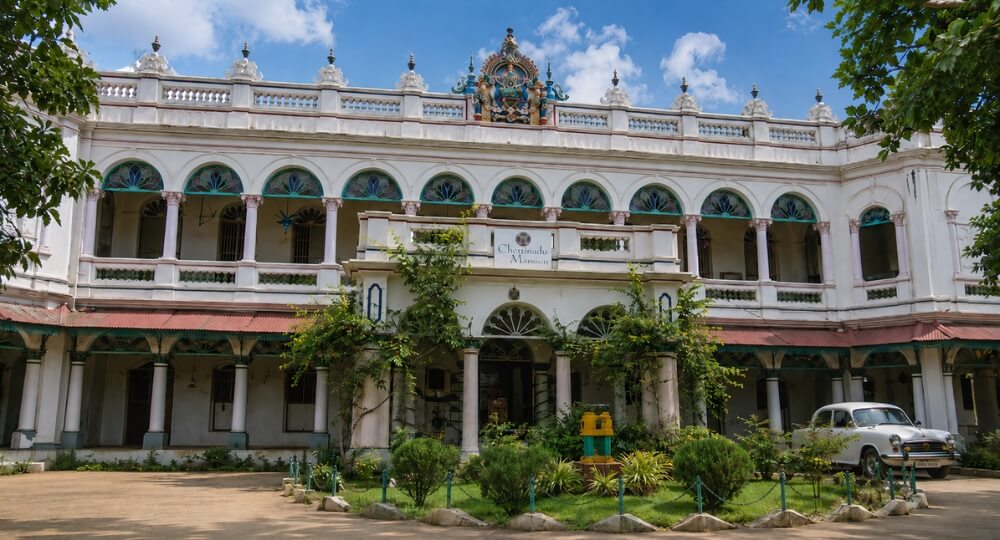
The Chettinad Mansion, a beautiful palatial house that’s now converted into a heritage hotel, is also worth visiting. It is just behind the Raja’s Palace in Kanadukathan and features an embellished gold ceiling, crystal chandeliers, and heirloom furniture.

The MSMM House is another 20th-century house featuring ornate teak pillars, Italian marble, and traditional Athangudi tiles. You can tour this house by booking a stay at specific heritage hotels in Karaikudi. We suggest you check with your tour planner if you’d like to include a tour of MSMM House in your Chettinad tour packages.

The VVR House in Kanadukathan is a historic mansion, known for its egg-plaster walls, Athangudi tiles, and intricate wood carvings, and is perhaps the oldest in the Karaikudi region.

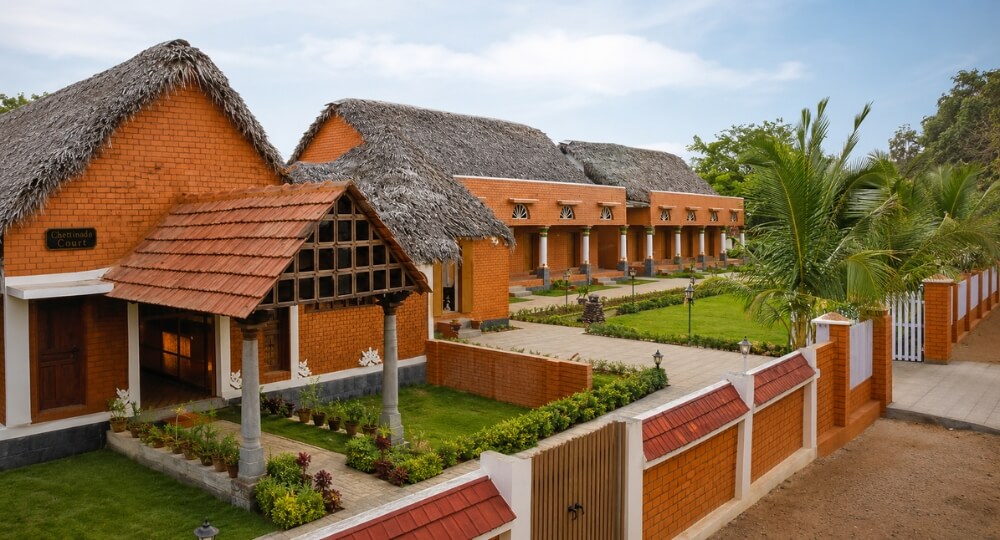
Besides the above mansions, you can always check with the caretakers of the many houses you see during your Chettinad tour packages. While popular hotels like Chidarambara Vilas, Visalam, and Bangala are expensive, you can always book accommodations in one of the many mansions that are now converted into heritage hotels.

Karaikudi Antique Market

If you’d like to dig deep into the antiques and treasures of a Chettinad mansion, you must explore the Karaikudi antique market. Head to Muneeswaram Koil Street in Karaikudi to visit some of the many antique shops selling a plethora of treasures salvaged from Chettinad homes.

Some of the collections in these shops include vintage enamel and ceramic ware, called Mangu Pathiram. These vessels were brought from Sweden, Japan, Austria, Germany, and Czechoslovakia when the Chettiars went on business trips. You can shop for tiffin carriers, plates, kettles, soup bowls, and other serving ware. And if you are lucky, you can even find unused porcelain ware – these are usually dowry utensils and not used even once.

Other antiques include unique brass items like door locks, keys, kitchen utensils, sculptures, spoons, ladles, puja materials, and even brass garden benches. If you love porcelain Chinese jars, head to the market to buy pickle jars that could easily be over 200 years old.

Other collectables include teak wooden door frames, rare Athangudi tiles, Japanese Majolica tiles, English cast iron artefacts, vintage phones and gramophone records, and even Raja Ravi Varma paintings. You will also find old Tanjore paintings for a good price.

Even if you aren’t buying them, make sure you visit the market as part of your Chettinad tour packages to admire and explore the place.

Thirumayam Fort

The colossal Thirumayam Fort stands as testimony to a brave Indian’s resistance to British rule. The 40-acre fort was built by Raghunatha Thevar, the Raja of Ramanathapuram, and later gifted to his brother-in-law Raghunatha Raya Tondaiman. Sadly, much of the fort was destroyed by the British after they captured it, but you can still see some of the structures that survived British cannons. This includes shrines to Hanuman, Ganapathi, and Karuppar, as well as temples dedicated to Lord Shiva and Lord Vishnu.

Pillayarpatti Temple

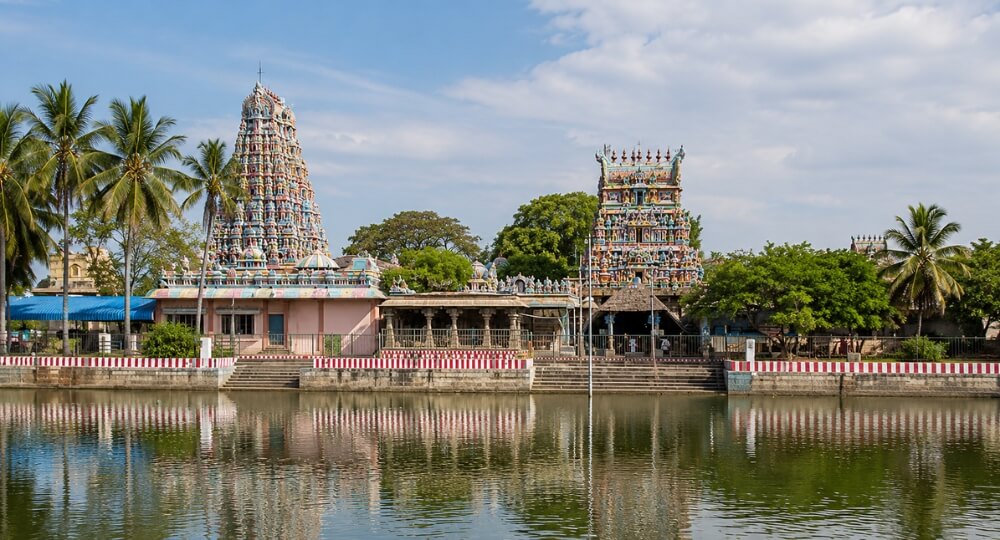
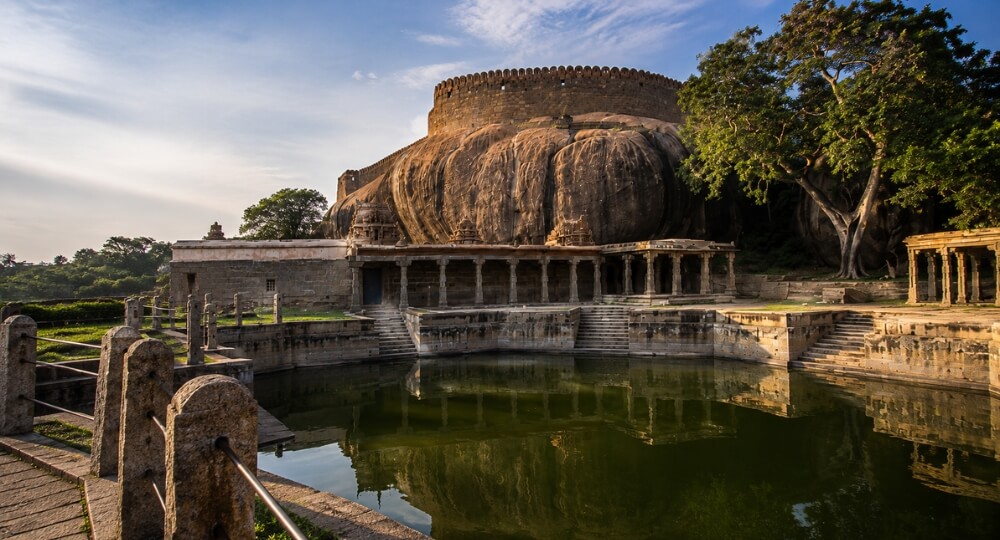
This beautiful 7th-century rock-cut temple is dedicated to Lord Ganesha, who is worshipped as Karpaga Vinayagar, or wish-fulfilling Ganesha. It is one of the oldest cave temples in the Pudukottai district and one of the 9 clan temples of the Nagarathars. The temple even gives the town its name, Pillayarpatti. Besides shrines of Lord Shiva and Shakti (worshipped as Kathyayani Ammai), it also has a shrine dedicated to Kubera, the Lord of wealth and abundance. The Ganesha deity is special here, as the trunk is right-curved, called Valampuri, and faces the north. The deity is believed to fulfil the boons of devotees.

9 Clan Temples

Nagarathar families are divided into nine clans, with each clan associated with a temple within the Chettinad region. These clan temples are essential to the Natukottai Chettiar community’s social structure and family identity. Marriage within the same clan is not allowed, as the members are considered Pangalis or brothers and sisters.

The nine clan temples are as follows:

The Pillayar Patti Temple, dedicated to Lord Ganesha, is the oldest rock-cut temple in Pudukottai District. While it is a clan temple, it is revered by the entire community and the Tamil people in general.

The Periya Mathur Temple is dedicated to Lord Shiva, who is called Ainnooteeshwarar. The members of this clan are allowed to marry within their sect.

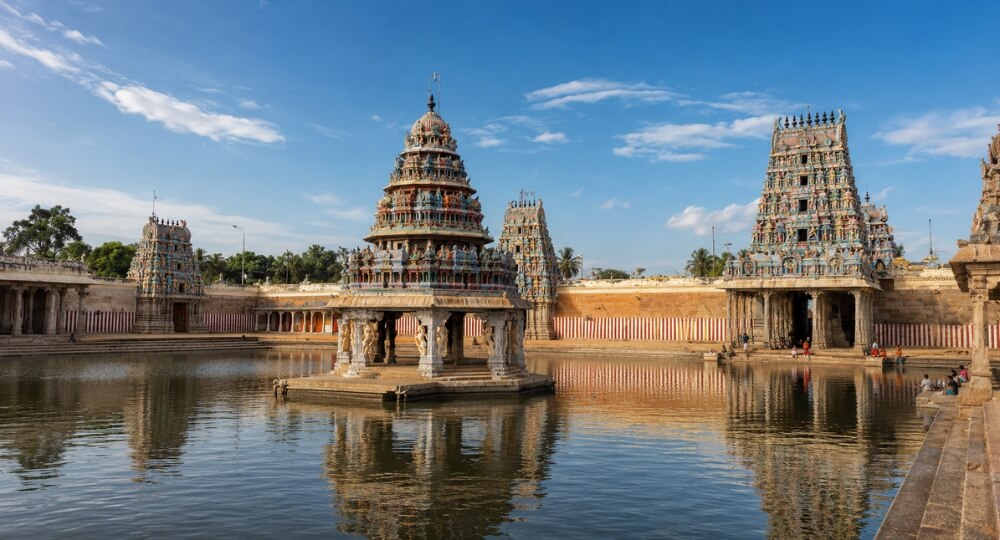
The Nemam Temple is dedicated to Lord Shiva, called Jayamkonda Soleeswarar. This temple was built by the Cholas. Devotees believe that taking a dip in the temple tank, called Chola Theertham and offering a garland to all the deities within the temple, fulfils one’s wishes.

The Ilayathangudi Temple is dedicated to Kailasanathar, a form of Lord Shiva. The temple is famous for its ornate sculptures and ceiling art.

Valaroli Nathar Temple, also known as Vairavanpatti Temple, is dedicated to Lord Shiva, who is worshipped as Kala Bhairavar, a fierce and guardian form of Shiva. The temple is known for its intricate carvings and a musical pillar.

The Iraniyur Shiva Temple is dedicated to Lord Aatkonda Nathar, a form of Lord Shiva. The deity here is considered Syayambu or self-manifested.

The Desika Nathar Temple in Soorakudi is dedicated to Lord Shiva. The temple gets its name from the Soorai shrubs that grew here in abundance.

Another temple dedicated to Lord Shiva is the Illupaikudi Thandthondeeswarar Temple. This famous temple is believed to grant the wishes of its devotees.
The Velankudi Temple, dedicated to Lord Shiva, is called Sandeeswarar.

Kundrakudi Murugan Temple

Lord Murugan is revered among the Natukottai Chettiars, with the temple placed on a hill. Hence the name, Kundrakudi – the Lord who lives in the hills. It is believed that the great sage Agastya worshipped here. The Pandyas built this temple in the 13th century. It is one of the very few temples where Lord Murugan is worshipped along with his wives, Deivanai and Valli.

Keeladi Museum

Keeladi was once home to an ancient Tamil civilisation that could date back to the 6th century BCE. Archaeological excavations reveal that it was a highly developed urban city, evidenced by brick structures, drainage systems, and terracotta artefacts. Some of these finds are documented and put on display at the Keeladi Museum in the Keeladi Village, Sivagangai District.

Some of the artefacts on display include beads, gold ornaments, copper articles, iron tools, precious bell stones, earthenware, and Tamil Brahmi inscriptions.

Ayyanar Temples

Ayyanar is considered the guardian deity in many interior districts of Tamil Nadu who protects the villagers and their livestock. Most Ayyanar temples are open-air shrines and are located in a grove surrounded by paddy fields and farms. The highlight of these temples is the hundreds of terracotta horses lined along the temple and surrounding the deity. These figures are often offerings, thanking the god for fulfilling their wish. While horses are the most common offering, some devotees offer cows, dogs, and even elephants. In fact, people celebrate a special two-day ceremony, called Kuthirai Etuppu, during which these terracotta figurines undergo specific rituals and processions.

Some of the famous Ayyanar temples in Sivagangai District include Idaikattur Ayyanar Temple and the Karaimel Azhagar Ayyanar Temple. The latter is the Kula Deivam or clan temple of many Nagathars.

Chettinad Museum

The Chettinad Museum in Kanadukathan is the best place to observe Chettinad culture from close quarters. This newly opened museum displays photos, artefacts, day-to-day objects, and even business ledgers and vintage gadgets like typewriters and telephones.

Note: There’s more than one Chettinad museum in Karaikudi, all of them showcasing authentic Chettinad artefacts and history. Check with your tour manager about the nearest museum you can visit with your Chettinad tour packages.

Athangudi Tile Workshop

The Chettiars, who spent lavishly on building their houses, imported the finest Majolica tiles from Japan. But replacing broken tiles became a major problem, leading them to encourage local artisans to replicate the art of handcrafted tiles using local materials such as river sand and natural pigments. Gradually, people began to use Athangudi tiles more widely because they were easier to source.

With the decline of the Chettiars, the art of making Athangudi tiles also began to gradually decline. Thankfully, a few architects have begun to revive vernacular architecture, leading to renewed interest in the art of making these handcrafted tiles.

As part of your Chettinad tour packages, you can visit an Athangudi tile-making unit to learn more about the labour-intensive process and even try your hand at making a tile. Athangudi tiles are eco-friendly, well-suited to Indian weather, and their quality improves over time.

Vettangudi Bird Sanctuary

The Vettangudi Bird Sanctuary was established in 1977 in Sivagangai to shelter the hundreds of migratory birds that arrive here in winter. Some of the birds you can observe here include painted storks, pelicans, and spoonbills.

Places You Must Visit With Your Chettinad Tour Packages

Madurai

Famous For: Temples, Palaces, Cuisine, Culture

Top Tourist Attractions: Meenakshi Sundareshwarar Temple, Pazhamudhir Solai Temple, Thirumalai Nayak Palace, Samanar Hills, Koodal Azhagar Temple, Azhagar Kovil, Vandiyur Mariamman Temple, Chithirai Thiruvizha

Dindigul

Famous For: Forts, Temples, Cuisine

Top Tourist Attractions: Dindigul Rock Fort, Soundararaja Perumal Kovil, Palani Murugan Temple, Kottai Mariamman Temple

Ramanathapuram

Famous For: Temples, Historic Places, Beaches

Top Tourist Attractions: Ramanathaswamy Temple, Dhanushkodi, Pamban Bridge, APJ Abdul Kalam Memorial, Palk Strait, Uttarakosamangai Temple, Devipattinam

Trichy

Famous For: Temples, Forts, Historic Places

Top Tourist Attractions: Srirangam, Samayapuram Mariamman Temple, Jambukeswarar Temple, Vekkaliamman Temple, Rockfort Temple, Kallanai Dam, Woraiyur

Thanjavur

Famous For: Temples, Historical Places, Culture

Top Tourist Attractions: Brihadeeswara Temple, Darasuram Airavatesvara Temple, Maratha Palace, Punnainallur Mariamman Temple, Saraswati Mahal Library, Kailasanathar Temple, Royal Palace Museum, Kumbakonam

Thoothukudi

Famous For: Pearl Trade, Churches, Temples

Top Tourist Attractions: Tiruchendoor Murugan Temple, Panimaya Matha Church, Manapad Beach

Virundhunagar

Famous For: Food, Temples

Top Tourist Attractions: Sathuragiri Shiva Temple, Mariamman Temple, Kamaraj Memorial

Manamadurai

Famous For: Archaeological Sites, Temples

Top Tourist Attractions: Keeladi, Vettangudi Bird Sanctuary

Karur

Famous For: Temples

Top Tourist Attractions: Pasupatheeswarar Temple, Pughazhimalai Temple, Aathupalayam Dam

Theni

Famous For: Scenic Landscape, Plantations, Waterfalls, Temples, Dams

Top Tourist Attractions: Meghamalai, Suruli Falls, Kumbakarai Falls, Sothuparai Dam, Manjalar Dam, Kurangani

Tirupattur

Famous For: Sandalwood, Hill Stations

Top Tourist Attractions: Yelagiri, Jalagamparai Falls, Javadhu Hills, Bramhapureeswarar Temple

Shopping

You cannot visit Chettinad and not explore its antique market where you buy rare and unique artefacts, including door frames, teak furnishing, brass sculptures, vintage porcelainware and Tanjore paintings. If you’re lucky, you may even lay your hands on a Raja Ravi Varma art!

Besides antiques, Chettinad is famous for its brass lamps and Chettinad Kandangi sarees. The latter is known for its distinctive checkered patterns, temple border and bright colours like red oxide, mustard, and maroon.

If you’re in the process of renovating your home and looking for flooring ideas, head to Athangudi to shop for handmade tiles that are cheap and durable.
The Chettinad region is also known for its palmyra products, especially baskets called Kottans. These baskets are used to store everything – from vegetables and dry snacks to grains and stationery.

The Velar community in Chettinad is famous for its terracotta artefacts. When in Karaikudi or the neighbouring villages, do not miss exploring their cottage units to shop for handmade terracotta sculptures at affordable prices.

Food

Chettinad cuisine is undoubtedly Tamil Nadu’s most famous export, known for its spicy, fiery dishes such as Chettinad chicken and Prawn roast. In reality, Chettinad food in most homes is a far cry from the restaurant fare you eat. In fact, Chettinad chicken is hardly ever heard in Chettiar homes – Milagu Kozhi Varuval is a close cousin, resembling the former in taste and texture.

Chettinad cuisine draws on Southeast Asian influences through ingredients and cooking techniques. For instance, Rangoon Puttu, a dessert made with roasted semolina and mixed with jaggery, grated coconut, and ghee, is influenced by a similar-tasting Burmese dish. Similarly, the Chettiars bought back Kavuni Arisi, or forbidden rice, from their travels to Southeast Asian countries and adapted it to local tastes by making it into desserts – Kavuni Arisi Halwa and Kavuni Arisi Payasam.

The use of specific spices like Marathi Moggu (Kapok Buds) and Kalpasi (Stone Flower) adds a unique aroma to Chettinad dishes.

Another popular misconception is that Chettinad cuisine is primarily non-vegetarian-based. However, meat and poultry were not everyday food; they were prepared for festive occasions or when guests arrived. Nevertheless, they tasted heavenly thanks to the aroma of the freshly ground spices and the generous use of shallots.

Popular non-vegetarian fare includes mutton Chukka, Prawn Varuval, Kola Urundai, Sura Puttu, crab masala, crab Rasam, Kada (Quail) Fry, Kada masala, Uppu Kari, and Kozhi Rasam.

Every day, Chettinad food made use of locally available ingredients like plantain flowers, brinjal, plantains, and okra. They used these simple ingredients to create exotic dishes like Vazhaipoo Saiva (plantain flower) Meen (Fish) Kolumbu, Ennai Kathirikai, Keerai Mandi, etc. Muttaikose Thuvattal, etc.
The Chettinad menu also varies by occasion, and some dishes are prepared only for certain festivals. For instance, the Chettiars Padaippu (food offered to ancestors) includes a set of dishes such as Karupatti Paniyaram, Kalkandu Vadai, and Vellai Panniyaram. Similarly, Pillayar Nombu is another festival celebrated in December and features special dishes like Illai Maavu, Karupatti Paniyaram, Therattuppal, and sweet Seedai.

In a wedding, you will find an array of dishes called by various names like Kootu, Poriyal, Masiyal, Therakkal, Thuvattal, and Avial. Together, they are called Venjanam.

While you may have sampled the so-called Chettinad dishes at restaurants across the world, we suggest you eat at a local mess or try home-cooked food. It is simpler and known for its sparing use of spices. In fact, coriander, cumin, and fennel seeds are the basic spices of most non-vegetarian dishes.

Dos and Don’ts of Visiting Chettinad

  • If you are allowed a tour of a Chettinad mansion, please respect the sanctity and history of the place. Do not touch anything without asking permission, or enter any locked rooms.
  • The Chettiars are very traditional and proud of their heritage. Respect their culture and history.
  • Book your Chettinad tour packages after checking if they can arrange a private tour of prestigious mansions like Kanadukathan Palace.
  • Dress modestly when visiting temples.
  • If you are invited to a Chettinad feast, do try and eat with your hands – it is a complete experience in itself.
  • Exploring the Chettinad villages by cycle or foot is the best way to experience Chettinad mansions.
  • Don’t miss exploring local small handicraft units like tile-making workshops, handloom workshops, and antique markets.

Travel Tips

Visa Information

Visa Information

Check visa requirements before traveling, ensuring a smooth entry and compliance with destination regulations.

Health and Safety Tips

Health and Safety Tips

Prioritize health, stay hydrated, follow safety guidelines, and maintain personal hygiene for a secure journey.

Currency and Tipping

Currency and Tipping

Familiarize with local currency, consider customary tipping practices for respectful and seamless travel experiences.

Share Your Ideal Tour: Let Us Customize!

FAQs:

What is the best time to visit Chettinad?
The best time to explore Chettinad tour packages is between November and February.
What is the best experience of a Chettinad tour package?
Without a doubt, the food and a tour of the Chettinad mansions are one of the most memorable experiences in a Chettinad tour package. If you love art and architecture, don’t miss a visit to the different handicraft workshops.
How much is a Chettinad mansion worth?
A typical Chettinad mansion, where teak and artefacts are well preserved, could cost several crores.
What are some activities you can enjoy with your Chettinad tour packages?
Village tours, cooking lessons, mansion tours, tilemaking, etc., are among the experiences included in most Chettinad tour packages.
Where is Chettinad located?
Chettinad is a geographical location comprising around 76 villages in Sivaganga and Pudukottai districts.
Can you stay in a Chettinad mansion?
Yes, many Chettinad mansions have been converted into heritage homes where you can experience authentic Chettiar culture and cuisine.
What are the major villages of Chettinad?
Athangudi, Kanadukathan, Devakottai, Pallathur, Kottaiyur, Kothamangalam, Kandanur, and Karaikudi.
How many days do I need to explore Chettinad?
We suggest at least 3 days to explore Chettinad and its surrounding regions. But if you would like a personalised, in-depth experience, we suggest a 5-6-day Chettinad tour package.
How much does a Chettinad tour package cost?
Your Chettinad tour package cost largely depends on the type of accommodation chosen, activities included, and the places visited.
What is a must-try food in Chettinad cuisine?
You must sample Chettinad breakfast items (called Palagarams) like Kandarappam, Kuzhipaniyaram, Idiyappam, Paal Paniyaram, Appam, along with non-veg specialities like crab soup, crab Rasam, crab Varuval, Prawn Varuval, Milagu Kozhi Varuval, etc.

Book Your Dream Vacay Today!

=
×

Enquire Now

=