
Tour Package
Shirdi Tour Packages
SUPER DEAL PRICE
STARTS FROM
per person on twin sharing


ATMs are easily accessible across the city.

Most places accept both cash and UPI payments.

Banking services are easily accessible in the city.

Respect local traditions and holy spiritual sites.

Residents are known for their warm hospitality.
Shirdi - Overview

By Purpose

Couples
For Newlywed Vacations

Family
For Family Vacations
Top Attractions and Nearby Sights
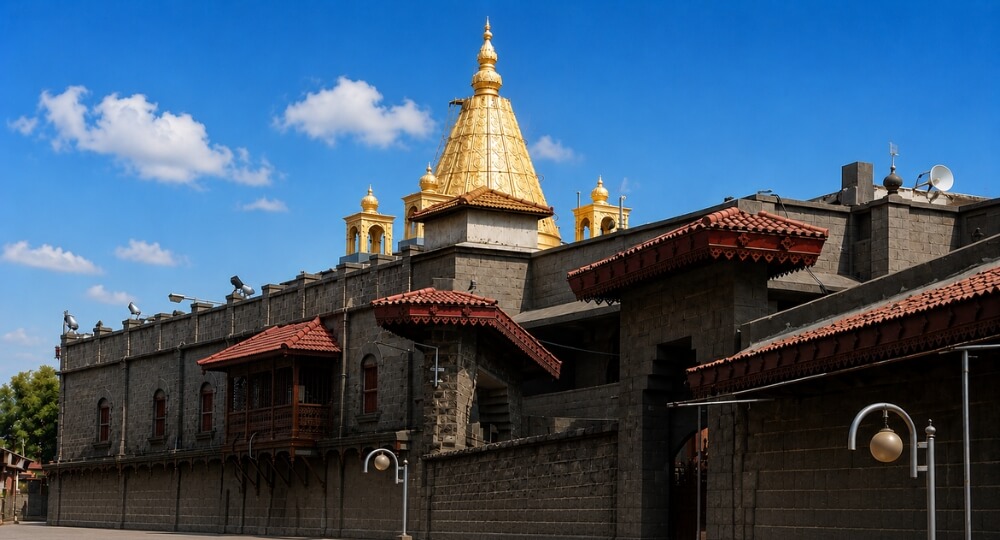
Shri Sai Baba Samadhi Mandir
Wet N Joy Water Park Shirdi
Trimbakeshwar Jyotirlinga Temple
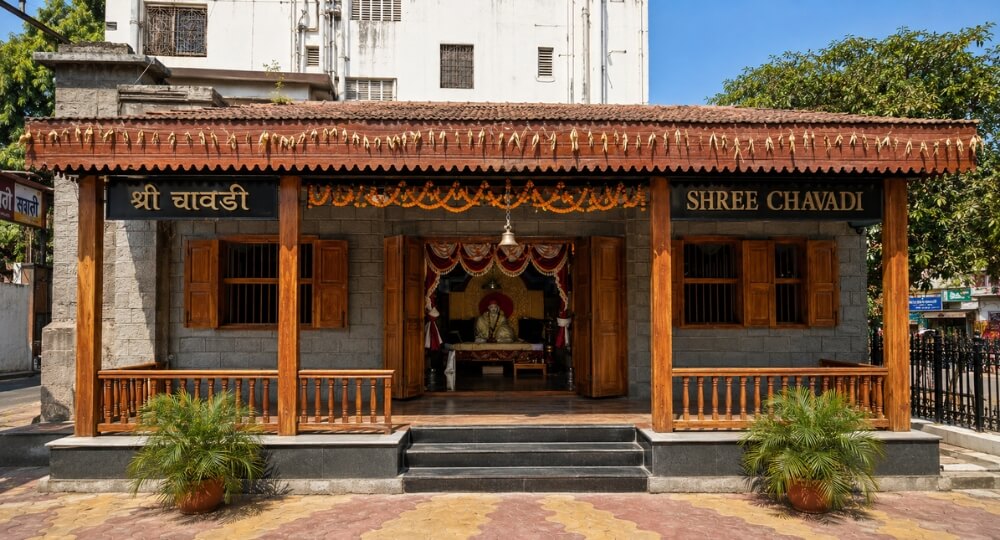
Chavadi
Gurusthan
Lendi Baug
Ellora Caves
Ajanta Caves
Dwarkamai Mosque
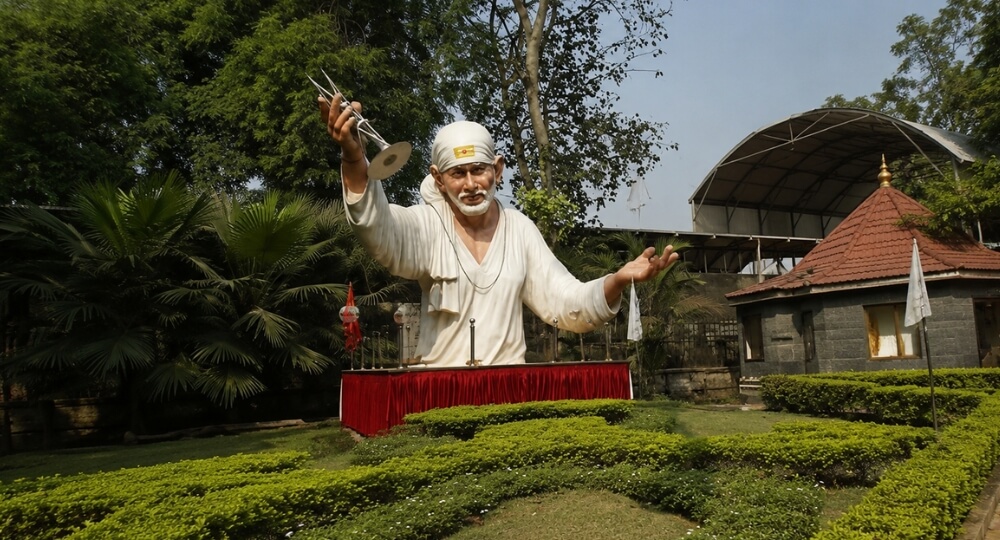
Sai Heritage Village
Shani Shingnapur Temple
Grishneshwar Jyotirlinga Temple
Everything You Need to Know About Shirdi
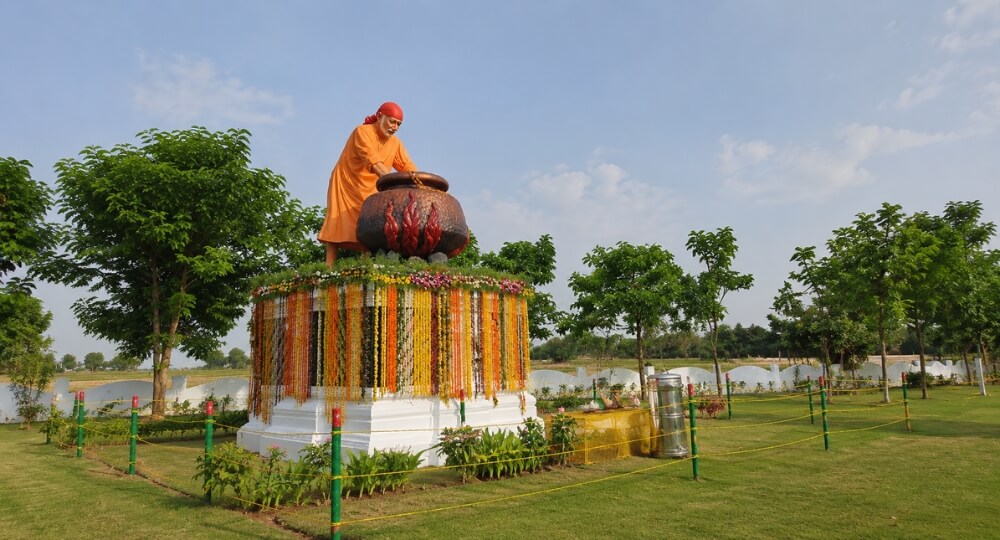
Until the early 20th century, Shirdi was a quaint and impoverished village with a few homes and a dilapidated mosque. In other words, it was like any other remote Maharashtrian village until a 16-year-old visited and, apparently, sat in deep meditation under a neem tree. He later left the place, only to return after a few years and sit in meditation under the same neem tree. His fame and name spread far and wide, attracting thousands of devotees who had heard about Sai Baba’s many miracles. After Baba attained Samadhi, a temple built on the very place where he was laid to rest now attracts millions of devotees from all over the world. Today, Shirdi is one of the most popular pilgrimage places in India, on par with Tirupati and Vaishno Devi. Read on to learn more about this holy city. And if you’d like to book Shirdi tour packages from GT Holidays, call us at +91 9940882200.
Travel Tips

Visa Information
Check visa requirements before traveling, ensuring a smooth entry and compliance with destination regulations.

Health and Safety Tips
Prioritize health, stay hydrated, follow safety guidelines, and maintain personal hygiene for a secure journey.

Currency and Tipping
Familiarize with local currency, consider customary tipping practices for respectful and seamless travel experiences.
FAQs:
Book Your Dream Vacay Today!