3

Tour Packages

Home » Tour Packages » India Tour Packages » North India Tour Packages » Haridwar & Rishikesh Tour Packages

Haridwar & Rishikesh Tour Packages

India’s Holiest Spiritual Cities

SUPER DEAL PRICE

STARTS FROM

per person on twin sharing
Popular Spiritual Tourism Destinations: Haridwar and Rishikesh
South India’s No.1 Travel Brand
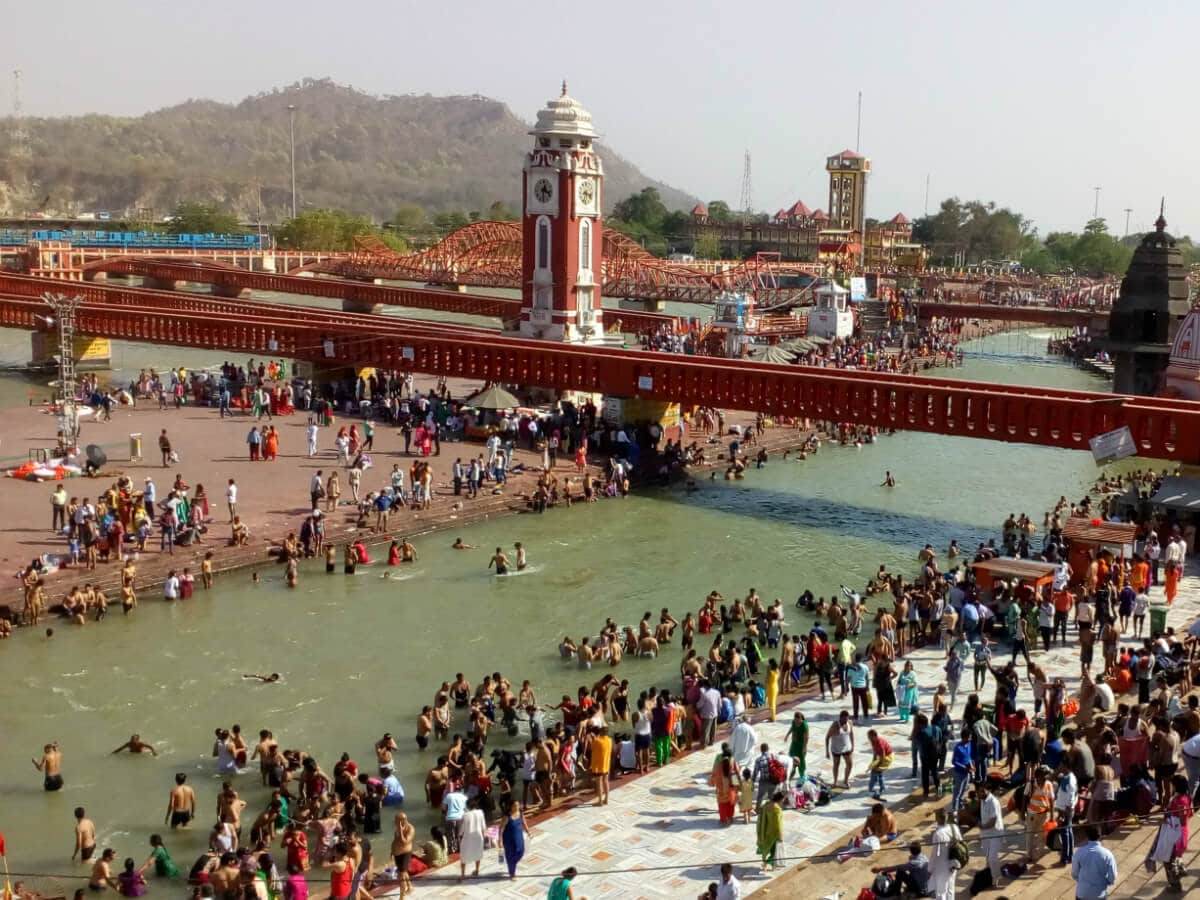
Har Ki Pauri
Most Sacred Ghat in Haridwar
October - April
Best Time to Visit Lucknow
Triveni Ghat
Biggest and Famous Ghat in Rishikesh
Hindi, Garhwali, English
Languages Speaking
Essential Tips for Travelling to Haridwar & Rishikesh
ATMs

ATMs are widely available in all main tourist areas.

Credit Cards

Credit cards are accepted in major hotels and shops.

Bank

Banks are easily accessible throughout both cities.

spiritual icon

Respect local traditions and sacred spiritual places.

Safest

Locals are warm, polite, and very hospitable.

Haridwar & Rishikesh - Overview

haridwar rishikesh tour map

By Purpose

tour package tourism

Couples

For Newlywed Vacations

tour packages business

Family

For Family Vacations

Top Attractions in Haridwar

Har Ki Pauri

Mansa Devi Temple

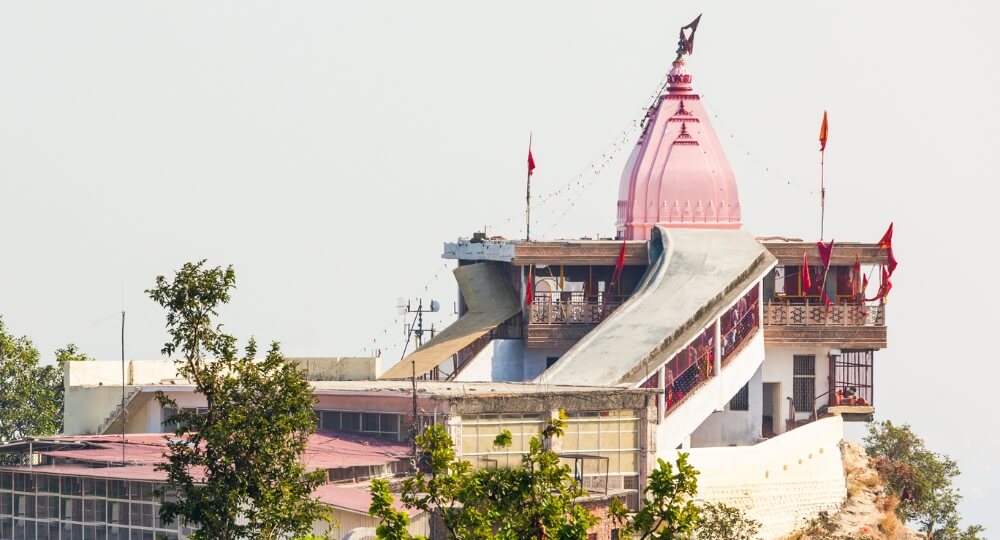
Chandi Devi Temple

Maya Devi Temple

Bharat Mata Mandir

Top Attractions in Rishikesh

Triveni Ghat

Laxman Jhula

Ram Jhula

The Beatles Ashram

Neer Garh Waterfall

Everything You Need to Know About Haridwar and Rishikesh

The Gateway to the Garhwal Himalayas and the Yoga Capital of the World – two synonyms for Haridwar and Rishikesh, respectively, couldn’t be more apt. While Haridwar is one of the Sapta Puris (seven holy cities) and among the most sacred places for Hindus, Rishikesh has long been the abode of yogis and mystics. In fact, their names aptly describe their significance to a person journeying into spirituality. Haridwar means the Gateway to Lord Hari (Vishnu), and Rishikesh means Lord of the Senses, or He Who Has Mastered His Senses. Read on if you’d like to explore these holy cities and need to learn more before visiting them.

Call us or message us on Instagram to customise your Haridwar Rishikesh tour package.

About Haridwar And Rishikesh

Among the numerous cities that developed along the banks of the Ganga River, Haridwar and Rishikesh stand out for their natural beauty, spiritual significance, and vibrant culture. They are India’s first twin national heritage cities because of their religious and cultural importance. While Haridwar has been a traditional pilgrimage city, and is also mentioned in various ancient Indian scriptures, including the Puranas and Upanishads, where it is referred to as Mayapur or Kapilsthan.

On the other hand, Rishikesh is ideal for the spiritual seeker on an inward journey, looking to make meaning of life around him. It has always been the abode of Yogis and Swamis like Maharishi Mahesh Yogi, Swami Sivananda Saraswati, Neem Karoli Baba and the legendary Mahavatar Babaji. It is also heaven for adventure junkies, offering a range of activities like river rafting, bungee jumping, camping, trekking, rock climbing, kayaking, and cliff jumping. People also visit the city to join some of Rishikesh’s yoga and meditation retreats. Of late, Rishikesh has become a hotspot for food lovers thanks to the many international cafes selling great food along the banks of the Ganges.

History

Haridwar is the first city where the Ganga, emerging from the mountains, touches the plains. The town was mentioned in several ancient Indian scriptures and epics, such as the Mahabharata, where it was referred to as Gangadwar, meaning the Gateway of the Ganga. While archaeologists have found evidence of a civilisation dating back to 1700 BC and 1800 BC, locals can trace their history to 322 BC, when the Mauryans ruled it. Various dynasties, including the Kushans, the Mughals, and the British, later ruled it. It is believed that Mughal Emperor Akbar drank water from the Ganges in Haridwar, while Guru Nanak Ji bathed at the Kushwan Ghat.

Rishikesh’s history is intricately connected with spirituality as it has been a centre of meditation for thousands of years. In fact, Rishikesh is a combination of two words, Rishi, meaning sage and Ish, meaning lord. The city is mentioned in the Mahabharata and the Ramayana. It was here that Lord Vishnu is believed to have appeared before Raibhya Rishi after his rigorous Tapasya. Lord Rama is believed to have performed penance in Rishikesh after defeating Ravana.

Geography

Haridwar is situated at an elevation of 1,030 feet above sea level, at the foothills of the Himalayas, where the Ganga enters the Indo-Gangetic Plains. Given that it is part of the dense Shivalik Range, a large part of the city is designated a forest area and is home to the Rajaji National Park.

Rishikesh is at a higher elevation than Haridwar and is often considered the gateway to the Himalayas. The city is located 1,220 feet above sea level and is cooler than Haridwar. It is here that the Ganga River meets the Chandrabhaga River, making it a sacred confluence for Hindus. The Ganga River flows rapidly here, making it ideal for adventure sports like rafting.

Both Haridwar and Rishikesh are part of the Garhwal region, known for its stunning beauty and characterised by deep valleys, majestic gorges, and alpine forests.

Economy

Tourism is a major source of income for residents of Haridwar and Rishikesh. Given that people visit the cities for spiritual tourism, locals have established hotels, restaurants, and wellness centres. Agriculture is also a major source of employment in Haridwar, with major crops such as wheat, rice, vegetables, and pulses grown on an industrial scale.

Tidbits About Haridwar Rishikesh

  • Haridwar is considered the gateway to the Chota Char Dhams, and is often called Char Dham Dwar.
  • Haridwar is one of the four cities that host the Kumbh Mela, the world’s largest peaceful religious gathering.
  • Alcohol and Meat (including eggs) are prohibited in most places within Rishikesh, especially around the temples & ashrams.
  • Rishikesh is also called the Yoga Capital of the World, thanks to the many sages and yogis who settled here, teaching Yoga to everyone.
  • You can find foot imprints believed to be of Lord Vishnu at the Bramha Kund at Har ki Pauri.
  • The main idol in the Chandi Devi Temple is believed to have been installed by Sri Adi Shankaracharya
  • Goddess Sati is believed to have been born in Kankhal, near Haridwar.

Things To Know Before Choosing Haridwar Rishikesh Tour Packages

  • When booking Haridwar Rishikesh tour packages, remember to book VIP tickets for Ganga Aarti at the Har ki Pauri. It is very crowded, especially during Poornima or Full Moon Night.
  • If you are travelling to Haridwar-Rishikesh around July, it is best to avoid during the Kanwar Yatra, when millions of devotees visit the city.
  • There are plenty of ashrams in Haridwar & Rishikesh – if you’d like to visit them, make sure you inform the tour operator in advance.
  • Carry enough cash for you to last for the trip. ATMs are scarce in the cities. While UPI is widely accepted, internet connectivity can be spotty.
  • If you plan on taking up yoga or meditation lessons, it’s best to carry your own yoga mat – the ones provided in the Ashrams may not be of good quality.
  • If you are a yoga enthusiast, plan your Haridwar -Rishikesh vacation around the International Yoga Festival – the entire city is filled with international and national Yoga practitioners.
  • While we do not suggest a monsoon Haridwar Rishikesh tour package, you can book one during the Kanwar Yatra to witness the millions of Kanwarias travel hundreds of kilometres to fill their Kanwars or pots with Ganga Jal and pour over the Shiva Linga.

Call us or send a message on Instagram to learn more about GT Holidays’ Haridwar Rishikesh tour packages.

Haridwar & Rishikesh At A Glance

Category Details
Nickname Rishikesh – Yoga Capital of the World / Haridwar – Dev Dwar, Mayapuri
State Uttarakhand
Distance Between Haridwar & Rishikesh 26 km
High Season October to April
Languages Spoken Hindi, Garhwali, Khariboli, English
Famous Tourist Attractions Mansa Devi Temple, Har ki Pauri, Chandi Devi Temple, Pawan Dham, Sivananda Ashram, Ram Jhula, Laxman Jhula, Triveni Ghat, Beatles Ashram, Neelkanth Mahadev Temple, Parmarth Niketan Ashram
Famous Food Chole Bhature, Momos, Thupka, Bhang ki Chutney, Chaat, Chainsoo, Kachori, Aloo Puri
Souvenirs To Buy Rudraksh, Wooden Handicrafts, Woollen Garments, Books, Bamboo Products, Shaligram, Pashmina Shawl, Handmade Jewellery

Planning a pilgrimage to some of India’s holiest cities? Call us to learn more about our Haridwar Rishikesh tour packages.

Top Reasons to Choose Haridwar Rishikesh Tour Packages

Spiritual Retreat

Haridwar has always been a central pillar of India’s religious soul, not only for the many temples in and around the city, but also for the energy that it vibrates through the many ashrams and Yogis who have been visiting its forests for thousands of years.

Both Haridwar and Rishikesh are not just religious spots; they carry a divine grace that attracts people seeking spiritual peace.

Across both cities, you will find Sadhus covered in saffron robes meditating, practising yoga, and seeking to understand the deeper meaning of life.

The Ganga, considered among the holiest of rivers in India, is worshipped in Haridwar and Rishikesh through the Ganga Aarti. It was at the Har Ki Pauri that the Ganga Aarti was first started in 1916 by Pandit Madan Mohan Malviya.

Some of the temples here are equally famous – Mansa Devi, one of the Siddha Peethas, is believed to grant sincere desires of its worshippers. Similarly, Chandi Devi is also known to fulfil all your wishes.

The Maya Devi Temple is one of the 51 Shaktipeeths, where the heart and navel of Goddess Sati are believed to have fallen.

At Har ki Pauri, Lord Vishu is believed to have left his footprints – bathing here is considered significant for Hindus seeking salvation.

In Rishikesh, you can witness the Ganga Aarti at Triveni Ghat and at Parmarth Niketan Ashram. The latter is famous for its yoga and meditation retreats, and Satsangh. You can learn Pranayama, Vedas, and other ancient Indian sciences.

Adventure Activities

Rishikesh isn’t for the spiritual wanderer – the city is a haven for thrill-seekers, offering a plethora of activities. No wonder it is called the Adventure Capital of India. With its perfect mix of natural beauty and adrenaline-pumping experiences, you can be sure of a perfect adventure-packed holiday.

White water river rafting is the most popular activity in Rishikesh, thanks to the different rapids, ranging from gentle to intense, making it perfect for everyone. For instance, beginners can try the Ram Jhula or Shivpuri stretch, while experienced rafters can try the Kaudilya to Rishikesh stretch, featuring Grade III, IV, and V rapids such as The Wall and Golf Course. The cost per person for river rafting may range from INR 300 to INR 3000, depending on the intensity of the stretch.

If river rafting is not your thing, you can try bungee jumping from varying heights, including one that stands at a staggering 180 feet, making it India’s highest fixed platform for bungee jumping. You can also swing on a giant Himalayan swing standing 113 metres above the ground.

If you’d love to explore the alpine and rainforests of the Garhwal region, sign up for camping and trekking activities. They are perfect for families travelling with kids, thanks to added activities like bonfire nights, music, dance, and guided tours.

For a pure adrenaline rush, sign up for cliff jumping, where you can free-fall from natural rock formations into the Ganges.

Some of the other activities offered in Rishikesh include kayaking, ziplining, body surfing, rock climbing, rappelling, sky cycling, tree climbing, water zorbing, go-karting, and flying fox. In fact, Asia’s longest flying fox is in Mohanchatti, Rishikesh.

Quaint Cafes and Boutiques

While Haridwar is known for its traditional eateries serving piping-hot kachoris and aloo puris, Rishikesh is home to several quaint cafes serving global cuisine in a wonderful ambience. Some of the hipster crowd that visited Rishikesh set shop in the city, impressed by its beautiful landscape and quirky atmosphere. A note, though: most of these cafes may serve only vegetarian food, especially those near tourist hotspots like Tapovan. But they’re interesting nevertheless. Some cafes even include Kirtans as part of their activities.

You can sample a wide range of global cuisines, including Israeli, Italian, Chinese, and Indian. You’ll be surprised to find freshly made wood-fired pizzas in Rishikesh. Even if you aren’t a fan of the food, we suggest you include visiting some of these cafes in your Haridwar Rishikesh tour packages to experience the unique décor. Most cafes focus on handmade décor and on sustainable, eco-friendly practices. These resto-cafes are surprisingly affordable, with a meal for two costing less than INR 500.

Visit cafes that offer serene views of the Ganges while enjoying vegan/vegetarian meals and well-crafted beverages.

Rishikesh is also home to quaint alleys that are home to hole-in-the-wall boutiques selling a wide range of items, including Rudraksha malas, brass items, spices, herbs, boho-inspired fashion, incense, Yoga wear, beaded jewellery, wooden crafts, and unusual squashes made from wood apple (Bel), rhododendron (Buransh), golden raspberry (Hisalu), and bayberry (kafal).

Yoga and Wellness Retreat

It is no secret that Rishikesh is the yoga capital of the world, home to several yoga schools and centres practising various meditation techniques. For eternity, the city has attracted spiritual seekers on a journey of self-discovery, seeking moksha. These Yogis, Sadhus, and Rishis have helped establish Ashrams that now teach ancient Indian practices such as yoga and Pranayama to interested students. You can enrol as a student and complete a certified course, or sign up for a short-term yoga & wellness program that teaches breathing practices, stress management techniques, and basic yoga exercises. You can join them for Kirtans, lectures on Indian philosophy, and cultural experiences like walking along the Ganges and performing Havans.

These centres also offer wellness programs where you can seek holistic treatment for various lifestyle-related ailments like chronic pain, obesity, sleep disorders, and hormonal imbalances. These centres have dedicated Ayurvedic doctors who advise on weight, pain, and stress management, detox and cleansing, and Ayurvedic rejuvenation for immunity.

A lot of these wellness centres offer a Satvik way of life, growing their own vegetables and herbs, and even maintaining natural water bodies to help you reconnect with nature.

Ashrams For An Inward Journey

Long before the Beatles sought refuge at Maharishi Mahesh Yogi’s ashram in the 1960s, spiritual seekers had been visiting the Himalayas looking to connect with ancient Indian wisdom. But their visit did introduce India’s spiritual essence to a Western audience. Today, millions of people visit these cities from across the world, including celebrities like Steve Jobs, Mark Zuckerberg, and Kate Winslet, to detox from modern life and connect with their inner selves.

These ashrams are a far cry from some of the luxury hotels in Haridwar and Rishikesh. They are modest and provide basic amenities, but they offer a structured, disciplined environment that prioritises spiritual growth.

You can learn yoga, pranayama, understand India’s different philosophical texts, practice meditation, listen to spiritual lectures, participate in the Ganga Aarti, and even undertake Ayurvedic treatments. The course duration ranges from 10 days to 1 year, and some students prefer to stay here permanently.

Some famous ashrams in Haridwar and Rishikesh include Sivananda Ashram, Parmarth Niketan Ashram, Prem Nagar Ashram, and Phool Chatti Ashram.

Nature

While Haridwar is synonymous with temples, ghats, and spiritual experiences, not many know that this beautiful city is a haven for nature lovers. The Neel Dhara Pakshi Vihar may not be as famous as Har ki Pauri, but it is a favourite among locals who visit to admire the various migratory birds that come here during winter. You can admire the Shivalik Range from this sanctuary or explore Bhimgoda, a Barrage constructed by the British to supply irrigation water and control floods.

The Rajaji National Park, also known as the Motichur Wildlife Sanctuary, is open from November to June and is home to large populations of Asian elephants, tigers, leopards, spotted deer, sloth bears, and over 300 species of birds, including hornbills and vultures. The Chilla Range within this park is a popular safari zone known for wildlife sightings.

The beautiful Shivalik mountains offer a stunning backdrop to the sacred Ganga, which flows rapidly through Rishikesh’s valleys, making it a perfect landscape for yoga and meditation. Besides the usual attractions like Ram Jhula and Laxman Jhula, Rishikesh has plenty of hidden gems that are not touristy but spectacularly beautiful. For instance, the tiny village of Byasi, located on the banks of the Ganges, is sure to captivate you with its lush green landscape, towering mountains, and waterfalls. Shivpuri, another village along the Ganges, looks beautiful and is great for river rafting.

Cultural Experience

Haridwar’s cultural experiences go beyond the temples and the Ganges. It is one of the four places where the Kumbh Mela is held every 12 years, and the Ardh Kumbh Mela is held every 6 years. The Kumbh Mela is the world’s largest peaceful religious gathering, welcoming millions of devotees seeking to cleanse their sins and pray for Moksha.

The Ganga Aarti is another cultural experience you must not miss. In Haridwar, it takes place at Har ki Pauri, while in Rishikesh, it takes place at Triveni Ghat and Parmarth Niketan Ashram. The entire experience is mesmerising as dozens of priests offer multi-layered lamps in synchronised movements while clanging bells and singing Bhajans and chanting Mantras praising Mother Ganga. While the Aarti is performed in Varanasi and Allahabad (Prayagraj), it is most intimate in Rishikesh and Haridwar. In fact, if you are lucky, you can even perform the Aarti at Haridwar and Rishikesh. At Rishikesh, Aartis performed at the Parmarth Niketan Ashram are very relaxed and performed by Ashram inmates, especially children at the Veda Pathshala.

In Rishikesh, you can join yoga practitioners from across the world gathered to celebrate the weeklong International Yoga Festival and participate in wellness and meditation sessions, Yoga workshops, and spiritual discourses.

The Ganga Dussehra in Rishikesh is another grand festival celebrated on the banks of the Ganges.

Best Time To Choose Haridwar Rishikesh Tour Packages

Haridwar and Rishikesh have a humid subtropical climate with three distinct seasons: summer, monsoon and winter. The summers are hot, with temperatures reaching up to 40°, and the monsoons are characterised by heavy, consistent rainfall and even thunderstorms. Winters are chilly with average temperatures ranging from near freezing to 10°C. Read on to learn more about the different seasons and the best time to book our Haridwar & Rishikesh tour packages.

Summer (April to June)

Haridwar begins to experience summer from late March, which lasts until June, during which it is hot, humid, and very sunny. However, nights are pleasant and breezy, especially around the banks of the Ganges. The average daytime temperature during this season ranges from 29°C to 38°C, with some days reaching 40 °C. While this is not a great time to choose Haridwar and Rishikesh tour packages, you must visit the cities to participate in the Ram Navami and Ganga Dussehra during summer. The Kumbh Mela, which occurs every 12 years, typically takes place in Haridwar during spring (March-April).

Summer is also a good time for river rafting in Rishikesh, as melting snow creates high-volume rapids which are perfect for water sports.

Monsoon (July to September)

Monsoon brings heavy rain showers to Haridwar and Rishikesh, bringing relief from the scorching sun. While temperatures range from 25°C to 30°C during these months, heavy rainfall causes water levels on the Ganges to rise, making certain activities inaccessible. However, the landscape looks beautiful with various rare flora and fauna.

Rishikesh is often flooded with the city receiving heavy to extremely heavy rainfall during July. Tour operators suspend adventure activities such as river rafting and bungee jumping due to the threat of landslides and sudden floods.

However, millions of devotees visit the city during the Hindu month of Shravan (in monsoon) for the Kanwar Yatra. Women celebrate Teej in August, praying to Lord Shiva, asking for a long life for their husbands. If you are a spiritual seeker, this is a great time to visit Rishikesh, as fewer crowds mean easy access to the various ashrams in the city.

Winter (October to March)

Winter is the peak season and the best time to book Haridwar Rishikesh tour packages. The weather is pleasant, with temperatures ranging from 7°C to 20 °C. However, the Ganges is chilly during this time. The cold weather also creates mist, enhancing the beautiful scenery and making it ideal for riverside walks.
Rishikesh looks scenic during winters, especially during festivals like Diwali. It is also an excellent time for adventure activities such as white-water rafting and bungee jumping. The International Yoga Festival in Rishikesh is celebrated in March, drawing millions of yoga enthusiasts from across the world. January is the coldest month of the year in Haridwar and Rishikesh, while February and March are springtime and hence pleasant.

Top Tourist Attractions Included In Your Haridwar Rishikesh Tour Packages

Borra Har ki Pauri

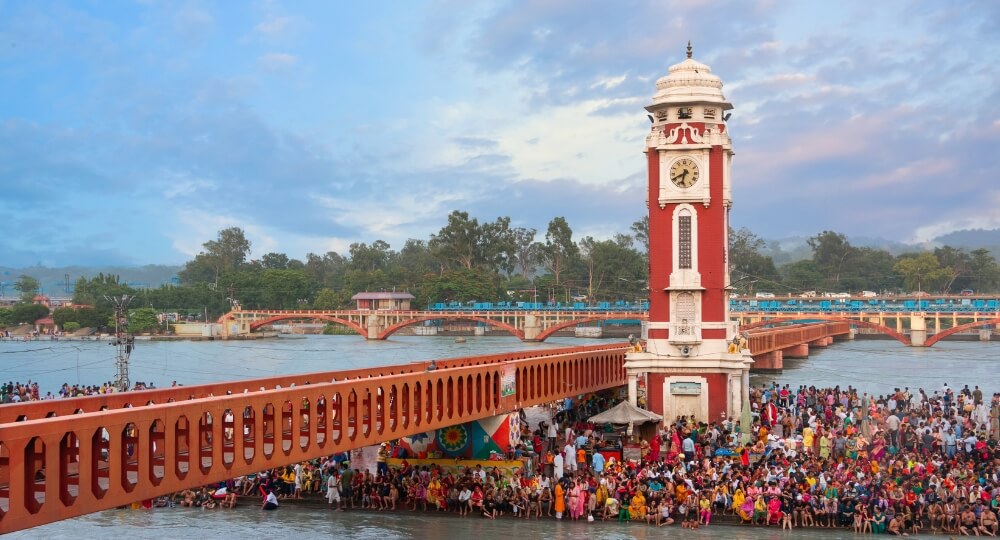
This holy ghat is one of Haridwar’s most important landmarks and the site of the Ganga Aarti. The place gets its name (the feet of Lord Vishnu) from a legend that Lord Vishnu’s footprints are imprinted on a stone in Bramhakund during the Lord’s visit.

The Bramhakund is another holy site located on Har ki Pauri, revered because it is believed that a few drops of Amrit fell here when the celestial bird Garuda was carrying the Amrit Kalash, or pot of nectar. It is also the site for the Kumbh Mela and the Ardha Kumbha temples.

Mansa Devi Temple

The Mansa Devi Temple is located atop the Bilwa Parvat and is considered one of the Pancha Tirthas of Haridwar. The Goddess is believed to fulfil the wishes of her devotees, who tie threads to a sacred tree when asking for a boon. Upon fulfilment of the wish, they return to untie the thread. In fact, the word Mansa comes from the Hindi word Mann, meaning mind, as people believe that the deity here is a manifestation of Rishi Kashyapa’s mind. The temple houses two idols, one with eight arms and another with three heads and five arms. The Mansa Devi Temple is one of the many Shakti Peethas and an important Siddhi Peetha.

Chandi Devi Temple

Located atop the Neel Parvat, Chandi Devi Temple was built in 1929 by the Maharaja of Kashmir, Raja Suchat Singh. However, the original deity is believed to have been installed by Adi Shankaracharya in the 8th century. Devotees can visit the temple via the ropeway (Udan Khatola) or a three-km trek with roughly 1,300 steps. It is believed that Parvati Devi created the Goddess Chandika to slay two demons, Chand and Mund, along with Shumb and Nishumb. The temple is built on the spot where Chandi Devi slayed the demons.

Maya Devi Temple

The Maya Devi Temple is a Shaktipeeth where the heart and navel of Goddess Sati are believed to have fallen. Along with the Chandi Devi and Mansa Devi temples, Maya Devi is one of the three Siddhi Peethams, offering devotees boons. The Maya Devi Temple is dedicated to Goddess Mahamaya, a powerful form of Durga and is said to represent illusion and spiritual fulfilment.

The Maya Devi Temple was probably built around the 11th century and consists of stucco pictures of Goddess Sati in different forms and postures. Inside the temple, you will find idols of Maya Devi along with Goddess Kali and Kamakhya idols. There is also a small deity of Goddess Sheetla Mata.

Bharat Mata Temple

The Bharat Mata Mandir was established by Swami Satyamitranand Giri ji Maharaj in 1983 and inaugurated by the late Prime Minister Mrs Indira Gandhi. This eight-storey temple is dedicated to Bharat Mata or Mother India, with each floor narrating a different story. For instance, the first floor is dedicated to Bharat Mata, while the second floor is dedicated to Indian heroes like Maharana Pratap Singh and Bhagat Singh. The eighth floor is dedicated to Lord Shiva, believed to be the supreme lord.

Daksheshwar Temple

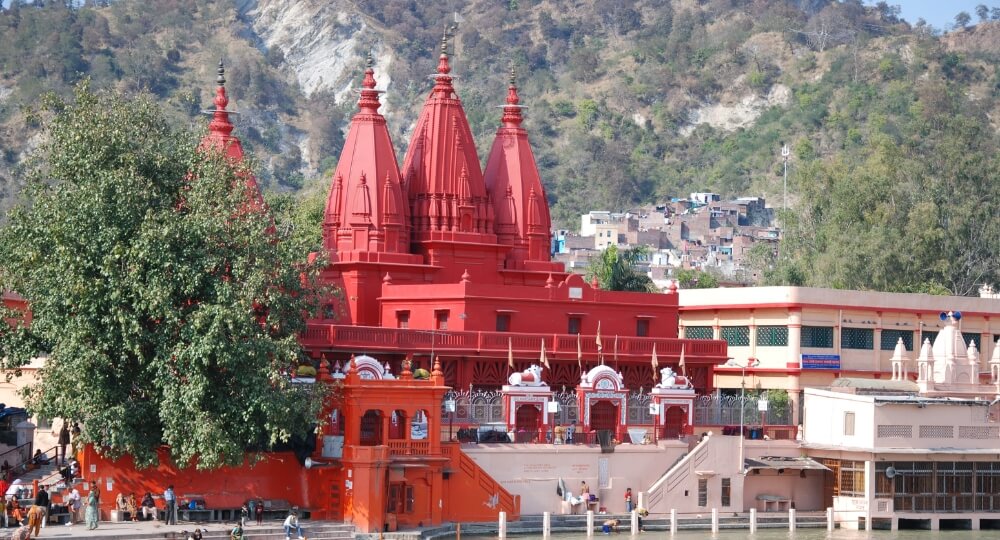
The Daksh Mahadev Temple or the Daksheshwar Mandir is dedicated to Lord Shiva, at the same spot that people believe King Daksha, the father of Goddess Sati, Shiva’s first wife, performed a Yagna. The temple was built by Queen Dhankaur in 1810, but was later renovated by the Mahanirvan Akhara. The Yagna Kund, where Goddess Sati is believed to have immolated herself, is located within the temple premises. Every year, during the Hindu month of Shravan, millions of devotees gather in the temple.

Rajaji Tiger Reserve

The Rajaji National Park and Tiger Reserve was established in 1983 by merging three existing wildlife sanctuaries: Rajaji, Motichur, and Chilla to create an elephant corridor and a buffer zone for the tigers within the sanctuaries. It is home to over 23 mammal and 315 avian species, including elephants that roam freely. Other animals within the sanctuary include cheetals, king cobras, langurs, and barking deer. With your Haridwar Rishikesh tour packages, you can experience safaris, white water rafting, or observe birds.

Bhimgoda Barrage

The British built the Bhimgoda Barrage on the Ganges River to provide irrigation water and prevent flooding on the Upper Ganges. Tourists visiting the Neel Dhara Bird Sanctuary come to admire the beautiful scenery.

Bhimgoda Tank

The Bhimgoda Tank is a sacred pool named after Bhima, the Pandava brother from the Mahabharata. It is believed that Bhim created the pool by hitting the ground with his knee – the force was so immense that the depression formed helped the Ganga flow into it. Today, devotees visit the tank for a holy bath and offer prayers at the surrounding temples.

Shaktikunj

The Shaktikunj Ashram is the headquarters of the All World Gayatri Pariwar, founded by Pandit Shriram Sharma Acharya in 1971. Today, millions of people visit the ashram to participate in its spiritual training programs, attend mass yagnas, and undertake environmental conservation activities. The Ashram is also home to the Gayatri Mata Temple and the Akhand Jyoti.

Neel Dhara Pakshi Vihar

The Neel Dhara Pakshi Vihar is a haven for bird lovers and home to several avian species, including a few migratory species, such as Siberian cranes, that visit during winter. Tourists can also admire views of the Shivalik Mountains.

Ganga Temple

The Ganga Mandir at Har ki Pauri, on the banks of the Ganges, was built by Raja Mansingh of Amer in the 16th century. The temple has been renovated and is now open to the public.

Saptarishi Ashram

The Saptarishi Ashram is located on the Sapta Sarovar, along the banks of the Ganges. It is one of the oldest ashrams in Haridwar, established by Pt. Madan Mohan Malviya in 1923. Spread over 35 acres, the Ashram is surrounded by lush green mango, amala, and guava trees. Within the complex, you can visit the eight temples, including Gangeshwar Mahadev Temple, Durga Temple, Hanuman Temple, and the Radha Krishna Temple.

Bara Bazar

If your Haridwar Rishikesh tour package itinerary includes shopping, head to Bara Bazar to buy a wide range of souvenirs, including shawls, Rudraksha Malas, Ayurvedic products, herbal medicines, Pedas, pictures of Hindu gods and goddesses, and fruit preserves.

Triveni Ghat

The Triveni Ghat in Rishikesh is where the Ganga meets the Yamuna and the mythical Saraswati, and is revered by millions of Hindus who visit the ghats to take a holy dip. It is an ancient belief that taking a dip at the Triveni Sangam purifies a person of his Karma and ensures Moksha. The ghat has been mentioned in several ancient Hindu scriptures and epics like the Puranas, the Mahabharata, and the Ramayana.

Parmarth Niketan Ashram

The Parmarth Niketan Ashram is the largest and one of the best ashrams in Rishikesh. This 70-year-old ashram welcomes spiritual seekers, pilgrims, and tourists looking to connect with the divine. It offers yoga programs, music therapy, daily Satsangs, Kirtans, lecture programs, and Ayurveda treatments for interested candidates. People often make it a point to include the ashram in their Haridwar Rishikesh tour packages during the International Yoga Festival.

Ram Jhula

The Ram Jhula is one of the most important tourist attractions in Rishikesh and is suspended over the Ganga River, connecting Shivananda Nagar in the west and Swargashram in the east. Constructed in 1986, the iron suspension bridge replaced the old jute rope bridge, which made it easier for people to travel back and forth across the city.

Lakshman Jhula

This famous bridge in Rishikesh is named after Lord Lakshman, the younger brother of Lord Rama. It is believed that Lakshman made a jute rope to help his brother and Sita cross the river. A jute bridge was built in 1889 to honour this legend, but it was washed away by floods in 1924. The British built an iron bridge to replace the old bridge in 1929. While this bridge is now closed for safety reasons, the government is building another bridge to replace the old one. It connects the villages of Tapovan in the west with Jonk in the east.

The Beatles Ashram

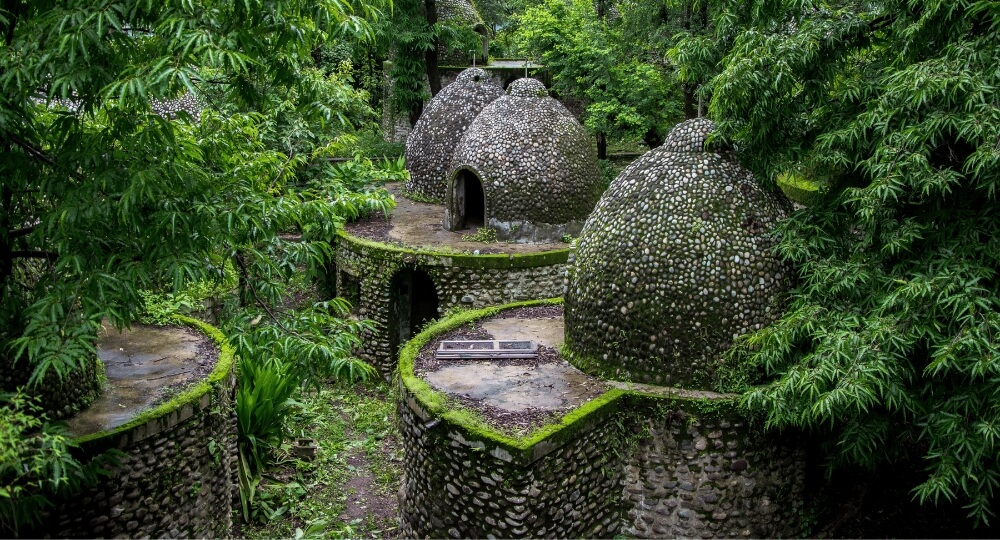
The now-closed Beatles Ashram, formerly known as Chaurasi Kutia, was established by Maharishi Mahesh Yogi. The place got its name when the Beatles visited the Ashram during the 1960s to learn Transcendental Meditation. The group stayed here for about 3 months and wrote many songs during their time there. It was their visit to Rishikesh that transformed this sleepy town into a bustling tourist destination, as millions of visitors were curious about what attracted the Beatles to the place. The place gets its name from the 84 huts (Chaurasi Kutia in Hindi) leased from the forest department.

Swargashram

The word Swargashram is derived from two words, Swarg, meaning heaven, and Ashram, meaning abode. The ashram was built in 1938 in memory of Swami Vishudhanand, popularly known as Kali Kamli Wala among locals. The Swargashram township consists of several ashrams, temples, shopping complexes, libraries, and meditation centres, attracting tourists and devotees.

Sivananda Ashram

The Divine Life Society, popularly known as Sivananda Ashram, is located near Ram Jhula and was founded by Swami Sivananda, who stayed here for over 30 years. The Ashram conducts yoga, meditation, and Pranayama classes, as well as Satsangs, for people seeking spiritual attainment.

Neergarh Waterfalls

This multi-tiered cascade in Rishikesh is known for its scenic beauty and is a popular trekking trail. There are two waterfalls, with the second one requiring you to trek a slightly steeper trail. The scenery on the way to the waterfall is mesmerising, set amidst a lush green forest.

Vashistha Gufa

Not very far away from Rishikesh is Vashishta Cave, on the banks of the Ganges. It is believed that Sage Vashishta meditated here after the death of his children. Even today, meditators visit here to meditate in the cave and to pray to the Shivalinga at its end.

Shree Neelkanth Mahadev Temple

The Neelkanth Mahadev Temple is a popular temple on the hilltop of the Swargashram township. It is believed that Lord Shiva drank the Halahal, the venom that emerged during the Samudra Manthan, at this location. Since the venom stayed in his throat and did not affect his body, but made his neck turn blue, he is called Neel Kanth, meaning blue-throated. Devotees visit here not only to pray and offer milk to the Shivaling, but also to meditate and introspect on their lives, as this place makes people feel calm and relaxed.

Rishikund

This beautiful pond is located near the Raghunath Temple, believed to have been built by Kubja Saint and blessed by Goddess Yamuna. Lord Rama is said to have bathed here and was even used by Sadhus and Yogis to take a holy dip.

Shivpuri

A few kilometres from Rishikesh, Shivpuri is famous among river rafters. The village has had a long and rich history dating back to the 3rd century BCE, when it was ruled by the Mauryans and Guptas. It is surrounded by beautiful, lush mountains and is known for its diverse flora and fauna. The district is known for the Madhav National Park, a perfect place for nature lovers.

Byasi

Byasi is a small village near Rishikesh, famous for its beautiful, serene landscape. It is popular among adventure sports lovers. The scenic Ganges is perfect for river rafters and trekkers and is also a great camping site.

Trayambakeshwar Temple

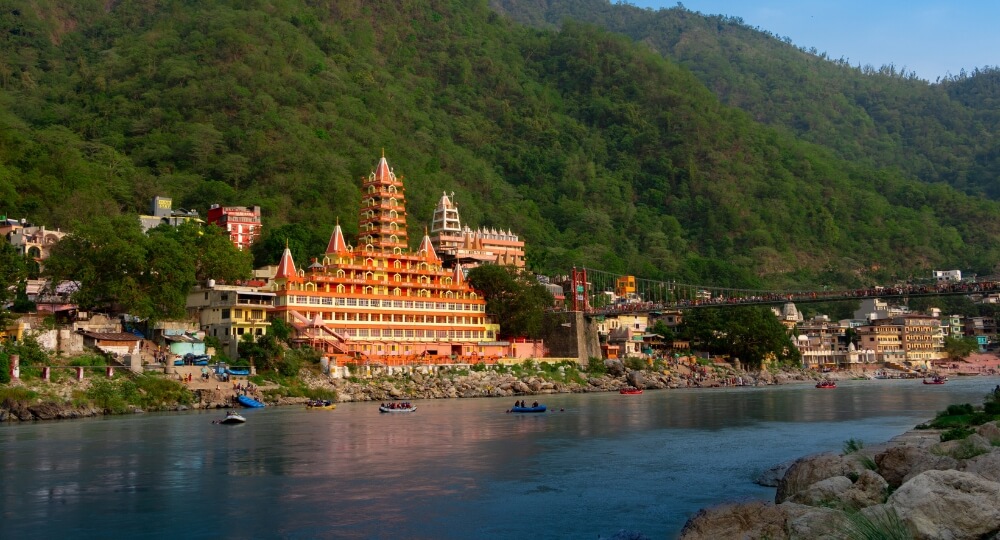
The Trayambakeshwar Temple, also known as the Tera Manzil Mandir, is a significant landmark in Rishikesh. The temple complex is believed to be over 400 years old, established by Adi Shankaracharya, although the original temple is said to be over 1000 years old. The temple beautifully blends the Nagara and Dravidian styles.

Nearby Cities You Can Visit with our Haridwar Rishikesh Packages

Mussoorie

Famous For: Scenic Beauty, Colonial Architecture, Waterfalls, Markets
Top Attractions: Lal Tibba, Landour Bazaar, Camel’s Back Road, Gun Hill, Kempty Falls, Mall Road

Dehradun

Famous For: Scenic views, Waterfalls, Forests, Bazaar, Monastery
Top Tourist Attractions: Mindrolling Monastery, Tapkeshwar Mahadev Mandir, FRI, Gucchupani Robbers Cave, Buddha Temple, Rajaji Wildlife Sanctuary, Santala Devi Temple

Dhanaulti

Famous For: Natural Beauty, Himalayan Views, Adventure Activities, Eco Park, Snowfall
Top Tourist Attraction: Surkanda Devi Temple, Eco Park, Tehri Dam, Thangdar, Aloo Khet.S

Rudraprayag

Famous For: Temples, Scenic Views
Top Tourist Attractions: Koteshwar Temple, Chopta, Guptkashi, Karthik Swami Temple, Panchprayag, Chandrapuri, Syalsaur, Indrasani Mansadevi Temple

Kalsi

Famous For: Historical Artefacts, Scenic Beauty
Top Tourist Attractions: Ashoka Edicts, Dak Pathar, Asan Barrage, Timli Pass, Tapkeshwar Temple, Sahastradhara Waterfalls

Lansdowne

Famous For: Colonial Architecture, Pine Forests, Scenic Views, Religious Sites
Top Tourist Attractions: Bhulla Taal, Tip in Top Point, Tadkeshwar Dham Mandir, Bheem Pakora, St Mary’s Church, Snow Viewpoint, Gharwali Museum, Kalagarh Tiger Reserve

Pauri

Famous For: Scenic vistas, Temples, Forests, Adventure Activities
Top Tourist Attractions: Kandolia Temple, Dhari Devi Temple, Kyunkaleshwar Temple, Chaukhamba Viewpoint, Dhari Devi Temple, Jwalpa Devi Temple

Khirsu

Famous For: Scenic Views, Apple Orchards, Temple, Lush Forests
Top Tourist Attractions: Gauri Devi Temple, Rajeshwari Temple, Ghandiyal Devta Temple, Devalgarh, Khirsu Nature Park

Jim Corbett

Famous For: National Park
Top Tourist Attractions: Jim Corbett National Park

Phool Chatti

Famous For: Yoga & Meditation Centres, Trekking, Waterfall
Top Tourist Attractions: Phool Chatti Yoga Ashram, Patna Waterfall, Garud Chatti Waterfall

Tehri

Famous For: Dam, Adventure Activities, Religious Sites, Food
Top Tourist Attraction: Tehri Dam, Surkanda Devi Temple, Mata Chandrabadni Temple

Kanatal

Famous For: Scenic Views, Lush Forests, Trekking, Temple
Top Tourist Attraction: Tehri Lake & Dam, Kaudia Forest, Surkanda Devi Temple, Apple Orchards

Devprayag

Famous For: Triveni Sangam, Temple, Panch Prayag
Top Tourist Attraction: Sangam, Raghunathji Temple, Dashrathshila, Teen Dhara, Chandrabadani Devi Temple, Alaknanda & Bhagirathi Bridges

Kaudiyala

Famous For: Adventure Activities, Scenic Views, Dense Forests
Top Tourist Attraction: River Rafting, Trekking, Rappelling, Neer Garh Waterfalls

Food

Haridwar and Rishikesh are known for their simple but hearty Garhwali food that makes the soul happy. Garhwali cuisine includes nutritious dishes made from fresh, locally available ingredients. Unlike other North Indian cuisines that generously use spices and fats (Ghee, oil, butter), the cuisine here emphasises bringing out the natural flavours of the ingredients. Some of the local produce includes wild greens, legumes, and millets.

At Haridwar, you can always sample local staples like Chole Bhature, Aloo Puri, Khasta Kachori, Kaanji Wada, Pani Puri, and Dahi Chaat. Don’t forget to try the Kulhad Wali Chai with some Aloo Tikki.

But if you’re in Haridwar and looking to sample some authentic Garhwali cuisine, we suggest trying the Gharwali Thali, which features traditional dishes like Gahat Dal, Aloo ke Gutke, Kafuli, Mandua Roti, Jhangora Rice, Bhang ki Chutney, Chainsoo, Phanu, and Pahadi Raita.

Some of the popular Garhwali dishes include Thechwani, Dhapdi, Til ki Chutney, and Gulgula.

Rishikesh also features Garhwali cuisine, which uses local ingredients such as Jambu, Bhangjeera, and Jakhiya. While the city is famous for its street food staples like Momos, Thupka, and Chole Bhature, we suggest you explore the hidden restaurants locals frequent. These eateries specialise in simple Garhwali specialities like Dubuk and Fannah.

But Rishikesh is also home to eclectic cafes serving international cuisines from Israel, Italy, and other parts of Europe.

Shopping

Haridwar is a great place to buy religious items like Rudraksh Malas, spiritual texts, Ganga Jal, crystal stones, brass Puja items, etc. The city is also famous for its Pedhas, pickles, and unique fruit preserves. Some of the popular shopping avenues in Haridwar include:

  • Choghanpatha, for Rudrakshas, spiritual books, Ganga Jal, religious idols and photos, and woollen clothes, including Pashmina shawls and Angora wool sweaters.
  • Lala Bazaar for spiritual items and religious art, Aipan art, wooden items, and copperware.
  • Chowk Bazaar for Khadi clothes, spiritual and religious souvenirs, woollen textiles, etc.
  • Karkhana Bazaar for cane and bamboo products, religious souvenirs, sweets, Aipan art, and copperware.
  • Kutchery Bazaar for spiritual and religious souvenirs, wooden carvings, Aipan art, copperware, Ringaal handicrafts.
  • Khazanchi Mohalla: Glass bangles, stone idols, spiritual souvenirs, sweets, pickles, Ayurveda medicines.

Rishikesh is known for its bohemian shopping experiences, where you will find plenty of hole-in-the-wall shops selling interesting knick-knacks like Kurtas, bags, vegan delights, and bracelets. It is also a great place to shop for handmade soaps and oils, incense sticks, and organic honey. Pashmina shawls, Angora sweaters, and gemstones like amethysts and quartz are quite cheap in Rishikesh.

Some of the popular places to shop in Rishikesh include

  • Gole Market for ethnic clothes, large necklaces, earrings, and bracelets.
  • Shyampur Haat Bazaar for spices, herbs, organic honey, and handwoven fabrics.
  • Ram Jhula Market for spiritual souvenirs, bracelets, Ayurvedic soaps and oils, and gemstones.
  • Laxman Jhula Market for spiritual souvenirs, eclectic ethnic wear, Yoga-wear, and spiritual books.

Dos and Don’ts of Visiting Haridwar – Rishikesh

  • The Ganga is considered one of the holiest water bodies among the Hindus. Do not do anything that would be regarded as disrespecting the Ganga.
  • Do not swim in the Ganga in Rishikesh as the depth of the river can be unpredictable. This is especially true during the night.
  • If you are trekking in and around Rishikesh, stick to the trail – it can be dangerous to wander along in the forests.
  • Rishikesh and Haridwar are not party places – alcohol, meat (including eggs), and cigarettes are banned in most areas close to the temple or ashrams.
  • While you will find plenty of Babas, Gurus, and Swamijis in and around Rishikesh and Haridwar, do not trust everybody – check with the locals before committing to anything.
  • Dress modestly, especially in temples and ashrams.
  • Speak politely and avoid loud music, especially near the Ghats.
  • Haridwar and Rishikesh are ecologically sensitive places – avoid littering, especially plastic and other non-biodegradable waste.
  • Don’t miss the Ganga Aarti at the Har ki Pauri and the Triveni Ghat (or Parmarth Niketan Ashram) in Haridwar and Rishikesh, respectively.

View All Haridwar & Rishikesh Tour Packages
Travel Tips

Visa Information

Visa Information

Check visa requirements before traveling, ensuring a smooth entry and compliance with destination regulations.

Health and Safety Tips

Health and Safety Tips

Prioritize health, stay hydrated, follow safety guidelines, and maintain personal hygiene for a secure journey.

Currency and Tipping

Currency and Tipping

Familiarize with local currency, consider customary tipping practices for respectful and seamless travel experiences.

Share Your Ideal Tour: Let Us Customize!

FAQs:

What is the best time to visit Haridwar Rishikesh?
Except for the peak summer month of June (and the last weeks of May) and the monsoon months of July to September, the rest of the months are good to choose Haridwar Rishikesh tour packages. The best time to visit these places also depends on what you'd like to do. For instance, if you'd like to include some adventure activities along with your spiritual tour, we suggest visiting Haridwar & Rishikesh in spring (February to April) and November.
What are Haridwar and Rishikesh famous for?
Haridwar and Rishikesh are spiritual hubs famous for their temples, yoga, adventure activities, and numerous ashrams.
How many days do I need to visit Haridwar and Rishikesh?
We suggest booking Haridwar & Rishikesh tour packages for 3 to 4 days, though you can include them in your broader North India tour packages or Uttarakhand tour packages.
Can I customise my Haridwar & Rishikesh tour packages?
Yes, you can always customise your itinerary to include (or exclude) specific attractions.
Do you offer EMI options for tour packages?
We offer easy instalments for select destinations/tour packages. Call us at +91 9940882200 or message us on Instagram to discuss payment plans.
Are Haridwar and Rishikesh safe places?
Yes, Uttarakhand is generally a very safe place for tourists. However, we encourage guests to avoid travelling after dark and keep their belongings secure, especially if they are travelling alone. We also suggest following common sense, especially in crowded areas and being cautious at night.
What souvenirs should I buy from Haridwar & Rishikesh?
Some popular souvenirs you can buy from these cities include Rudraksh malas, local sweets like jalebi, local handicrafts, shawls and sweaters from Tibetan markets, brass idols, and Ayurveda products.
What are some popular street foods I must try in Haridwar and Rishikesh?
Some of the local delicacies in Haridwar and Rishikesh include Aloo Puri, Chaat items, Thupka, Kulhar Wali Chai, Kachori, Momos, and Chole-Bhature.
How is Haridwar different from Rishikesh?
While Haridwar is a traditional pilgrimage site, like Har ki Pauri and the Kumbh Mela, Rishikesh is known for its yoga and meditation culture and attracts a younger, hipper crowd. You will also notice a difference in how the Ganga flows in Haridwar compared to Rishikesh. The Ganga is colder and faster, while in Haridwar, it slows down and begins its journey towards the plains.
What are some popular tourist places near Haridwar and Rishikesh?
Haridwar is close to several hill stations like Mussoorie, Dhanaulti, Dehradun, Auli, and Nainital, and pilgrimage sites like Devprayag and Kunjapuri.

Book Your Dream Vacay Today!

=

×

Enquire Now

=