1

Tour Package

Gwalior Tour Packages

Gibraltar of India

SUPER DEAL PRICE

STARTS FROM

per person on twin sharing
One of the Major Cities of Madhya Pradesh: Gwalior
South India’s No.1 Travel Brand
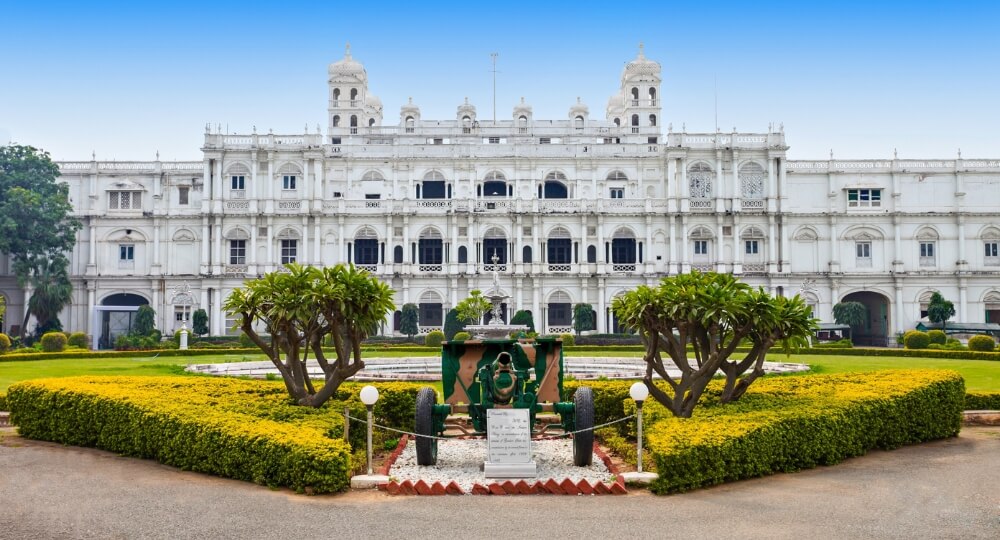
Jai Vilas Palace
One of the Most Famous Palaces
October - March
Best Season to Visit
Gwalior Fort
One of the Most Iconic Forts in India
Hindi, English, Marathi, Sindhi
Languages Speaking
Essential Tips for Travelling to Gwalior
ATMs

ATMs are widely available in city areas.

Credit Cards

Credit cards are accepted in most urban places.

Bank

Finding banks in Gwalior is generally easy.

Drinking

The legal drinking age in Gwalior is 21.

Safest

Gwalior residents are known for their hospitality.

Gwalior - Overview

gwalior tour map

By Purpose

tour package tourism

Couples

For Newlywed Vacations

tour packages business

Family

For Family Vacations

Top Travel Destinations

Gwalior Fort

Teli Ka Mandir

Italian Garden

Tomb of Tansen

Tighra Dam

Jai Vilas Palace

Scindia Museum

Sun Temple

Gwalior Zoo

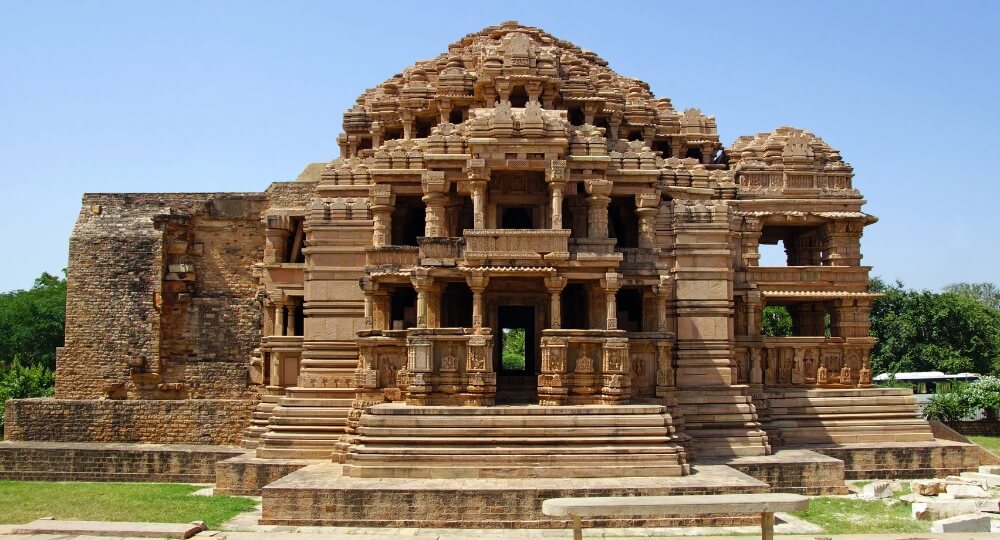
Sas Bahu Temples

Chaturbhuj Temple

Gujari Mahal Museum

Everything You Need to Know About Gwalior

Would you like to visit an Indian city that was designated as the ‘City of Music’ by UNESCO? If so, then you must explore the city of Gwalior. Located in the ‘Heart of India’, Madhya Pradesh, Gwalior is one of the many gems of Central India. It’s a destination brimming with historical structures, alluring forts, scrumptious food, and eclectic culture, all of which you can experience with GT Holidays’ Gwalior tour packages. Let’s do a deep dive into the art, history, culture, tourist attractions, shopping scene, and cuisine of the city so you can understand why Gwalior is a must-visit destination.

About Gwalior

The region that is now known as Gwalior was once the centre of the princely state of Gwalior. The state was ruled by the Scindia family. This was a Maratha dynasty that reigned over a majority of the northwestern part of the country during the latter half of the 18th century. Ranoji Scindia, who was the founder of the Scindia dynasty, established the state of Gwalior sometime around 1745. The state bloomed and prospered to the extreme during the rule of Mahadji Scindia, who served as the Maharaja of Gwalior till 1794. The territory that he ruled included parts of northern as well as central India. His officers are known to have derived payments from the major Rajput rulers, such as those who reigned over Jodhpur and Jaipur. Under the reign of Daulat Rao Scindia, who was the grandnephew of Mahadji Scindia, the state of Gwalior lost a majority of its territory to the British during the Second and Third Anglo-Maratha Wars. During the 1840s, the state came completely under British control.

Gwalior was established as a municipality in 1887, and the princely state of Gwalior was dissolved after India gained its independence. During the time of its incorporation, the princely state occupied an area of about 26,000 square miles, comprising most of the region that’s now known as the northern region of the state of Madhya Pradesh. As a part of the reorganisation of the Indian states following the country’s independence, Gwalior was merged with Madhya Pradesh in 1956.

Tidbits About Gwalior

  • Gwalior was founded by a chieftain named Suraj Sen.
  • The Gwalior Fort is often known as the ‘Gibraltar of India’.
  • Gwalior became a part of Madhya Pradesh in 1956.
  • Gwalior gave birth to the Gwalior Gharana, which was the first ever gharana of Hindustani classical music.
  • The Jai Vilas Palace in Gwalior is the place of residence of the Scindia family.
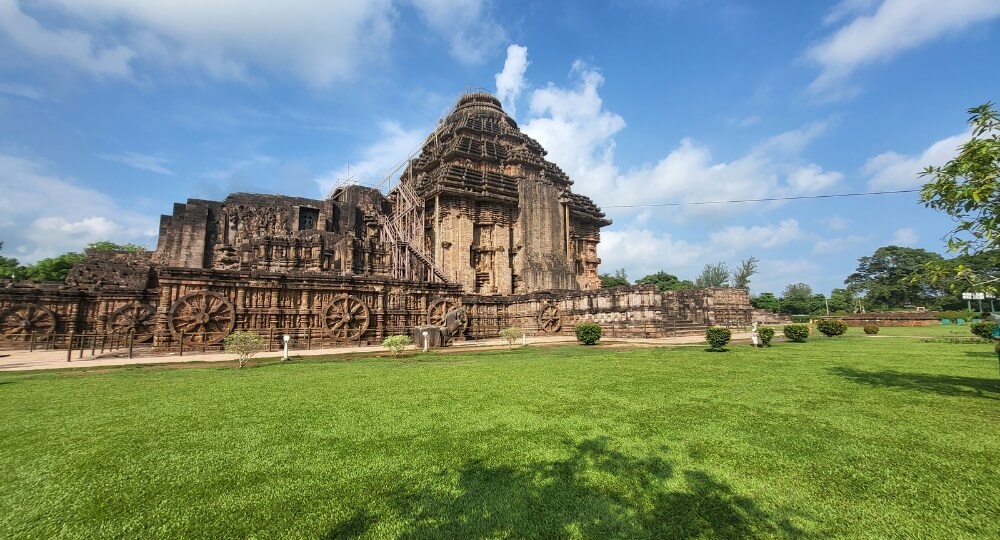
  • The Sun Temple in Gwalior is said to have been inspired by the Konark Sun Temple in Odisha.
  • The Gwalior Zoo was established by the royal family of Madho Rao Scindia.
  • Gwalior was designated as a ‘City of Music’ under the Creative Cities Network by UNESCO in 2023.

Essential Tips To Know Before Travelling To Gwalior

  • Avoid drinking tap water or eating street food from stalls that have unsanitary conditions.
  • Whenever you go out, carry bottled water as it helps you stay hydrated and also because consuming water from unknown places could be unsafe.
  • The main airport in Gwalior is the Rajmata Vijayaraje Scindia Airport.
  • Autorickshaws and buses are some of the best public transport options in Gwalior.
  • Only opt for licensed taxi services and avoid going for unlicensed taxis.
  • In order to stay hydrated and energised, carry electrolyte powders or ORS, especially during the peak summer months.
  • Don’t roam around alone at night, especially in remote areas.
  • In the remote regions, you may not come across too many ATMs or stores that accept credit cards or debit cards. Therefore, carry sufficient cash.

Gwalior At A Glance

Category Details
City Gwalior
Currency The Indian Rupee (INR)
High Season October to March
State Flower of Madhya Pradesh The Madonna lily
Standard Voltage 230 volts
State Animal of Madhya Pradesh The barasingha
Languages Official: Hindi ; unofficial: Marathi, Sindhi
Famous Tourist Attractions Gwalior Fort, Jai Vilas Palace, Teli Ka Mandir, Sun Temple, Gwalior Zoo, Tomb of Tansen, Gujari Mahal
Things To Do Trekking, rock climbing, boating
Famous Food Poha, kachori, laddoo, karela chaat, paneer jalebi
Best Getaways Orchha, Chanderi, Khajuraho, Agra
Souvenirs To Buy Chanderi silk sarees, handwoven carpets, Maheshwari sarees, handicrafts

Top Reasons To Visit Gwalior

The following are some of the many reasons to grab our enticing Gwalior tour packages:

Historical Monuments

Historical monuments and forts add to the allure of Gwalior. In addition to being architectural marvels, these structures signify the rich and complex history of the city. Feast your eyes on the magnificent Gwalior Fort, which has been given the title of the ‘Gibraltar of India’ and was called ‘the pearl amongst fortresses of Hind’ by Babur, the Mughal emperor. Explore the Jai Vilas Palace, which was commissioned by Maharaja Jayajirao Scindia and is also home to the Jivaji Rao Scindia Museum. With our Gwalior tour packages, you can also visit the Gujari Mahal, which was built to honour Queen Mrignayani, who was the wife of Raja Man Singh Tomar.

Alluring Cuisine

Tasting the food of Gwalior means being privy to the numerous and eclectic dishes the city is home to. Tourists can also experience the culinary richness of Madhya Pradesh, which is surely a fabulous reason to book our Gwalior tour packages. You will notice that Gwalior has several exciting breakfast options for you to choose from, and a trip to the city is incomplete without experiencing its street food. This includes the delicious kachoris, sweet laddoos, and savoury karela chaat. Did you ever think that jalebis could have paneer in them? Well, you will get to witness this unique sweet dish in Gwalior.

Places Of Spiritual Significance

Gwalior has a myriad of tourist attractions of religious and spiritual significance, thereby adding to the holy ambience of the city. Pay a visit to the Teli Ka Mandir (also called Oilman’s Temple), which is dedicated to Lord Shiva, Lord Vishnu, and the Matrikas. Experience the brilliance of the Sun Temple, which was inspired by Konark’s Sun Temple, and is dedicated to the Sun God. Make sure to also visit the Sas Bahu Temple, which was built by King Mahipala in 1093.

Rich Culture

The rich cultural heritage of Gwalior shows itself in numerous ways. The cuisine, for instance, is a mixture of the culinary diversity of the state of Madhya Pradesh and also the uniqueness of Gwalior’s own dishes. The music of the city is renowned all over the world, with UNESCO recognising it as a ‘City of Music’. It’s the birthplace of the Gwalior Gharana, which has played a vital role in the popularity of Hindustani classical music. One cannot discuss the music scene of Gwalior without mentioning Tansen, the musician who continues to inspire the city even today in the form of the famous Tansen Music Festival.

Best Time To Visit Gwalior

Gwalior has a humid subtropical climate, characterised by hot and humid summers, humid monsoons, and dry and cool winters. Let’s take a look at what each season in the city brings about so you can accordingly decide when to book our Gwalior tour packages:

Gwalior In Summer (March To June)

The temperature range during the summer season in Gwalior is usually between 26 degrees Celsius and 45 degrees Celsius. On some days, it can also go as high as 48 degrees Celsius. Given the high humidity and scorching heat, this is not the ideal time to visit Gwalior as the soaring temperatures make it difficult to go sightseeing. However, if you do get our Gwalior tour packages for this season, make sure to carry sunglasses, sunscreen, hats, and light cotton clothes. Also, carry a bottle of water whenever you go out so as to stay hydrated.

Gwalior In Monsoon (July To September)

The range of temperature one can expect in Gwalior during the monsoon season is between 25 degrees Celsius and 35 degrees Celsius. The rainfall brings some much-needed relief from the almost unbearable heat. Although the monsoon brings about cooler nights and a slightly more pleasant atmosphere, the humidity is high during this period as well. If you visit the city with our Gwalior tour packages during the monsoons, remember to pack umbrellas, waterproof clothes, and sturdy shoes.

Gwalior In Winter (October To February)

As Gwalior welcomes the winter season, the temperature range oscillates between 12 degrees Celsius and 24 degrees Celsius. The temperature can also fall as low as 3 or 4 degrees Celsius. The cool weather makes this the perfect time to explore all the popular tourist attractions in the city with our Gwalior tour packages. The famous Tansen Music Festival is celebrated in Gwalior during this season.

Infographic

  • Cheapest month to fly to Gwalior – December
  • Best time for trekking – October to March
  • Best time for rock climbing- October to March

Top Things To Do In Gwalior

Booking GT Holidays’ Gwalior tour packages entails getting to explore the rich tapestry of tourist attractions in the city. Listed below are the many places to visit in the city and the adventures to participate in:

Things To Do As A Family

Gwalior Fort

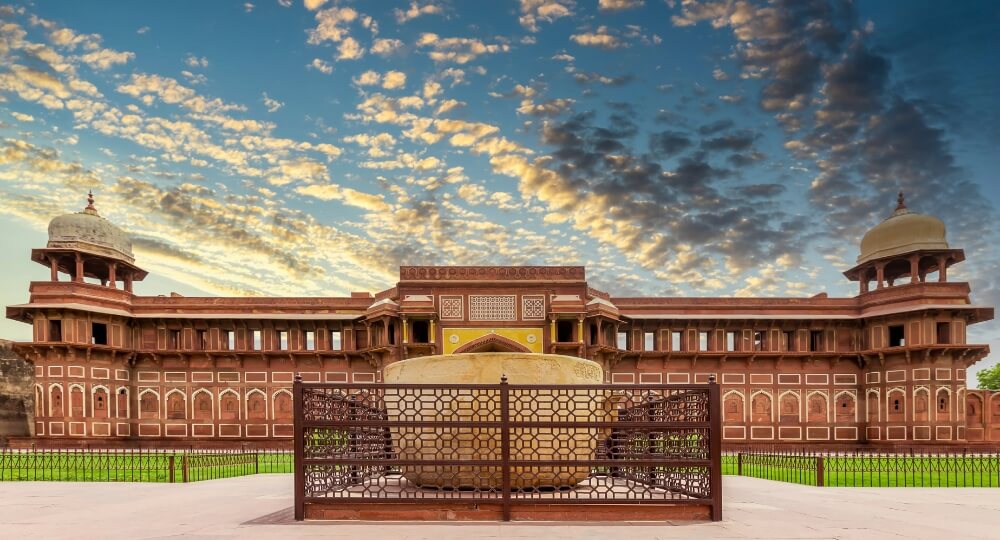
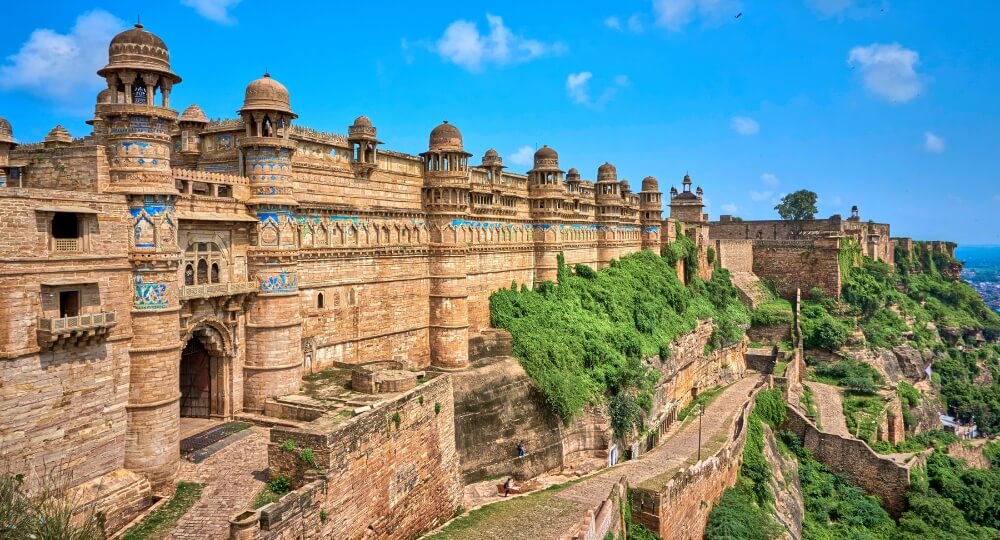
The Gwalior Fort is located on a steep and isolated sandstone hill, nestled about 300 feet above the ground. Often called the ‘Gibraltar of India’ owing to its magnificence, it towers over the city of Gwalior, standing as a testament to its rich past. The Mughal emperor Babur gave the Gwalior Fort the title of ‘the pearl amongst fortresses of Hind’. The outer walls of this fort stand 35 feet high and are two miles long. The construction of Gwalior Fort was started by Raja Suraj Sen during the 3rd century, and it was later developed during the 15th century by Raja Man Singh Tomar.

Jai Vilas Palace

The Jai Vilas Palace, which is also known as the Jai Vilas Mahal, currently serves as the residence of the Scindia family. A major part of the palace has been converted into the Jivaji Rao Scindia Museum, which displays a collection of artefacts from the Scindia dynasty. This includes royal costumes, weapons, paintings, and Rani Lakshmi Bai’s shield. The palace was commissioned to be constructed in 1874 by Jayajirao Scindia, the Maharaja of Gwalior. It was designed and built by Sir Michael Filose. Maharaja Jayajirao Scindia got the structure built to welcome King Edward VII, the then Prince of Wales, in 1875.

Teli Ka Mandir

The Teli Ka Mandir, which is also known as the Oilman’s Temple (as per the translation of the name), is located within the Gwalior Fort. It’s one of the tallest structures in the complex, standing at a height of 30 metres. Having a Dravidian style of architecture, the temple is dedicated to Lord Shiva, Lord Vishnu, and the Matrikas. It was built by the Pratihara emperor Mihira Bhoja during the 9th century. Legend says that the temple was built using the money donated by oil merchants, which is where the structure derived its name from. The Teli Ka Mandir is under the protection of the Archaeological Survey of India.

Sun Temple

The Sun Temple in Gwalior, also known as the Surya Mandir, is dedicated to the Sun God. It’s modelled after the renowned Konark Sun Temple in Odisha. The temple was built by the prominent Indian industrialist, G.D. Birla, in 1988. While the interiors of the temple are decorated with white marble, the exteriors of the structure were created with red sandstone.

Gwalior Zoo

The Gwalior Zoo, which is also known as the Gandhi Zoological Park, was established in 1922 by the royal family of Madho Rao Scindia, who was the 6th Maharaja of Gwalior. Forming a part of a bigger garden known as Phool Bagh, it was inaugurated by the Prince of Wales. Tourists will come across numerous kinds of creatures at this zoo, including monkeys, crocodiles, lions, hyenas, rabbits, deer, panthers, and the Royal Bengal Tiger.

Tomb Of Tansen

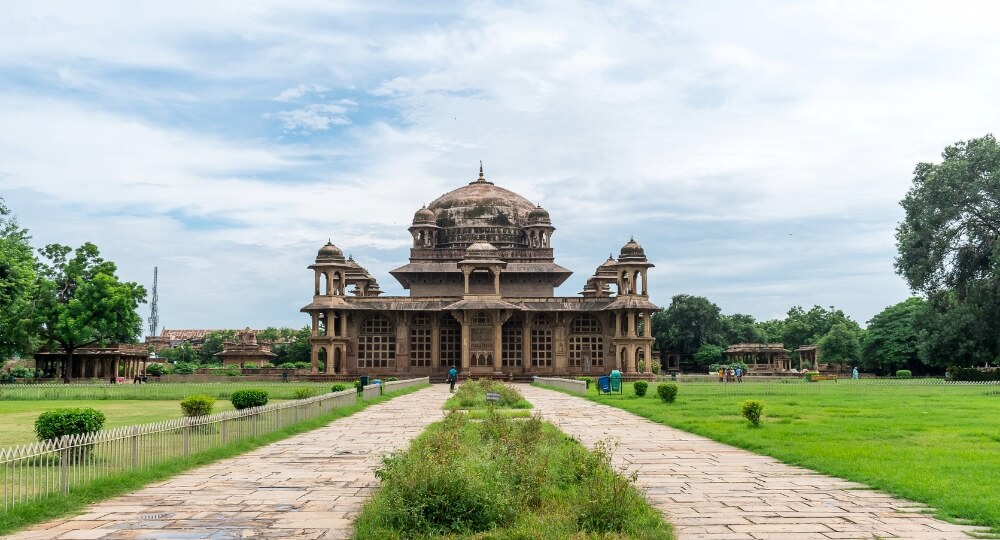
The Tomb of Tansen in Gwalior forms a part of the larger Mohammad Ghaus complex. Built during the 16th century, the structure was built to honour Tansen, who is often considered to be the father of Hindustani classical music. He was one of the navratnas or nine jewels of the court of Akbar, the Mughal emperor. It was designed in a quintessential Mughal style of architecture.

Gujari Mahal

The Gujari Mahal in Gwalior was built during the 15th century by Raja Man Singh Tomar in honour of his beloved wife, Queen Mrignayani. It was converted into an archaeological museum in 1922. The museum has several artefacts on display, such as paintings, coins, sculptures, weapons, and pottery. One of the most significant items that is kept under the protection of the museum’s curator is the Salabhanjika statue (which is known as the Indian Mona Lisa). It can be viewed by visitors after attaining special permission.

Things To Do For Adventure Lovers

  • Trekking with the Gopachal Hill Trek
  • Rock climbing near Gwalior Fort
  • Boating at Tigra Dam

Shopping in Gwalior

When you go shopping with our Gwalior tour packages, check out these markets and souvenirs:

What To Buy

Chanderi Silk Sarees

Chanderi silk sarees stand as a proud testament to the weaving techniques of Indian artisans as well as their skilled craftsmanship. These sarees originated from the town of Chanderi in Madhya Pradesh. They are particularly famous for their luxurious and lightweight texture and intricate designs.

Handwoven Carpets

The handwoven carpets available in Gwalior are a marvellous example of the textile heritage of India. These can be made using various kinds of materials, such as silk, wool, and cotton. The luxurious carpets that feature traditional motifs reflect the state’s rich cultural heritage and meticulous craftsmanship.

Maheshwari Sarees

Maheshwari sarees originate from the town of Maheshwar in Madhya Pradesh and are one of the most popular kinds of souvenirs to buy from Gwalior. If you’re looking for fabric or textile-based gifts for your loved ones, then these sarees are a great option. These are made with a combination of silk and cotton and contain unique patterns.

Handicrafts

Tourists will come across multiple types of handicrafts in Gwalior. This includes sculptures made from stone carvings, jute products, dhokra figurines, and intricate silverware and brassware. You can also check out the tribal jewellery available in the city that is made using materials like stones, metals, and beads.

Where To Shop

  • Patankar Bazaar: For handicrafts, handloom, jewellery, dolls.
  • Sarafa Bazaar: For jewellery, handicrafts, brassware.
  • Topi Bazaar: For shoes, jewellery, leather items.
  • Bada Market: For sarees, clothes, accessories.

Things To Remember When Shopping In Gwalior

  • Although the bigger stores and markets in the city accept UPI payments and debit and credit cards, it’s better to carry cash while shopping in the remote regions and at the smaller shops.
  • Bargaining is common in the markets of Gwalior. However, remember to negotiate politely till you arrive at a price that suits both parties.
  • When you buy handicrafts in Gwalior, it’s better to purchase from the government emporia and certified shops.
  • Support the local artisans by buying from them so you can contribute to the economy of the city as well as the state of Madhya Pradesh.

Foods To Try Out In Gwalior

The cuisine of Gwalior reflects the city’s rich culture along with the cultural diversity of the state of Madhya Pradesh. The street food in Gwalior could be a major reason for foodies to grab the Gwalior tour packages from GT Holidays. Vegetarians, in particular, will be delighted with the many culinary options in the city. Let’s recommend some of the dishes that you must try out during your trip to Gwalior:

Poha

Poha is such an integral part of the cuisine of Madhya Pradesh that you’re bound to consume it at least once during your vacation with our Gwalior tour packages. The concoction is a classic mix of healthy and delicious. Made using flattened rice, some of the other ingredients that go into preparing poha are onions, tomatoes, mustard seeds, curry leaves, coriander, and green chillies. Topping it off with lemon juice gives it an extra zest. While it’s common to have poha during breakfast, it’s also eaten as a snack at different times of the day.

Kachori

Kachoris are crispy, deep-fried pastries that are particularly famous as a breakfast item in Gwalior. Whether you’re planning to have these kachoris from a streetside stall or you wish to order them online, make sure to get them as soon as possible because these popular snacks get sold out really quickly. Filled with lentils or onions, some of the spices that go into making these kachoris are coriander powder, cumin seeds, asafoetida, and red chilli powder. These snacks are usually served along with tamarind chutney or potato curry.

Laddoo

While you may have had various kinds of laddoos in different parts of India, you absolutely must try the boondi ke laddoos found in Gwalior. Made using gram flour or besan, some of the ingredients used to make these laddoos include sugar, ghee, and cardamom. You will often find these garnished with nuts.

Karela Chaat

Are you wondering how karela or bitter gourd could possibly be included in a chaat? Well, despite its name, karela isn’t actually a part of this streetside snack. Instead, ‘karela’ here refers to a deep-fried dough sheet. It’s served alongside matar or peas.

Paneer Jalebi

If you’re a fan of the Indian sweet dish known as jalebi, then you must try its unique version available in Gwalior. Made from paneer or cottage cheese, these paneer jalebis are thicker and softer than the quintessential jalebis. You will find these soaked in sugary syrup, thereby enhancing their taste.

Art And Culture In Gwalior

Music

If you’re a follower of Hindustani classical music, then you’re probably aware of the significant role Gwalior has played in shaping it. In fact, such is the importance of music in the city that Gwalior was designated as a ‘City of Music’ by UNESCO under the Creative Cities Network in 2023. The concept of ‘gharanas’ in Hindustani classical music originated in Gwalior, thereby making Gwalior Gharana the most ancient one of all the musical gharanas in the country. The Gwalior Gharana flourished particularly during the rule of Akbar, the Mughal emperor. Gharanas refer to a particular community of musicians who share a distinctive style of music. It’s this very style that helps listeners recognise which region of music they belong to or which music instructor they derived the learning from. Numerous world-renowned musicians hail from Gwalior, such as Baiju Bawra, Tansen, and Ustad Hafiz Ali Khan. The city also celebrates the Tansen Music Festival, also known as Tansen Samaroh. It’s a 4-day festival which takes place in December. During this festival, music lovers and artists from around the world come together to celebrate music and the famous musician, Tansen.

Folk Dance

When you visit the city with our Gwalior tour packages, you might get to experience one of the many folk dances performed in Gwalior. There is the Ahiri folk dance, which is primarily associated with those who are in the field of cattle herding. It’s mainly practised by certain castes in the state of Madhya Pradesh, such as the Ahirs, Rauts, Gwals, Rawats, and Gwalas. The Baredi dance is a folk dance that is performed on the occasion of Diwali, which is when devotees worship Goddess Laxmi. There are also various kinds of Saharia dances, such as the Lur dance and the Duldul Ghodi dance.

Best Getaways From Gwalior

Orchha

Orchha is a historic town located in the Bundelkhand region of Madhya Pradesh. It once served as the capital of the Bundela dynasty and was founded in the 16th century by Rudra Pratap Singh, who was the Bundela Rajput chief. The Betwa River, which flows through this town, is said to split into seven channels, known as the Satdhara. As per legend, this is in honour of the seven former chiefs of Orchha. When you visit the town with our Gwalior tour packages, make sure to explore the Orchha Fort, Ram Raja Temple, Jahangir Mahal, and Raja Mahal.

Chanderi

Chanderi is a town situated in the Ashoknagar district of Madhya Pradesh. Back in the day, the town was ruled by numerous dynasties, including the Mughals, Bundela Rajputs, and the Scindias. During the medieval era, it served as a significant point of trade and commerce because of its strategic location. The town of Chanderi is known for its booming handloom industry, wherein the artisans produce fine, exquisite, and lightweight garments, such as sarees, dupattas, and much more. By weaving a mixture of silk and cotton, these handwoven and intricate pieces feature floral motifs and geometric patterns. When you explore Chanderi with our Gwalior tour packages, do visit the Koshak Mahal, Jama Masjid, Badal Mahal Gate, and Chanderi Fort.

Khajuraho

Khajuraho is an ancient city located in the Chhatarpur district of Madhya Pradesh. The Khajuraho Group of Monuments is made up of a collection of Hindu and Jain temples that were built during the reign of the Chandela dynasty. This architectural marvel was declared a UNESCO World Heritage Site in 1986. By the 12th century, the site had 85 temples, of which somewhere between 20 and 25 have survived. Among these temples, the Kandariya Mahadeva Temple is considered to be the largest of them all. With the name of the temple translating to ‘the Great God of the Cave’, it’s dedicated to Lord Shiva and is decorated with intricate craftsmanship, detailed sculptures, and symbolism.

Agra

Agra is a city located in the state of Uttar Pradesh, on the banks of the Yamuna River. It’s home to one of the new Seven Wonders of the World, the Taj Mahal. The white marbled monument stands proudly as a monument of love, as it was commissioned to be built by Emperor Shah Jahan as a tomb for his wife, Mumtaz Mahal, after she passed away in 1631. It was declared a UNESCO World Heritage Site in 1983. Some of the magnificent places to visit in Agra with our Gwalior tour packages include the Agra Fort, Fatehpur Sikri, Tomb of Akbar, and Itimad-ud-Daulah’s Tomb.

Dos and Don’ts For Indian Travellers

  • Always remove your shoes before going inside a temple or any other religious or spiritual spot.
  • Dress modestly whenever you visit a holy place. Cover yourself up properly and avoid wearing sleeveless tops or shorts.
  • Make sure to keep the surroundings of Gwalior clean. Don’t throw away any garbage unless you spot a dustbin.
  • Don’t stray away from the designated trails.
  • Use recyclable items whenever possible.
  • When you visit a national park or any place that contains wildlife, make sure to stay quiet and observe the animals from afar.
  • Always ask for permission before clicking a local’s photograph, especially that of a woman.
  • Men should remember not to shake hands with someone from the opposite sex, unless they offer first.
  • While having a meal with others, it’s considered polite to pass any dish on the table using your right hand.
  • When you’re on a wildlife safari, remember not to make loud noises.
  • Always stay within your jeep and don’t feed the animals.
  • Although the tribal communities are warm and welcoming, remember to always respect their cultural integrity and privacy.
  • Remember to take off your shoes before entering someone’s home.
  • Certain areas require visitors to obtain permission before taking photographs, especially when it comes to the historical monuments, military areas, and sensitive regions. Therefore, always check first before clicking pictures.

Travel Tips

Visa Information

Visa Information

Check visa requirements before traveling, ensuring a smooth entry and compliance with destination regulations.

Health and Safety Tips

Health and Safety Tips

Prioritize health, stay hydrated, follow safety guidelines, and maintain personal hygiene for a secure journey.

Currency and Tipping

Currency and Tipping

Familiarize with local currency, consider customary tipping practices for respectful and seamless travel experiences.

Share Your Ideal Tour: Let Us Customize!

FAQs:

Which is the coldest month in Gwalior?
The coldest month in Gwalior is usually January.
Can you travel from Gwalior to Orchha by car?
Yes, it’s possible to travel from Gwalior to Orchha by car.
How many days are sufficient for a trip to Gwalior?
We would recommend you set aside at least two to three days for a trip to Gwalior.
How long does it take to drive from Gwalior to Agra?
It takes about two hours to drive from Gwalior to Agra.
What is Gwalior famous for?
Gwalior is famous for delicious streetside snacks, historical landmarks, and the connection it has with the renowned musician named Tansen.
How far away is Khajuraho from Gwalior?
Khajuraho is about 280 km away from Gwalior.
Who established Gwalior?
Gwalior was established by a chieftain called Suraj Sen.
Who is the owner of the Jai Vilas Palace in Gwalior?
Jyotiraditya Scindia is the owner of Gwalior's Jai Vilas Palace.
Is there any Bollywood celebrity with connections to Gwalior?
Several Bollywood celebrities have connections with Gwalior, such as Kartik Aaryan, Javed Akhtar, and Piyush Mishra.
What is the best thing to buy from Gwalior?
Chanderi silk sarees are some of the best things to buy from Gwalior.

Book Your Dream Vacay Today!

=

×

Enquire Now

=