1

Tour Package

Manipur Tour Packages

Capital: Imphal
Jewel of India

SUPER DEAL PRICE

STARTS FROM

per person on twin sharing
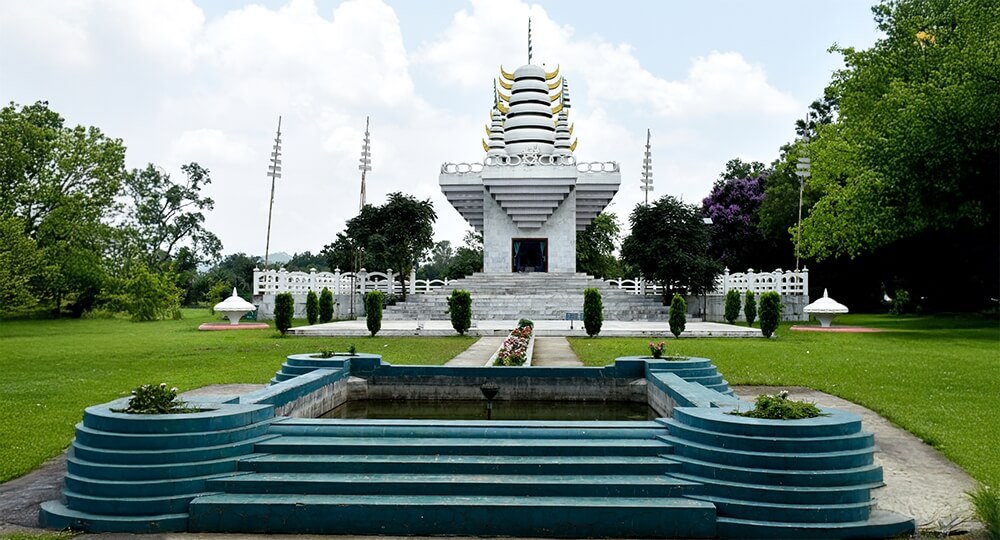
Famous Museum in Manipur: Manipur State Museum
South India’s No.1 Travel Brand
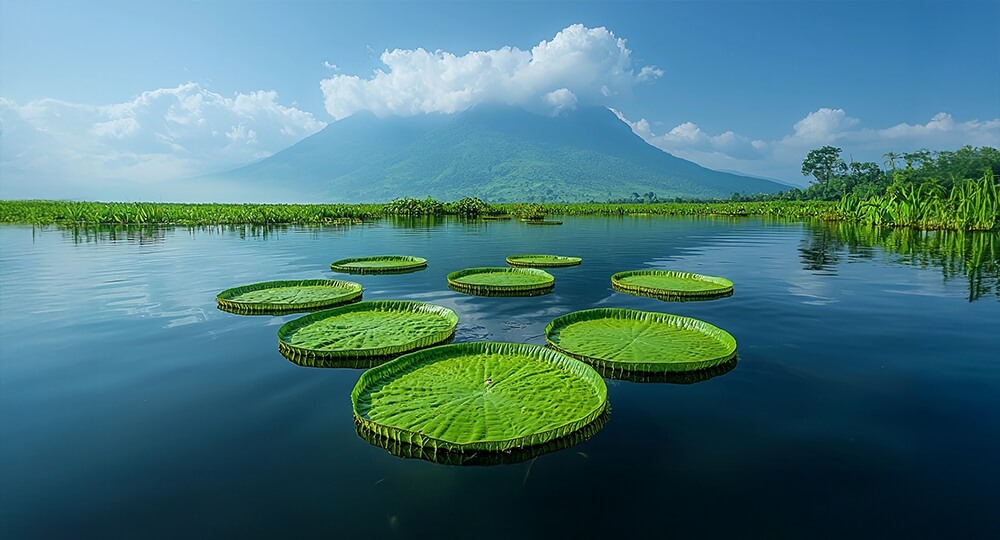
Loktak Lake
Largest Freshwater Lake in Northeast India
Keibul Lamjao National Park
World’s Floating National Park
Manipuri, Thadou, Tangkhul, English
Languages Speaking
October - March
Best Season to Visit Manipur
Essential Tips for Travelling to Manipur
ATMs

ATMs are readily accessible in most areas.

Credit Cards

Credit cards are widely accepted.

Bank

Finding a bank in Manipur is generally easy.

Drinking

The legal drinking age in Manipur is 21.

Safest

Manipur residents are known for warm hospitality.

Manipur - Overview

manipur tourist map

By Purpose

tour package tourism

Couples

For Newlywed Vacations

tour packages business

Family

For Family Vacations

Top Attractions and Nearby Sights

Loktak Lake

Kangla Fort

Shaheed Minar

Dzukou Valley

Kaina

Barak River

Bishnupur

Keibul Lamjao National Park

Manipur State Museum

Imphal War Cemetery

Shree Govindajee Temple

Manipur Zoological Garden

Everything You Need to Know About Manipur

The beauty of Northeast India can truly not be described through mere words. Among the many gems to explore in this region, one of the must-visit places is Manipur. The state shares its borders with Assam, Mizoram, and Nagaland. Manipur shares its international border with Myanmar. Did you know that the state also houses the largest freshwater lake in Northeast India? You can explore the serenity of this lake and so much more with our Manipur tour packages. Let’s do a deep dive into the art, culture, history, cuisine, shopping scene, and tourist attractions of Manipur so you can understand why you must book a trip to this state immediately.

Table of Content:

About Manipur

History

The roots of Manipur’s earliest history can be traced back to approximately 900 CE. The slightly more recent history of Manipur is tied to 1762, when Raja Jai Singh of Manipur signed a treaty with the British in order to repel an invasion from Myanmar (Burma). A new government system was established in 1917 when the region was segregated into three subdivisions. Every subdivision was led by an officer from Assam’s government. Manipur officially became a part of India in October 1949 through a merger agreement signed by the then Maharaja of Manipur and the Government of India. Under the States Reorganisation Act of 1956, Manipur became a union territory. It was granted full-fledged statehood in January 1972.

Economy

The two primary sources of income in Manipur are agriculture and forestry. The main crop grown in the state is rice. Due to the rich soil of Manipur, there is a plethora of crops cultivated in the state, including corn, pulses, mustard, orchard fruits, sugarcane, and tobacco.

Tidbits

  • The Loktak Lake is the largest freshwater lake in Northeast India.
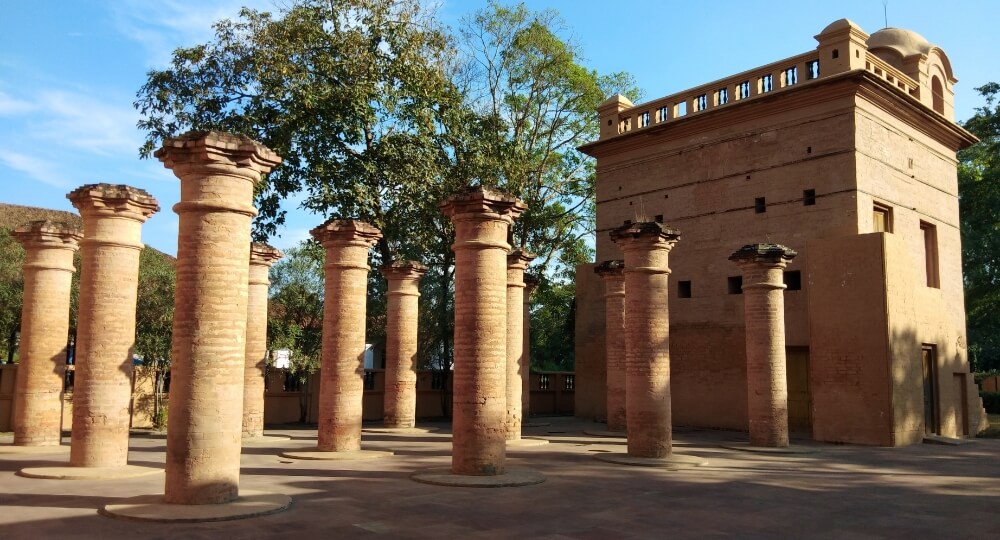
  • The Kangla Fort served as the royal residence of the Meitei Dynasty until 1891.
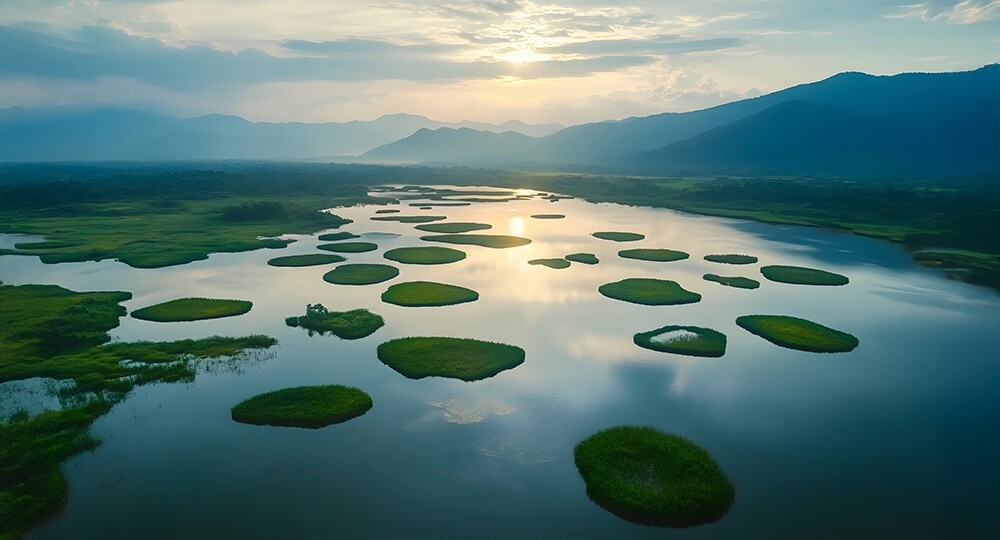
  • The Loktak Lake is unique as it has ‘phumdis’, which are floating islands where fishermen reside in floating huts called ‘phumsangs’.
  • The Keibul Lamjao National Park is known to be the only floating national park in the world.
  • The Manipur State Museum was inaugurated in September 1969 by Indira Gandhi, the then prime minister of India.
  • The Imphal War Cemetery is maintained by the Commonwealth War Graves Commission.
  • The Manipur Zoological Garden is known as the ‘Jewel Box of Manipur’.
  • The Shree Govindajee Temple in Manipur is one of the most integral holy places for all the Vaishnavaites in the world.
  • Manipur is home to Asia’s largest all-women run market.

Essential Tips To Know Before Travelling To Manipur

  • ATMs are not easily available in the region, so remember to carry sufficient cash every time you go out.
  • Some of the necessary items to carry in your luggage for a trip to Manipur are sunscreen, sunglasses, sports shoes/comfortable walking shoes, insect repellent, medicines for motion sickness and altitude sickness, and a light jacket or sweater (depending on the season).
  • The main airport in Manipur is the Imphal Airport or Bir Tikendrajit International Airport.
  • Don’t wander about alone at night.

Manipur At A Glance

Category Details
State Manipur
Currency The Indian Rupee (INR)
Capital City Imphal
High season October to March
State Flower Shirui lily
Standard Voltage 230 volts
State Animal Sangai
Languages Official: Meitei/Manipuri ; unofficial: Thadou, Tangkhul, Paite
Famous Tourist Attractions Loktak Lake, Kangla Fort, Keibul Lamjao National Park, Manipur State Museum, Imphal War Cemetery, Shree Govindajee Temple, Shaheed Minar, Manipur Zoological Garden
Things To Do Trekking, caving, boating, river rafting
Famous Food Chamthong, eromba, morok metpa, paaknam, chak-hao kheer, alu kangmet
Places To Visit Imphal, Thoubal, Bishnupur, Tamenglong
Souvenirs To Buy Textiles, bamboo and cane crafts, wood and stone-carved artefacts, hand-embroidered items

Top Reasons To Visit Manipur

Natural Landscapes

Getting to experience the marvellous natural landscapes of Manipur is surely one of the best reasons to book our Manipur tour packages. Lush greenery, rolling hills, dense forests, and serene lakes can be found in abundance in the ambience of Manipur. The natural beauty of the state is evident through various popular attractions, such as Loktak Lake, Khangkhui Cave, Waithou Lake, and Zeilad Lake.

Scrumptious Cuisine

Tasting the delicious food of Manipur is indeed a solid reason to grab GT Holidays’ Manipur tour packages. Manipur’s cuisine is a beautiful mix of nutritious and simple. You will come across various seasonal vegetables, organic ingredients, spices, and fresh herbs in the food of the state. Steaming and boiling are two cooking methods often employed to cook food in Manipur, which aid in retaining the original flavours and nutritional value of the ingredients. You will also find the locals using minimal oil in their recipes. Fermented foods and aromatic spices are found in plenty in Manipur’s food, including bamboo shoots, ginger, garlic, mint, and chives.

Fascinating Culture And History

The rich culture of Manipur can be seen through numerous elements. Examples of this include its colourful festivals, traditional folk dances, and the various handicrafts created by the state’s talented artisans. Historical places are present in abundance in Manipur. This includes the Kangla Fort, which served as the royal residence of the Meitei Dynasty until 1891. There is the Manipur State Museum, which was inaugurated by Indira Gandhi in September 1969, and showcases the tribal heritage of the Manipuri people. Pay a visit to the Imphal War Cemetery, which was created to honour the bravery of the soldiers who fought during World War II and the Battle of Kohima and Imphal.

Rich Flora And Fauna

Manipur shines bright with its diverse flora and fauna. Make sure to explore the Keibul Lamjao National Park, which is the world’s only floating national park. It’s home to more than 400 animal species, almost 233 species of aquatic plants, and about 100 species of birds. There is the Manipur Zoological Garden, which is nicknamed the ‘Jewel Box of Manipur’. The location has approximately 400 animal and bird species, including the Himalayan bear, eld’s deer, leopard cat, and flying squirrel.

Best Time To Visit Manipur

Manipur has a temperate climate in the valley area and a colder climate in the hilly region. Let’s take a look at what each season in Manipur brings about so you can accordingly decide when to book our Manipur tour packages:

Manipur In Summer (April To June)

During the summer season, the range of temperatures in Manipur remains between 16 degrees Celsius to 36 degrees Celsius. The summer months are usually mild, coupled with a moderate climate, clear skies, and sunny days. There are some days, though, when it can get a bit uncomfortable to step out during the day due to the humidity, which is when tourists prefer to remain indoors. However, this season is mostly a good time to engage in outdoor activities like trekking, boating, rock climbing, and rafting. The late evenings and early mornings usually remain pleasant during summertime in Manipur. One of the festivals you could experience in the state at this time with our Manipur tour packages is the Shirui Lily Festival. Make sure to carry sunglasses, sunscreen, and light summer clothes. You can also pack a light jacket for the cooler evenings.

Manipur In Monsoon (July To September)

During the monsoon season, the temperature range you can expect in Manipur is between 23 degrees Celsius and 30 degrees Celsius. The state experiences moderate to heavy rainfall at this time. The possibility of landslides is one of the reasons tourists usually avoid visiting Manipur during this period. Lush greenery envelops Manipur with the onset of the monsoon. You can get some good discounts and deals at this time with our Manipur tour packages. Ratha Yatra is a festival that is celebrated during the monsoon season in Manipur.

Manipur In Winter (October To March)

The range of temperature oscillates between 4 degrees Celsius to 25 degrees Celsius during the winter season in Manipur. This is when most people visit Manipur, owing to the moderately warm days and comfortably cold nights. If you wish to book our Manipur tour packages for this season, we suggest you make the bookings in advance to avail the best deals and accommodations. It’s the ideal period to go sightseeing, engage in outdoor adventures, plan a honeymoon, and explore the state’s natural beauty. Some of the festivals celebrated in Manipur during the winter months are Gang-Ngai and the Chumpha Festival.

Top Places to Visit In Manipur

Imphal

Imphal is the capital city of Manipur. It has the largest freshwater lake in Northeast India, known as Loktak Lake, where you can enjoy birdwatching and boating. Devotees often visit the Shri Govindajee Temple, which was built in honour of Lord Krishna. It’s particularly well-known among the followers of Vaishnavism, and also has idols of Goddess Subhadra, Goddess Balabhadra, Lord Balaram, and Lord Jagannath. Get a taste of history and Manipur’s culture at the Kangla Fort, which was once the abode of the royalty of Manipur. If you wish to enjoy some leisurely time and lush greenery, visit the Singda Dam, which is perfect for picnics.

Thoubal

Thoubal is a town which serves as the district headquarters of the Thoubal district of Manipur. The name of the town is derived from ‘Athouba’, which translates to ‘brave people’, thereby denoting the courage and bravery of the people residing in the district. Situated about 25 km from Imphal, the town is filled with rivers, picturesque hills, and lush green paddy fields. Make sure to visit the Ikop Lake, a gorgeous freshwater lake that’s enveloped in greenery. Some of the other spots to visit in Thoubal with our Manipur tour packages are the Thoubal River, Waithou Lake, the People’s Museum, and the Khongjom War Memorial Complex.

Bishnupur

Bishnupur is a town located in the Bishnupur district of Manipur, and serves as the administrative headquarters of the concerned district. The name of the town is derived from the Vishnu Temple in the town, with the name translating to ‘the abode of Vishnu’. The temple, which is dedicated to Lord Vishnu, dates back to the 15th century and was built using burnt bricks and lime mortar. King Kyamba of Manipur was gifted an idol of the deity by the ruler of the kingdom of Pong on the occasion of the former’s victory over the Kyang kingdom. This is what led to King Kyamba building the Vishnu Temple. The other attractions to explore in Bishnupur with our Manipur tour packages include Loktak Lake, Loukoipat Ecological Park, Keibul Lamjao National Park, and Sendra Island.

Tamenglong

Tamenglong is a town which serves as the district headquarters of the Tamenglong district in Manipur. It’s also known as the ‘land of the hornbill’ as the town is home to various species of hornbills, such as the great hornbill and the oriental pied hornbill. The Tamenglong district is popular for its cultivation of Tamenglong oranges, which are rich in vitamins A, B, and C, and have a sweet and sour taste. When you visit Tamenglong with our Manipur tour packages, remember to explore the Tharon Cave, Zeilad Lake, Barak Waterfalls, and Buning Meadow.

Top Things To Do In Manipur

Here are some of the most popular tourist attractions to visit in Manipur and the best outdoor adventures to participate in with our Manipur tour packages:

Things To Do As A Family

Loktak Lake

The Loktak Lake is located in the Bishnupur district of Manipur. It’s known for being the largest freshwater lake in the region of Northeast India. In Manipuri, the name of the lake translates to ‘the end of the stream’. Located at a distance of 48 km from the capital city of Imphal, it is identified as a major Indian wetland by the World Conservation Union (IUCN). The lake received the designation of a Ramsar site of international importance in 1990. Some of the most unique sights you will witness at Loktak Lake are the floating islands known as ‘phumdis’, where fishermen reside in floating huts called ‘phumsangs’.

Kangla Fort

Kangla Fort is located on the banks of the Imphal River. It served as the royal residence of the Meitei Dynasty until 1891. Situated at an elevation of 394 metres, it is home to the previous royal residences and offices, the Kangla Museum, and the Pakhangba Temple. Covering an area of about 237.62 acres, there are currently discussions going on within the Indian Parliament for the fort to receive the status of a UNESCO World Heritage Site.

Keibul Lamjao National Park

The Keibul Lamjao National Park is situated in the southwestern part of Loktak Lake. Sprawled over an area of about 40 sq km, it’s renowned as the only floating national park in the world. A unique feature of this park is the presence of ‘phumdis’, which can be defined as floating masses of vegetation, soil, and organic matter. The park is home to over 400 animal species, almost 233 species of aquatic plants, and approximately 100 species of birds. The Keibul Lamjao National Park was initially given the designation of a wildlife sanctuary in 1966, and it was later declared a national park in 1977.

Manipur State Museum

The Manipur State Museum was inaugurated in September 1969 by Indira Gandhi, who was the prime minister of India at that time. Displaying the tribal heritage of the Manipuri people, the museum has numerous galleries dedicated to departments such as natural history, ethnology, and archaeology. There are various kinds of items and artefacts you will discover at this museum, such as Manipuri textiles, tribal ornaments, tribal clothes, weapons, royal costumes, and ancient polo equipment. One of the most enticing items on display at this location is the Hiyang Hiren, which is a 78-foot-long royal boat. The museum is also known to host thematic exhibitions, cultural appreciation courses, and awareness programs.

Imphal War Cemetery

The Imphal War Cemetery is situated about 10 km away from the Imphal International Airport. The cemetery honours the courage and bravery of the soldiers who fought valiantly during World War II and the Battle of Kohima and Imphal. It’s maintained by the Commonwealth War Graves Commission and contains 1600 Commonwealth graves. The cemetery has stone markers and bronze plaques displaying the names of the gallant soldiers.

Shree Govindajee Temple

The Shree Govindajee Temple (also known as the Shree Shree Govindajee Temple) is one of the most integral holy places for all the Vaishnavaites (devotees of Lord Vishnu) in the world. Some of the most notable architectural features of this temple include twin gold-plated domes, a huge congregation hall, and a paved courtyard. The structure was originally built by Maharaja Nara Singh in 1846. It was later rebuilt by Maharaja Chandrakirti Singh after an earthquake caused heavy damage to the temple in 1868. Dedicated to Radha Krishna (Govindaji), the temple also has idols of other deities, such as Lord Jagannath, Lord Balaram, and Goddess Subhadra.

Shaheed Minar

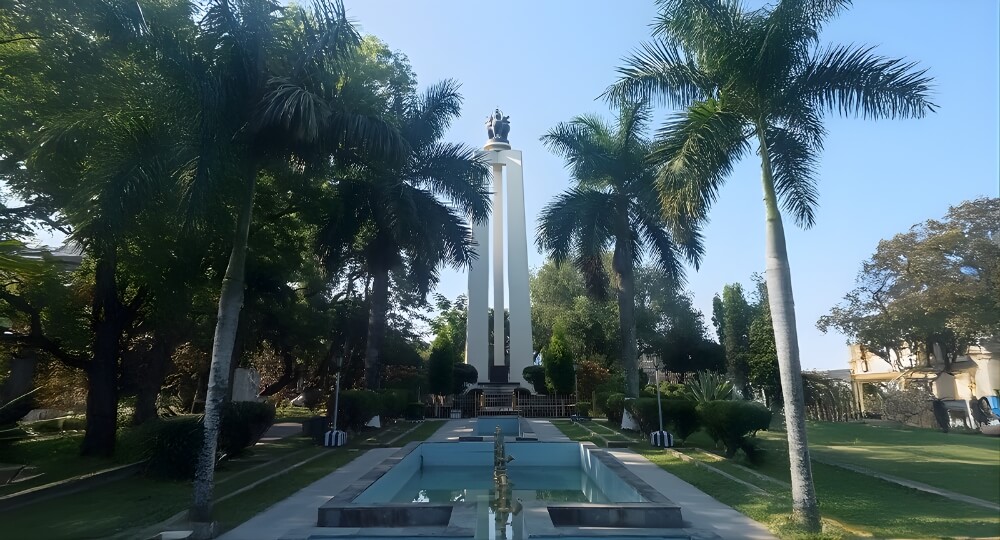
The Shaheed Minar, which is also known as Martyr’s Memorial, is located in the heart of the city of Imphal in the Bir Tikendrajit Park. It was built in honour of the courageous Manipuri and tribal martyrs who fought against the British in the Anglo-Manipuri War of 1891. Some of the martyrs the memorial honours are Bir Tikendrajit and General Thangal. It’s open every day from 9 am to 6 pm, except on Sundays, which is when it remains closed.

Manipur Zoological Garden

The Manipur Zoological Garden is situated along the Imphal-Kangchup Road at the foothills of the Iroisemba Hillocks. Established in October 1976, such is the vastness of its rich flora and fauna that it’s called the ‘Jewel Box of Manipur’. The zoological garden is home to about 400 animal and bird species, such as the eld’s deer, leopard cat, flying squirrel, hoolock gibbon, python, and Himalayan bear. The location is also known to house at least 55 bird species, including the nongin, which is also known as Mrs Hume’s pheasant.

Things To Do For Adventure Lovers

  • Trekking in the Dzukou Valley
  • Boating in Loktak Lake
  • River rafting in the Barak River
  • Caving at Tharon Cave

Shopping In Manipur

Listed below are some of the wonderful items to buy from Manipur and the best places to shop from:

What To Buy

Textiles

Handwoven textiles are among the best things to buy from Manipur. Not only can you get these for yourself, but they also serve as unique gifts for your loved ones. Available in vibrant hues and featuring intricate tribal designs, some of the different kinds of handwoven textiles to check out in Manipur are handwoven shawls, scarves, and traditional Manipuri attires like phanek and innaphi.

Bamboo And Cane Crafts

The skilled artisans of the region have mastered the craft of creating bamboo and cane crafts. These products add to the beauty and serenity of your home. The various kinds of products under this category include kitchenware, utensils, decorative pieces, and storage items.

Wood And Stone-Carved Artefacts

Stone and wood-carved items are a part of Manipur’s rich cultural heritage. Functional as well as decorative pieces are available in this category of handicrafts. The stone-carved products include grinders, bowls, plates, and candle stands. The wood-carved products to look into are buckets, bowls, trays, spoons, and mugs.

Hand-Embroidered Items

Hand-embroidered items and textiles reflect the state’s cultural essence. These usually contain local ethnic designs. Some of the embroidered products to explore in Manipur are table mats, bedcovers, shawls, and napkins.

Where To Shop

  • Paona Bazaar: For jewellery, Manipuri garments, handicrafts.
  • Khwairamband Bazaar: For garments, shawls, shoes, bamboo products.
  • Tera Bazaar: For handicrafts, jewellery, accessories.
  • Ima Keithel: For clothes, shawls, bed covers.
  • GM Hall: For clothes, shoes, home décor products.

Things To Remember When Shopping In Manipur

  • While the bigger stores in Manipur mostly accept online payments and credit and debit cards, they may not always be available at the smaller shops. Therefore, carry sufficient cash when you go shopping.
  • Bargaining is common in the markets of Manipur. However, be kind and respectful to the vendors and try to arrive at a price point that suits both parties.
  • Early mornings and late afternoons are usually the most pleasant times during the day to go shopping in Manipur.
  • If you’re buying handicrafts from the region, ask the vendors if they can ship it to wherever you live. Make sure to preserve the receipts of your purchases.
  • In order to make sure that the handicrafts you buy are authentic, ask for certification from the store.

Dos and Don’ts While Travelling To Manipur

  • Dress modestly and cover yourself up properly before visiting a religious or spiritual site.
  • Always take off your shoes before getting inside someone’s home.
  • The vegetation of the region is fragile, so make sure to follow the designated trails and not disturb the flora and fauna in any manner.
  • In order to maintain the cleanliness of the state, make sure to throw away any garbage or litter only once you find a garbage bin.
  • Don’t pollute the lakes and streams in the region.
  • Always ask for permission before taking someone’s photograph, especially that of a woman.
  • Do not disrespect the local customs and traditions, and always maintain the sanctity of the holy places you visit.
  • Don’t drink alcohol, smoke, or make loud noises near sacred sites.
  • Stay away from using plastic objects so that you can maintain the beauty and cleanliness of the environment.
  • Don’t scribble on buildings, rocks, and trees.
  • Refrain from using pollutants, such as detergents, in the springs and streams of the region while taking a bath or washing something.
  • If you’re at a campsite, don’t use wood as fuel to prepare your meals.

Foods To Try Out In Manipur

The cuisine of Manipur is known for its simplicity while being rich in nutrients. The state’s food makes use of organic ingredients along with fresh herbs and spices. You will find plenty of seasonal vegetables in their dishes, which are either derived from the local markets or are homegrown. Locally sourced and fresh ingredients are used. The locals prefer using minimal oil while preparing their food, and the nutritional value and natural flavours are maintained through the methods of boiling and steaming.

Manipuri food also features a lot of fish, which are caught from the many lakes and rivers the state is home to. Fish is prepared in several ways and forms in Manipur, such as cooked, dried, or smoked, with the use of various herbs and spices. The agricultural wealth and natural environment of the state shine through in its food. Aromatic spices and fresh herbs, such as garlic, ginger, chives, mint, and cilantro, enhance the flavour of Manipuri cuisine. Travellers can also try out tangy, fermented foods in Manipur, including fish and bamboo shoots. Let us now recommend you some of the delicious dishes you absolutely must taste during your trip with our Manipur tour packages:

Chamthong

Chamthong, which is also known as kangshoi, is a traditional vegetable stew in Manipur. It’s made of several seasonal vegetables, including beans, potatoes, spinach, and bamboo shoots. The light and flavourful broth also includes ingredients like fermented fish, garlic, and ginger. This nutritious and wholesome dish is made more delicious and aromatic through the use of fresh herbs such as chives and coriander. It’s usually served alongside steamed rice.

Eromba

Eromba is a Manipuri dish that’s the perfect mixture of fresh ingredients and fermented flavours. This tangy and spicy concoction includes ingredients like fermented fish (ngari), greens, yams, potatoes, and chilli peppers. It’s usually served with steamed rice and is garnished with herbs like coriander leaves.

Morok Metpa

Morok metpa is a unique Manipuri chutney whose central ingredients are the local chillies. These are either boiled or roasted, after which they are mashed along with salt, fermented fish, and a bit of mustard oil. It’s usually served as a condiment with rice and other preparations.

Paaknam

Paaknam is a traditional Manipuri food that can be compared to a savoury pancake. Made using besan or gram flour, it has ingredients such as spices, herbs, and a mixture of vegetables. The batter includes a combination of besan, spinach, onions, coriander, and spices such as salt, chilli powder, and turmeric. After wrapping the mixture in banana leaves, it’s then steamed till it turns firm. It can either be eaten as a side dish or a snack.

Chak-Hao Kheer

For all the dessert lovers out there, you must try the traditional Manipuri dish called chak-hao kheer, which is made using black rice or chak-hao. Some of the other ingredients that go into making this dessert are cardamom, milk, and sugar. Some people use coconut milk for the preparation until the concoction turns rich and creamy. The black rice not only gives the kheer a unique purple colour, but also lends it a nutty taste. It’s usually garnished with dried fruits and nuts.

Alu Kangmet

Imagine if mashed potatoes were made in a Manipuri manner; that’s pretty much how one can describe alu kangmet. Once the potatoes are boiled, they are then mashed along with green chillies, salt, oil, and mustard oil. It’s usually eaten as a side dish along with rice and other main courses.

Art And Culture In Manipur

Festivals

Numerous festivals take place in Manipur throughout the year. Gang Ngai is a 5-day festival that’s celebrated in December or January. It’s a vital festival for the Kabui Naga tribe. Cheiraoba is the Manipur New Year, which is celebrated by the Meitei community in Manipur. It’s usually celebrated in April. Some of the other festivals you could experience in the state with our Manipur tour packages are Lai Haraoba, Kut Festival, Lui Ngai Ni, Heikru Hidongba, and Yaosang.

Dance

Various dance forms exist in Manipur. These are performed by different groups, with each of the dance forms having its own pattern, theme, costume, and so on. Raas leela is a classical, Manipuri dance form which depicts and celebrates the love story of Goddess Radha and Lord Krishna. Nupa pala, which is also known as kartal cholom or cymbal dance, is performed by a group of men who dance, sing, and play the cymbals and drums. Other dance forms of Manipur include pung cholom, maibi dance, and khamba thoibi.

Arts And Crafts

The arts and crafts of Manipur produce exquisite and unique souvenirs that travellers can buy during their vacation with GT Holidays’ Manipur tour packages. The skilled artisans of the region produce intricate handicrafts, ranging from bamboo and cane products to wood and stone-carved items.

Travel Tips

visa_information_icon

Visa Information

Check visa requirements before traveling, ensuring a smooth entry and compliance with destination regulations.

health and safety tips icon

Health and Safety Tips

Prioritize health, stay hydrated, follow safety guidelines, and maintain personal hygiene for a secure journey.

currency and tipping icon

Currency and Tipping

Familiarize with local currency, consider customary tipping practices for respectful and seamless travel experiences.

Share Your Ideal Tour: Let Us Customize!

FAQs:

How many days are sufficient for a trip to Manipur?
We recommend you set aside at least seven days for a trip to Manipur.
Which is the coldest month in Manipur?
The coldest month in Manipur is usually January.
Do Indian tourists need a permit to travel to Manipur?
Indian tourists require a Manipur Inner Line Permit (ILP) to travel to Manipur.
How can one travel from Imphal to Thoubal?
Tourists can choose to drive down from Imphal to Thoubal.
How long does it take to drive from Thoubal to Bishnupur?
It takes a little over an hour to drive from Thoubal to Bishnupur.
Can one visit the Indo-Myanmar border from Manipur?
Yes, the Indo-Myanmar border can be visited from Manipur.
Which is the majority religion in Manipur?
As of now, Hinduism is the majority religion in Manipur.
Does Manipur have a chief minister?
No, there is no chief minister in Manipur at the moment.
Which was the royal family in Manipur?
The royal family of Manipur was the Ningthouja dynasty.
Who is known as the ‘Lion of Manipur’?
Bir Tikendrajit Singh is known as the ‘Lion of Manipur’.

Book Your Dream Vacay Today!

=

×

Enquire Now

=