1

Tour Package

Home » Tour Packages » India Tour Packages » North East Tour Packages » Shillong Tour Packages

Shillong Tour Packages

Capital of Meghalaya

SUPER DEAL PRICE

STARTS FROM

per person on twin sharing
Scotland of the East: Shillong
South India’s No.1 Travel Brand
Ward's Lake
Beautiful Garden Lake
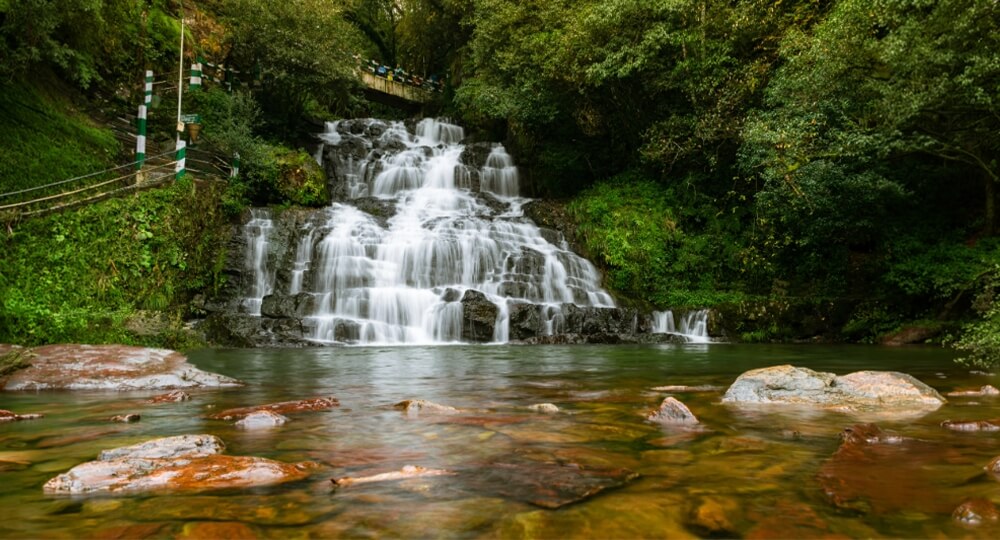
Elephant Falls
Famous Multi-tier Waterfall
Shillong Peak
Highest City Viewpoint
English, Hindi, Khasi
Languages Speaking
Essential Tips for Travelling to Shillong
ATMs

ATMs are limited; always carry sufficient cash.

Credit Cards

Banks are available in the main town areas.

Bank

Some shops in Shillong may not accept cards.

waterfall

Always follow safety signs near waterfalls.

Safest

People of Shillong are friendly and welcoming.

Shillong - Overview

By Purpose

tour package tourism

Couples

For Newlywed Vacations

tour packages business

Family

For Family Vacations

Top Attractions and Nearby Sights

Ward’s Lake

Don Bosco Museum

Police Bazaar

Shillong Peak

Lady Hydari Park

Elephant Falls

Shillong Golf Course

Sweet Falls

Ever Living Museum

All Saints Cathedral

Laitlum Canyons

Umiam Lake

Nohkalikai Falls

Krang Suri Falls

Mawphlang Sacred Forest

Everything You Need to Know About Shillong

Shillong works best for those who want to slow down a bit. Here, you let leisurely walks replace hurried plans. Rain taps gently on roofs, guitar notes drift from cafés, and church choirs elevate the evenings. The city’s relaxed pace invites you to settle into its rhythm rather than chase sights.

Set on the Khasi hills, Shillong stays cool and green for most of the year. Pine-lined roads, quiet neighbourhoods, and open skies define daily life. After a shower, mist rolls across rooftops and valleys, softening the landscape and the mood.

The journey into Shillong already shifts your tempo. As the road climbs from the plains, forests thicken, lakes appear, and small tea stalls break the drive. By the time you arrive, the noise of larger cities feels distant.

In Shillong, time stretches comfortably. You circle lakes on foot, browse local markets, and spend unhurried hours in music-filled cafés. Even the busy parts of town feel calm and orderly.

For travellers who value leisure over packed itineraries, Shillong Tour Packages offer a natural fit. Days stay flexible, distances stay short, and the focus stays on experience rather than movement.

Table of Content:

About Shillong

Shillong sits on the Khasi Hills in Meghalaya, at an average elevation of about 1,525 metres above sea level. Its high plateau setting gives the city a cooler climate than the Assam plains below. Guwahati, the nearest major city, lies roughly 100 kilometres away, with the road rising gradually through valleys and forested slopes.

The landscape around Shillong features gentle rolling hills, open grasslands, and pine-covered slopes rather than steep mountains. Broad ridgelines create natural viewpoints and support the city’s spread-out layout, with neighbourhoods woven into the terrain.

Several small rivers and streams originate in and around Shillong, feeding larger water systems such as the Umiam. Umiam Lake, a large reservoir west of the city, stands out as a key geographical feature, offering open-water views and influencing local weather patterns.

Vegetation changes with elevation and rainfall. Pine forests dominate the city’s slopes, while grasslands cover many hilltops. To the south, the terrain shifts quickly into denser subtropical forests, leading to sharp visual contrasts over short distances toward the wetter Cherrapunji region.

Shillong’s climate follows a highland monsoon pattern: mild days, cool nights, and heavy rainfall between June and September shape daily life. Mist and low cloud cover appear often, while winter months bring clear skies and crisp mornings.

The Khasi Clan

Shillong’s social fabric is rooted in its tribal heritage, shaped mainly by the Khasi community. Long before urban development, Khasi clans lived across these hills under matrilineal traditions, where lineage and inheritance passed through the mother’s line. Community councils known as dorbars continue to guide local governance, land use, and social order alongside modern systems. Land, forests, and water hold shared social and spiritual value, protected through customary laws and sacred groves. Christianity, introduced during the colonial period, plays a central role in education and community life, while traditional values remain deeply respected. Together, these influences give Shillong its calm pace, strong civic discipline, and close connection to nature.

History & Heritage

Shillong’s history grows from its hills and communities rather than from royal dynasties or empires. Long before colonial records, the Khasi people lived across these uplands in organised clan-based societies. Daily life was guided by local councils known as dorbars, which handled governance, conflict resolution, and community decisions.

Land, forests, and water sources were managed through customary laws that emphasised shared responsibility. Nature held social and spiritual importance, not only practical value. Sacred groves, hilltops, and streams formed centres of worship and memory, creating a close and enduring link between the landscape, belief systems, and community life.

In the 19th century, the British Empire expanded into the Khasi Hills. After the British annexed Assam, they searched for a cooler administrative centre away from the plains. In 1874, Shillong was chosen as the new headquarters of Assam due to its elevation, mild climate, and central position. This decision marked a turning point, transforming a quiet hill settlement into a planned colonial town.

British administrators introduced wide roads, bungalows, churches, schools, and government offices. The layout followed hill-station principles, with scattered residential zones, open spaces, and tree-lined avenues designed to withstand heavy rainfall. Missionary institutions played a key role in education, contributing to high literacy and the widespread use of English alongside Khasi.

Shillong remained the capital of Assam for nearly a century. During this period, it grew as an administrative, educational, and cultural centre for the region. The city attracted students, civil servants, and traders from across the Northeast, giving it a cosmopolitan yet orderly character.

In 1972, Meghalaya became a separate state, carved out of Assam, and Shillong was named its capital. This political shift reinforced Khasi identity within the urban fabric while retaining colonial-era institutions. Government offices expanded, but the city preserved its low-rise skyline and measured pace.

Today, Shillong’s history lives quietly in its churches, schools, neighbourhoods, and civic routines. Traditional dorbars continue alongside modern governance. Colonial buildings coexist with Khasi homes and contemporary cafés. The city’s past does not dominate its present, but it shapes the calm discipline, community focus, and cultural confidence that define Shillong today.

Tidbits

  • Location: Khasi Hills, East Khasi Hills district, Meghalaya
  • Elevation: ~1,525 metres above sea level
  • Official Languages: English, (Khasi, Gharo and Hindi are widely spoken)
  • Famous For: Cool climate, music, Ward’s Lake, Elephant Falls
  • Best Time to Visit: Sep–Mar for clear skies, Mar–Jun pleasant, Jun–Sep heavy monsoon
  • Ideal Duration: 3 to 4 nights
  • Nearest Town: Guwahati ~99–104 km by NH 6, 2.5 to 3 hours by road

Travel Requirements

  • Carry a valid government photo ID, such as an Aadhaar card, driver’s licence, or passport. ID is required at hotel check-in and at security checkpoints around Shillong Peak and in nearby border areas.
  • International travellers must ensure a valid Indian visa and keep both digital and physical copies. Some remote areas and permits may require passport details.
  • Digital payments, including UPI and credit cards, are accepted at most hotels, cafés, and larger shops in Shillong. Carry cash for local taxis, shared cabs, small eateries, village shops, and local market purchases.
  • There are no metro services or app-based ride-hailing platforms in Shillong. Local transport relies on shared taxis, private cabs, and local buses. Pre-book vehicles for day trips to nearby areas.
  • Dress in lightweight, breathable clothing during the day. Carry a light jacket or shawl for mornings and evenings, as temperatures drop quickly, especially after rain.
  • During the monsoon season from June to August, rainwear is essential. Roads and walking trails become slippery, and landslides may affect travel schedules.
  • Drink bottled or filtered water. Avoid untreated stream or tap water, especially during the rainy months.
  • Follow local guidelines while visiting viewpoints, waterfalls, and forested areas. Stay on marked paths and follow safety instructions from drivers or local guides.
  • Entry to specific areas, such as Shillong Peak, requires security clearance. Carry the same ID used for vehicle or guide arrangements, with both physical and digital copies available.
  • Meghalaya promotes eco-sensitive travel. Avoid littering, respect community rules, and minimise plastic use, especially in villages and nature zones.

These guidelines help ensure a smooth, respectful stay while travelling through Shillong and the nearby Khasi Hills.

Travel Tips

  • Carry a valid government photo ID for hotels and security checks at certain viewpoints.
  • Prebook taxis during peak seasons and weekends.
  • Expect frequent rain. Carry rain protection even outside monsoon months.
  • Roads turn slippery during heavy showers. Plan buffer time for travel.
  • Respect local customs and follow guidance when visiting villages or forested areas. Seek permission before photographing people in markets or sacred groves
  • Pack comfortable walking shoes, light jackets, and basic medicines.

How to Reach Shillong

Shillong does not have a railway station. Air and rail access route through nearby cities, followed by a scenic road journey through the Khasi Hills.

By Air

  • The nearest airport is: Shillong Airport (Umroi), about 30 km from the city. Limited flights operate, mainly from Kolkata.
  • The most reliable air gateway is: Guwahati, around 100 km away, has excellent connectivity from Delhi, Mumbai, Bengaluru, Chennai, and Kolkata.
  • From Guwahati Airport, you can hire a taxi or use shared cabs and buses to Shillong. The drive takes about 3 hours, depending on traffic and weather.

By Train

  • Shillong has no direct rail connection. The nearest major railway station is Guwahati Railway Station.
  • Guwahati serves as the central rail hub for the Northeast, with regular long-distance trains from major Indian cities. From the station, taxis, shared sumos, and buses run frequently to Shillong.

By Road

Shillong is most commonly accessed by road and is well connected to Guwahati via NH 6.

  • From Guwahati: about 100 km, roughly 3 hours by taxi or bus.
  • State-run and private buses operate daily from Guwahati’s ISBT to Shillong.
  • Shared sumos are a popular and efficient option for local travel.

Road travel offers steady climbs, forest views, and lake stretches, especially near Umiam.

Top 5 Reasons to Choose Shillong Tour Packages

Cool Climate and Easy Hill Living

Shillong sits at about 1,525 metres above sea level, which gives it mild temperatures throughout most of the year. Summer 15–25°C, Winter 5–15°C, Monsoon 18–22°C. Days stay comfortable, nights turn cool, and rain keeps the hills green. For travellers looking to escape heat and humidity, Shillong offers natural relief. Walks feel pleasant, drives feel scenic, and even busy areas never feel overwhelming.

Music, Culture, and Community Life

Shillong stands apart for its strong music culture and community rhythm. Guitar notes spill out of cafés, church choirs shape weekends, and local events feel participatory rather than performative. Khasi traditions guide daily life through community councils and shared spaces. Shillong Tour Packages let you experience this culture at a relaxed pace, without rushing through attractions.

Scenic Landscapes and Short Day Trips

Lakes, waterfalls, and viewpoints are close to the city, making exploration easy without long travel. Umiam Lake, Elephant Falls, and hill viewpoints fit comfortably into half-day outings. Nearby destinations such as Cherrapunji, Dawki, and Mawlynnong add waterfalls, river views, and village walks, all reachable through short, scenic drives.

Simple Access and Strong Connectivity

Shillong works well as a base for Meghalaya travel. Guwahati provides strong air and rail links, followed by a smooth road journey into the hills. Once in Shillong, taxis and shared cabs are readily available to nearby attractions. Shillong Tour Packages benefit from this layout, allowing flexible schedules and minimal transit fatigue.

Balanced Experiences in One Destination

Shillong combines nature, food, walking, and local life in one compact setting. You spend mornings outdoors, afternoons in cafés or markets, and evenings listening to music or enjoying quiet views. Accommodation ranges from city hotels to hillside homestays, suiting different budgets. Shillong Tour Packages focus on balance rather than excess, making the trip feel unhurried and restorative.

Best Time to Visit

  • March to June: Pleasant temperatures and green landscapes.
  • September to November: Clear views after the monsoon and comfortable weather.
  • July to August: Heavy rainfall, lush scenery, but frequent travel delays due to rain and landslides.

Best Places to Visit With Our Shillong Tour Packages

Elephant Falls

A three-tiered waterfall set in dense forest, Elephant Falls is one of Shillong’s most visited natural spots. The cascading water flows over fern-covered rocks, creating a soft mist and a cool breeze. It’s best visited after the monsoon when the falls are at their most powerful.

Umiam Lake

This vast reservoir, also known as Barapani, lies about 15 kilometres north of Shillong. Surrounded by pine-covered hills, it’s ideal for kayaking, water cycling, and quiet picnics. Early mornings here are tranquil, with light fog floating over the still waters.

Shillong Peak

The city’s highest viewpoint offers sweeping views of Shillong, the rolling Khasi Hills, and on clear days, the plains of Bangladesh. There’s a radar station at the top, and visitors are required to show ID at the entry gate. Sunsets from here are especially scenic.

Ward’s Lake

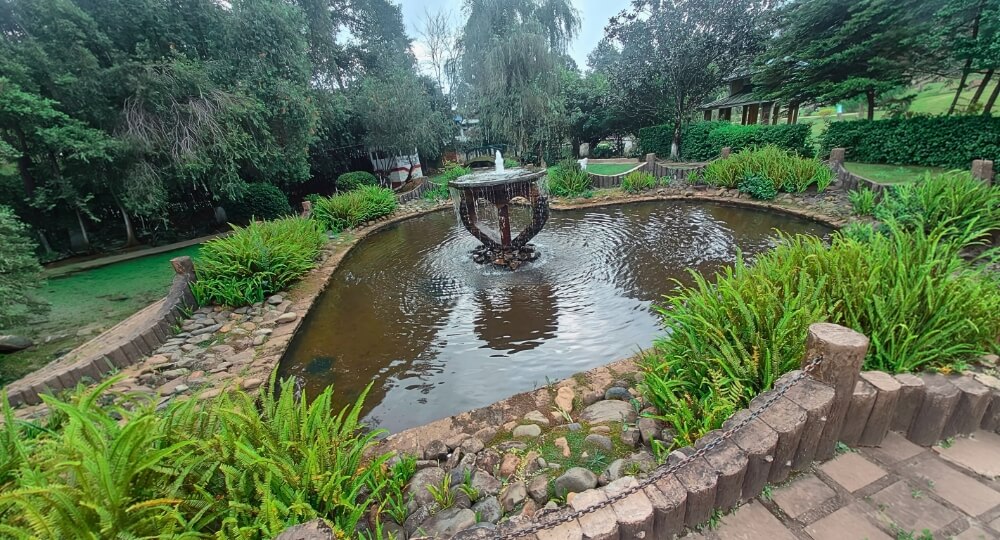
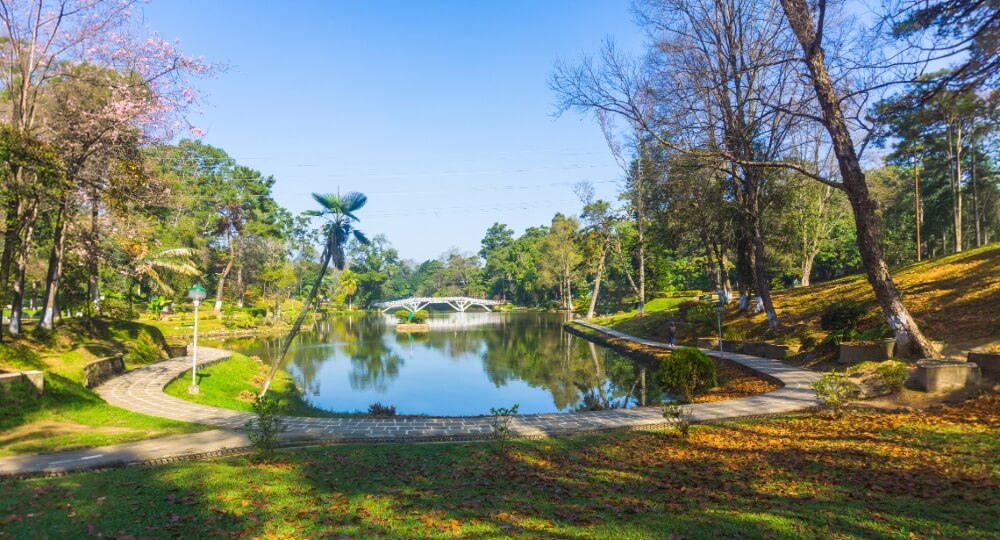
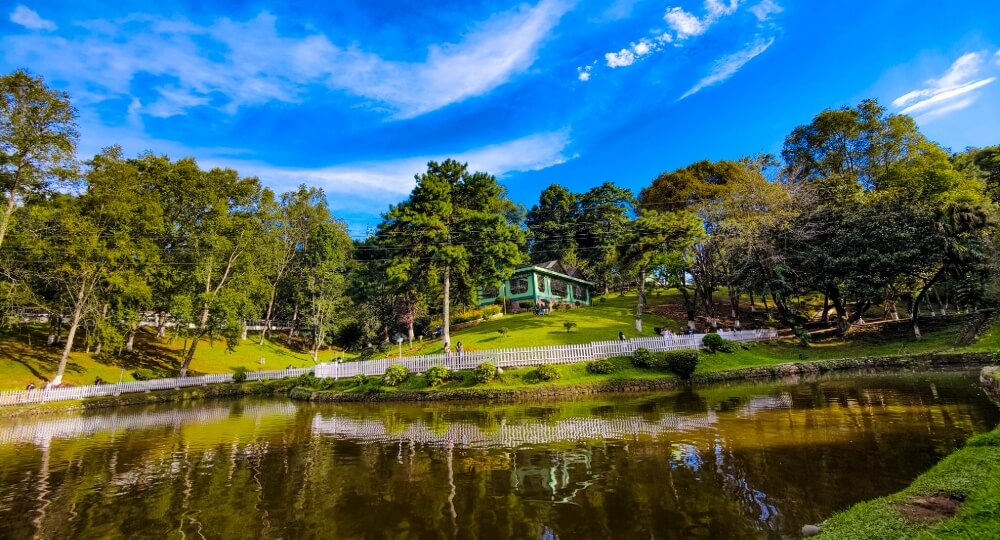
Located in the heart of the city, this artificial lake is bordered by flower gardens and cobbled walking paths. You can rent paddle boats, enjoy a snack at the small café, or simply relax by the water as locals feed the fish.

Don Bosco Museum Mawlai

Spread across several floors, this museum offers a deep insight into the culture, lifestyle, and crafts of the tribes of Northeast India. Interactive exhibits, life-size models, and displays of traditional attire make it engaging for all ages. The rooftop skywalk offers panoramic views of the city.

Laitlum Canyons

Known for its dramatic cliffs and deep valleys, Laitlum translates to “the end of the hills” in Khasi. The location offers one of Meghalaya’s most breathtaking viewpoints. Trekkers often follow the trail down to Rasong village for a glimpse of local Khasi life.

Lady Hydari Park

Named after the wife of a former Assam governor, this park is known for its manicured gardens and vibrant seasonal blooms. A small zoo inside makes it a family-friendly stop, while the ponds attract migratory birds during cooler months.

Shillong Golf Course

Spread across lush green slopes, this 18-hole course is one of the oldest and most scenic in Asia. Locals often come here for morning walks and picnics. The surrounding pine trees and open sky create a peaceful, open-air retreat within the city.

Police Bazaar (City Centre)

The commercial heart of Shillong, Police Bazaar, buzzes with life from morning to night. You’ll find shops selling local handicrafts, warm woollens, bamboo souvenirs, and street food like momos and chowmein. It’s also a good place to interact with locals and try Khasi-style restaurants.

Sweet Falls

Among the tallest waterfalls in Meghalaya, Sweet Falls drops dramatically into a deep gorge surrounded by forest. The sound of rushing water fills the valley, and mist lingers over the rocks. The route is steep, so it’s best for experienced hikers or accompanied visits.

Butterfly Museum (Wankhar Entomology Museum)

A privately run museum showcasing vibrant butterflies, beetles, and preserved insects from across the Northeast. The collection is small but unique, managed by a family passionate about entomology. It’s a short and colourful stop, especially for children.

Hidden Gems Around Shillong (Within 15 km)

Must-Visit (Cultural + Scenic)

Mawphlang Sacred Forest

A centuries-old forest protected by local Khasi clans. Guided walks take you through thick canopies, ancient stones, and ritual sites. The air feels cool and damp, with moss-covered roots underfoot. It’s both a cultural and ecological landmark that reflects the Khasi belief in living in harmony with nature.

Lumpongdeng Island on Umiam Lake

A vast, tranquil reservoir fringed by pine hills. You can rent boats or take a short ferry to Lumpongdeng Island for quiet picnics and birdwatching. Early mornings bring low-lying mist across the lake, making it one of the most photogenic spots near Shillong.

For Nature & Photography Lovers

Diengiei Peak Viewpoint

A short trek up a gentle hill west of Shillong rewards you with wide, uninterrupted views of pine forests and rolling ridges. It’s ideal for sunrise or sunset photography. The trail stays quiet, and you often meet local herders on the way up.

Mawlynrei Falls

A low-key waterfall tucked between two villages about 13 km from the city. The water flows gently over smooth boulders, surrounded by green slopes. Best visited after light rains, it’s a soothing place for photographers and travellers seeking calm landscapes.

Beadon and Bishop Falls

Twin waterfalls are located near Mawprem, about 5 km from central Shillong. From a viewing point, you can see both falls plunging into deep valleys covered with ferns. After the monsoon, the sound of rushing water fills the entire gorge, making it a good spot for photography.

Other Places to Explore

Cherrapunji (Sohra)

Famous for some of the highest rainfall in the world, dramatic cliffs and powerful waterfalls such as Nohkalikai Falls. Its misty forests, caves and living root bridges make it a must-see for nature lovers.

Dawki & Umngot River

Known for the crystal-clear Umngot River, where boats seem to float on glass. A river boat ride and views of the surrounding hills are standout experiences.

Mawlynnong Village

Often called Asia’s cleanest village, it offers serene village life, well-maintained paths, and the famous Single-Deck Living Root Bridge.

Double Decker Living Root Bridge

A rare natural bridge formed by living tree roots near Cherrapunji. The trek through rainforests and streams is one of northeast India’s iconic experiences.

Krang Suri Falls

A scenic waterfall and clear pools near Jowai, excellent for photos and short dips when the weather permits.

Mawsmai Cave

Famous limestone cave near Cherrapunji with lighted walkways and unique rock formations. Great for a quick nature break.

Kyllang Rock

A huge red granite rock formation that attracts trekkers and photographers for its unusual shape and views over the Khasi Hills.

Jakrem Hot Spring

A natural sulphur hot spring ideal for a relaxing soak. Locals believe the water offers therapeutic benefits, especially in winter.

Wildlife & Adventure (Near the Region)

  • Kaziranga National Park (Assam): A World Heritage Site and one-horned rhino stronghold. Safari drives offer chances to see rhinos, elephants, deer and rich birdlife.
  • Manas National Park (Assam): UNESCO Natural World Heritage site, tiger reserve and elephant reserve with wild landscapes and biodiversity.

Shopping in Shillong

Shillong’s markets offer a wide range of items, from traditional handicrafts to modern souvenirs. Here are the key categories worth exploring:

Handicrafts & Traditional Products

  • Bamboo & Cane Crafts – Baskets, trays, decorative items, eco-friendly home pieces made by skilled Khasi artisans.
  • Handwoven Shawls & Textiles – Intricately patterned, colourful shawls made with local wool and cotton. These reflect tribal identity and are great gifts.
  • Lacquerware – Glossy, colourful bowls and trays that make beautiful décor or souvenirs.
  • Traditional Jewellery – Silver, beads, shells and tribal motifs woven into necklaces, earrings and bracelets that mirror local aesthetics.
  • Musical Instruments – Unique instruments such as bamboo mouth organs and tribal drums, perfect for music lovers and collectors.

Local Edibles & Specialty Items

  • Smoky Falls Tribe Coffee – High-quality local coffee with rich flavour that makes a great gourmet souvenir.
  • Honey & Spices – Wild forest honey and locally grown dry ginger or spices are aromatic reminders of Meghalaya’s hills.
  • Fresh Produce – Seasonal fruits and vegetables, known for their quality, especially in local markets.

Fashion, Accessories & Gifts

  • Bamboo Accessories – Hair clips, combs and eco-friendly jewellery.
  • Handmade Soaps & Candles – Natural products scented with local ingredients such as honey or herbs.
  • Local Artworks & Paintings – Tribal art or scenic paintings that evoke Meghalaya’s landscapes and culture.

Where to Shop in Shillong

Police Bazaar (Heart of the City)

This is Shillong’s most iconic market, alive with crowds, stalls and colourful shops lining the main street. You’ll find everything from handicrafts and bamboo décor to shawls, jewellery, accessories and even modern clothes and gadgets. It’s also a centre for food stalls and cafés, making it a full sensory experience rather than just a shopping zone. Bargaining is part of the fun here, especially with street vendors.

What to Buy Here

  • Handwoven shawls and textiles
  • Bamboo and cane products
  • Traditional jewellery
  • Local spices, honey and coffee
  • Budget clothing and accessories
Bara Bazar (Lewduh Market)

One of Shillong’s oldest traditional markets, Bara Bazar offers an authentic glimpse into local life. Narrow lanes brim with fresh produce, spices, household goods and tribal crafts sold by local women and traders. It’s less polished than Police Bazaar, but deeply rooted in community trade and culture – a must-visit for genuine local finds.

What to Buy Here

  • Fresh spices and forest produce
  • Handmade household items
  • Traditional fabrics
  • Natural honey
  • Local spice jars
  • Basketry
Bhutia Market

Nestled close to Police Bazaar, this bustling commercial market blends traditional crafts with contemporary goods. Here you can pick up garments, jewellery, accessories, and also local food items and quirky trinkets. It’s a good spot for small souvenirs and gifts reflecting local culture.

What to Buy Here

  • Handicrafts and fashion accessories
  • Trinkets and collectibles
  • Everyday items and knickknacks
Handicraft & Government Emporiums
  • Khasi Emporium and Purbashree Emporium: These are trusted spots for authentic, quality crafts – often with fixed pricing and curated selections of tribal art, cane products, shawls and home décor.
  • Sales Emporium & Handloom Shops: Located near Police Bazaar and Jail Road, they stock indigenous handlooms including Jaintia and Garo fabrics, often at reasonable prices.

What to Buy Here

  • Handloom fabrics
  • Tribal artworks
  • Curated souvenirs

Bonus Stops

  • OB Shopping Mall: A modern shopping centre with electronics, fashion stores and a food court. Good for a more comfortable shopping break.
  • Laitumkhrah Market: Offers handmade soaps, candles, jewellery and specialty items in a less crowded environment than Police Bazaar.

Cuisine & Local Flavours

Shillong’s food scene is as warm and layered as its misty hills. Here, traditional tribal dishes sit beside popular street food and shared favourites borrowed from neighbouring cultures. The city’s cuisine reflects Khasi, Jaintia and Garo traditions, local ingredients like red rice, fermented soybeans and forest herbs, and a hearty preference for meat and bold flavours. Many dishes are simple by design but rich in character, shaped by local produce and community eating styles.

Culinary Identity of Shillong

Khasi food, which dominates Shillong’s local cuisine, emphasises rice as a staple and meat, especially pork, as a preferred protein. Dishes are often minimal in heavy spices, yet bold in natural flavours from fermentation, black sesame, herbs, ginger and garlic. You’ll find influences from Assamese and Bengali food, seen in noodles, breads and sweets, but Shillong’s distinct character stays rooted in tribal heritage.

Must-Try Dishes in Shillong

Jadoh

A defining Khasi dish, Jadoh is red or white rice cooked with chunks of pork and local spices until rich and comforting. It’s often paired with chutneys, pickles, and side salads. This meal is common at local eateries and street stalls and is considered a regional signature dish.

Tungrymbai

A traditional Khasi preparation made from fermented soybeans that are crushed and stir-fried with pork, mustard oil, garlic, onions and black sesame. It has a pungent, earthy flavour and is especially satisfying in cooler weather.

Dohneiiong

This is pork cooked with toasted black sesame seeds, giving the dish a smoky, nutty depth. Served with rice, it’s rich, hearty and deeply local.

Doh Khlieh

A pork salad mixed with onions, chillies and herbs. In some homes, it’s enjoyed almost like a curry; in others, it’s a sharper, fresher counterpoint to rice dishes.

Tungrymbai Variations

While pork is standard, versions with vegetables or lighter spices exist too, appealing to vegetarian visitors and offering different textures and tastes.

Snacks & Street Favourites

Momos

Steamed or fried dumplings filled with pork, chicken or vegetables, served with fiery chilli-vinegar chutney. Though widely popular across northern India, Shillong’s momos blend Nepali and local preferences.

Chowmein

A favourite Indo-Chinese street dish in Shillong, stir-fried noodles come with chicken, pork or vegetables—spicy, quick, and perfect between sightseeing sessions.

Pumaloi

Steamed rice flour dumplings, light and slightly sweet, are often eaten with spicy sides or as a breakfast item. This simple steamed dish speaks to the traditional use of rice in local diets.

Pukhlein & Sakin Gata

Local sweets made from rice flour, jaggery or sticky rice are often sold at markets and sweet shops. They are ideal as an afternoon snack with tea.

Fruit & Finishing Bites

Fresh pineapples dusted with tangy masala and betel leaf (paan) offer bursts of flavour typical of local snacking culture in markets and street corners.

Culture, Arts & Architecture

Shillong is not only a scenic hill station in northeast India, but it also holds a rich cultural identity shaped by indigenous tribal traditions, colonial legacies, modern artistic expression, and architectural heritage. This cultural tapestry makes the city a compelling destination for travellers who appreciate people, history, and aesthetic depth.

Indigenous Culture and Ethnic Traditions

At its core, Shillong reflects the heritage of its native tribes, particularly the Khasis, Jaintias, and Garos. These tribes have distinct languages, customs, dress, stories, music and craft skills that have endured through centuries. The Khasi tribe is the largest community in Shillong and its traditions heavily influence city life.

  • Matrilineal Social Structure: Among the Khasis, lineage and inheritance run through the female line. This matrilineal system shapes family life and social roles in ways not seen in most of the rest of India.
  • Festivals: Traditional celebrations like Shad Suk Mynsiem (a spring dance festival honouring nature and agriculture) and others draw the community into dance, chant, ritual, and communal feasting.
  • Music & Performance: Shillong’s musical culture spans traditional folk tunes on bamboo flutes and drums to a lively modern music scene; the city is often called the “Rock Capital of India” because of its many live music venues and festivals.

Indigenous arts also include weaving, bamboo crafting and woodwork. Local craftspeople create textiles, shawls, baskets, carvings and ceremonial designs that mirror community values and aesthetics

Visual Arts and Museums

Shillong’s artistic energy extends into galleries, museums and performance spaces:

  • Don Bosco Museum: This multi-story museum offers an extensive look at the cultures of the Northeast, with artefacts, tools, textiles and displays from multiple tribal societies. It is a key place to understand the region’s heritage.
  • Williamson Sangma Museum: Recently revamped in Shillong, this museum celebrates the life of Meghalaya’s first Chief Minister and uses interactive exhibits to highlight the state’s history and identity.
  • Literary and cultural programmes under the state’s arts directorate encourage painting, writing and documentation of heritage languages, though ongoing efforts also show gaps in manuscript submissions and preservation work.
  • Local festivals and events like the Shillong Cherry Blossom Festival mix contemporary artistic performance with cultural displays and visual art, drawing international attention while highlighting local traditions.
    • Shillong Autumn Festival celebrates Meghalaya’s music, dance, and craft traditions along the banks of Umiam Lake. The event brings together local bands, folk performances, and regional cuisine in a relaxed outdoor setting.
    • Shillong Cherry Blossom Festival transforms the city’s parks and avenues with pale pink blooms. Concerts, art shows, and food fairs fill Ward’s Lake and Polo Grounds, making mid-November one of Shillong’s most photographed times of the year.

Architectural Heritage and Built Culture

Shillong’s architectural landscape is a visible record of history and adaptation, blending traditional tribal designs, colonial heritage buildings, and modern structures:

Indigenous Vernacular Architecture

Traditional homes in the region reflect deep environmental adaptation, using materials such as bamboo, timber, cane, and thatch to suit the heavy rainfall and hilly terrain. These structures are elevated, with sloped roofs to shed water and resist humidity.

The celebrated living root bridges of Khasi and Jaintia Hills – natural, engineered structures grown over decades – are functional art forms. They are examples of architecture that coexist with nature’s growth rather than standing apart from it.

Colonial Era Buildings

With its founding as a British hill station and later the summer capital of Assam, Shillong hosts several colonial relics:

  • All Saints’ Cathedral: A fine example of Victorian Gothic architecture with timber and stained glass, reflecting the city’s missionary history.
  • Cathedral of Mary Help of Christians: Built in neo-Gothic style in the 1930s, this cathedral is a principal Catholic landmark with high arches, imported stained glass and terracotta Stations of the Cross.
  • Raj Bhavan (Lok Bhavan): Originally constructed in the early twentieth century as a British governor’s residence, this building blends colonial design with local materials adapted for earthquake resilience.

Alongside these are older “Assam Type” houses built by early settlers, colonial institutions like the Shillong Golf Course, and open marketplaces that retain traditional township functions.

Modern and Contemporary Architecture

Contemporary structures in Shillong often reflect functional needs while drawing on local motifs and materials. Places like the Seng Khasi Hall and community cultural centres showcase space for performing arts and communal gatherings rooted in traditional practices.

Travel Tips

visa_information_icon

Visa Information

Check visa requirements before traveling, ensuring a smooth entry and compliance with destination regulations.

health and safety tips icon

Health and Safety Tips

Prioritize health, stay hydrated, follow safety guidelines, and maintain personal hygiene for a secure journey.

currency and tipping icon

Currency and Tipping

Familiarize with local currency, consider customary tipping practices for respectful and seamless travel experiences.

Share Your Ideal Tour: Let Us Customize!

FAQs:

Is Shillong safe for solo travellers
Yes. Shillong is considered one of the safer hill cities in Northeast India. Local people are friendly and crime rates are low. Still, follow normal precautions, stay in reputable guesthouses, avoid isolated lanes late at night, and take registered taxis for longer trips.
When is the best time to book Shillong Tour Packages?
The best time is between September and March. The weather stays cool, skies remain clear, and most waterfalls are still active after the monsoon. April to June is pleasant too but can get crowded with summer travellers.
Is vegetarian food easily available?
Yes. While Khasi cuisine often includes meat, Shillong has many vegetarian cafés and restaurants, especially around Police Bazaar, Laitumkhrah, and the main roads. South Indian, North Indian, and vegan meals are also easy to find.
Is Shillong family-friendly?
Yes. The city’s mild climate, compact layout, and safe environment make it comfortable for families. Children enjoy places like Ward’s Lake, Lady Hydari Park, and the Don Bosco Museum. Day trips to waterfalls and lakes are suitable for all ages.
Are there direct transport options to Shillong?
Shillong has a small domestic airport (Umroi) connected mainly to Guwahati and Kolkata. The nearest major hub is Guwahati Airport, about 120 km away. From there, regular taxis and shared cabs operate to Shillong via scenic mountain roads.
Can I combine Shillong with other destinations?
Yes. Many travellers combine Shillong with nearby attractions such as Cherrapunji, Mawlynnong, Dawki, and Jowai. For longer itineraries, Shillong can also link with Kaziranga National Park in Assam or Guwahati city.
What is the local language?
The main local language is Khasi, followed by English and Hindi, both of which are widely spoken in hotels, cafés, and shops.
How do I get around Shillong?
Local taxis are the most common mode of travel. They operate on both shared and private hire basis. Walking works well for short distances, especially around the city centre, but for scenic points like Shillong Peak or Elephant Falls, taxis are preferred.
What should I pack?
Pack light woollens, especially from October to February, as evenings can get chilly. Bring comfortable walking shoes, a rain jacket or umbrella year-round, and cash for small purchases since some local stalls may not accept digital payments.
Do I need to worry about safety during local travel or sightseeing?
No major safety concerns, but roads can get slippery during the monsoon. Use licensed taxis, avoid venturing near waterfalls during heavy rain, and follow local advice on trail conditions when trekking or exploring rural routes.

Book Your Dream Vacay Today!

=
×

Enquire Now

=