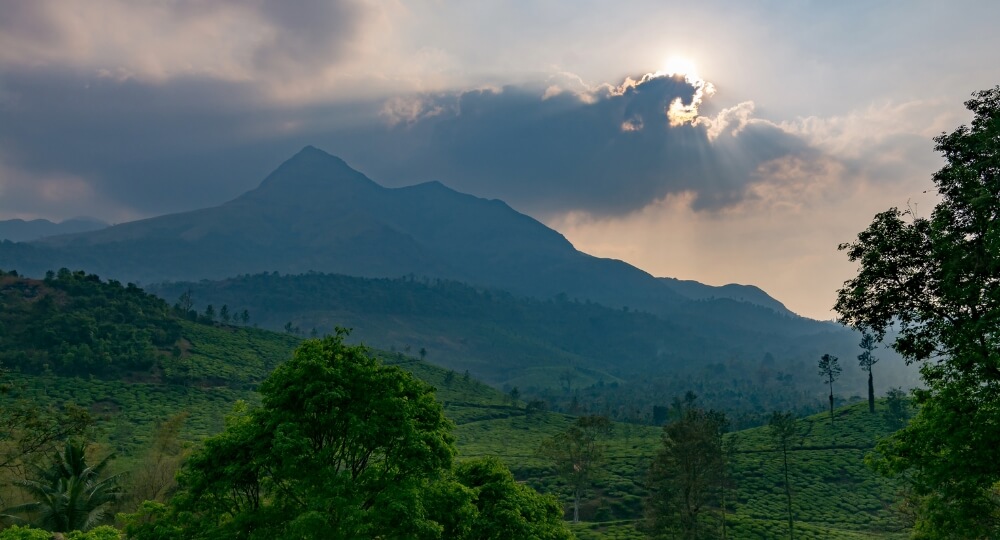
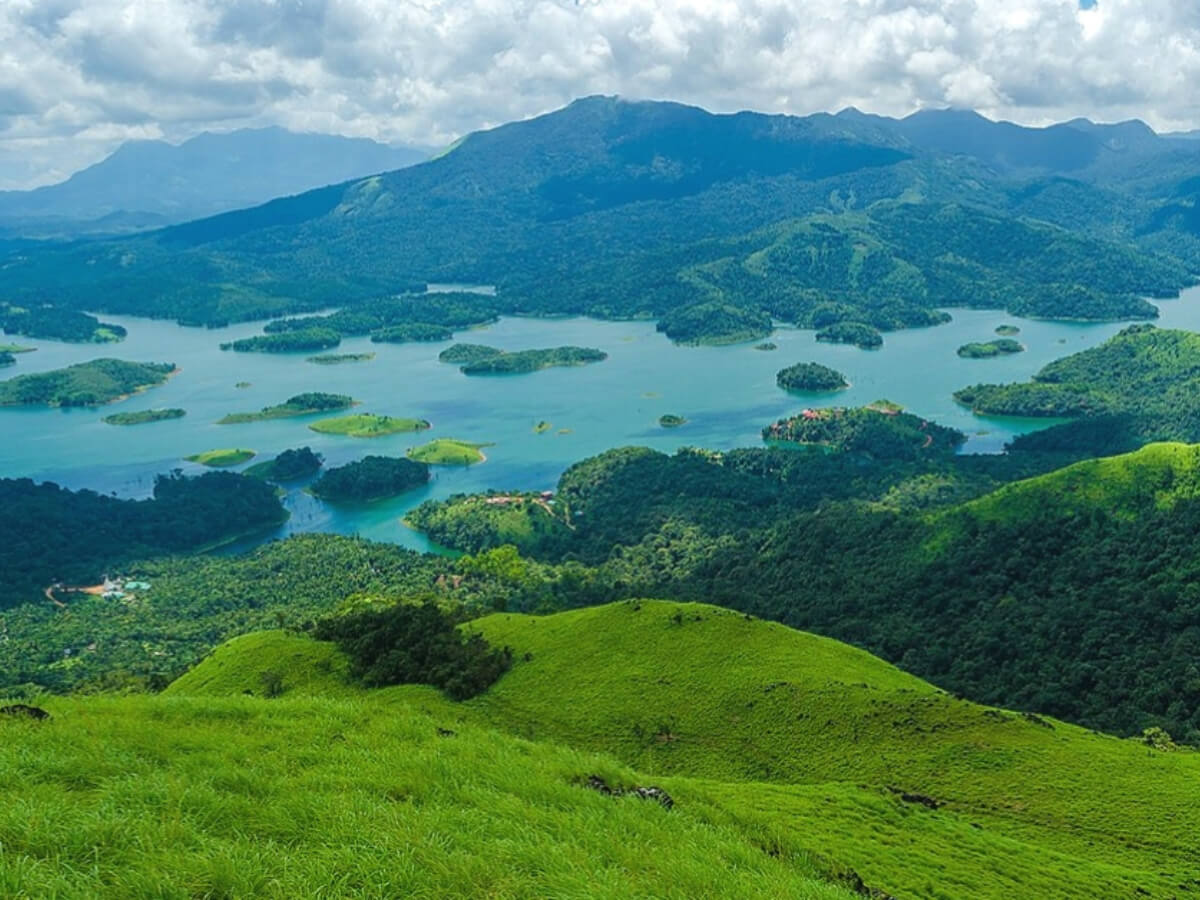
The rolling hills of Wayanad are home to a variety of cash crops, including tea, coffee, rubber, and spices. The farmers here cultivate a diverse range of teas, including black, green, oolong, and white varieties. People prefer Wayanadan tea for its robust flavour and earthy aroma. The region produces both Arabica and Robusta.
Besides tea and coffee, Wayanad is renowned for cultivating a variety of spices, including cardamom, pepper, cinnamon, nutmeg, cloves, and ginger, as well as vanilla and cocoa.
You can tour these plantations or stay in one of them, as several resorts offer homestays, luxury bungalows, tree houses, and private villas within their premises. Staying within the plantation and working alongside the locals as they tend to their crops, along with attending exclusive tea/coffee tasting sessions, provides tourists with an immersive experience.
Some of the activities you can enjoy in a plantation include bird-watching, cycling, fishing, tea-tasting, going on a morning nature walk with a tour guide, enjoying a campfire, participating in adventure activities, and visiting Ayurveda spas. You can also book these bungalows and boutique hotels for weddings and other events. Call us at +91 9940882200 to learn more about your Wayanad tour packages and accommodation options.
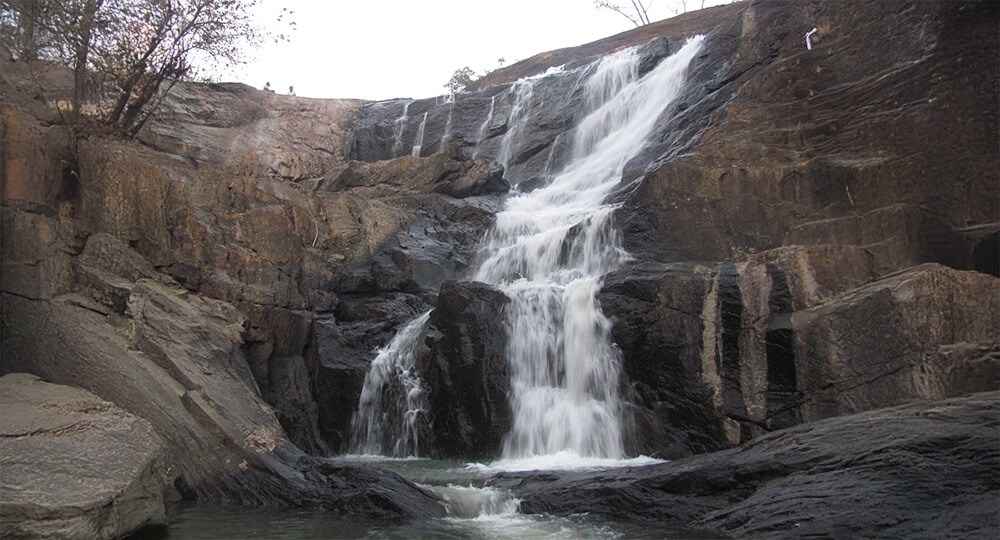
Wayanad is home to several well-known and hidden waterfalls, including Meenmutty, Kerala’s second-largest and Wayanad’s largest waterfall. The region’s hilly terrain, high elevation, and abundant rainfall contribute to the many streams and rivers that drop off cliffs, forming waterfalls.
Wayanad is also the origin for several rivers and tributaries, including Kabini and Chaliyar, that flow through uneven terrain, causing frequent waterfalls.
Some of the popular cascades include Meenmutty, Soochipara, and Kanthanpara. You cannot swim on all of them, especially during the monsoon, as they could be dangerous. However, your local tour guide can direct you to the small waterfalls and rivulets where you can bathe and swim.
Some waterfalls, such as Chethalayam and Kalladi, are ideal for other activities like bird-watching, photography, trekking, and river rafting. Some waterfalls, such as Palchuram and Kadachikunnu, are largely unknown to the general public, except to the locals who visit here to explore the dense forests and plantations.
Call us to learn more about the region’s waterfalls and arrange a visit to them with your Wayanad tour packages.
Wayanad is home to a varied range of animals, birds, plants, and trees endemic to the Western Ghats. In fact, the region is one of the most biodiverse places in Kerala, thanks to its diverse ecosystems, including tropical rainforests and montane grasslands. Wayanad shares its borders with three other wildlife reserves, Bandipur and Nagarhole in Karnataka and Mudumalai in Tamil Nadu.
Some of the animals you will find here include large mammals such as elephants, tigers, and bison, as well as primates like the Nilgiri langurs. Additionally, you can spot birds like the Malabar Trogon, Orange Minivet, Banasura Chilappan, and the Wayanad Laughing Thrush.
Wayanad is also famous for its wildlife sanctuaries, including the Wayanad Wildlife Sanctuary, Tholpetty, Muthanga, and the Pakshipathalam Bird Sanctuary. The latter is a beautiful trekking trail that requires walking through the dense Nilgiri Biosphere Reserve.
As part of your Wayanad tour packages, you can stay in one of the bungalows and tree houses within these sanctuaries and take a guided tour in a jeep or bus. Other activities you can enjoy in these sanctuaries include trekking, bird watching, canoeing, camping, and river rafting.
Before the settlers arrived in Wayanad, several ancient tribespeople called the area home. The Edakkal Caves are a prehistoric shelter filled with petroglyphs that are at least 7,000 years old.
Similarly, the Thirunelli Temple, dedicated to Lord Vishnu, is believed to be over 1000 years old. Located in Mananthavady, within the forest region of Brahmagiri, the journey to the temple is as fascinating as the temple itself, where you will traverse dense forests, elephant sanctuaries, and bamboo forests.
The Pazhassi Raja Tomb and Museum is another attraction dedicated to the legendary freedom fighter Pazhassi Raja, who resisted the British until he died in 1805.
The Ambalavayal Museum showcases Wayanad’s tribal culture through a collection of artefacts, ancient weapons, tribal utensils, pottery, and jewellery.
While not strictly from Wayanad, ritual art forms like Theyyam and Thira are performed along its borders with Kasargod and Kannur. You can also explore the lifestyle of communities like the Paniyas, Kurichiyas, and Adiyas at En Ooru Village, a model village in Wayanad that showcases the life and culture of the tribal communities.
The Jain temple in Sulthan Bathery, built in the 13th century, also served as a store room for arms during the reign of Tipu Sultan.
Malabar’s proximity to Wayanad helps influence its cuisine. However, Wayanadan food is a blend of indigenous tribal ingredients and cooking techniques, as well as the influence of neighbouring Karnataka and Tamil Nadu. Here, you can enjoy Thalassery Biryani, a quintessential Malabari dish, along with snacks like Unnakaya and different types of sweet and savoury cutlets made from fish, chicken, red meat, and even vegetables like banana blossoms.
The Malabar Parotta served with beef or chicken curry is another favourite. Another staple found in and around Wayanad is the Pothum Kaal, which literally means ‘Buffalo Leg’ – beef leg is slow-cooked for hours in a lightly spiced gravy until the meat is tender and the bone marrow becomes juicy. The Pothum Kaal is paired with Pathiri, a rice-based flat bread or Parotta.
You can sample traditional tribal foods, such as bamboo rice payasam, chakka pappadam, and Kattu Soup, a conventional Wayanadan tribal dish made with local herbs and spices.
Call us at +91 9940882200 if you plan to sample local delicacies or need a food tour included in your Wayanad tour package.
Given the forest landscape, it is no surprise that Wayanad is home to a range of unique accommodation options. You can choose to stay amidst the plantations in its many bungalows and dormitories, or book a luxury resort.
However, to make your stay extra special, we suggest booking a treehouse. These accommodations are situated 20 feet or more above ground and are therefore completely safe. You will be surrounded by the forest on all sides and even enjoy daily wildlife sightings. Most treehouses are situated near watering holes, allowing you to observe animals from a safe distance as they come to drink. These treehouses also offer exclusive in-house activities, such as forest awareness treks, bird-watching walks, customised safari drives, and nighttime drives within the estate to observe animals.
There are several homestays run by local families, often situated within their plantations or in the surrounding forests. You can join the host to learn more about their lifestyle, cooking, and even visit a local tea shop to discover hidden tourist spots.
Call us at +91 9940882200 to learn more about your accommodation options with our Wayanad tour packages.
The forests of Wayanad are a biodiversity hotspot and an ecologically sensitive region. Unlike other popular hill stations where mass forests have been cleared to make way for luxury hotels and resorts, Wayanad has managed to strike a balance between commerce and environmental concerns.
Eco tourism is a popular theme across most travel businesses in the region. This is reflected in activities such as jungle awareness treks, bird-watching, interacting with local tribal communities, wildlife safaris, and staying in eco-friendly accommodations.
In Wayanad, the focus is on integrating humans with wildlife, rather than making forests and wild habitats human-friendly. For instance, while tree houses provide decent and clean facilities, you will have limited internet and cannot use high-wattage devices. And since these tree houses are within the jungle, you must maintain complete silence. While these accommodations may not be for everyone, they offer a once-in-a-lifetime experience, providing a 360-degree view of the mountains, jungles, and wildlife.
While Wayanad is famous for scenic greenery, tourists must also learn more about the region’s ethnic people. Some of the region’s tribal inhabitants, such as the Paniyas, Kurumbas, and Adiyans, have lived here for centuries, navigating Wayanad’s rugged terrain and challenging living conditions. You can visit their villages, sample their food, and even witness their unique customs and traditions. Some tribal communities, like the Kurumbas, are skilled weavers, producing baskets, mats, and pottery. Please encourage them by shopping for their products as souvenirs at tribal co-ops.
Another unique experience is En Uru, a tribal heritage village complete with thatched-roofed houses, tribal cafeterias serving ethnic dishes, and tribal markets. You can also join the locals for a jam session at the village’s amphitheatre.
Call us to include En Ooru in your Wayanad tour packages itinerary.
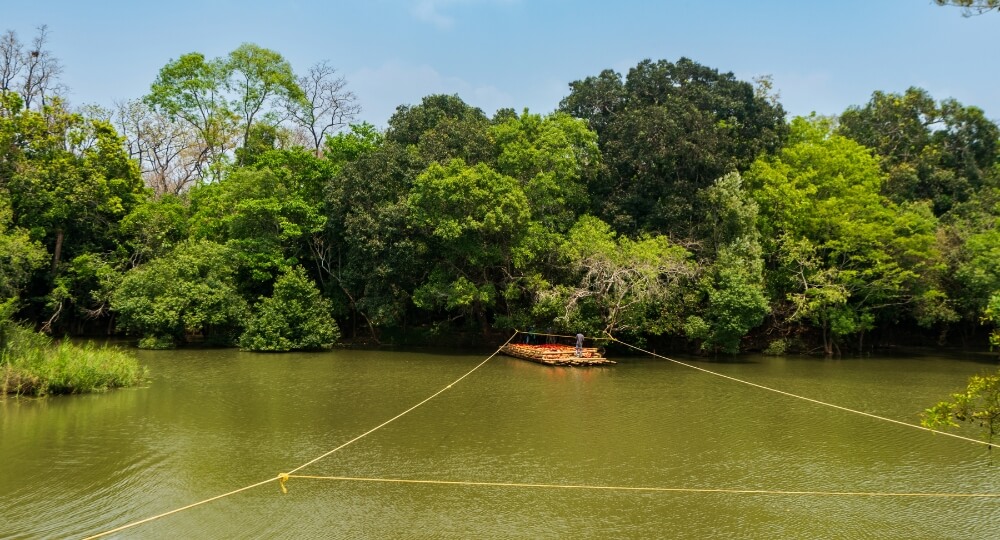
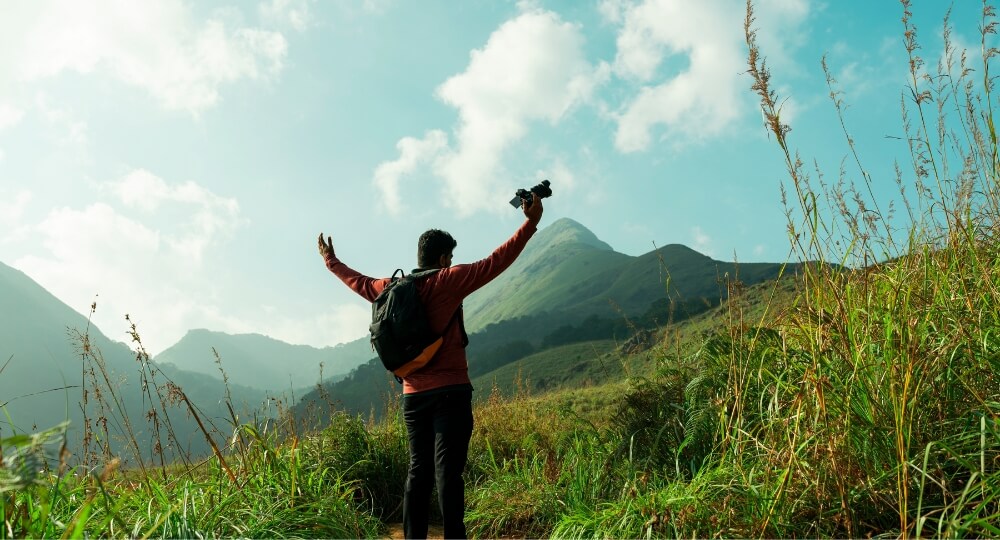
With its waterfalls, hills, dense forests, and abundant wildlife, Wayanad is a haven for adventure lovers. There are numerous adventure tour companies offering a variety of activities, ranging from single-day trails to multi-day treks and nature walks. Some of the activities you can enjoy in Wayanad include hiking, canoeing, cave exploration, rappelling, bamboo rafting, and zip-lining.
Call us at +91 9940882200 to learn more about our Wayanad tour packages.