1

Tour Package

Home » Tour Packages » India Tour Packages » North India Tour Packages » Jaisalmer Tour Packages

Jaisalmer Tour Packages

Golden City
Yellow City

SUPER DEAL PRICE

STARTS FROM

per person on twin sharing
Heart of the Thar Desert: Jaisalmer
South India’s No.1 Travel Brand
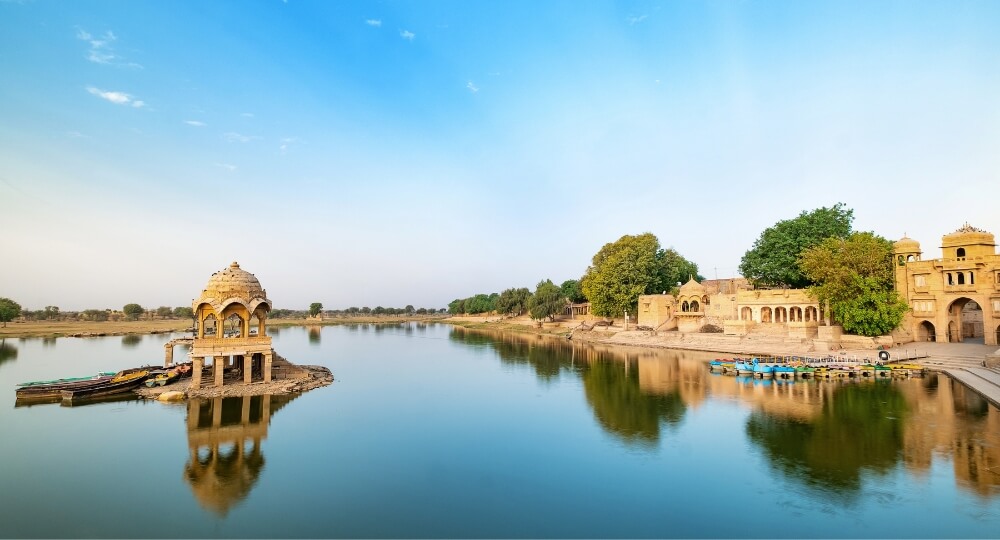
Gadisar Lake
Famous artificial lake in Jaisalmer
Sam Sand Dunes
Most Popular Desert Destinations
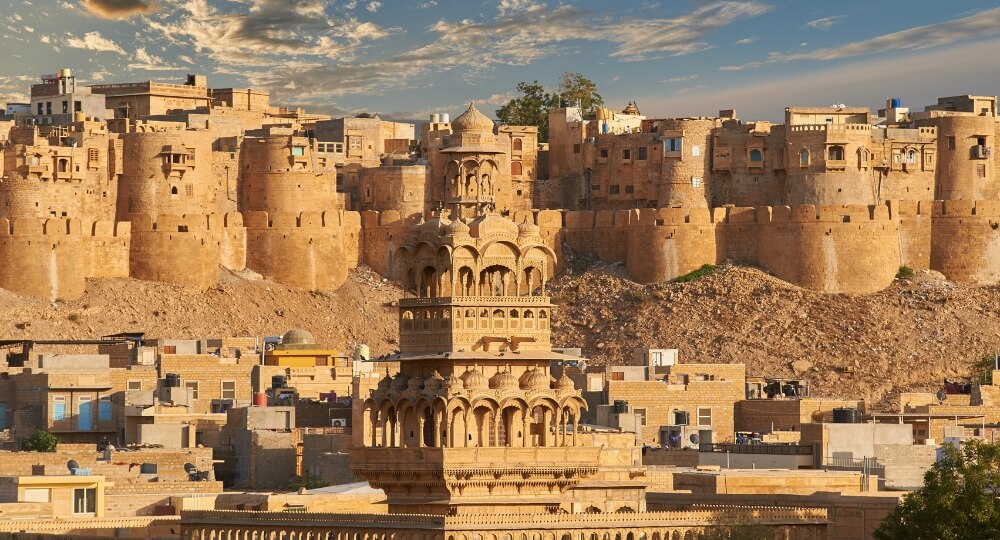
Jaisalmer Fort
Second oldest fort in Rajasthan
Hindi, English, Rajasthani, Marwari
Languages Speaking
Essential Tips for Travelling to Araku Valley
ATMs

ATMs are far more common in city areas.

Credit Cards

Cards are accepted in hotels and major shops.

Bank

Banks are mainly available in city areas.

Drinking

The legal drinking age in Jaisalmer is 18.

Safest

Residents are warm, friendly, and hospitable.

Jaisalmer - Overview

jaisalmer location map

By Purpose

tour package tourism

Couples

For Newlywed Vacations

tour packages business

Family

For Family Vacations

Top Travel Destinations

Jaisalmer Fort

Patwon Ki Haveli

Gadisar Lake

Tazia Tower

Pokhran Fort

Khaba Fort

Kuldhara Village

Bada Bagh

Desert National Park

Sam Sand Dunes

Salim Singh Ki Haveli

Nathmal Ki Haveli

Everything You Need to Know About Jaisalmer

Jaisalmer rises from the Thar desert as a city shaped by sand, movement, and long stretches of quiet. The colour barely changes. Yellow sandstone absorbs heat throughout the day and slowly releases it by evening as the light fades, walls soften, and lanes grow still. You hear footsteps on stone, temple bells in the distance, and wind passing through carved jharokhas. The city does not rush to get your attention. It asks you to slow down.

For Indian travellers, Jaisalmer feels far from the everyday yet rooted in something familiar. The desert recalls Kutch and western Rajasthan. Social customs echo older trading towns across North India. Life here values patience, continuity, and shared space. Jaisalmer Tour Packages suit travellers drawn to history, open horizons, and time away from crowded hill stations and busy coastlines.

About Jaisalmer

Jaisalmer lies deep within the Thar Desert in western Rajasthan, close to India’s international border. Geography shapes the city completely. Land, climate, water availability, and wind patterns determine how people live, build, and move. Jaisalmer does not stand apart from its landscape. It rises gently from it.

The terrain around Jaisalmer alternates between shifting sand dunes and hard, rocky ground. Soft dunes dominate open stretches, while firmer soil appears closer to settlements. This mix limited large-scale farming and encouraged grazing, seasonal cultivation, and trade-based livelihoods. Vegetation is sparse. Hardy plants such as khejri trees and desert grasses survive in areas with minimal moisture, helping stabilise soil and support livestock.

The city sits on relatively flat land, with Trikuta Hill providing the only natural elevation. This hill offered visibility and protection, which is why the fort was built on its summit. In the absence of hills, heat and wind move freely across the region. Sunlight stays intense and constant. Shade is a design choice rather than a natural feature.

Jaisalmer experiences an extreme desert climate. Summers bring intense heat. Winters remain dry, with sharp temperature drops after sunset. Rainfall stays low and unpredictable, arriving briefly during the monsoon. These conditions shaped compact settlement patterns. Buildings stand close together. Streets remain narrow. Open spaces cluster near water sources rather than spreading across the city.

Water defines settlement more than any other factor. Natural rivers do not flow through the region. As a result, people depend on rainwater harvesting. Artificial lakes, tanks, and stepwells captured monsoon rainwater and sustained the population during the dry months. Water bodies also became social and ritual centres, influencing the location of temples, homes, and markets.

Wind plays a constant role. Seasonal winds shift sand, soften stone edges, and carry dust across open land. Architecture responds with thick walls, minimal openings, and carved stone screens that allow air while limiting dust. The same wind patterns once guided caravan routes, linking known water points across the desert.

Jaisalmer’s geography encourages balance rather than expansion. Resources are limited. Distances feel long. Settlements reflect restraint and adaptation. To understand the city, you begin with the land. Every aspect of life follows from it.

History & Heritage

Jaisalmer emerged as a desert stronghold shaped by trade rather than agriculture or conquest. Founded in 1156 CE by Rawal Jaisal of the Bhati Rajput clan, the city rose on Trikuta Hill to control camel caravan routes linking India with Central Asia, Persia, and Arabia. Wealth came through taxing and protecting traders rather than producing goods.

Between the 12th and 16th centuries, Jaisalmer prospered as a trading hub. Merchant communities, especially Jains, funded temples, havelis, and water systems. The Jaisalmer Fort developed as a living town, housing markets, homes, and religious spaces within its walls.

Surrounded by stronger powers, Jaisalmer relied on diplomacy. The Bhati rulers accepted Mughal overlordship while retaining internal control, sparing the city from large-scale destruction.

The decline began when sea routes replaced overland trade. By the 17th century, caravan traffic fell, and merchant families moved away. The economic slowdown halted new construction, thus preserving the city’s older structures.

Under British rule, Jaisalmer remained a quiet princely state with little administrative focus. After Independence, its location along the border gained strategic importance. Tourism later emerged as the main economic support.

Today, Jaisalmer’s history remains lived rather than archived. Families still reside inside the fort, and daily life continues along lanes shaped centuries ago.

Tidbits About Jaisalmer

Category Details
Location Thar Desert, Jaisalmer district, western Rajasthan
Elevation ~225 metres above sea level
Official Languages Hindi, Rajasthani (Marwari widely spoken), English understood in tourist areas
Famous For A residential fort, yellow sandstone architecture, desert landscapes, havelis, and folk music
Best Time to Visit Oct–Mar for pleasant weather and sightseeing
Apr–Jun extremely hot, limited outdoor movement
Jul–Sep hot with occasional rain, quieter travel period
Ideal Duration 2 to 3 nights
Nearest Major City Jodhpur ~280 km by road, 5 to 6 hours by NH 11 and NH 62

Travel Requirements

  • Carry a valid government photo ID such as an Aadhaar card, driver’s licence, or passport. ID is required at hotel check-ins and may be checked at security points near border areas around the Jaisalmer district.
  • International travellers must hold a valid Indian visa. Keep both digital and physical copies of passport and visa details. Some desert routes and border-sensitive zones may require passport information.
  • Digital payments, such as UPI and cards, are accepted at most hotels, heritage properties, and larger restaurants. Carry cash for local taxis, camel handlers, village shops, small eateries, and market purchases.
  • Jaisalmer has no metro system or app-based ride-hailing services. Local travel depends on autos, shared jeeps, and private taxis. Pre-book vehicles for desert excursions and nearby village visits.
  • Wear lightweight cotton clothing during the day. Carry a jacket or shawl for evenings and early mornings, especially between November and February when temperatures drop sharply.
  • During the summer months from April to June, the heat remains intense. Plan outdoor sightseeing for early mornings or late afternoons. Carry sun protection, water, and a head covering.
  • Drink bottled or filtered water. Avoid untreated tap water. This matters more during the summer and monsoon months.
  • Follow local guidance while visiting desert areas and dunes. Stay within marked zones. Avoid wandering into restricted or border-sensitive areas without permission.
  • Some routes near the international border require security checks. Carry the same ID used for hotel bookings and transport arrangements, with physical copies available.
  • Respect local customs and desert ecology. Avoid littering, limit plastic use, and follow community guidelines in villages and desert camps.

How to Reach Jaisalmer

Jaisalmer sits deep in western Rajasthan, surrounded by desert terrain. Access improves steadily as you move closer, but the final stretch always feels slower and more deliberate. Most travellers reach the city by air, rail, or road, depending on their time and budget.

By Air

Jaisalmer Airport is a small domestic airport located about 15 km from the city. It operates limited seasonal flights, usually from Delhi and Jaipur. Flight schedules change frequently, so availability varies by time of year.

The most reliable air gateway remains Jodhpur, around 280 km away. Jodhpur Airport has regular connections from Delhi, Mumbai, Jaipur, Bengaluru, and other major Indian cities. From Jodhpur, the road trip to Jaisalmer takes about 5 to 6 hours through open desert highways. From either airport, taxis are the easiest option. Pre-booking helps during peak season.

By Train

Jaisalmer Railway Station connects the city with Jodhpur, Jaipur, and Delhi. Overnight trains from Delhi and Jodhpur rare popular with travellers.

Jodhpur is the main rail hub for western Rajasthan, with better frequency and connectivity. From Jodhpur Railway Station, you can continue by train or road to Jaisalmer.

By Road

Road travel offers the most flexibility. Jaisalmer is well connected to Jodhpur, Bikaner, and Barmer via state and national highways.

From Jodhpur: about 280 km, roughly 5 to 6-hour drive
From Bikaner: about 330 km, around 6 to 7 hours drive

State-run and private buses operate daily from Jodhpur and Bikaner. Taxis are the most comfortable option, especially if you plan to make stops along the way. As you approach the city, you will drive through roads with long stretches of desert, scattered villages, and minimal traffic.

Best Time to Travel

  • October to March offers the most comfortable travel conditions, especially for road journeys.
  • April to June brings extreme heat, which can make daytime travel tiring.
  • July to September sees occasional rain. Roads remain open, but delays may occur due to weather.

Travel Tips

  • Carry a valid government-issued photo ID for hotel check-in and security screening near border-sensitive areas.
  • Pre-book flights and taxis during the winter months and festival periods.
  • Plan road travel during early mornings or late afternoons in summer.
  • Carry water, sun protection, and light snacks for long road stretches.
    Fuel stations become scarcer as you get closer to Jaisalmer. Refill whenever possible.
  • Reaching Jaisalmer feels like a gradual transition rather than a sudden arrival. The journey prepares you for the slower pace and open space that define the city.

Top 6 Reasons to Choose Jaisalmer Tour Packages

Easy to understand history without complexity

Jaisalmer Fort, merchant havelis, and village ruins clearly show how people lived, traded, and defended themselves in a desert environment. Stories connect directly to visible structures, making the region easier for children, older adults, and first-time visitors to understand.

Sightseeing without long road journeys

Major sights sit close together, reducing long drives and physical fatigue. Forts, lakes, havelis, and memorial structures fit into short daily schedules, which suits families and travellers unfamiliar with Rajasthan’s scale and road conditions.

Structured desert exposure without risk

The Thar Desert around Jaisalmer is accessed through regulated routes near Sam and Khuri. Camel rides follow fixed paths, and desert camps operate within defined areas. This offers a clear introduction to desert terrain without isolation or physical stress.

Balanced mix of city life, open landscapes, and villages

Within a small radius, travellers move between a living fort, open dunes, water bodies, and abandoned settlements like Kuldhara. This variety prevents repetition and helps first-time visitors understand Rajasthan beyond palaces alone, while keeping children engaged through contrast.

Calm pace compared to larger Rajasthan cities

Jaisalmer remains quieter than Jaipur or Udaipur. Traffic is limited, evening slowdowns begin early, and markets remain manageable. Families often find the atmosphere easier to handle, and first-time travellers adjust more comfortably to the region.

Clear foundation for further Rajasthan travel

Jaisalmer introduces key themes of desert survival, trade routes, border history, and belief systems in a simple sequence. This context helps travellers make better sense of later visits to places like Jodhpur, Bikaner, or Barmer.

Best Places to Visit With Our Jaisalmer Tour Packages

Jaisalmer Fort

The fort rises straight from the desert floor, its yellow stone blending into the surrounding sand. People still live inside the walls, so daily life unfolds alongside temples, cafés, and old shops tucked into narrow lanes. Early mornings feel unhurried, with soft light moving slowly across balconies and doorways. Walking without a plan works best here, allowing you to notice conversations drifting from homes and the quiet rhythm of life within the fort.

Patwon Ki Haveli

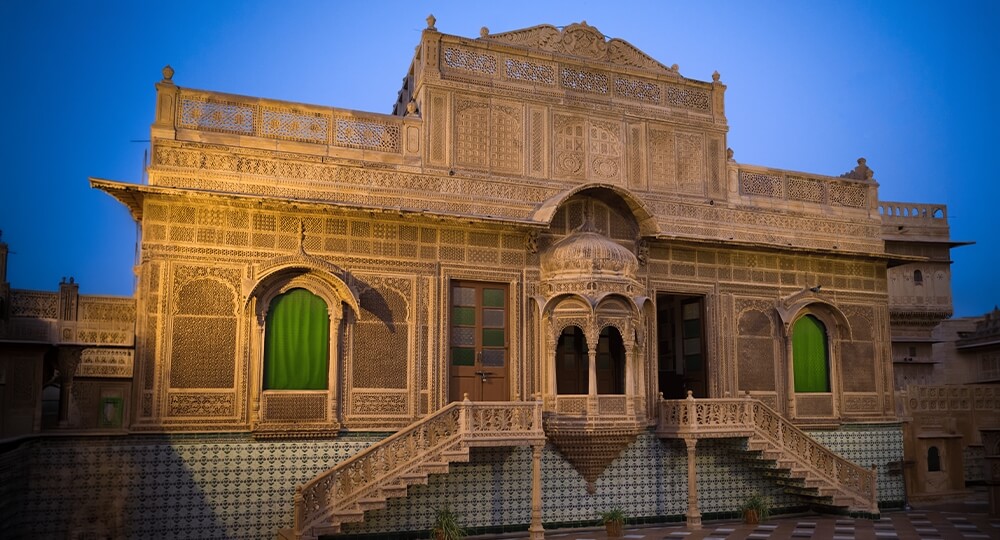
Five havelis stand side by side, built by a wealthy trader family with an eye for detail and permanence. The stone carvings feel dense and deliberate, drawing attention closer rather than impressing from a distance. Inside, rooms and courtyards show how merchant families balanced business, hospitality, and private life. Mid-morning visits suit the space, when light filters in gently and the interiors stay calm.

Gadisar Lake

This lake once served as the city’s main water source, and its design still reflects care and restraint. Steps, shrines, and carved arches frame the water, creating a space where people naturally slow down. Birds gather near the edges, and locals come to sit rather than move through. Evenings stay quiet, making it easy to watch the sky change colour without interruption.

Sam Sand Dunes

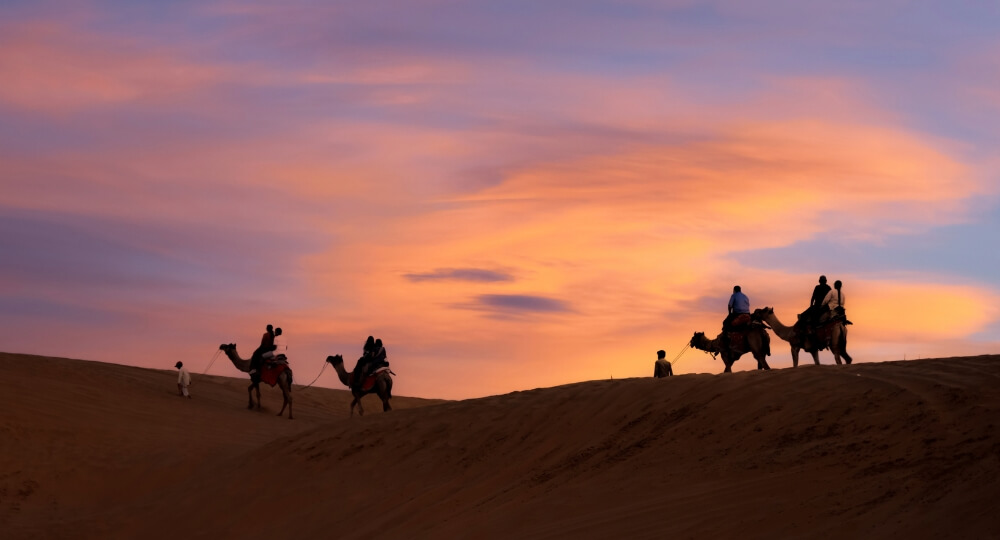
The dunes lie outside the city, where the land opens wide, and the horizon feels uninterrupted. Sunset draws visitors to familiar points, yet a short walk away restores space and silence. Camel rides follow an easy pace, matching the scale of the desert. As night settles, the sky clears fully once artificial lights fade.

Salim Singh Ki Haveli

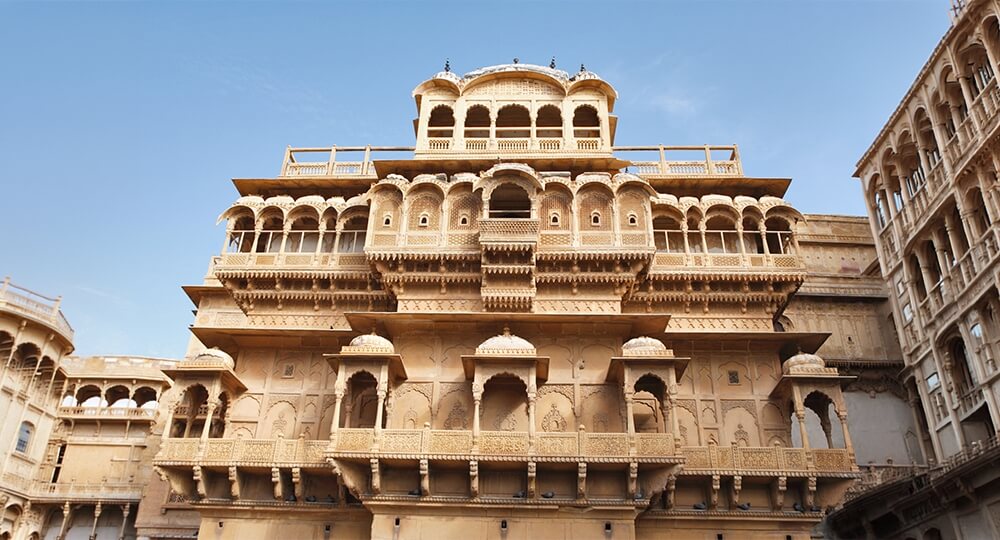
This haveli stands out for its confidence rather than its scale, with a roof shaped like a peacock and balconies that project boldly outward. The design reflects authority and ambition from another time. Standing below and looking up reveals how architecture once communicated power without excess decoration.

Nathmal Ki Haveli

Built by two brothers working independently on either side, this haveli carries subtle differences that reward close attention. Elephant carvings, floral motifs, and balanced proportions appear throughout, yet nothing feels rigid. The slight asymmetry gives the structure a human quality, shaped by individual hands rather than strict rules.

Kuldhara Village

A short drive from the city leads to this abandoned settlement, where stone houses sit open to wind and sky. Streets remain intact, yet empty, holding a silence that feels deliberate. Stories of sudden departure surround the village, but walking through it offers no clear answers. The stillness becomes part of the experience.

Bada Bagh

Rows of royal cenotaphs stand exposed against open land, their chhatris catching sharp light during sunset. Shadows deepen, edges grow clearer, and the setting feels stripped of distraction. Few visitors stay long, yet those who do often fall into quiet reflection without effort.

Desert National Park

The park protects a fragile desert ecosystem where life exists in careful balance. Sparse vegetation, wide horizons, and occasional wildlife sightings define the visit. Safaris focus as much on landscape as on animals such as foxes and migratory birds. Early mornings suit the park best, when movement feels natural, and light stays clean.

Tazia Tower

This multi-tiered tower stands within the Badal Palace complex and reflects cultural exchange rather than royal display. Builders modelled it after ceremonial tazias carried during Muharram, giving the structure a layered and delicate presence. Nearby viewpoints open across rooftops and stone lanes, offering a quiet perspective over the city.

Other Places to Explore

Tanot Mata Temple

This temple is located near the India-Pakistan border and holds deep local significance. During the 1965 war, the area saw heavy shelling, yet the temple remained untouched. The surroundings feel open and stark, with long stretches of road and minimal settlement.

Longewala War Memorial

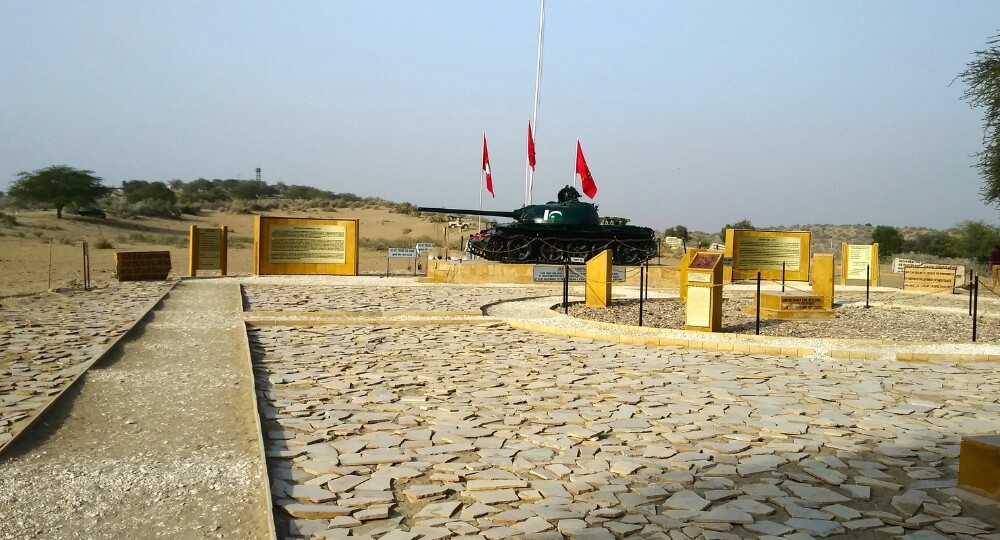
Set near the border of the desert, this memorial commemorates the 1971 Battle of Longewala. Tanks, bunkers, and open land help place events in a physical context. The terrain explains how the battle unfolded.

Khuri Sand Dunes

Khuri offers a quieter alternative to the busier dune areas. The village edges into the desert, where dunes rise gently rather than dramatically. Evening walks feel unforced, and nights have clear skies with fewer lights.

Ramgarh

Once an important trading post, Ramgarh holds crumbling havelis and a compact fort. Many buildings have weathered over time. Walking through the town reveals faded murals, carved doorways, and a sense of gradual decline that feels honest rather than staged.

Pokhran Fort

This fortified complex rises from a quiet town better known for modern history. Inside the fort, courtyards and rooms feel enclosed and controlled. The surrounding landscape stays flat and open, creating a contrast between defence and exposure.

Lodhruva

Once the former capital of Jaisalmer, Lodhruva now holds temple ruins and restored Jain structures. The site feels open and lightly visited. Carved pillars and arches suggest past importance without excess preservation.

Deshnok

Known for the Karni Mata Temple, dedicated to Karni Mata, a 14th-century mystic and saint revered by her followers, especially the Charan community, as an incarnation of Goddess Durga. The temple is best known for the thousands of black rats, locally called kabbas, that live freely within the complex. These rats are considered sacred and are believed to be reincarnated followers of Karni Mata. Harming or killing a rat is considered a serious offence, and tradition requires replacing one accidentally killed with a silver or gold replica.

Osian

Osian combines desert scenery with early medieval temples dedicated to Hindu and Jain traditions. The carvings feel compact and precise. Sand surrounds the town without overwhelming it, making Osian suitable for travellers interested in history beyond forts.

Barmer

Barmer reflects everyday desert life. Local markets, textiles, and crafts remain central to the town’s rhythm. The nearby fort offers views of clustered homes and the surrounding dry land.

Baisakhi Village

Small desert villages like this offer insight into rural life in border regions. Mud houses, livestock, and open courtyards shape daily routines.

Culture, Arts & Architecture

Jaisalmer’s crafts, music, and architecture were shaped by restraint rather than excess; they are practical responses to climate and trade practices that gradually settled into stable traditions. What you see today reflects continuity. Forms stayed familiar because they worked, socially, climatically, and materially.

Culture here does not announce itself. It unfolds through daily habits, sound carried across open spaces, and buildings that respond quietly to sun, wind, and time.

Musical Traditions of Jaisalmer

Music in Jaisalmer lives outdoors. It feels made for courtyards, open dunes, and evening air. Songs move slowly, returning to the same lines again and again, allowing for the meaning to settle. Sound travels far here; the wind carries the notes over a distance, so music never needs to be loud to be heard.

The Manganiyar and Langa communities keep these traditions alive. Their songs speak of family lineages, remembered battles, long journeys, and the waiting that comes with uncertain rain. Music becomes memory passed from voice to voice. Performances take place at weddings, births, and religious gatherings, woven into everyday life rather than separated as entertainment.

Instruments are few but expressive. The kamaicha produces deep, steady tones that sit comfortably in open space. The dholak and khartal hold rhythm without urgency. The sarangi is played in more formal settings. Voices stay raw and direct. Pauses matter as much as sound. Silence allows the song to breathe.

These traditions feel closely linked to folk music in Kutch and Sindh, shaped by similar landscapes and shared histories of movement, waiting, and return.

Dance

Dance in Jaisalmer does not stand apart from daily life or arrive as a performance on cue. Movement begins when music begins, often during weddings, festivals, or family gatherings.

Kalbelia dance draws the eye through slow, fluid turns. Performed by the Kalbelia community, in dark, simple attire, the movements follow circular paths, echoing the motion of snakes and the balance required in desert life. The power of the dance comes from control and continuity.

Ghoomar is performed during celebrations, especially weddings. Dancers move together in a shared rhythm. Steps are measured, and repetition creates calm rather than spectacle. This dance belongs to the group, not the individual.

Performances take place in courtyards, open grounds, or near dunes as evening settles in. People sit close, often at the same level as the dancers. There is little separation between those who move and those who watch. The moment feels shared rather than observed.

Architecture of Jaisalmer

Architecture shapes Jaisalmer more than any other cultural form. Buildings respond directly to heat, limited water, and shared living. Design choices prioritise adaptability and longevity over visual impact.

Locally quarried yellow sandstone defines the city. Thick walls slow heat transfer. Narrow lanes create shade and guide airflow. Light enters through carved screens and jharokhas, filtered rather than exposed, keeping interiors cool and private.

Religious and residential buildings follow the same principles. Proportion matters more than height. Repetition replaces ornamentation. Homes centre around courtyards that regulate temperature and organise daily life.

Water structures shape movement and rituals. Stepwells, tanks, and lakes anchor settlement patterns and social spaces, including temples. In Jaisalmer, architecture asserts itself through use rather than scale.

Jaisalmer’s culture values restraint. Music respects silence. Dance respects balance. Art respects repetition. Architecture respects climate. Each element follows the same logic, shaped quietly over time.

You leave Jaisalmer remembering how space felt. How sound travelled. How stone held light.

Cuisine & Local Flavours

Food in Jaisalmer grew from constraint rather than abundance. Water remained scarce, and fresh vegetables arrived rarely. Long summers shaped meals that lasted, travelled well, and kept the body steady through heat and wind. The result is a cuisine built around grains, ghee, dried ingredients, and slow cooking. Flavours stay deep and grounding rather than sharp or layered.

For Indian travellers, the food feels familiar yet distinct. You notice similarities with Marwar and Kutch, though the textures are heavier and the portions feel more substantial. Meals here are not rushed. They arrive warm and are filling, meant to sustain you through long hours.

Core Ingredients and Cooking Style

Bajra replaces rice in many homes. Gram flour appears in multiple forms. Ghee acts as a preservative, a flavouring, and an energy source. Dry beans, desert berries, and sun-dried vegetables form the backbone of everyday cooking. Spices are restrained. Chillies add heat but never dominate. Asafoetida, cumin, coriander, and dried red chilli are often used. Cooking methods favour slow simmering, roasting, and dum-style preparation to stretch ingredients over time.

Must-Try Dishes in Jaisalmer

Dal Baati Churma

This forms the centre of most meals. Baati are baked wheat balls cooked in coals until firm, then soaked with ghee. Dal is thick and lightly spiced. Churma is a sweet made with crushed baati and jaggery or sugar.

Ker Sangri

This dish reflects desert adaptation at its best. Ker are wild berries. Sangri are dried beans from khejri trees. Both survive harsh climates. Cooked together with spices and oil, the dish turns earthy and slightly tangy. It pairs well with rotis and is unique to Rajasthan’s desert regions.

Gatte Ki Sabzi

Gram flour dumplings cooked in a spiced yoghurt-based gravy. In Jaisalmer, the gravy is thicker and less sour than in other regions.

Bajre Ki Roti

Pearl millet flatbreads form a daily staple. Dense and filling, these rotis pair with ghee, onion, and curd.

Laal Maas

This mutton dish appears less frequently but holds cultural value. Chillies bring colour rather than heat. The gravy is rich.

Street Food and Light Eats

Street food in Jaisalmer appears around markets rather than across the city.

Mirchi Vada

Large green chillies stuffed, battered, and fried. Crisp outside and soft within. Best eaten fresh.

Kachori

Heavier than city versions, filled with lentils or spiced onions. Often eaten with curd or chutney.

Pyaaz Ki Sabzi with Roti

Simple onion-based dishes are served at small eateries during lunchtime. Quick, filling, and affordable.

Desserts of Jaisalmer

Desserts rely on ghee, grains, and sweetness that lasts without refrigeration.

Ghotua Ladoo

Made from wheat flour, ghee, and jaggery. Dense and crumbly. Often prepared for festivals and family gatherings.

Lapsi

Cracked wheat cooked slowly with ghee and jaggery. Served warm. Common during religious occasions.

Churma

Also served separately as a dessert. Coarse texture and deep sweetness make it filling in small portions.

Ghewar

Although more commonly associated with eastern Rajasthan, ghewar is available in Jaisalmer during festivals. Crisp, soaked in sugar syrup, and lightly topped with cream.

Where to Eat and How to Experience the Cuisine?

Heritage hotels and local homes offer the most balanced introduction. Meals here follow traditional pacing and portion sizes. Small local restaurants near markets serve everyday food without adaptation for outside tastes. Avoid judging dishes by presentation. Focus on texture, warmth, and how long the meal sustains you.

Shopping in Jaisalmer

The crafts and souvenirs of Jaisalmer grow from the city’s desert setting and its role as a trading stop on long caravan routes. Here, you can buy goods that evolved to withstand heat, travel, and repeated use, which explains why many items remain practical rather than purely decorative. Crafting skills are passed down through families, so designs evolve slowly, and quality remains consistent over time. Shopping follows the same rhythm. Unhurried, conversational, and rooted in trust. Bargaining is calm and respectful, shaped by older trading customs. Many shops continue trades that began generations ago, giving Jaisalmer’s markets a sense of continuity rather than novelty.

What to Buy in Jaisalmer?

Textiles and Fabric Goods

Jaisalmer sits within Rajasthan’s textile belt. Fabrics here focus on colour retention, durability, and comfort in heat. Common purchases include

  • Bandhani and tie-dye dupattas and sarees
  • Mirror work cushion covers and wall hangings
  • Cotton quilts known as razai, filled lightly for desert nights
  • Patchwork bedspreads stitched from recycled fabric pieces

These textiles resemble work seen in Kutch and Barmer but carry softer tones suited to Jaisalmer’s sandstone palette.

Leather Goods

Camel leather forms one of Jaisalmer’s most recognisable crafts. Leather items stay sturdy and plain rather than decorative. Popular leather items include

  • Camel leather bags and sling pouches
  • Footwear such as juttis and mojaris
  • Belts, diaries, and small utility pouches

Leather here is untreated with heavy finishes. The smell and texture stay natural. These items age well and improve with use.

Silver Jewellery

Jewellery in Jaisalmer reflects desert aesthetics rather than fine gem settings. Designs stay bold and functional. Look for

  • Chunky silver rings and bangles
  • Tribal style necklaces with minimal stone use
  • Earrings inspired by Rajput and desert communities

Prices are lower than in Jaipur due to simpler designs and limited gemstone use. Always ask about silver purity before purchase.

Fossils and Stone Crafts

Jaisalmer lies in a region once covered by sea. Fossils appear naturally in local stone. Common fossil-based items include

  • Decorative fossil plates
  • Paperweights embedded with shell patterns
  • Small stone boxes and tabletops

Buy only finished items from licensed shops. Avoid raw fossils. Export restrictions apply to unprocessed pieces.

Wooden Handicrafts

Local carpenters work with seasoned wood brought from nearby regions. Designs remain minimal. Popular items include

  • Carved wooden boxes
  • Jewellery organisers
  • Small furniture pieces with lattice patterns

These items echo haveli architecture and work best as statement décor rather than daily use furniture.

Where to Buy in Jaisalmer?

Bhatia Bazaar

Bhatia Bazaar specialises in textiles, leather items, and jewellery. Many shopkeepers manufacture goods locally or source them from nearby villages. This market suits travellers seeking better quality over novelty.

Manak Chowk

Located inside the fort, Manak Chowk houses small shops selling antiques, silver jewellery, miniature paintings, and textiles. Prices stay higher due to location, but quality often matches the cost. Walk slowly and compare multiple shops before buying.

Sonaron Ka Bass

This area focuses on jewellery and metalwork. Craftspeople still work on site. If you seek silver pieces with traditional designs, this street offers better authenticity than tourist-focused stores.

Government and Cooperative Stores

Rajasthan government emporiums stock certified handicrafts. Prices remain fixed. These stores suit travellers who prefer transparency over bargaining. The range stays smaller but reliable.

Shopping Tips for Jaisalmer

  • Shop during mornings or early evenings. Afternoon heat affects both walking and bargaining.
  • Ask where an item comes from. Genuine sellers explain the process and origin clearly.
  • Avoid buying antiques older than one hundred years. Export laws apply.
  • Carry cash for smaller shops. Digital payments work unevenly.
  • Pack fragile items carefully. Most shops offer basic wrapping.

Travel Tips

Visa Information

Visa Information

Check visa requirements before traveling, ensuring a smooth entry and compliance with destination regulations.

Health and Safety Tips

Health and Safety Tips

Prioritize health, stay hydrated, follow safety guidelines, and maintain personal hygiene for a secure journey.

Currency and Tipping

Currency and Tipping

Familiarize with local currency, consider customary tipping practices for respectful and seamless travel experiences.

Share Your Ideal Tour: Let Us Customize!

FAQs:

Is Jaisalmer safe for solo travellers?
Yes. Jaisalmer feels calm and predictable. Crime levels stay low, and locals remain used to visitors. Solo travellers often feel comfortable walking around the fort and main markets during the day. Stick to known areas after dark, choose established stays, and use local taxis for longer distances.
When is the best time to book Jaisalmer Tour Packages?
October to March works best. Days stay pleasant, and nights feel cool. Desert travel stays comfortable during these months. April to June brings extreme heat. July to September stay quieter, but limit daytime movement due to high temperatures.
Is vegetarian food easy to find in Jaisalmer?
Yes. Vegetarian food dominates local kitchens. Most restaurants serve dal baati churma, gatte ki sabzi, ker sangri, and simple thalis. Jain-friendly options are common in the areas near the fort and the market.
Is Jaisalmer suitable for family travel?
Yes. The city suits families who enjoy history and open spaces. Fort walks, lake visits, and short desert drives work well for all age groups. Choose stays with shaded courtyards and avoid midday outdoor plans during warmer months.
Are there direct transport options to Jaisalmer?
Jaisalmer has a small domestic airport with limited seasonal flights. Jodhpur is the nearest major airport hub, about 5 hours by road. Trains connect Jaisalmer with Jodhpur, Jaipur, and Delhi. Road travel remains the most reliable option.
Can Jaisalmer be combined with other destinations?
Yes. Many travellers pair Jaisalmer with Jodhpur, Bikaner, or the Bishnoi villages. Longer Rajasthan circuits often include Jaipur and Udaipur.
What languages do people speak in Jaisalmer?
Marwari and Rajasthani dialects are common locally. Hindi works almost everywhere. English is understood in hotels, restaurants, and tour services. Communication rarely becomes a challenge.
How do you get around within Jaisalmer?
Walking works best inside the fort and nearby markets. Autos and taxis cover longer distances. Desert sites and villages require hired vehicles. Public transport is limited for visitors.
What should you pack for a Jaisalmer trip?
Pack light cotton clothing for daytime. Carry warm layers for evenings between November and February. Comfortable walking shoes are recommended for stone paths. Sunglasses, sunscreen, and a scarf protect against the sun and dust. Cash helps in smaller shops.
Are desert camps safe and comfortable?
Yes, if chosen carefully. Select camps with limited capacity and fixed safety standards. Nights remain calm and quiet at responsible camps. Avoid large party setups if you prefer rest and conversation.

Book Your Dream Vacay Today!

=

×

Enquire Now

=