1

Tour Package

Home » Tour Packages » India Tour Packages » Central India Tour Packages » Chhattisgarh Tour Packages

Chhattisgarh Tour Packages

Capital: Raipur

SUPER DEAL PRICE

STARTS FROM

per person on twin sharing
One of India’s top forest cover states: Chhattisgarh
South India’s No.1 Travel Brand
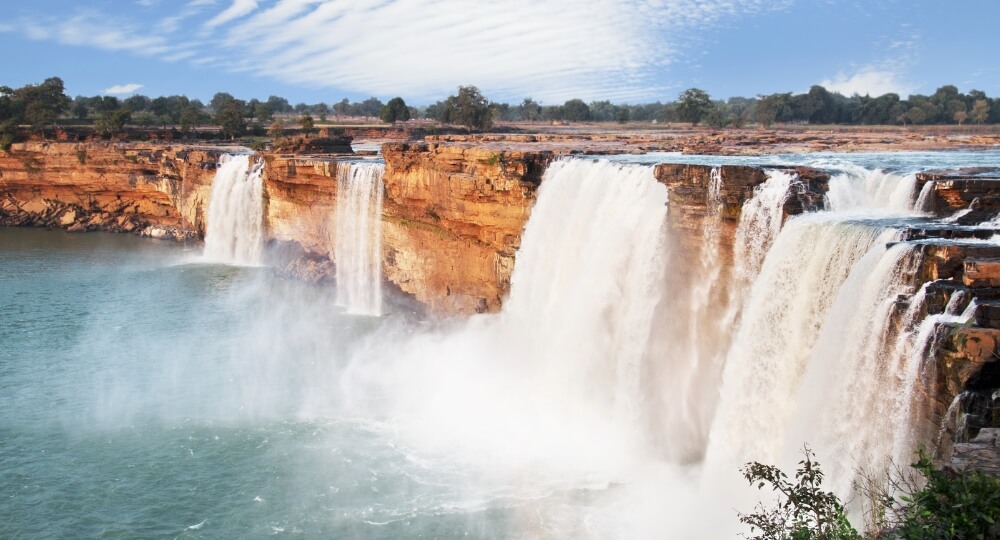
Chitrakote Falls
Widest Waterfall in India
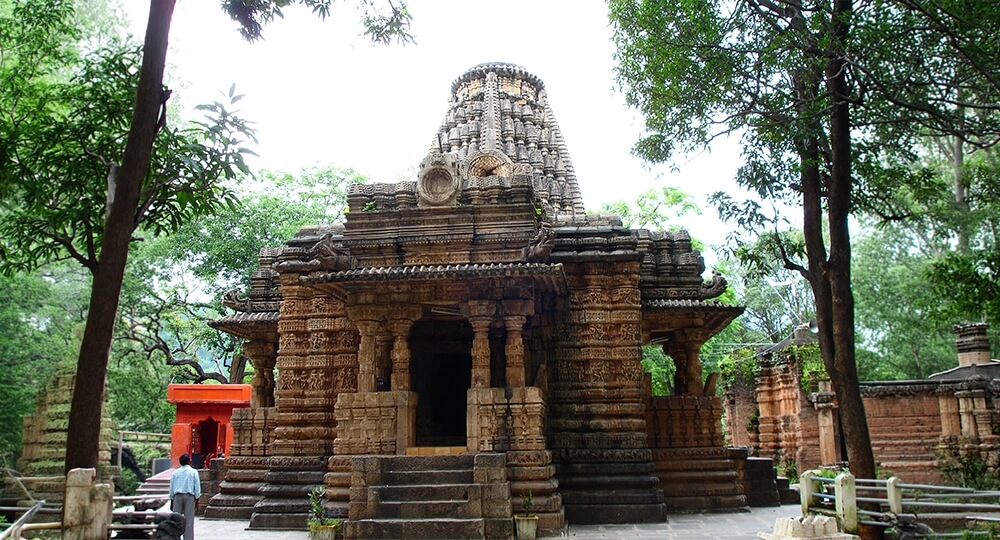
Bhoramdeo Temple
Historic Temple Complex
October - March
Best Season to Visit
Hindi, Chhattisgarhi, English
Languages Speaking
Essential Tips for Travelling to Chhattisgarh
ATMs

ATMs are limited in rural areas; carry cash.

Credit Cards

Banks are available mainly in towns and cities.

Bank

Card payments are not accepted in many small shops.

Drinking

The legal drinking age in Chhattisgarh is 21.

Safest

People are generally friendly, warm, and welcoming.

Chhattisgarh - Overview
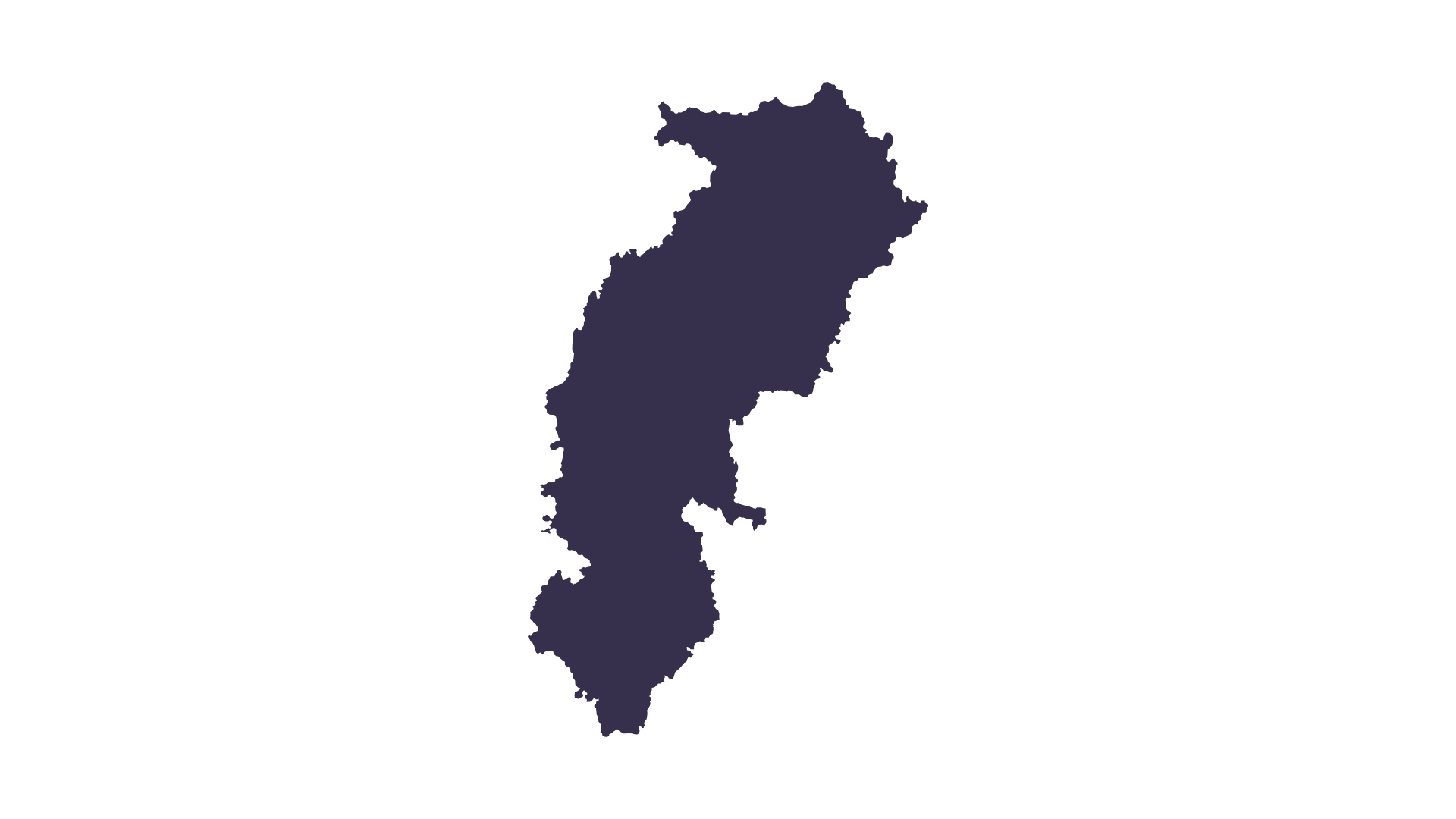
chhattisgarh map

By Purpose

tour package tourism

Couples

For Newlywed Vacations

tour packages business

Family

For Family Vacations

Top Attractions and Nearby Sights

Chitrakote Falls

Bhoramdeo Temple

Tirathgarh Waterfall

Barnawapara Wildlife Sanctuary

Kanger Valley National Park

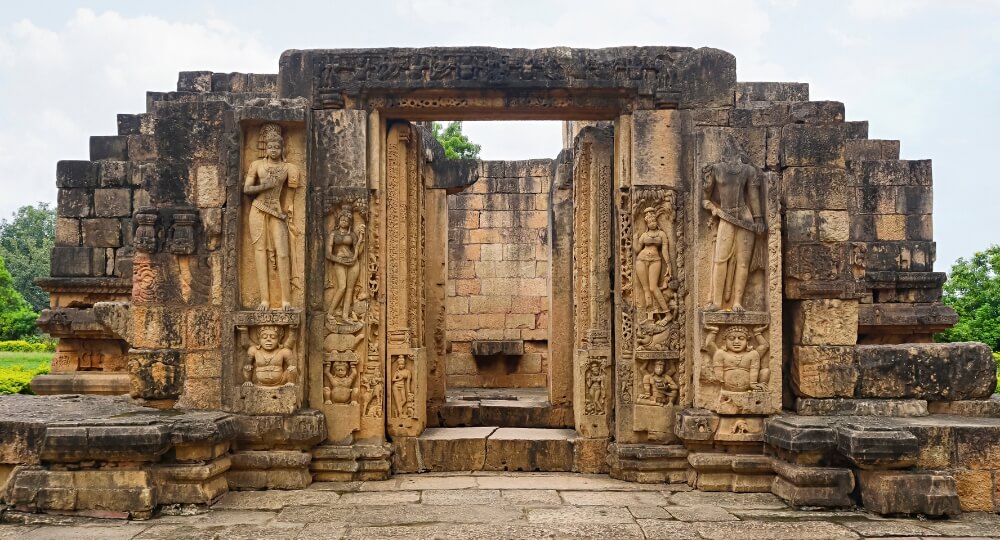
Sirpur Archaeological Site

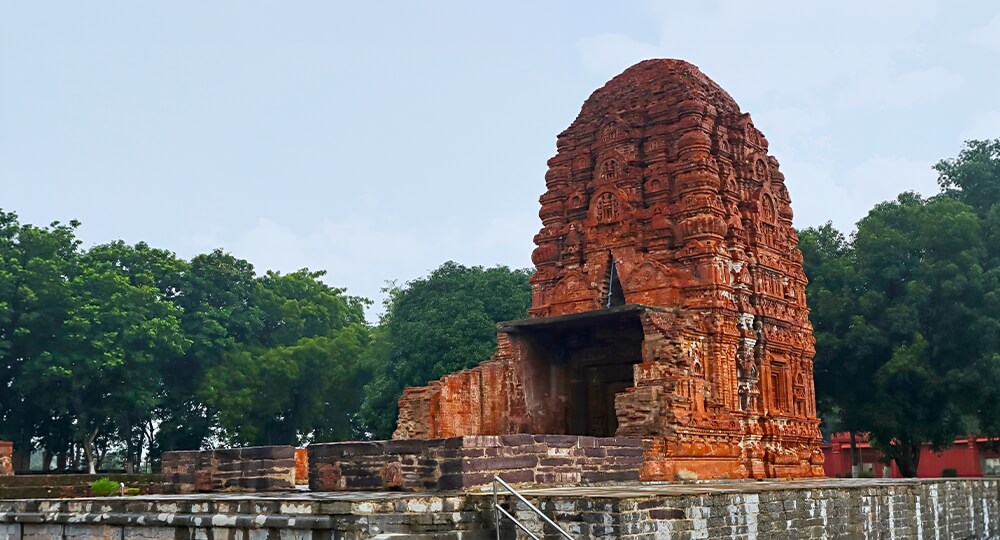
Rajiv Lochan Temple

Danteshwari Temple

Rajiv Lochan Temple

Bambleshwari Temple

Gadiya Mountain

Achanakmar Tiger Reserve

Everything You Need to Know About Chhattisgarh Tour Packages

Situated in the central part of India is a state that’s a delightful blend of mesmerising natural beauty and enthralling culture, and it’s the state of Chhattisgarh. Did you know that it’s the sole producer of tin ore in the country? This fact just adds to the abundance of natural resources that the state is already renowned for. Chhattisgarh is popularly known as the ‘Rice Bowl of India’ because of the extensive rice cultivation in the state, owing to the abundance of rainfall and its fertile plains. Brimming with interesting cities, Chhattisgarh is yet to be fully explored by tourists, and you can do so with our adventurous Chhattisgarh tour packages. Let’s do a deep dive into the art, history, culture, cuisine, shopping scene, and tourist attractions of the state so you can understand why you must plan a trip to Chhattisgarh immediately.

Table of Content:

About Chhattisgarh

History

The region of Chhattisgarh was conquered by the Marathas in 1758. During this period, Bimbaji Bhonsle was appointed as the ruler of Chhattisgarh. The region faced significant unrest in the early 19th century, particularly because of the Pindaris, who were irregular horsemen, including plunderers and mercenaries. In 1818, Chhattisgarh came under British control for the first time. Under colonial British rule, Chhattisgarh was made up of 14 feudatory princely kingdoms. Nagpur came under the direct rule of the British government in 1854. This is when Chhattisgarh was created into a deputy commissionership, and Raipur served as its headquarters. Chhattisgarh continued to remain a part of Madhya Pradesh till 2000. It was then carved out of Madhya Pradesh and was officially granted statehood in November 2000, making Chhattisgarh the 26th state of India.

Economy

Close to three-fourths of the farmland of Chhattisgarh is used for cultivation. The state is often known as the ‘rice bowl of India’ as it’s among the leading producers of rice in the country. The central lowland plain of Chhattisgarh is known to supply rice to numerous rice mills. Millets and maize are primarily cultivated in the highlands of the state. The primary commercial crops of the area include oilseeds and cotton. Poultry farming and livestock form significant parts of Chhattisgarh’s economy, and the livestock of the state includes pigs, sheep, goats, buffalo, and cows. Chhattisgarh contributes significantly to the mining industry of India through its multiple reserves, including those of coal, bauxite, limestone, iron ore, and dolomite. It’s the only state in the country that produces tin concentrates. Chhattisgarh is also known to have notable deposits of manganese ore, copper, and gold.

Tidbits

  • Chhattisgarh was a part of Madhya Pradesh till 2000.
  • The Chitrakote Falls are known as the ‘Niagara Falls of India’. It’s the largest waterfall in Chhattisgarh and the broadest waterfall in the country.
  • Chhattisgarh was granted statehood in November 2000, making it the 26th state of India.
  • The Bhoramdeo Temple in Chhattisgarh is called the ‘Khajuraho of Chhattisgarh’ due to the similar Nagara-style architecture and the erotic sculptures seen on its walls and pillars.
  • Chhattisgarh is known as the ‘rice bowl of India’ as it’s among the leading producers of rice in India.
  • The Danteshwari Temple in Chhattisgarh is one of the Shakti Peethas in India and is believed to be the place where Goddess Sati’s tooth had fallen.
  • Chhattisgarh is known to host the longest festival in the world, called Bastar Dussehra.
  • The Rajiv Lochan Temple was given the title of the ‘Triveni Sangam of Chhattisgarh’ since it’s situated at the confluence of the Mahanadi, Pairi, and Sondhur rivers.

Essential Tips To Know Before Travelling To Chhattisgarh

  • The primary airport in Chhattisgarh is the Swami Vivekananda International Airport (RPR).
  • Avoid street food and tap water due to health and hygiene-related concerns.
  • Stay away from unlicensed taxis and only opt for licensed taxi services.
  • In order to stay hydrated and energised, carry electrolyte powders or ORS, especially during the peak summer months.
  • Don’t roam around alone at night, especially in the remote regions and the forest zones.
  • Remember that some of the remote areas of the region could have poor network coverage.
  • In the remote areas, you may not come across too many ATMs or stores that accept credit cards or debit cards. Therefore, carry sufficient cash.
  • Pack comfortable shoes as you will need them to go sightseeing.
  • If you’re going out during the day, you will require sunglasses, hats, and sunscreen.
  • Little snack packs and water bottles will come in handy for road trips.
  • Since the winter evenings can be cold, make sure to pack light jackets and shawls.

Chhattisgarh At A Glance

Category Details
City Chhattisgarh
Currency The Indian Rupee (INR)
Capital City Raipur
High season October to March
State Flower Marigold
Standard Voltage 230 volts
State Animal The wild buffalo
Languages Official: Hindi; unofficial: Chhattisgarhi, Gondi, Korwa
Famous Tourist Attractions Barnawapara Wildlife Sanctuary, Chitrakote Falls, Kanger Valley National Park, Bhoramdeo Temple, Tirathgarh Waterfall, Rajiv Lochan Temple, Danteshwari Temple
Things To Do Bungee jumping, go-karting, boating, kayaking, trekking
Famous Food Aamat, muthia, bara, bhajia, tilgur, bafauri
Places To Visit Raipur, Jagdalpur, Bilaspur, Korba, Bhilai
Souvenirs To Buy Pieces of Dhokra art, traditional wooden carvings, bamboo products, paintings, jewellery, terracotta items

Top Reasons To Visit Chhattisgarh

Listed below are the top reasons to grab GT Holidays’ Chhattisgarh tour packages:

Lip-smacking Cuisine

Getting to taste the scrumptious cuisine of Chhattisgarh is definitely one of the most vital reasons to book our Chhattisgarh tour packages. The greenery of the state is where a lot of the ingredients are derived from, such as the forests and fields. While rice is the staple ingredient in the state’s food, some of the other elements that are common in Chhattisgarh’s dishes are millets, locally sourced vegetables, and lentils. During your trip, you will come across certain dishes in Chhattisgarh that are naturally vegan and gluten-free, thereby adapting to the modern eating habits of today’s people. Chhattisgarh is known to make the healthy versions of several delicious preparations. This includes bara, which is a unique version of South India’s vadas. If you’re looking to dig into something sweet, make sure to taste some tilgur or til ka laddoo.

Haven For Nature Lovers

Chhattisgarh is truly a haven for nature lovers, as every corner seems to reflect the diverse beauty of nature. Don’t miss out on visiting the numerous waterfalls in the state with GT Holidays’ Chhattisgarh tour packages. This includes the Chitrakote Falls, which is the largest waterfall in the state and the broadest waterfall in the country. It also proudly holds the tag of the ‘Niagara Falls of India’. If you have never seen a block-type waterfall, then witnessing the Tirathgarh Waterfall is an absolute must. The rich wildlife of Chhattisgarh adds to its natural beauty. Pay a visit to the Kanger Valley National Park, which houses 150 bird species, 500 species of plants, and 35 species of mammals. Kids and families will also enjoy exploring the Barnawapara Wildlife Sanctuary, which has 150 bird species along with creatures like jungle cats, barking deer, sambar deer, and wild dogs.

Places Of Spiritual Significance

Chhattisgarh is filled with renowned places of religious and spiritual significance that draw in devotees from around the world. One of the temples you must visit with our Chhattisgarh tour packages is the Bhoramdeo Temple, which has been given the title of the ‘Khajuraho of Chhattisgarh’ as it has erotic sculptures on its walls and pillars and similar Nagara-style architecture. Pay your respects at the Danteshwari Temple, which is one of the Shakti Peethas in India, and is said to be the place where Goddess Sati’s tooth had fallen. There is the Rajiv Lochan Temple with its unique Panchayatana style of architecture, whose presiding deity is Rajiv-Lochana, the four-armed form of Lord Vishnu.

Rich Culture

Chhattisgarh has a rich culture which shines bright in numerous ways, such as through the state’s festivals and handicrafts. An impressive array of handicrafts can be found in Chhattisgarh, created by the skilled artisans, thereby contributing to the economy of the state. This includes Dhokra art, which has been around for over 4,000 years and includes figurines that often take the form of village life, gods and goddesses, and tribal artists. One will come across traditional wooden carvings in Chhattisgarh’s Bastar region, practised by the Muria and Badai communities. Various types of wood are used by the artisans to create products like idols of deities, masks, candle holders, and doors. The artisans and craftspeople of Chhattisgarh also make bamboo products, terracotta items, traditional jewellery, and wall paintings.

When it comes to festivals, Chhattisgarh doesn’t believe in holding back, as every festival is celebrated with grandeur and glory. There is Bastar Dussehra, which is the longest festival in the world and is celebrated for a total of 75 days. The reason this is unique is that it’s dedicated to Goddess Danteshwari Devi. There is the beloved harvest festival known as Hareli, which is especially important among the Gond community. You can also witness other intriguing festivals with our Chhattisgarh tour packages, such as the Bhoramdeo Festival, Madai Festival, Pola, and the Goncha Festival.

Best Time To Visit Chhattisgarh

Chhattisgarh is known to have a tropical climate. The heat and humidity experienced in the state is owing to its proximity to the Tropic of Cancer. Rainfall occurs in Chhattisgarh due to the south-west monsoon winds. Let’s take a look at what each season in Chhattisgarh brings about so you can accordingly decide when to book our Chhattisgarh tour packages:

Chhattisgarh In Summer (March To June)

During the summer season, the temperature in Chhattisgarh oscillates between 25 degrees Celsius to 45 degrees Celsius. The heat and humidity make it difficult to go sightseeing during this period, which is why there are fewer crowds around at this time. Tourists can visit the forests of the state to see the animals gathering at the watering holes. If you book GT Holidays’ Chhattisgarh tour packages for this season, you could get some discounts on flights and accommodation. Some of the festivals celebrated in Chhattisgarh during this time are Baisakhi, Bhoramdeo Mahotsav, and Ramgarh Mahotsav.

Chhattisgarh In Monsoon (July To September)

The range of temperature to expect during the monsoon season in Chhattisgarh is between 25 degrees Celsius and 35 degrees Celsius. The state transforms into a lush green paradise, making it the perfect time to visit the waterfalls and forests with our Chhattisgarh tour packages. Chhattisgarh experiences heavy to moderate rainfall during the monsoon months, with about 50 inches of rainfall annually. However, the rain can make it difficult to access some of the forests and hilly areas. Certain regions could have poor network coverage, so make your travel plans accordingly. Make sure to pack the necessary rain gear, umbrellas, rain boots, and insect repellent. The festivals celebrated in Chhattisgarh during this period include Teeja and Pola.

Chhattisgarh In Winter (October To February)

During the winter season, the higher range of temperature in Chhattisgarh is about 25 degrees Celsius, whereas the lower range of temperature is approximately 10 degrees Celsius. On certain days, it can even go as low as 0 or 5 degrees Celsius. Winter is considered the best time to visit Chhattisgarh. The pleasant climate allows tourists to go on outdoor adventures, such as exploring the waterfalls, rivers, caves, hills, and so on. Due to the varied topography of the state, different regions experience different temperatures. For example, the forested areas and regions of higher altitude could experience lower temperatures compared to the urban areas. The festivals you could witness during the winter months with our Chhattisgarh tour packages include the Madai Festival, Dussehra, and Cherchera.

Top Cities to Visit In Chhattisgarh

Raipur

Raipur is the capital city of Chhattisgarh. It was one of the main capitals of the Kalachuri or Haihaya dynasty. The city has been in existence since the 9th century and is home to numerous notable temples, of which one is the Shri Mahamaya Devi Mandir. Dedicated to Goddess Mahamaya, it’s said to have been built on a site that hosted an older temple. Raipur has several lakes, including the Swami Vivekananda Sarovar or Budha Talab, which is one of the oldest water bodies in the city. Located near the lake is a temple dedicated to Lord Rama, known as the Dudhadhari Temple. Some of the other prominent tourist attractions to visit in Raipur with our Chhattisgarh tour packages include the Nandanvan Zoo, Kankali Talab, Mahant Ghasidas Memorial Museum, and Urja Park.

Jagdalpur

Jagdalpur is a city located in the Bastar district of Chhattisgarh. It also serves as the district and divisional headquarters of Bastar. Perched at an elevation of approximately 1,820 feet, the city is engulfed by dense forests. It was the capital of the former princely state of Bastar and was the royal seat of the Kakatiya rulers, who had established the Bastar kingdom. Some of the spots to visit in Jagdalpur with our Chhattisgarh tour packages include the Chitrakote Waterfalls, Kanger Valley National Park, Anthropological Museum, Danteshwari Temple, Bastar Palace, and Sri Venkateshwara Swami Temple.

Bilaspur

The city of Bilaspur serves as a significant business hub and commercial centre for the northeastern region of Chhattisgarh. It also plays a major role in the infrastructure of the Indian Railways as it’s the headquarters for the South East Central Railway Zone (SECR), which is integral for freight and passenger transportation in Central India. When you explore the city with our Chhattisgarh tour packages, make sure to visit the Kanan Pendari Zoo, Pataleshwar Temple, and Kutaghat Dam.

Korba

Korba is a city located in the Bilaspur division of Chhattisgarh. It serves as the administrative headquarters for the Korba district of the state. Korba is known as the ‘power capital of Chhattisgarh’ because of the crucial coal reserves it’s home to, along with the multiple thermal power plants, such as NTPC and BALCO. When you explore Korba with our Chhattisgarh tour packages, make sure to visit the Chaiturgarh Fort, Madwarani Mandir, Kendai Waterfall, Sarvamangala Temple, and Bango Dam.

Bhilai

Bhilai is a primary industrial centre located in Chhattisgarh. It’s known as the ‘Steel City’ because of the presence of the Bhilai Steel Plant (BSP). The BSP has been awarded the Prime Minister’s Trophy for being the Best Integrated Steel Plant in India 11 times to date. Located approximately 25 km west of Raipur, the city of Bhilai has numerous places you can visit with GT Holidays’ Chhattisgarh tour packages. This includes the Jagannath Mandir, Maitri Bagh, and Tandula Dam.

Top Things To Do In Chhattisgarh

Here are some of the many tourist attractions to explore with our Chhattisgarh tour packages and the activities to participate in during your trip:

Things To Do As A Family

Barnawapara Wildlife Sanctuary

The Barnawapara Wildlife Sanctuary is situated in the Mahasamund district of Chhattisgarh. Sprawled over an area of 245 sq km, it was established in 1976 under the Wildlife Protection Act of 1972. The wildlife sanctuary houses more than 150 species of birds, including migratory birds. Some of the various kinds of animals you will encounter at this location are the nilgai, sambar deer, chital, jungle cats, wild dogs, and barking deer.

Chitrakote Falls

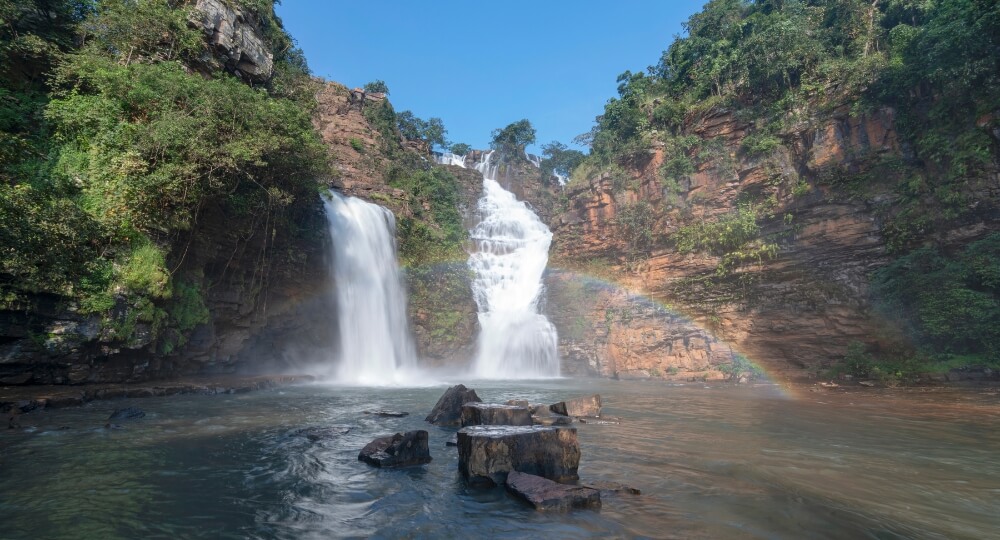
The Chitrakote Falls are located about 38 km from the city of Jagdalpur in the Bastar district of Chhattisgarh. Perched 30 metres high, it’s 300 metres wide and has earned the title of the ‘Niagara Falls of India’. It’s the largest waterfall in Chhattisgarh and the broadest waterfall in the country. The dense forests that engulf the Chitrakote Falls add to its picturesque beauty.

Kanger Valley National Park

The Kanger Valley National Park in Chhattisgarh is situated approximately 24 km southeast of Jagdalpur in the Bastar region. Spread over an area of 200 sq km, it was given the status of a national park in 1982. The location is home to more than 500 plant species, 35 species of mammals, and 150 species of birds. Tourists will come across several rare and endangered species at the Kanger Valley National Park, along with other kinds of wildlife, such as leopards, tigers, wild cats, barking deer, striped hyenas, wolves, and sloth bears.

Bhoramdeo Temple

The Bhoramdeo Temple in Chhattisgarh is located in the state’s Kabirdham district. It’s called the ‘Khajuraho of Chhattisgarh’ due to the similar Nagara-style architecture and the erotic sculptures seen on its walls and pillars. The temple is dedicated to Lord Shiva, and its construction is believed to have been completed during the 11th century. The structure sits on a five-foot-high platform and was built mainly from sandstone.

Tirathgarh Waterfall

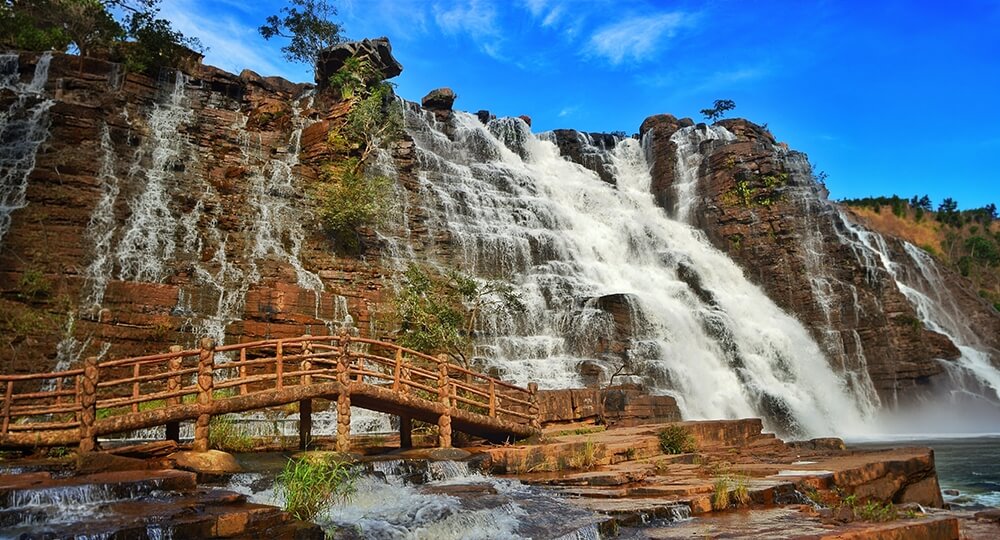
Nestled within the Kanger National Park is the Tirathgarh Waterfall. It’s a block-type waterfall, which means that it cascades over stepped rocks in a way such that it creates a block-like effect, giving it an illusion of a curtain of water. Also spelled as the Teerathgarh Falls, this waterfall plunges about 300 feet in one drop. On a large rock located right opposite the waterfall is a small temple dedicated to Lord Shiva and Goddess Parvati.

Rajiv Lochan Temple

The Rajiv Lochan Temple is located in the town of Rajim in Chhattisgarh. The four-armed form of Lord Vishnu, known as Rajiv-Lochana, is the presiding deity at this temple. The roots of the temple can be traced back to the 8th century CE. It features the Panchayatana style of architecture, which includes a central shrine and four subsidiary shrines located at four different corners. These subsidiary shrines are dedicated to Narasimha, Vaman, Varaha, and Badrinath. The temple was given the title of the ‘Triveni Sangam of Chhattisgarh’ since it’s situated at the confluence of the Mahanadi, Pairi, and Sondhur rivers.

Danteshwari Temple

The Danteshwari Temple in Chhattisgarh is located in the Dantewada district in the Bastar region of the state. It’s dedicated to Goddess Danteshwari, who is the presiding deity of the Bastar region and the Kakatiya dynasty. The temple is one of the Shakti Peethas in India, which means that it’s one of the locations where parts of Goddess Sati had fallen. This is specifically the location where the goddess’ tooth fell, which is where the temple derives its name from, since ‘daant’ means ‘tooth’. It’s nestled right at the confluence of the sacred rivers Shankhini and Dankini.

Things To Do For Adventure Lovers

  • Bungee jumping in Jagdalpur
  • Go-karting in Raipur
  • Trekking with the Pragyagiri Dongargarh trek and Kachna Pond trek
  • Boating and kayaking at the bottom of Chitrakote Falls

Shopping In Chhattisgarh

The eclectic handicrafts of Chhattisgarh create some very interesting souvenirs for travellers to take back home from their trip. The following are the best things to buy from Chhattisgarh, and some of the places to shop from:

What To Buy

Pieces Of Dhokra Art Or Bell Metal Craft

Dhokra art, or the bell metal craft in Chhattisgarh, is an ancient metal casting technique which has been practised by several tribal communities in the country for more than 4,000 years. The figurines made using this craft form often feature tribal dancers, gods and goddesses, and village life. You will also find jewellery made from this technique.

Traditional Wooden Carvings

The traditional wooden carvings available in Chhattisgarh are also called Bastar woodcraft. This ancient tribal art form originated from the Bastar region of the state and is practised by the Muria and Badai communities. The skilled craftsmen of Chhattisgarh make use of different kinds of wood to create these products, such as teak, sheesham, dudhi, kikar, and sal. You can see these wooden carvings on ceilings, doors, panels, and so on. Some of the wooden items to buy during your trip with our Chhattisgarh tour packages are masks, pipe holders, candle holders, and idols of deities.

Bamboo Products

The tribal communities of Chhattisgarh create some of the most intricate bamboo-based products. The abundance of bamboo helps these craftspeople produce bamboo products that are useful in daily life and also serve as souvenirs for tourists to buy. Some of the diverse and environmentally friendly bamboo products to buy from Chhattisgarh include baskets, wall hangings, furniture, hunting tools, fishing traps, and knives.

Paintings

Art lovers will love to explore the gorgeous wall paintings that Chhattisgarh is home to. Pithora paintings and Muria paintings are some of the most popular kinds of paintings visible in the state. Pithora paintings are a ritualistic art form created primarily by the Bhil, Rathwa, and Bhilala tribes. These paintings are usually done on auspicious occasions, such as weddings, childbirth, and so on. The vibrant paintings, made from natural dyes, can be purchased during your trip with GT Holidays’ Chhattisgarh tour packages.

Jewellery

The tribal people of Chhattisgarh are known to wear jewellery, both men and women. On one hand are jewellery pieces made from silver, bronze, gold, and mixed metals, and on the other hand are pieces made from unique elements, such as feathers, bones, wood, and seeds. Some of the different kinds of traditional jewellery to buy from the state are earrings, necklaces, armlets, bracelets, and anklets.

Terracotta Items

The distinctive terracotta items that Chhattisgarh is known for originate primarily from the state’s Bastar region. Terracotta pottery is the most popular in this category, but there are also other items made from terracotta that you can buy from Chhattisgarh. This includes home décor pieces, small figurines, diyas or oil lamps, masks, and sculptures.

Where To Shop

  • Sadar Bazaar: For jewellery, snacks, handicrafts.
  • Pandri Market: For clothes, shoes, fabrics.
  • Gol Bazaar: For handicrafts, electronics, snacks.
  • City Mall 36: For fashion items, food, electronics.

Things To Remember When Shopping In Chhattisgarh

  • Bargaining is common as you shop. Just remember to be respectful as you negotiate and quote a price point till you reach common ground.
  • Ask for an authentication certificate while buying the handicrafts of Chhattisgarh.
  • While buying objects such as paintings and terracotta items, ask the people at the store if they can ship it to your place of residence.

Dos and Don’ts For Indian Travellers

  • Take off your shoes before entering someone’s home.
  • Dress modestly while visiting spiritual or religious places. Cover yourself up properly and remember to carry a scarf or shawl.
  • Always ask for permission before clicking someone’s photograph, especially that of a woman.
  • Take off your shoes before entering a temple and any other holy place.
  • When you’re on a wildlife safari, remember not to make loud noises, stay within your jeep, and don’t feed the animals.
  • Although the tribal communities are warm and welcoming, it’s important to always respect their cultural integrity and privacy.
  • When you visit a national park or any place that contains wildlife, make sure to stay quiet and observe the animals from afar.
  • Don’t stray away from the designated trails.
  • Use recyclable items whenever possible and limit the use of plastic.
  • Don’t pluck flowers or disturb the vegetation or natural setting in any manner.
  • Don’t litter and make sure to keep the surroundings clean. If there is anything you need to throw away, do so only when you spot a garbage bin.

Foods To Try Out In Chhattisgarh

The cuisine of Chhattisgarh goes so much beyond nourishment and enjoyment. The food of the state reflects the power of nature, community, and age-old culinary traditions. Using a mix of royal flavours and tribal heritage, a lot of the ingredients used in the food of Chhattisgarh are derived from forests and fields. Some of the most popular elements used in the state’s food include rice, millets, locally grown vegetables, and lentils. By utilising simple culinary methods, the people of Chhattisgarh employ uncomplicated techniques, including fermenting, steaming, and slow cooking. Let’s take a look at some of the delicious dishes you must try out during your trip with GT Holidays’ Chhattisgarh tour packages:

Aamat

Aamat is often thought of as Chhattisgarh’s version of sambhar. It’s a curry consisting of mixed vegetables, with bamboo shoots being one of the most distinctive elements in the dish. Some of the other vegetables that go into making aamat are wild mushrooms, eggplants, beans, potatoes, and drumsticks. Tamarind is added to give the curry a tangy taste, and the other spices used in the dish include coriander, cumin, turmeric, and mustard seeds.

Muthia

Muthia refers to healthy and steamed dumplings that are made using either rice flour or gram flour. The ingredients that go into making muthia include spinach, fenugreek, bottle gourd, and spices such as coriander, cumin, turmeric, and chillies. It’s often served during the winter season as breakfast, particularly in the rural regions of Chhattisgarh. Muthias are usually garnished with sesame seeds and coriander leaves. The dish is named so since it’s shaped using the hand, and the term ‘mutthi’ translates to ‘fist’.

Bara

Bara is a unique variation of the beloved snack called vada, which is extremely popular in the southern part of India. Made using a batter of urad dal or black gram, some of the ingredients added to the fermented lentil mixture are onions, green chillies, fresh coriander, and ginger. Minimal oil is used, which makes baras a healthy alternative to the usual version of these snacks.

Bhajia

Bhajia can be thought of as Chhattisgarh’s own twist to the bhajji that is available in South India. It’s prepared using gram flour and is an extremely popular snack in the state. There are various forms of bhajia available in Chhattisgarh, such as onion bhajia, aloo bhajia, and mirchi bhajia. Make sure to enjoy a plate of bhajias with a delicious cup of tea.

Tilgur

When you’re in the mood for something sweet in Chhattisgarh, go for tilgur, which is also known as til ka laddoo. The ’til’ refers to roasted sesame seeds, which are mixed with peanuts and jaggery to make this well-loved delicacy. It’s often made during festivals and special occasions, especially during the festival of Makar Sankranti.

Bafauri

Bafauri is one of the many popular snacks you will get to have during your trip with GT Holidays’ Chhattisgarh tour packages. If you love fritters with your evening tea, then this is a healthier alternative as very little oil is used to make bafauri. Made using chana dal flour, various vegetables and spices are added to the mix to make this lip-smacking snack. Once the batter is made into balls, they are then steamed. It’s usually served along with coriander and pudina chutney or tomato sauce.

Art And Culture In Chhattisgarh

Handicrafts

Dhokra art, or the bell metal craft in Chhattisgarh, is a traditional metal casting craft of the state. It’s practised primarily by the tribal artisans in Chhattisgarh, West Bengal, Madhya Pradesh, and Odisha. Having been in existence for over 4,000 years, the figurines made using this art form feature deities, tribal artists, and village life.

The Bastar region of Chhattisgarh is known to produce traditional wooden carvings, which are also known as Bastar woodcraft. The skilled artisans who practise this art form belong to the Muria and Badai communities. Known to have originated from the Bastar region of Chhattisgarh, various kinds of wood are used to make these products, including sal, kikar, dudhi, sheesham, and teak.

Chhattisgarh is often known as the ‘bamboo state of India’ due to the vast presence of bamboo forests and the rich tradition of bamboo crafts that contribute to both the economy and culture of the state. The eclectic and eco-friendly bamboo products created by the tribal artisans of Chhattisgarh contribute to numerous fields, such as fishing, construction, and so on. A wide variety of bamboo items are available as souvenirs for you to purchase, including fishing traps, hunting tools, wall hangings, agricultural products, and baskets.

Originating from the Bastar region of the state is the art of terracotta pottery. The word ‘terracotta’ translates to ‘baked earth’, and these products are made from natural clay. Terracotta pottery represents the rituals, customs, and emotions of tribal life in Chhattisgarh. In addition to their affordability and durability, the element that distinguishes terracotta products is the attractive reddish-brown hue. Apart from pottery, the other terracotta items created by the artisans are masks, oil lamps, animal figurines, sculptures, and home décor pieces.

The wall paintings of Chhattisgarh, such as the Pithora paintings and Muria paintings, add to the beauty of the state’s numerous art forms. The jewellery worn by the men and women of Chhattisgarh is not just ornaments that adorn their bodies. Instead, they stand as a symbol of social status, identity, and community. While common materials, such as gold, silver, and bronze, make an appearance in the state’s traditional jewellery, there are other interesting and locally available materials used as well. This includes seeds, wood, bones, and feathers.

Festivals

The rich cultural heritage of Chhattisgarh is also visible through the many diverse festivals celebrated in the state throughout the year, and you can experience them with our Chhattisgarh tour packages. The Bastar Dussehra in Chhattisgarh is said to be the longest festival in the world as it’s celebrated for 75 days. Dedicated to local deities like the revered Goddess Danteshwari Devi, the festival showcases fun tribal traditions, such as the chariot or rath procession. Hareli is a popular harvest festival which is particularly significant among farmers and the Gond community of Chhattisgarh. It marks the beginning of the monsoon and the onset of the agricultural season. Some of the other festivals celebrated in Chhattisgarh include the Goncha Festival, Pola, Madai Festival, and the Bhoramdeo Festival.

Travel Tips

visa_information_icon

Visa Information

Check visa requirements before traveling, ensuring a smooth entry and compliance with destination regulations.

health and safety tips icon

Health and Safety Tips

Prioritize health, stay hydrated, follow safety guidelines, and maintain personal hygiene for a secure journey.

currency and tipping icon

Currency and Tipping

Familiarize with local currency, consider customary tipping practices for respectful and seamless travel experiences.

Share Your Ideal Tour: Let Us Customize!

FAQs:

What is Chhattisgarh famous for?
Chhattisgarh is famous for many things, including renowned temples, majestic waterfalls, delicious cuisine, rich wildlife, tribal culture and handicrafts, and an abundance of natural resources.
What is the significance of the number 36 in Chhattisgarh?
The reason the number 36 is important in relation to Chhattisgarh is that the state’s name translates to the ‘land of 36 forts’, where ‘chhattis’ means ‘36’ and ‘garh’ means ‘fort’.
What is Chhattisgarh famously known as?
Chhattisgarh is famously known as the ‘Rice Bowl of India’.
Which city in Chhattisgarh is known as Mini India?
The city known as ‘Mini India’ in Chhattisgarh is Bhilai.
What is the old name of Chhattisgarh?
The old name for the region that we now know as Chhattisgarh was Dakshin Kosala.
Which mineral is Chhattisgarh famous for?
Chhattisgarh is famous for producing many minerals, such as coal and iron bauxite, and it’s also the only producer of tin ore in India.
Which is the coldest month in Chhattisgarh?
The coldest month in Chhattisgarh is usually January.
How many days are sufficient for a trip to Chhattisgarh?
We recommend you set aside at least five to seven days for a trip to Chhattisgarh.
Which is the smallest district in Chhattisgarh?
The smallest district in Chhattisgarh by area is Gaurella-Pendra-Marwahi (GPM).
Which place is known as the ‘Kashmir of Chhattisgarh’?
The region of Bastar is known as the ‘Kashmir of Chhattisgarh’.

Book Your Dream Vacay Today!

=
×

Enquire Now

=