3

Tour Packages

Jodhpur Tour Packages

Blue City

SUPER DEAL PRICE

STARTS FROM

per person on twin sharing
Time Zone:
Second largest city in Rajasthan: Jodhpur
South India’s No.1 Travel Brand
Mehrangarh Fort
One of the largest forts
October - March
Best Time to Visit Jodhpur
Umaid Bhawan Palace
One of the largest private residences
Hindi, Marwari
Languages Speaking
Essential Tips for Travelling to Jodhpur
ATMs

ATMs are easily accessible in most areas.

Credit Cards

Credit cards are widely accepted at major places.

Bank

Finding banks in Jodhpur is quite easy.

Drinking

The legal drinking age in Jodhpur is 18.

Safest

Residents are known for their warm hospitality.

Jodhpur - Overview

jodhpur map

By Purpose

tour package tourism

Couples

For Newlywed Vacations

tour packages business

Family

For Family Vacations

Top Attractions and Nearby Sights

Clock Tower

Kaylana Lake

Bishnoi Village

Mehrangarh Fort

Toorji Ka Jhalra

Balsamand Lake

Mandore Gardens

Masuriya Hill Garden

Umaid Bhawan Palace

Rao Jodha Desert Rock Park

Machia Biological Park

Jaswant Thada

Everything You Need to Know About Jodhpur

Imagine a city painted in varying shades of blue, adding to its endless charm and charisma. We are, of course, referring to the city of Jodhpur, also known as the ‘Blue City’ and one of the many gems of the state of Rajasthan. If you’re looking for a destination that is an ideal mixture of mouthwatering cuisine, bustling bazaars, intriguing art and history, and alluring architecture, you must explore our Jodhpur tour packages.

Let’s do a deep dive into the art, history, culture, food, shopping scene, and tourist attractions of Jodhpur so you can understand why you need to plan a visit to the city right away.

About Jodhpur

Jodhpur was founded in 1459 by Rao Jodha, who was a Rajput chief of the Rathore clan. It was the capital of the princely state of Jodhpur, which was known as the Kingdom of Marwar in its time. Under the reign of Rao Maldeo Rathore, the princely state flourished and reached its pinnacle of glory. After the death of Rao Maldeo, Jodhpur was eventually invaded by the Mughals. Following the demise of Maharaja Jaswant Singh, who was the Rathore ruler of the Kingdom of Marwar, the Mughal emperor Aurangzeb invaded the Marwar region. Jodhpur came under British control in 1818 as a result of a treaty with the British East India Company. During the British Raj, the princely state of Jodhpur was the largest of its kind in the Rajputana Agency. Jodhpur eventually became a part of the state of Rajasthan in 1949, along with Jaipur, Bikaner, and Jaisalmer.

Tidbits About Jodhpur

  • Jodhpur is also known as the ‘Blue City’.
  • The Mehrangarh Fort in Jodhpur is one of the largest forts in the country.
  • Jodhpur is the second-largest city in Rajasthan.
  • The Umaid Bhawan Palace in Jodhpur is one of the largest private residences in the world.
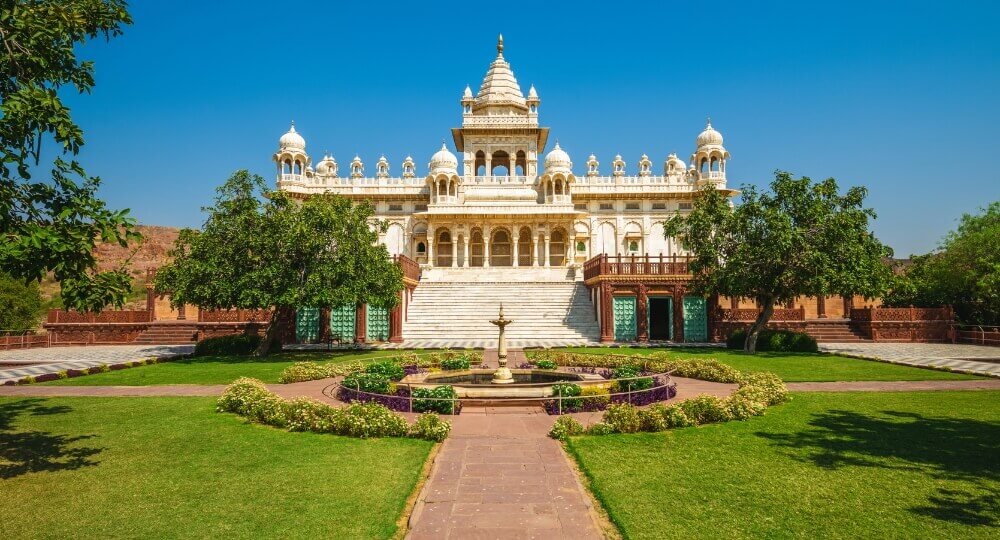
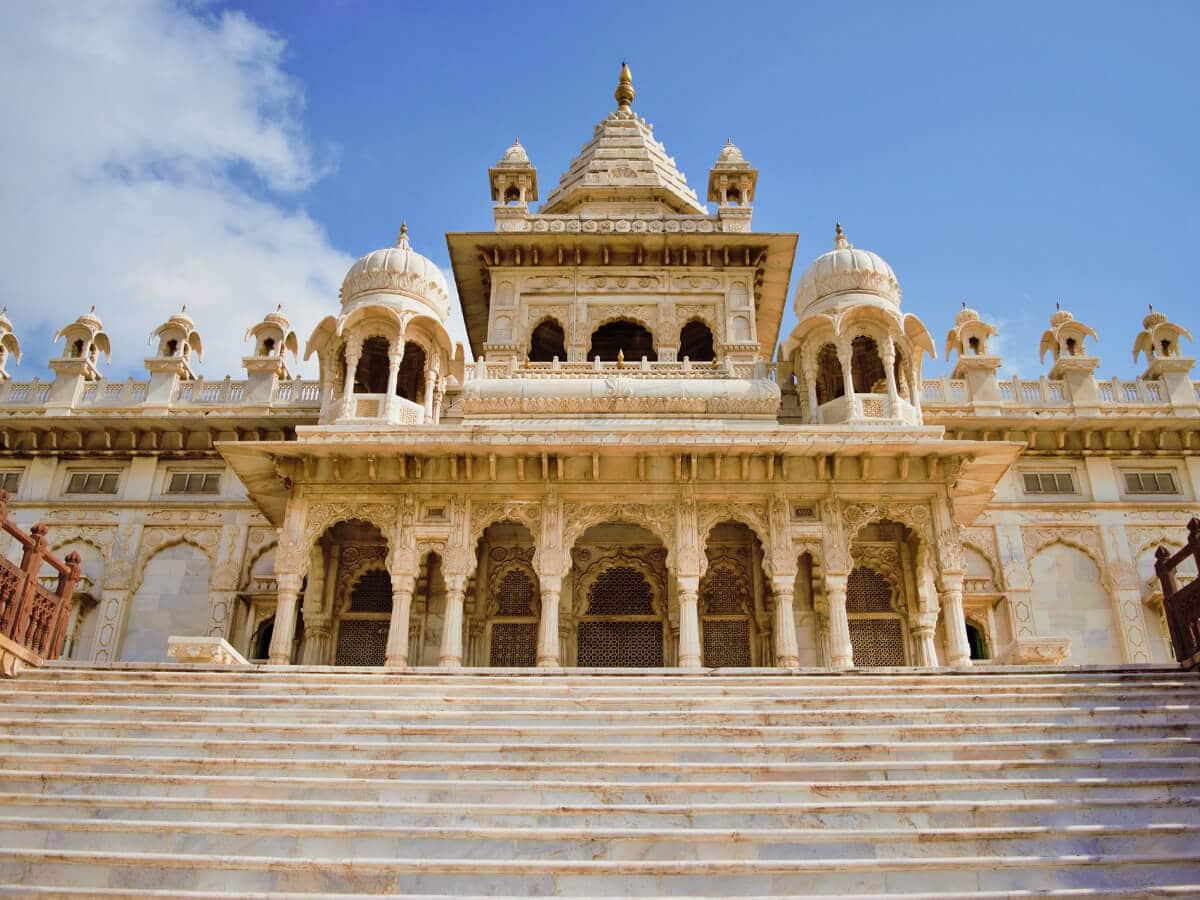
  • Jodhpur’s Jaswant Thada is a cenotaph that has been given the title of the ‘Taj Mahal of Marwar’.
  • The clock from Jodhpur’s Clock Tower was imported from the UK and is said to have been bought from the same company that created London’s Clock Tower.
  • Jodhpur was founded by Rao Jodha, a Rajput chief of the Rathore clan, in the year 1459.
  • Various kmovies have been shot in Jodhpur, including The Dark Knight Rises, Jodhaa Akbar, and Hum Saath Saath Hain.

Call us at +91 9940882200 to learn more about our Jodhpur tour packages.

Essential Tips To Know Before Travelling To Jodhpur

  • Jodhpur Airport (JDH) is the main airport in the city of Jodhpur.
  • Autorickshaws are some of the most convenient public modes of transport in the city.
  • Don’t travel around with too much cash or expensive items. Keep them safe in the locker of your hotel room.
  • Always carry bottled water.
  • Take some of the tragic stories told by locals with a pinch of salt – some of them could be conning you for money.
  • Beware of pickpocketing in markets and crowded tourist sites.
  • If you’re a solo female traveller, avoid travelling after dark.
  • To prevent yourself from getting dehydrated, always carry bottled water when you go out.
  • If you’re planning to hail a cab or taxi, either go for registered taxi cabs or ride-hailing apps such as Ola and Uber.
  • The rural areas of the region may not always have ATMs. Hence, carry sufficient cash whenever you’re out shopping or sightseeing.
  • If you travel to Jodhpur during the summer season, make sure to carry sunglasses, sunscreen, hats, and light and breathable clothes. Make sure to pack comfortable walking shoes.

Jodhpur At A Glance

Category Details
City Jodhpur
Currency The Indian Rupee (INR)
High Season October to March
State Flower of Rajasthan Rohida
Standard Voltage 230 Volts
State Animal of Rajasthan Chinkara
Languages Official: Hindi ; Unofficial: Marwari
Famous Tourist Attractions Mehrangarh Fort, Umaid Bhawan Palace, Jaswant Thada, Mandore Gardens, Rao Jodha Desert Rock Park, Clock Tower, Toorji Ka Jhalra, Kaylana Lake
Things To Do Ziplining, camel safari, jeep safari, hiking
Famous Food Dal baati churma, laal maas, mirchi vada, pyaaz kachori, makhaniya lassi, ghevar
Best Getaways From Jodhpur Pushkar, Jaisalmer, Bikaner, Jaipur
Souvenirs To Buy Jewellery, pottery, miniature paintings, textiles, mojris

Top Reasons To Visit Jodhpur

Here are some of the top reasons to book our Jodhpur tour packages:

Delicious Cuisine

Tasting the cuisine of Rajasthan is undoubtedly one of the best reasons to book our Jodhpur tour packages. While on one hand are vegetarian delights like dal baati churma, on the other hand are non-vegetarian delicacies like laal maas that are popular throughout the globe. You must also try out several street-side snacks that are beloved by both travellers and locals, including mirchi vadas and pyaaz kachoris.

Vibrant Markets

Whether it’s the popular Clock Tower Market or the Umaid Bhawan Palace Market, Jodhpur is home to an impressive variety of markets from which to shop. These bazaars are filled with items and souvenirs that not only make perfect gifts for yourself, but also for your loved ones. The hard work of local artisans is well-reflected in these souvenirs, as evident in the pieces of pottery, intricate miniature paintings, and traditional Rajasthani jewellery.

Historical Monuments

The deep-rooted history of Jodhpur is evident in the historical monuments that add value to the city’s interesting architecture. For example, there is the Mehrangarh Fort, which was built by Rao Jodha, the founder of Jodhpur, and is one of the largest forts in the country. There is also the renowned Umaid Bhawan Palace, which is the place of residence for Jodhpur’s royal family. One must also witness the beauty of the Jaswant Thada, a white marble monument that has been given the tag of the ‘Taj Mahal of Marwar’.

Rich Culture

The rich cultural diversity of Jodhpur is visible in numerous ways. This includes its delectable cuisine, unique handicrafts, and so on. For instance, the culture of Rajasthan is celebrated proudly through the numerous festivals that take place throughout the state throughout the year. This includes the festivals of Teej, Diwali, Marwar, and others. The traditional Rajasthani folk dances also add spice to the region’s flavorful cultural concoction. Certain examples of popular folk dances to witness in the state with our Jodhpur tour packages are ghoomar and kalbelia.

Best Time To Visit Jodhpur

Let’s take a look at what each season in Jodhpur is like so you can accordingly decide when to book our Jodhpur tour packages:

Summer (April To June)

During the summer season, the temperature range in Jodhpur oscillates between 25 degrees Celsius and 45 degrees Celsius. The soaring temperature is one of the reasons why this is the off-season. Therefore, if you’re hoping for fewer crowds and more affordable accommodations, this is the ideal time to book GT Holidays’ Jodhpur tour packages. Make sure to pack light and cotton clothes, sunscreen, and comfortable footwear. Always stay hydrated during this season by carrying a bottle of water everywhere you go. Jodhpur Flamenco and Gypsy Festival are two events that are usually celebrated in the city at this time.

Monsoon (July to September)

The range of temperatures you can expect during the monsoon season in Jodhpur is between 28 degrees Celsius and 35 degrees Celsius. If you book our Jodhpur tour packages for this period, you can expect fewer crowds and shorter queues at the popular tourist spots. The city’s romantic atmosphere blossoms at this time, especially because of the lush greenery. This could be a reason for travellers to visit during the monsoon days, as this is otherwise the shoulder season. Some of the festivals celebrated in Jodhpur during the monsoon season are Rakhi and Teej.

Winter (October To March)

During the winter months, the temperature can go as low as 7 degrees Celsius at night, and can be as high as 30 degrees Celsius during the day. This is the peak tourist season and the ideal time to go sightseeing and explore all the famous monuments and outdoor attractions with our Jodhpur tour packages. The festivals celebrated in Jodhpur during the winter period include the Marwar Festival, Rajasthan International Folk Festival (RIFF), and Diwali.

Top Tourist Attractions Included In Your Jodhpur Tour Packages

When you book GT Holidays’ Jodhpur tour packages, there are multiple tourist attractions to visit and outdoor adventures to partake in, and they are as follows:

Things To Do As A Family

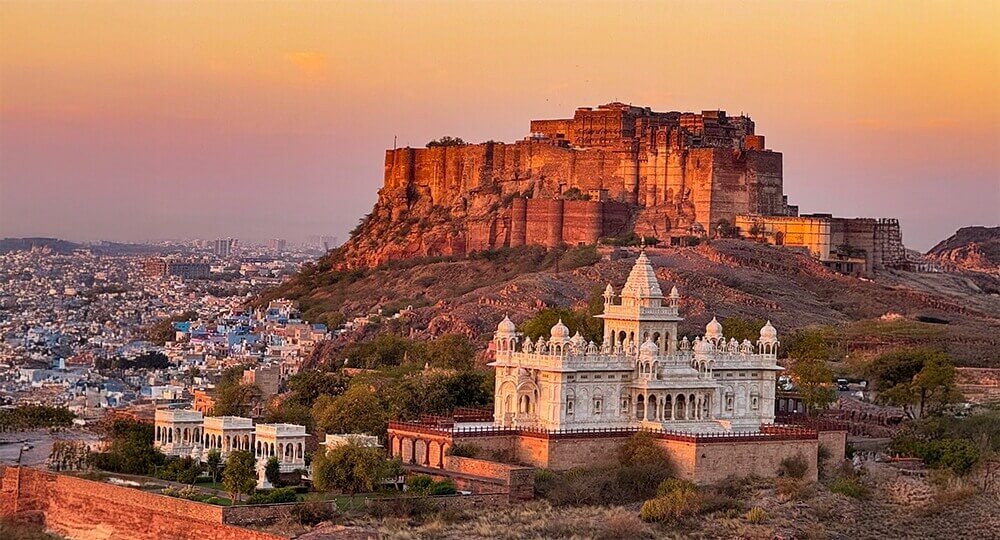
Mehrangarh Fort

The Mehrangarh Fort in Jodhpur is one of the largest forts in India. The massive hilltop fort was built somewhere around 1459 by Rao Jodha, who was the founder of Jodhpur. The famous author, Rudyard Kipling, referred to the Mehrangarh Fort as “The work of angels, fairies and giants.” The fort’s complex covers an area of 1,200 acres and is located on a sandstone hill rising close to 400 feet above the enveloping plains, thereby overlooking the beautiful city of Jodhpur. In 2007, the Mehrangarh Fort was given the title of the ‘Best Fortress in Asia’ by TIME magazine. There are seven gates through which one can enter the fort.

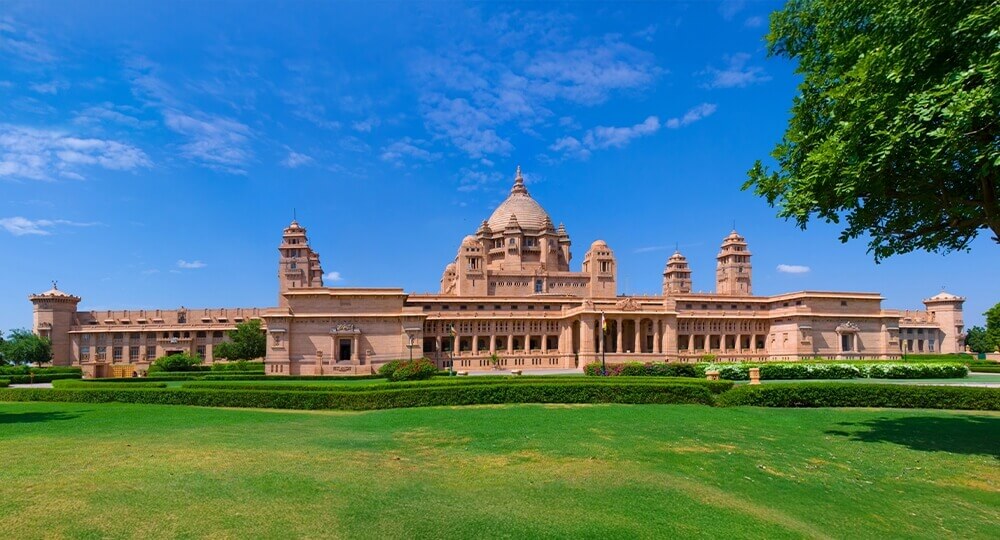
Umaid Bhawan Palace

The Umaid Bhawan Palace in Jodhpur is renowned as one of the largest private residences in the world. It was commissioned to be built by Maharaja Umaid Singh, after whom the palace is named. He was the grandfather of the current owner, His Highness Maharaja Gaj Singh II. The purpose of the palace was to serve as the place of residence for the royal family. A more altruistic reason to build the palace was to provide employment to the farmers who had been suffering due to a famine in the region in the 1920s. The palace still functions as the residence for Jodhpur’s royalty, with a part of the palace having been converted into a luxury hotel and museum.

Jaswant Thada

Jaswant Thada is a cenotaph which was built by Maharaja Sardar Singh in memory of his father, Maharaja Jaswant Singh II. This white marbled beauty, whose construction was completed in 1899, is often called the ‘Taj Mahal of Marwar’. The main hall of the structure is built like a temple wherein pujas or spiritual rituals are conducted. It also has twelve pillars along with portraits of Maharaja Jaswant Singh II and his predecessors. The monument is managed by the Mehrangarh Museum Trust (MMT).

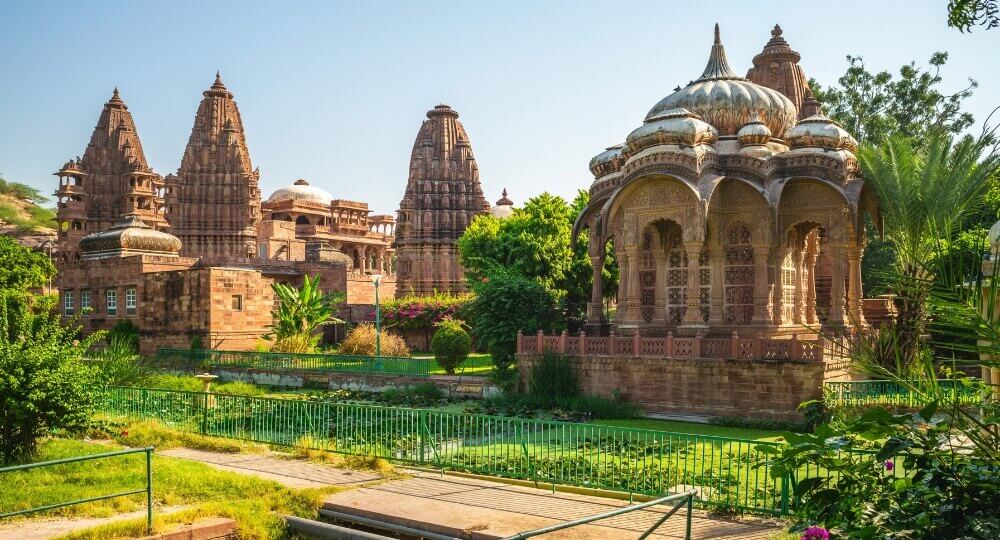
Mandore Gardens

Mandore Gardens is situated about 9 km away from Jodhpur. The roots of the Mandore Gardens can be traced back to the 6th century, when the town of Mandore served as the seat of the Pratihara clan. As per legend, the wife of Ravana, Mandodari, is said to have resided in the ancient town of Mandore. The location is home to a wide variety of cenotaphs, also known as dewals or chhatris, that are dedicated to the Marwar royalty. It houses a memorial known as the Hall of Heroes, which is dedicated to the Rajput folk heroes and deities. Another interesting feature you will come across at the Mandore Gardens is the Shrine of the Three Hundred Million Gods, a Hindu temple featuring images of several Hindu deities.

Rao Jodha Desert Rock Park

The Rao Jodha Desert Rock Park is situated at the foot of the Mehrangarh Fort. Back in 2006, it was created with the intention of restoring the nature ecology of a rocky, sprawling wasteland located next to the fort. Covering an area of more than 72 hectares, the park was named after Rao Jodha, who was the founder of Jodhpur. Some of the animals you can expect to find at this location are the Indian desert cat, the nilgai, the great Indian bustard, and the blackbuck.

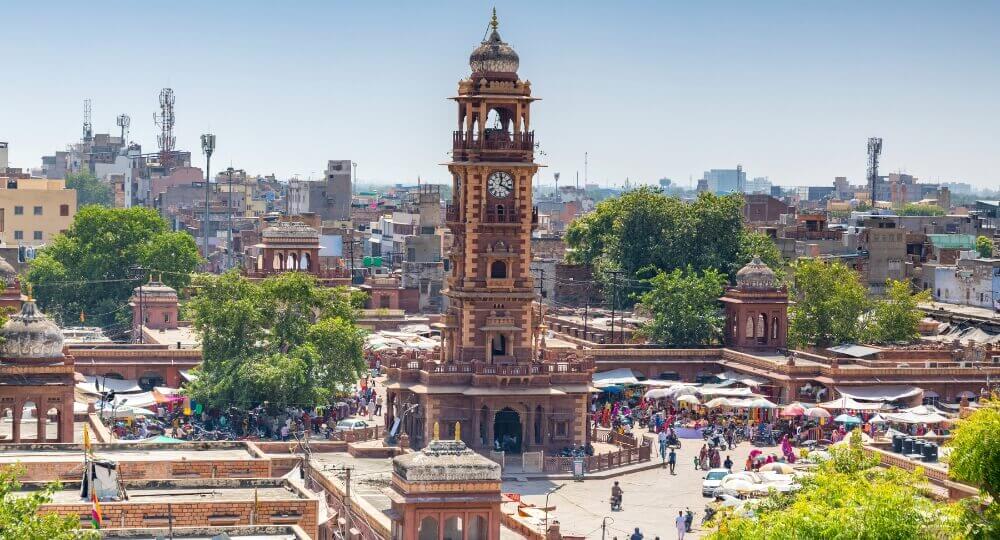
Clock Tower

The Clock Tower in Jodhpur, which is also known as Ghanta Ghar, was built by Maharaja Sardar Singh somewhere between 1880 and 1911. Standing at a height of about 95 feet, the aim of the tower was to modernise the city of Jodhpur. The clock was imported from the UK and is said to have been bought from the same company that created the iconic Clock Tower in London. As time went by, the area surrounding the structure evolved into a commercial centre, which includes the popular Sardar Market. The market was named after Maharaja Sardar Singh.

Toorji Ka Jhalra

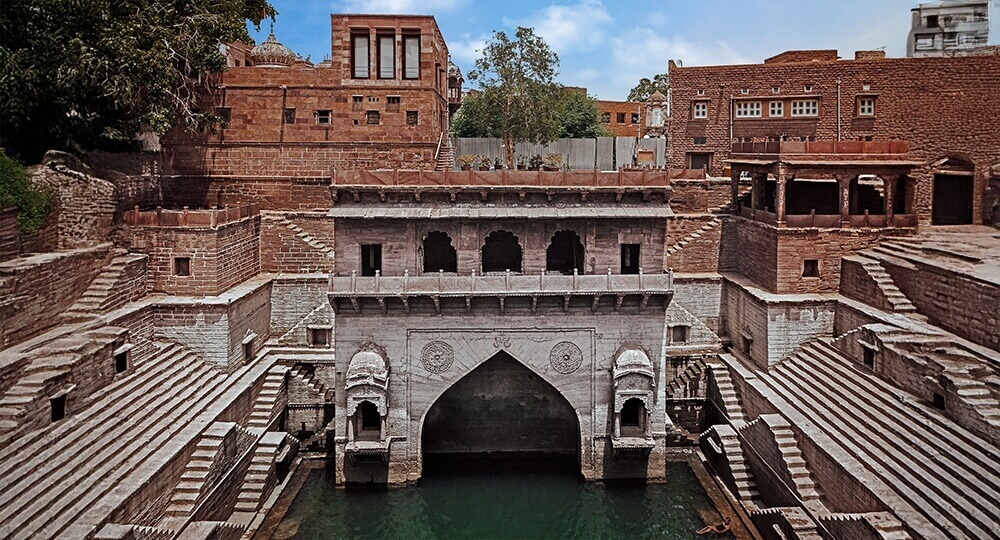
Toorji Ka Jhalra, which also goes by the title of the ‘stepwell of Jodhpur’, was built by the queen of Maharaja Abhay Singh during the 1740s. The name of the location is derived from the word ‘jhalra’, which means ‘stepwell’ in the local language, and ‘toorji’ refers to the community that once resided in the area. Having a depth of over 200 feet, the entire stepwell was made using red sandstone. Back in the day, it was once embellished with detailed carvings of motifs like cow waterspouts, medieval lions, and dancing elephants.

Kaylana Lake

Kaylana Lake is an artificial or manmade lake situated about 8 km west of Jodhpur. It was built under the orders of Pratap Singh in 1872. Sprawled over an area of 84 sq km, nature lovers and birdwatchers are sure to enjoy this spot as the surrounding wetlands are home to resident and migratory bird species. Apart from birdwatching, some of the other activities to indulge in at this lake are boating, photography, nature walks, and picnicking.

Things To Do For Adventure Lovers

  • Ziplining with Flying Fox Jodhpur at Mehrangarh Fort
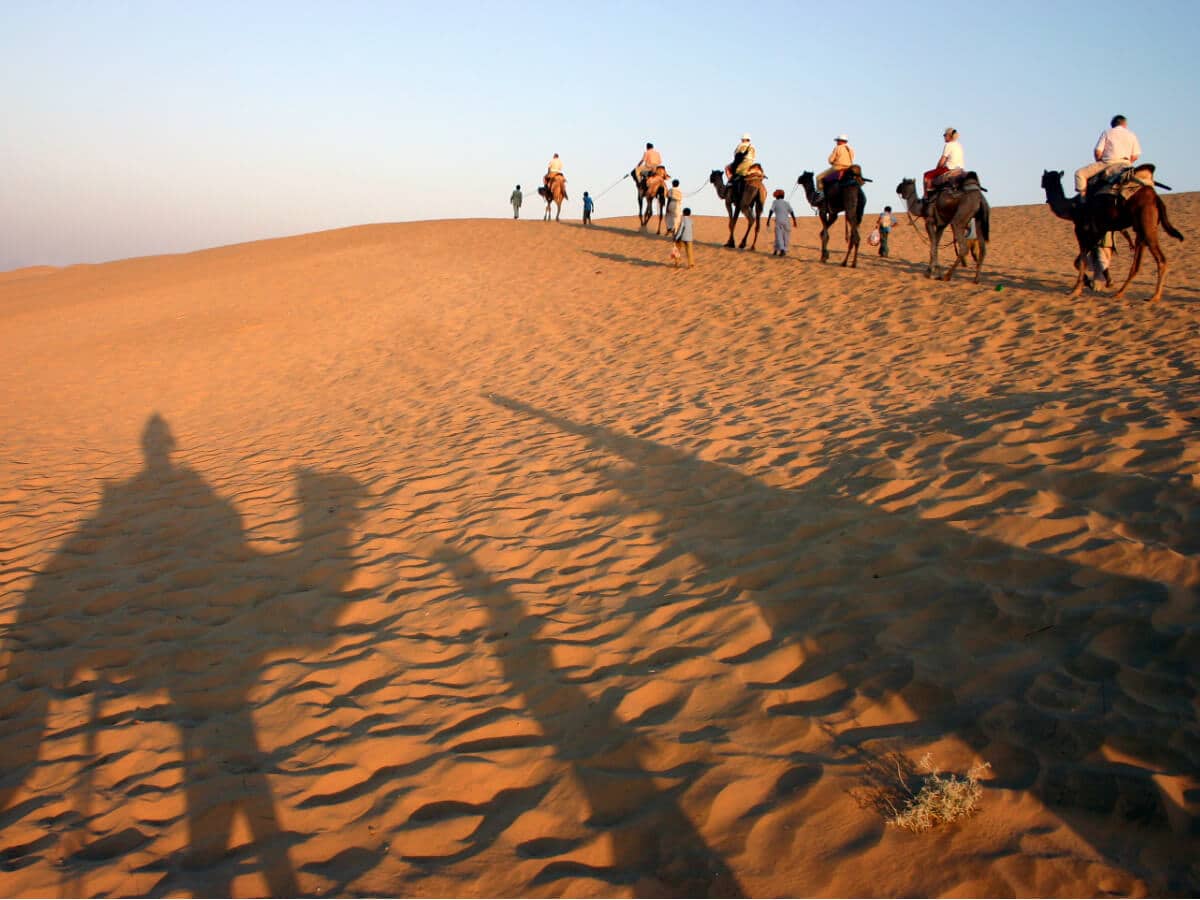
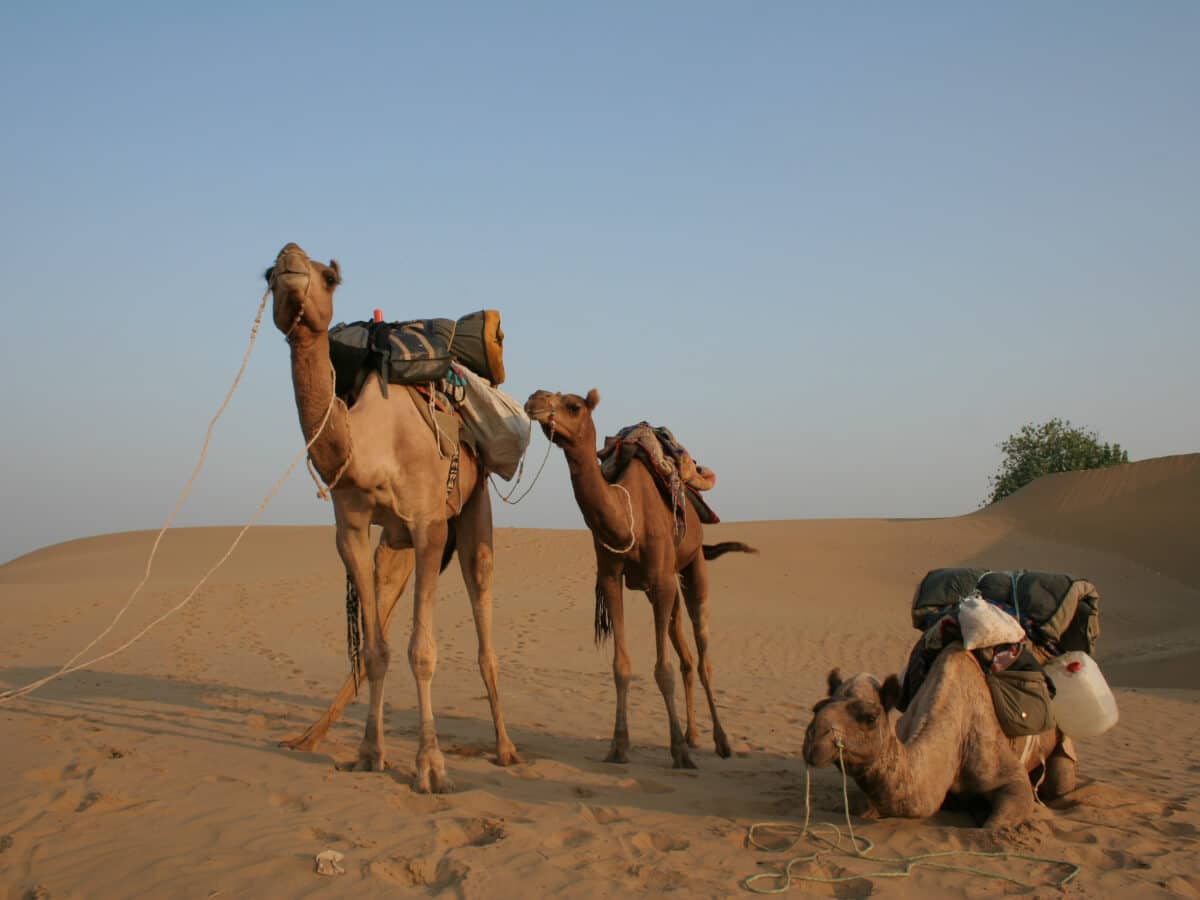
  • Camel and jeep safaris at the Osian Desert
  • Hiking at Rao Jodha Desert Rock Park

Nearby Cities You Can Visit with our Jodhpur Tour Packages

Pushkar

Pushkar is a town in Rajasthan, located in the Ajmer district of the state, in the Aravalli Range. It is renowned as a pilgrimage spot, being home to the only temple in the country that’s dedicated to Lord Brahma, known as the Jagatpita Shri Brahma Mandir. Pushkar is known to conduct the largest camel fair in the world, called the Pushkar Camel Fair, Pushkar Fair, or Pushkar Mela. This yearly five-day event, which takes place between October and November, contains an amalgamation of activities, including livestock trading and cultural events. Some of the other spots to witness in Pushkar with our Jodhpur tour packages are Pushkar Lake, Savitri Mata Temple, Rangji Temple, and Varaha Temple.

Jaisalmer

Jaisalmer is a town situated approximately 215 km northwest of Jodhpur. It has been given the nickname of the ‘golden city’ because of the yellow sandstone that is primarily present throughout the town’s architecture. Jaisalmer was founded in 1156 by Rawal Jaisal, the first ruler of the Kingdom of Jaisalmer. The town has the second-oldest fort in Rajasthan, called the Jaisalmer Fort. It’s a part of the group of forts in the state that was designated as a UNESCO World Heritage Site as part of the ‘Hill Forts of Rajasthan’. When you visit Jaisalmer with our Jodhpur tour packages, make sure to also explore the Gadisar Lake, Patwon Ki Haveli, and Sam Sand Dunes.

Bikaner

Bikaner is a city in Rajasthan that’s located in the Thar Desert, which is also known as the Great Indian Desert. Founded by Rao Bika in 1488, it served as the capital of the former princely state of Bikaner. The Junagarh Fort is among the most iconic landmarks of the city. Established in the 16th century, the fort was initially called Chintamani. It was later renamed to ‘Junagarh’, which translates to ‘old fort’, during the early 20th century. As you go around Bikaner with GT Holidays’ Jodhpur tour packages, do visit the Shri Laxminath Temple, Lalgarh Palace, Karni Mata Temple, and Rampuria Haveli.

Jaipur

Jaipur is the capital of Rajasthan and also its largest city. It’s known as the ‘Pink City’, which has an interesting history. Back in 1876, Maharaja Sawai Ram Singh painted the city pink to welcome Prince Albert, the Prince of Wales. The forts, palaces, and architectural gems of Jaipur make it completely worthwhile to visit this regal city with our Jodhpur tour packages. Some of the many attractions to explore in Jaipur include the Hawa Mahal, City Palace, Amber Fort, Jal Mahal, and Jantar Mantar. Jaipur is also known to host the Jaipur Literature Festival (JLF), which is one of the biggest literary festivals in the world, and has been given the title of ‘the greatest literary show on earth’.

Shopping

The following are some of the markets to visit in Jodhpur with our Jodhpur tour packages and a couple of the best souvenirs to buy from the city:

What To Buy

Jewellery

If you’re fascinated with unique jewellery, then you will love exploring the markets of Jodhpur and coming across traditional Rajasthani jewellery. There are eclectic types of jewellery to look into, such as kundan, polki, and meenakari. This includes colourful bangles and earrings made from gold, silver, and precious stones.

Mojris

While you may have seen various kinds of footwear, you can’t leave Jodhpur without grabbing a pair of mojris for yourself. These comfortable pieces of traditional Rajasthani footwear are available in a wide variety of colours and designs and have an almost royal appearance.

Bandhani Dupattas And Leheriya Sarees

Bandhani is an Indian tie-dye textile art form that originated centuries ago, and is particularly popular in Rajasthan and Gujarat. It’s used to make dupattas and sarees, among other things. Speaking of textiles, leheriya is a traditional style of textile tie and dye which originated in Rajasthan. It’s inspired by the natural patterns formed by the winds that blow across the deserts of the state. The word ‘leheriya’ comes from the word ‘leher’, which means ‘waves’. These sarees usually consist of two colours, where one is the base colour and the other is the colour that makes the lines look like waves. Tourists can find these sarees in a wide array of colour combinations.

Miniature Paintings

Rajasthan is renowned for its miniature paintings, which originated in western India and flourished between the 16th and 19th centuries. The primary colours used in these paintings are red, blue, and yellow, and other colours such as white, brown, and green feature in them as well. The themes depicted in these miniature paintings include the love scenes of Radha and Krishna, hunting expeditions, and Ragamala music.

Pottery

Blue pottery is among the most popular art forms in Rajasthan, and you will witness these pieces in Jodhpur’s markets. The name of the art form comes from the unique cobalt blue dye that is used to colour these pieces. Inspired by Persian ceramic styles, Rajasthan has developed its own motifs and designs, which include patterns of flowers, birds, and animals. There are numerous kinds of blue pottery items you will find in Jodhpur, such as jars, vessels, and pots.

Where To Shop

  • Clock Tower Market: For spices, handicrafts, textiles, footwear.
  • Nai Sarak: For spices, jewellery, fabrics, sarees, dupattas.
  • Mochi Bazaar: For footwear, bags, belts.
  • Sojati Gate Market: For handicrafts, jewellery, textiles, bags.
  • Umaid Bhawan Palace Market: For handicrafts, footwear, textiles.
  • Tripolia Bazaar: For leather goods, textiles, jewellery, artefacts.

Dos and Don’ts while travelling to Jodhpur

  • Don’t click photographs in any of the restricted areas of the city.
  • Certain temples and historical monuments could prohibit photography, which is why it’s advised to always find out the rules before taking a picture.
  • Don’t photograph the locals without their permission, especially when it comes to women.
  • Always take your shoes off before entering a temple or any place of worship.
  • Stay away from public displays of affection.
  • Remove your shoes before entering someone’s home.
  • Dress modestly and cover yourself up properly before visiting a holy place.
  • Never disrespect the local customs and traditions.
  • When you meet a local, it’s considered polite to say ‘namaste’ while folding your hands in front of your chest.
  • Don’t touch anyone’s head, especially that of an elderly person.
  • If someone offers you food or beverages, it’s polite to have a few bites or sips instead of declining the offer straight away.
  • Avoid shaking hands with someone from the opposite sex, unless they offer it first.

Food

The cuisine of Jodhpur is a reflection of the region’s culinary diversity. From royal feasts to streetside snacks, let us recommend some of the most mouthwatering dishes to try out in the city with our Jodhpur tour packages:

Dal Baati Churma

Dal baati churma is a traditional Rajasthani dish that represents the culinary heritage of the region. The bati refers to a round and flaky bread that is either steamed or baked over a conventional tandoor and is made using wheat flour dough. The ‘dal’ part of the preparation is a luscious lentil curry prepared using a blend of five spices. The ‘churma’ is a sweet dish made using wheat, ghee, and sugar. The bati is usually served after being dipped in a generous amount of ghee. Dal baati churma is commonly served during weddings, festivals, and other special occasions, symbolising communal harmony and hospitality.

Laal Maas

If you’re a lover of non-vegetarian food, then you absolutely cannot leave Jodhpur without trying out laal maas. Often considered the crowning jewel of Rajasthan’s culinary variety, it’s a beloved Rajasthani mutton curry that is particularly preferred by those who enjoy spicy food. The name of the dish ‘laal maas’ translates to ‘red meat’. Made using yoghurt, coconut, spices, and nuts, the resulting concoction is a rich and intensely flavoured curry. The mutton becomes tender and succulent by the time the dish is cooked, and the meat is dipped in a gravy filled with aromatic spices, tomatoes, hot red chillies, and ghee.

Mirchi Vada

When it comes to street food, the city has several iconic dishes you must experience with our Jodhpur tour packages. Commonly eaten both during breakfast and as an evening snack, mirchi vadas are made using larger, mild, and non-spicy green chillies. The chillies are stuffed with a potato mixture and then coated with gram flour. The batter is deep-fried till the exterior turns crispy and golden. You will find mirchi vadas usually being served alongside different chutneys, such as mint and tamarind.

Pyaaz Kachori

We can’t possibly discuss the famous streetside snacks of Jodhpur without mentioning pyaaz kachori. These are deep-fried pastries that were born in Jodhpur, after which their popularity spread all across Rajasthan and the rest of the country. The pastries consist of an onion filling that is seasoned with spices like coriander, fennel, and cumin, resulting in a spicy and tangy flavour combination. Pyaaz kachoris have a soft interior and a crispy exterior, and are usually served with mint and tamarind chutneys.

Makhaniya Lassi

While looking for a cooling beverage amidst Rajasthan’s heat, the best option to turn to is a glass of makhaniya lassi. It’s a rich, thick, and creamy drink that’s not like a usual glass of lassi. The yoghurt-based beverage includes ingredients such as cardamom, saffron, rose water, and dried fruits. It’s topped off with a generous quantity of fresh cream, thereby amplifying its silky and creamy texture.

Ghevar

For all the dessert lovers who visit the city with our Jodhpur tour packages, you absolutely have to taste the traditional Rajasthani sweet dish known as ghevar. It’s a round, disc-shaped dessert which has a distinct and detailed honeycomb-like pattern. The batter is made using flour, ghee, and cold water, which is then fried in oil or ghee. Dipped in the goodness of sugar syrup, the dessert is garnished with rabri, silver flakes, and almonds or pistachios. The sweet dish is a common sight during festivals and special occasions.

Art And Culture

Arts And Crafts

The skilled artisans of Rajasthan create delicate, intricate, and unique pieces which are available as souvenirs for tourists to buy. These artistic creations are also present in the form of textiles, such as bandhani pieces and leheriya sarees. The other arts and crafts that come alive as handicrafts and souvenirs in Jodhpur include pottery, miniature paintings, and traditional Rajasthani jewellery.

Festivals

Several festivals are celebrated in Jodhpur throughout the year, displaying the region’s cultural richness. The festival of Teej is considered to be one of the most important celebrations of the year. Held during the monsoon season in the Hindu month of Shravan, it celebrates the holy union of Goddess Parvati and Lord Shiva. Women dress up in traditional attire and seek blessings for a healthy and happy married life. Many regard the Marwar Festival to be the most significant festival celebrated in Jodhpur. The two-day festival is meant to honour the heroes of Rajasthan and takes place during the month of Ashwin, which is somewhere between September and October. With our Jodhpur tour packages, you can also catch the Rajasthan International Folk Festival (RIFF). This five-day event is held annually at the Mehrangarh Fort, featuring dance and music performances by international as well as local artists.

Folk Dance

When you visit the Blue City with our Jodhpur tour packages, you might be able to witness at least one of the many folk dances the region is known for. Dances form a part of various celebrations in Rajasthan, featuring colourful costumes and striking ornaments. There is the ghoomar dance, which is considered to be the most popular folk dance of Rajasthan, wherein women wear ghagras and veils and dance around in circular movements, accompanied by clockwise and anticlockwise steps. There is also the kalbelia dance, which is performed by the kalbelia community, and was recognised as an Intangible Cultural Heritage of Humanity by UNESCO in 2010.

Call or send a message on Instagram to learn more about our Jodhpur tour packages.

View All Jodhpur Tour Packages

Travel Tips

visa_information_icon

Visa Information

Check visa requirements before traveling, ensuring a smooth entry and compliance with destination regulations.

health and safety tips icon

Health and Safety Tips

Prioritize health, stay hydrated, follow safety guidelines, and maintain personal hygiene for a secure journey.

currency and tipping icon

Currency and Tipping

Familiarize with local currency, consider customary tipping practices for respectful and seamless travel experiences.

Share Your Ideal Tour: Let Us Customize!

FAQs:

How many days are sufficient for a trip to Jodhpur?
We recommend you set aside anywhere between two to three days for a trip to Jodhpur.
What is the meaning of the phrase ‘Padharo Mhare Des’?
The meaning of the phrase ‘Padharo Mhare Des’ is ‘Welcome to my land’, and it’s a way to welcome tourists to get a taste of Rajasthan’s culture, hospitality, and warmth.
Are there any dining etiquette rules one should remember while visiting Jodhpur?
Some of the dining etiquette to remember while visiting Jodhpur are that you should wash your hands before sitting down to eat, pass the food using your right hand, wait for the elderly people to begin with their meal before you start eating, and don’t refuse any food or drink that’s offered to you, even if you take just a small bite or sip.
What dress code should a person follow while visiting the holy places and rural areas of Jodhpur?
While visiting a holy place or rural area in Jodhpur, women should remember to wear something that covers their knees and shoulders, which they can also do with a scarf. Men should avoid wearing shorts and anything sleeveless.
What is Jodhpur famous for?
Jodhpur is famous for many things, including its scrumptious food, vibrant markets, rich history, and alluring architecture.
How far is Bikaner from Jodhpur?
The distance by road between Bikaner and Jodhpur is about 250 km.
Can you drive from Jodhpur to Jaisalmer?
Yes, you can drive from Jodhpur to Jaisalmer.
Which is the main railway station in Jodhpur?
The Jodhpur Railway Station (JU) is the main railway station in Jodhpur.
Which is the most famous market in Jodhpur?
While Jodhpur has several popular markets, one of the most famous of the lot is the Sardar Market or the Clock Tower Market.
Why is Jodhpur called the ‘blue city’?
Jodhpur is called the ‘blue city’ because several of the buildings in the old district of the city are painted a light shade of blue.

Book Your Dream Vacay Today!

=

×

Enquire Now

=