1

Tour Package

Ayodhya Tour Packages

Sacred City of India

SUPER DEAL PRICE

STARTS FROM

per person on twin sharing
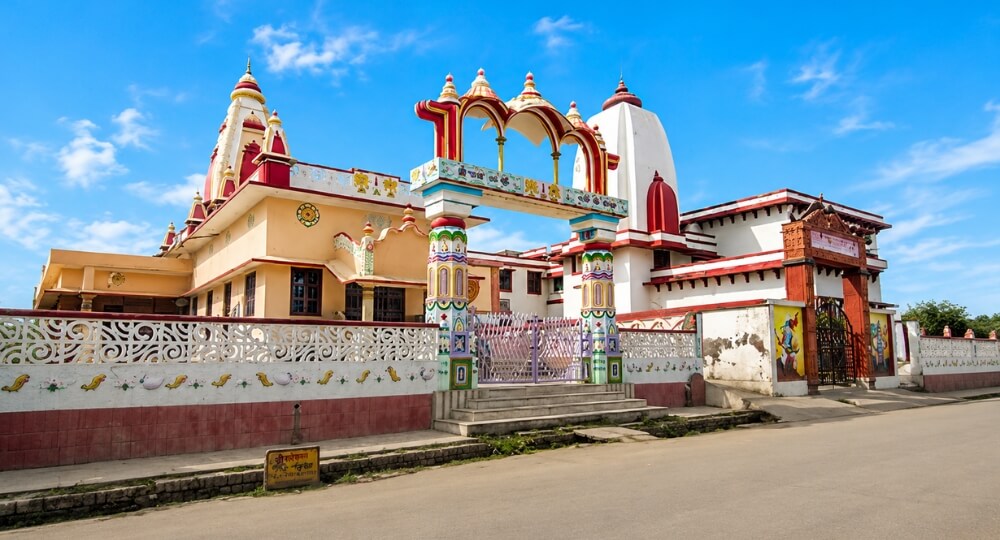
Significant pilgrimage site in India: Ayodhya
South India’s No.1 Travel Brand
Ram Mandir
The Heart of Ayodhya
Hanuman Garhi
Famous hilltop temple in Ayodhya
October - March
Best Time to Visit Ayodhya
Hindi, Awadhi, English
Languages Speaking
Essential Tips for Travelling to Ayodhya
ATMs

ATMs are widely available across the city.

Credit Cards

Cash and UPI payments are widely accepted.

Bank

Banking services are easily accessible in the city.

spiritual icon

Respect local traditions and sacred spiritual sites.

Safest

Residents are known for their warm hospitality.

Ayodhya - Overview

ayodhya map

By Purpose

tour package tourism

Couples

For Newlywed Vacations

tour packages business

Family

For Family Vacations

Top Attractions and Nearby Sights

Ram Mandir

Hanuman Garhi

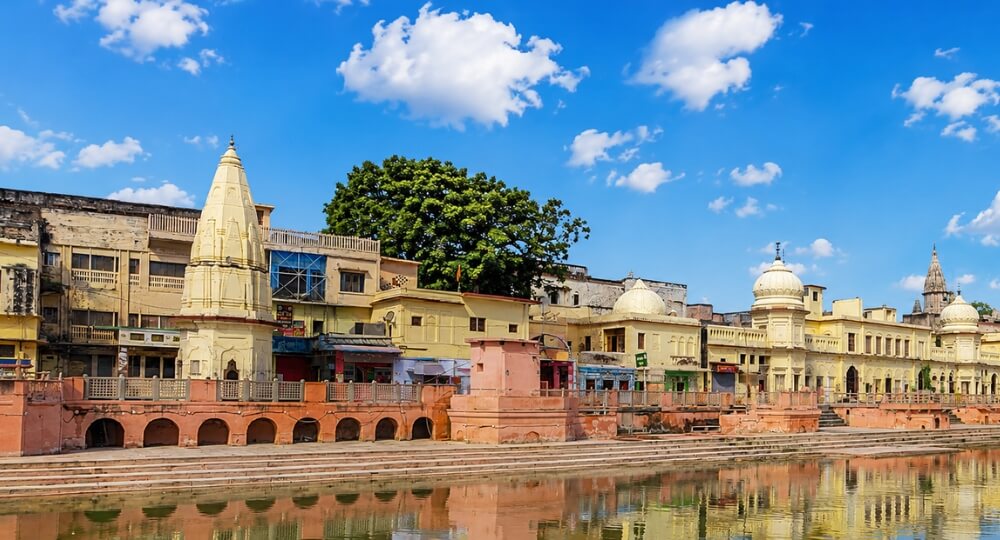
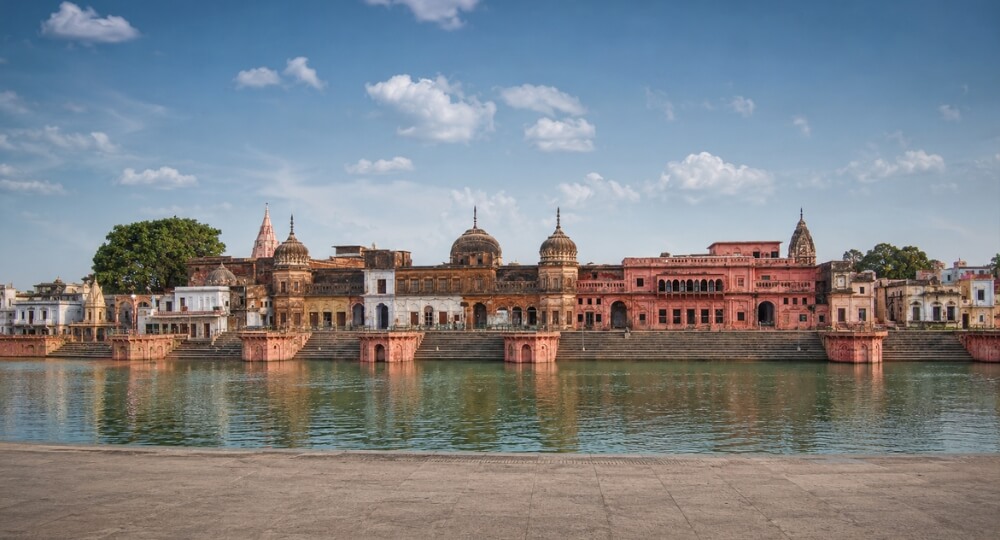
Sarayu River Ghats

Ram Ki Paidi

Kanak Bhawan

Dashrath Mahal

Sita Ki Rasoi

Treta Ke Thakur

Faizabad

Guptar Ghat

Chhoti Chhawani

Surya Kund

Nageshwarnath Temple

Tulsi Smarak Bhawan

Bahubegum Ka Maqbara

Everything You Need to Know About Ayodhya Tour Packages

Imagine a city so sacred that it has been mentioned in the Hindu epic Ramayana and is worshipped as the birthplace of Lord Rama. This is the city of Ayodhya, which is revered as Ram Janmabhoomi. Located in the state of Uttar Pradesh, Ayodhya is one of the seven sacred cities of Hinduism in India. The city has had a rich historical past, particularly connected to the establishment of the Ram Mandir. You can visit this prominent religious landmark and much more with GT Holidays’ Ayodhya tour packages. Let’s do a deep dive into the art, history, culture, cuisine, shopping scene, and tourist attractions of the city so you can determine why you must book a trip to Ayodhya immediately.

Table of Content:

About Ayodhya

Ayodhya is a significant pilgrimage site for Hindus as it’s the birthplace of Lord Rama, as mentioned in the ancient Hindu epic Ramayana. In ancient India, Ayodhya served as the capital of the Kosala kingdom. The golden age of Ayodhya was during the reign of the Gupta Empire, which is when it transformed from a secondary commercial town into a prime cultural and religious centre, identifying itself as the city of Lord Rama. During the medieval period, Ayodhya was reigned over by numerous rulers, including the Delhi Sultanate and the Mughal Empire.

A turning point in Ayodhya’s history came about after the establishment of the Babri Masjid in 1528. It was built by Mir Baqi, who was a Mughal commander under Emperor Babur. This is believed to have been the origin point of a socio-religious and legal dispute between the Hindus and Muslims, which would go on for centuries. The Hindus were of the opinion that the land belonged to their community as it is the revered Ram Janmabhoomi. The demolition of the Babri Masjid in 1992 led to widespread communal violence across the country. A verdict was passed by the Supreme Court in 2019, allocating the disputed land for the establishment of the Ram Mandir.

Tidbits

  • Ayodhya is mentioned in the Hindu epic Ramayana and is the birthplace of Lord Rama.
  • The foundation stone for the Ram Janmabhoomi Temple in Ayodhya was laid by Prime Minister Narendra Modi in August 2020.
  • The idol within the Hanuman Garhi temple is unique, as it depicts Bal Hanuman (the child form of Lord Hanuman) seated on the lap of his mother, Maa Anjani.
  • The Treta Ke Thakur is believed to be located on the very spot where Lord Ram performed the Ashwamedha Yajna after defeating Ravana and returning from their 14-year-long exile.
  • Guptar Ghat is believed to be the location where Lord Rama took his Jal Samadhi, signifying the end of his earthly incarnation to return to his celestial abode, Vaikuntha.
  • The Kanak Bhavan temple was gifted by Queen Kaikeyi to Goddess Sita after her wedding to Lord Rama.
  • The Nageshwarnath Temple in Ayodhya was established by Kush to show his gratitude towards a serpent princess who had retrieved his amulet from the Saryu River.

Essential Tips To Know Before Travelling To Ayodhya

  • The Maharishi Valmiki International Airport Ayodhya Dham (AYJ) is the main airport in Ayodhya.
  • Autorickshaws, cycle rickshaws, local buses, and e-rickshaws are the common modes of public transport in the city.
  • Maintain the decorum of a queue at popular tourist attractions.
  • Keep your valuables safely stored in the locker of your hotel room.
  • Avoid consuming food from unknown streetside stalls as the hygiene conditions may not be ideal. Only eat street food from well-known vendors and from the stalls that look safe and hygienic.
  • Carry bottled water whenever you go out in order to stay hydrated, especially if you visit during the peak summer months.

Ayodhya At A Glance

Category Details
City Ayodhya
Currency The Indian Rupee (INR)
High season October to March
State Flower of Uttar Pradesh Palash
Standard Voltage 230 volts
State Animal of Uttar Pradesh The swamp deer
Languages Official: Hindi ; unofficial: Urdu, Awadhi
Famous Tourist Attractions Ram Janmabhoomi Temple, Hanuman Garhi, Treta Ke Thakur, Guptar Ghat, Kanak Bhavan, Nageshwarnath Temple, Ram Ki Paidi
Things To Do Boat rides, temple hike
Famous Food Ram laddoo, kachori sabzi, lassi, thandai, jalebi rabri, aloo tikki, sattvik thali, malpua
Best Getaways From Ayodhya Varanasi, Lucknow, Faizabad, Allahabad/ Prayagraj
Souvenirs To Buy Religious and spiritual souvenirs, handicrafts, traditional textiles, local sweets

Top Reasons To Visit Ayodhya

Listed below are the top reasons to book our Ayodhya tour packages:

Places Of Deep Spiritual And Religious Significance

There is a plethora of places rich with religious and spiritual significance that you will get to witness with GT Holidays’ Ayodhya tour packages. The first place to visit has to be the magnificent Ram Janmabhoomi Temple, which is meant to celebrate the city as the birthplace of Lord Rama. Pay your respects at the Hanuman Garhi temple, which contains an idol of Bal Hanuman seated on the lap of his mother, Maa Anjani. Head over to the Treta Ke Thakur temple, which is said to be the location where Lord Ram performed the Ashwamedha Yajna after defeating Ravana and returning from their 14-year-long exile. There is the Guptar Ghat, where Lord Rama took his Jal Samadhi, thereby ending his earthly incarnation to return to his celestial abode. Make sure to visit the holy Kanak Bhavan, which houses idols of Lord Rama and Goddess Sita adorned with golden crowns.

Unique Cuisine

Getting to taste the unique and delightful cuisine of the city is indeed a major reason to book our Ayodhya tour packages. The influence of North Indian vegetarian traditions is vivid in the food of Ayodhya, along with its sattvic food culture. The best way to experience this culture is by trying a traditional sattvic thaali. The city is filled with mouthwatering snacks for you to explore, including Ram laddoos, aloo tikki, and kachori sabzi. There are, of course, a myriad of sweet dishes for dessert lovers to indulge in, such as malpuas, pedas, and rabri jalebi. The hotter months require the presence of delicious, creamy, and cooling beverages like thandai and lassi.

Vibrant Shopping Scene

The vibrant and holy atmosphere of Ayodhya is reflected in its markets as well, which you can explore with GT Holidays’ Ayodhya tour packages. Being the spiritually rich city that it is, it’s natural that religious souvenirs are some of the best things to buy in Ayodhya. You can get your hands on brass idols of deities, rudraksha malas, incense sticks and oils, and religious scriptures. The city is also brimming with intricate handicrafts for you to peruse, such as wooden toys, lamps, and stone carvings. The fabrics and textiles are worthy of being looked into as well, such as the kurtas, sarees, and dupattas. Make sure to also fill your suitcase with the delectable local sweets and snacks.

Interesting Getaways

One of the best reasons to grab our Ayodhya tour packages is that not only do you get to explore Ayodhya, but also its nearby cities. This includes Varanasi, which is considered the holiest of the seven sacred cities in Hinduism. Explore the many holy temples and ghats and breathe in their serenity. Make your way to the ‘City of Nawabs’, which is Lucknow. Witness its multiple historical and architectural landmarks and taste the city’s scrumptious cuisine. Head over to Prayagraj, which has a potpourri of culturally rich places, including museums, forts, and temples. Located close to Ayodhya is the city of Faizabad, the history of which is interesting to unveil.

Best Time To Visit Ayodhya

Let’s take a look at what each season in the city is like so you can accordingly decide when to book GT Holidays’ Ayodhya tour packages:

Summer In Ayodhya (April To June)

During the summer season, the temperature range in Ayodhya usually remains between 28 degrees Celsius and 40 degrees Celsius. The scorching heat and humidity prevent people from visiting the city during this time, as it’s difficult to explore the temples, ghats, and markets. However, some people prefer to visit during this period as visiting the temples becomes easier with smaller queues involved. If you book our Ayodhya tour packages for this season, you could grab some good discounts and offers on flights and accommodation since this is the off-season. The risk of dehydration is pretty high during the summers in Ayodhya, which is why you should remember to carry a water bottle whenever you head out. Make sure to pack sunglasses, sunscreen, and hats.

Monsoon In Ayodhya (July To September)

The temperature range during the monsoon season in Ayodhya usually oscillates between 25 degrees Celsius and 35 degrees Celsius. The city experiences moderate to heavy rainfall during this time. While the rain brings about some relief from the scorching heat, the humidity levels remain high. The landscape turns vibrant and lush, but issues such as waterlogging and slippery roads make it difficult to go sightseeing. However, since this is the off-season, you could get discounts on our Ayodhya tour packages. The festivals celebrated during this period include Raksha Bandhan, Nag Panchami, and Guru Purnima.

Winter In Ayodhya (October To March)

The best time to book our Ayodhya tour packages is certainly the winter season, which lasts in the city from October to March. During this season, the temperature usually remains between 10 degrees Celsius and 27 degrees Celsius. The pleasant and comfortable weather makes it easier to explore the temples and all the other popular tourist attractions. Since this is the peak season, make sure to get your travel bookings done in advance. Some of the festivals celebrated in Ayodhya during this period include Makar Sankranti, Diwali, and Dussehra.

Best Getaways From Ayodhya

Varanasi

Varanasi, which is also known as Benares, is a city located in Uttar Pradesh. It is believed to be the holiest of the seven sacred cities in Hinduism. Varanasi is considered to be the ‘City of Lord Shiva’, which is why you will find various religious spots dedicated to the ‘ruler of the universe’. It is home to the Banaras Hindu University, which is one of the most reputed universities in the country and the largest residential university in Asia. When you explore Varanasi with our Ayodhya tour packages, make sure to visit Shri Kashi Vishwanath Temple, Dashashwamedh Ghat, Ramnagar Fort, Assi Ghat, Bharat Kala Bhavan Museum, and Manikarnika Ghat.

Lucknow

Lucknow is the capital city of Uttar Pradesh. It is also the state’s largest city. Known as the ‘City of Nawabs’, almost every corner of Lucknow is dripping with a touch of royalty and elegance. It also serves as the administrative headquarters of Uttar Pradesh. Tasting the delicious foods of Lucknow is something you will get to do with GT Holidays’ Ayodhya tour packages. Some of the dishes to try from the kitchens of Lucknow are galouti kebabs, Lucknowi biryani, shami kebabs, and nihari-kulcha. The rich history of Lucknow is evident through its architectural marvels, such as Bara Imambara, Chhota Imambara, Rumi Darwaza, and the Husainabad Clock Tower.

Faizabad

Faizabad is a city perched on the banks of the Saryu River in Uttar Pradesh. It was established somewhere around 1730 by Saadat Ali Khan I, who was the first Nawab of the Kingdom of Awadh. Shuja-ud-Daula, who was the third Nawab of Oudh, made Faizabad his capital and built a monument known as Fort Calcutta along the banks of the Ghaghra (Saryu) River. Agricultural trade is a major part of the city’s economy, with the primary industries belonging to oilseed milling and sugar processing.

Allahabad/ Prayagraj

The city of Allahabad, whose name was officially changed to Prayagraj in October 2018, is located in the southern part of Uttar Pradesh. Nestled at the confluence of the Ganges River, Yamuna River, and the mythical Sarasvati River, it was founded by the Mughal emperor Akbar in 1583, who named it ‘Allahabad’. Prayagraj is one of the locations where the sacred Kumbh Mela is held. Some of the best tourist attractions to visit in Prayagraj with GT Holidays’ Ayodhya tour packages include Triveni Sangam, Allahabad Museum, Allahabad Fort, Anand Bhawan, Amar Shaheed Chandrashekhar Azad Park, and Shri Bade Hanuman Ji Temple.

Top Things To Do In Ayodhya

With GT Holidays’ Ayodhya tour packages, you will get the chance to immerse yourself in the holy ambience of the city. The following are the places to visit in Ayodhya and the activities to participate in:

Things To Do As A Family

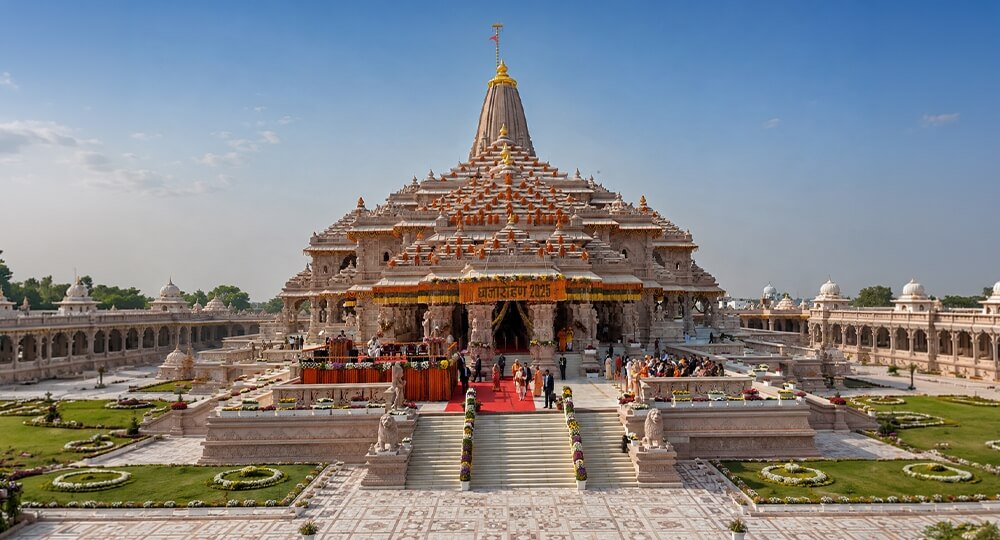
Ram Janmabhoomi Temple

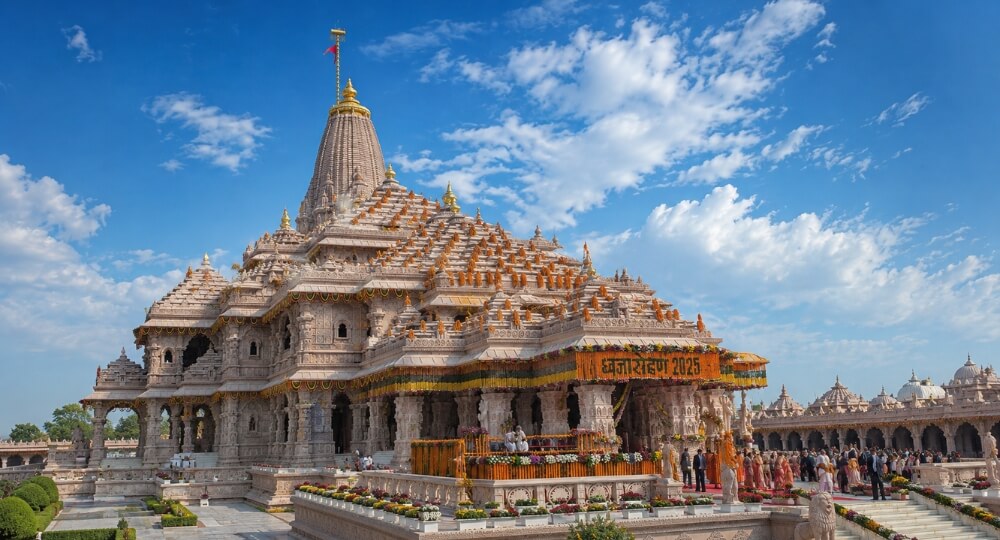
The Ram Janmabhoomi Temple in Ayodhya is located at the birthplace of Lord Ram, the seventh avatar of Lord Vishnu. In November 2019, the Supreme Court of India passed a verdict, allocating the 2.77-acre area towards the construction of the Ram Mandir, making devotees happy worldwide. The government approved the Shri Ram Janmabhoomi Teerth Kshetra Trust to oversee the management and construction of the temple. In August 2020, Prime Minister Narendra Modi performed the sacred rituals and laid the foundation stone for the holy site. The construction of the Ram Janmabhoomi Temple was completed towards the end of 2025. Featuring Nagara style of architecture, the temple is three storeys tall and stands at a massive height of 161 feet.

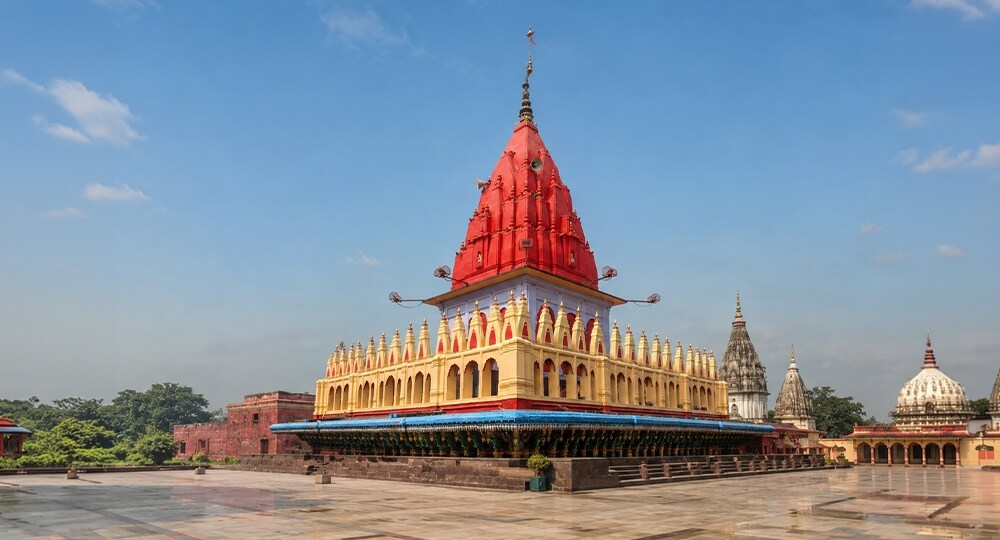
Hanuman Garhi

The Hanuman Garhi temple is situated about 1 km from the Ayodhya Railway Station. Dedicated to Lord Hanuman, the Hanuman Garhi temple complex comes under the administration of the Bairagi Mahants of the Ramanandi Sampradaya, specifically under the Nirvani Ani Akhara. As per the Skanda Purana, the temple was built by King Vikramaditya. The idol within the temple is unique, as it depicts Bal Hanuman (the child form of Lord Hanuman) seated on the lap of his mother, Maa Anjani.

Treta Ke Thakur

The Treta Ke Thakur temple in Ayodhya is dedicated to Lord Rama, who is worshipped as the Lord of the Treta Yug. The holy spot is believed to be located on the very spot where Lord Ram performed the Ashwamedha Yajna after defeating Ravana and returning from their 14-year-long exile. The temple is home to idols of Lord Ram, Goddess Sita, Lord Lakshman, Lord Bharat, and Lord Shatrughan, all of which are said to have been carved from a single piece of black sandstone. The temple was rebuilt by Queen Ahilyabai Holkar in the 18th century. It features the Nagara style of architecture with conventional spires or shikharas.

Guptar Ghat

Guptar Ghat is a sacred ghat perched on the banks of the Saryu River. It is believed to be the location where Lord Rama took his Jal Samadhi (voluntary immersion), signifying the end of his earthly incarnation so as to return to his celestial abode, Vaikuntha. Devotees believe that taking a dip in the holy waters by the ghat will enable them to wash away their sins.

Kanak Bhavan

One of the most profoundly sacred places to visit with our Ayodhya tour packages is the Kanak Bhavan temple, which is dedicated to Lord Rama and Goddess Sita. Also known as the ‘Golden Palace’, the temple is named such because the idols of Lord Rama and Goddess Sita found within this temple are adorned with golden crowns, and the word ‘kanak’ means ‘gold’. The temple is said to have been gifted by Queen Kaikeyi to Goddess Sita after her wedding to Lord Rama, thereby signifying their intense love and devotion.

Nageshwarnath Temple

The Nageshwarnath Temple in Ayodhya is dedicated to Lord Shiva. The temple is believed to have been established by Kush, the son of Lord Rama. According to legend, Kush lost his armlet while taking a bath in the Saryu River. It was retrieved by a serpent (naga) princess who was a devoted worshipper of Lord Shiva. Therefore, Kush decided to name the temple in honour of the serpent princess, to show his gratitude. The name of the temple translates to ‘Lord of the Serpents’, which is a reference to Lord Shiva.

Things To Do For Adventure Lovers

  • Boat rides on the Saryu River
  • Hiking up to Hanuman Garhi

Shopping In Ayodhya

The markets of Ayodhya have so much to offer to its visitors, and you can experience their versatility through our Ayodhya tour packages. Here are the markets to explore and the souvenirs to get from Ayodhya:

What To Buy

Religious And Spiritual Souvenirs

The religious and spiritual ambience of Ayodhya is not just seen in its temples and ghats, but also through the souvenirs available in the city. Devotees flock to Ayodhya’s markets to get their hands on religious artefacts. These include idols of deities, incense sticks and oils, rudraksha malas, and holy books and scriptures. You can also buy Ayodhya-themed accessories and jewellery, such as earrings, necklaces, rings, and bangles.

Handicrafts

The skilled artisans of the city create items that reflect Ayodhya’s rich culture and spiritual heritage. This includes wooden toys, ornate stone carvings, and traditional lamps. Many of these artefacts feature deities and scenes from Hindu mythology. These handcrafted items make for perfect gifts to take back home for your loved ones.

Traditional Textiles

A wide variety of textiles, fabrics, and garments are available in the markets of Ayodhya. These include handwoven sarees, kurtas, and scarves made from materials like cotton, silk, and handloom. The intricate embroidery and vibrant hues are symbolic of the cultural richness of this holy city.

Local Sweets

If you are a lover of sweets and desserts, then you must grab the local sweets of Ayodhya for yourself and your friends and family before completing your trip. Some of the sweets to buy in the city are laddoos, jalebis, pedas, and balushahi.

Where To Shop

  • Ram Ki Paidi Market: For religious souvenirs, handicrafts, local sweets.
  • Chowk Market: For textiles, handicrafts, local snacks.
  • Kanak Bhawan Lane: For idols of deities, holy scriptures, local sweets.
  • Naya Ghat Market: For religious souvenirs and local food.

Things To Remember When Shopping In Ayodhya

  • When you bargain with a vendor, do so respectfully. Negotiate with them till you reach a price point that suits both parties.
  • Purchase textiles and handicrafts only from reputed and well-known stores. Ask for a certificate of authenticity, if possible.
  • If you visit the markets during festivals, you will experience bigger crowds and higher prices.
  • Although online payments are accepted at most markets, it’s better to carry cash while shopping from smaller vendors.

Dos and Don’ts For Indian Travellers

  • For security purposes, items such as electronic gadgets, phones, wallets, bags, and belts are strictly prohibited within the complex of the Ram Janmabhoomi Temple. Free security lockers are available near the temple complex where you can safely store your belongings.
  • Always take off your shoes before entering a religious or spiritual site.
  • Dress modestly while visiting a temple or any place of worship. Keep your knees and shoulders covered and avoid wearing shorts and sleeveless tops.
  • Avoid using plastic items in order to maintain the environment.
  • Only use your right hand while having food or passing food to anyone.
  • Maintain the cleanliness of the city. If there is something you need to throw away, do so only when you spot a garbage bin.
  • Don’t pollute the sacred water bodies or litter around the holy rivers and temples.
  • Photography is usually prohibited within the main sanctums of most temples. Hence, always find out the rules before you photograph anything.
  • Respect the local traditions and rituals and always maintain decorum around the holy spots.
  • Refrain from public displays of affection.
  • Always ask for permission before clicking someone’s photograph, especially that of a woman.
  • Although ATMs are available in the city, it is advisable to carry sufficient cash while travelling to remote regions and shopping from small vendors.
  • Don’t venture out alone at night.

Foods To Try Out In Ayodhya

The cuisine of Ayodhya is deeply rooted in sattvic culture. In addition to the influence of North Indian vegetarian traditions, you will find that most of the food made in the city is without onion and garlic, especially around the religious spots. The spiritual essence of the city is reflected through its cuisine, which mainly includes fresh and natural ingredients and simple foods that lead to spiritual growth and mental clarity. Let’s recommend some of the delicious foods you absolutely must try during your trip with our Ayodhya tour packages:

Ram Laddoo

Don’t let the name of this dish fool you. Despite the word ‘laddoo’ in the dish, it’s not a dessert. This is a savoury snack that’s made using coarsely ground moong dal. It’s deep-fried till the exterior turns crispy and golden, while the interior remains fluffy and soft. These fritters are usually served along with a tangy tamarind chutney and a hint of chaat masala.

Aloo Tikki

Looking for something savoury and spicy to have as a snack in Ayodhya? Then try a plate of aloo tikki chaat, which is relished by tourists and locals alike. Potato tikkis that are deep-fried are the central ingredient of this dish. The other elements added to the chaat are yoghurt, chutneys, and spices.

Kachori Sabzi

Visitors will notice that the mornings in Ayodhya usually begin with a mouthwatering, hot plate of kachori sabzi. Kachoris are deep-fried pastries that are usually stuffed with a flavourful dal mixture. These kachoris are mostly served with a spicy and tangy potato curry. The pastries are deep-fried till the exterior turns crispy and flaky. This delightful combination is often served along with chutneys that further amplify the taste of the dish.

Malpua

Do you have a sweet tooth? If so, then you can’t miss out on the malpuas of Ayodhya. Popularly known as the Indian version of pancakes, it’s made with milk, sugar, and flour. Cardamom is added for a distinct flavour, and the batter is fried until the exterior turns golden brown. It’s dipped in sugar syrup to add to its overall sweetness, while the interior remains soft and fluffy. Malpuas are often served as bhog or prasad at temples. They are particularly popular during festivals like Holi and Diwali.

Lassi And Thandai

When the sweltering heat embraces Ayodhya, there are two creamy beverages that can help you deal with the heat and humidity, and those are lassi and thandai. Lassi is a drink with a thick and creamy texture that is usually served in an earthen cup called a kulhad. Saffron and cardamom are added to lassi to enhance its taste and aroma. Thandai is a beverage that’s traditionally consumed during Holi, but is also available in Ayodhya throughout the year. The ingredients used to make thandai include milk, sugar, nuts, cardamom, and saffron.

Sattvik Thali

The best way to try authentic sattvik food in Ayodhya is through a sattvik thali. This thali consists of dishes that are strictly devoid of onion, garlic, and non-vegetarian elements. It usually includes chapati, jeera rice, sabzi (seasonal vegetables), pickle, papad, dahi, kheer or halwa.

Jalebi Rabri

Of the many delectable food combinations to try, one of them has to be jalebi rabri. Rabri is a thick and creamy dessert made using condensed milk. It’s flavoured with saffron, cardamom, rose petals, and dry fruits. Jalebis have a hot and crispy exterior and a delightfully juicy and syrupy interior. The creaminess of the rabri, coupled with the gooey texture of the jalebis, makes for the perfect dessert combo.

Art And Culture In Ayodhya

The rich cultural heritage of Ayodhya is reflected in many ways. One is through its diverse and complicated history, and the second is through the handicrafts created by the skilled artisans and weavers of the city. This is evident through its handloom sarees and handmade wooden toys. Another way in which the culture of Ayodhya shines brightly is through the many vibrant festivals celebrated in the city throughout the year. There is a festival known as Deepotsav, which is a multi-day, annual celebration which takes place around the time of Diwali. It’s meant to celebrate the return of Lord Ram, Goddess Sita, and Lord Lakshman to Ayodhya after their 14 years of exile. The city gets illuminated with a million diyas, celebrating the victory of good over evil. There is also a festival called Shravan Jhoola Mela, which takes place during the monsoon season. It is meant to celebrate the playful spirit of the deities, especially that of Lord Ram, Goddess Sita, and Lord Lakshman, who are placed on beautifully decorated swings or jhoolas. The other festivals that take place in Ayodhya include Ram Navami, Sita Navami, Dussehra, and Rath Yatra.

View All Ayodhya Tour Packages

Travel Tips

visa_information_icon

Visa Information

Check visa requirements before traveling, ensuring a smooth entry and compliance with destination regulations.

health and safety tips icon

Health and Safety Tips

Prioritize health, stay hydrated, follow safety guidelines, and maintain personal hygiene for a secure journey.

currency and tipping icon

Currency and Tipping

Familiarize with local currency, consider customary tipping practices for respectful and seamless travel experiences.

Share Your Ideal Tour: Let Us Customize!

FAQs:

How many days are sufficient for a trip to Ayodhya?
We recommend you set aside about three days for a trip to Ayodhya.
What is the title given to Ayodhya?
Ayodhya is often known as Ram Nagri or the ‘Temple Town’.
Which is the coldest month in Ayodhya?
January is usually the coldest month in Ayodhya.
How far away is Faizabad from Ayodhya?
Faizabad is about 10 km away from Ayodhya.
Is it possible to drive from Ayodhya to Lucknow?
Yes, it’s indeed possible to drive from Ayodhya to Lucknow.
How long would it take to travel from Ayodhya to Varanasi by road?
It would take about five hours to travel from Ayodhya to Varanasi by road.
What is the old name of Ayodhya?
The old name of Ayodhya is Saket.
Where was Lord Ram born?
Lord Ram is believed to have been born in Ayodhya, which is why the city is revered as Ram Janmabhoomi.
What is the distance between Ayodhya and Prayagraj?
The distance between Ayodhya and Prayagraj is about 165 km.
Which river flows in Ayodhya?
The holy river that flows through Ayodhya is the Saryu River.

Book Your Dream Vacay Today!

=
×

Enquire Now

=