1

Tour Package

Shirdi Tour Packages

One of India’s Major Pilgrimage Sites

SUPER DEAL PRICE

STARTS FROM

per person on twin sharing
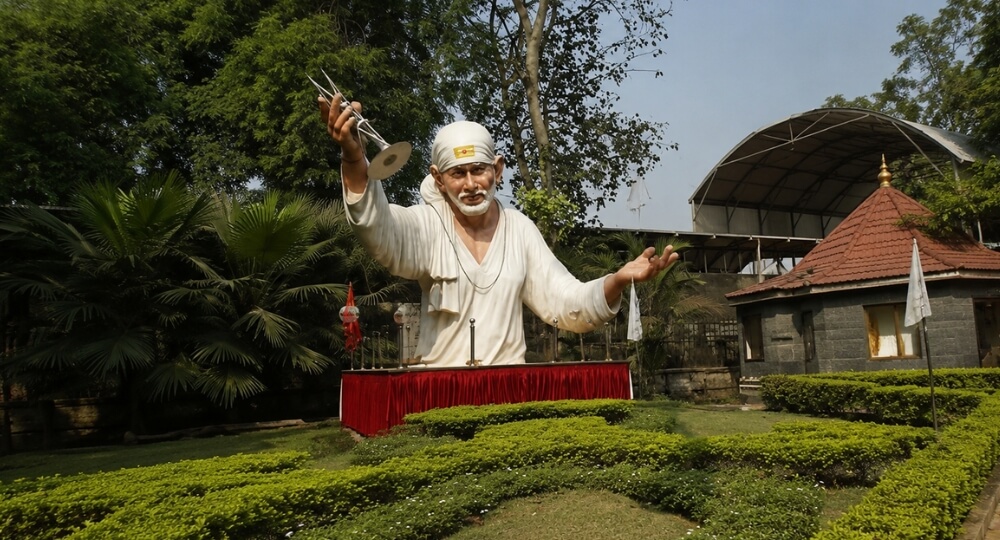
Home of Sai Baba Devotion: Shirdi
South India’s No.1 Travel Brand
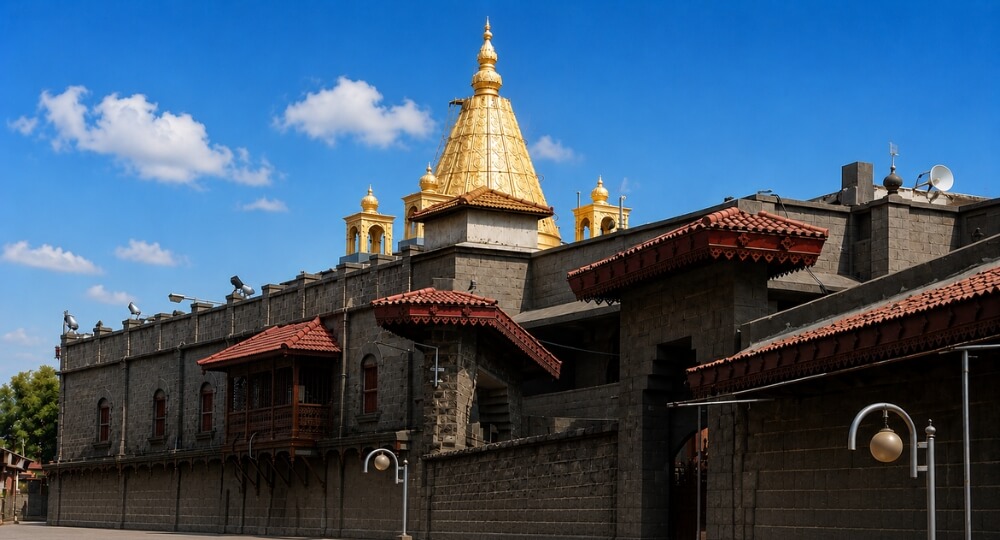
Shri Sai Baba Samadhi Mandir
Most Sacred Shrine in Shirdi
Marathi, Hindi, English
Languages Speaking
Lendi Baug
Sacred garden associated with Sai Baba
October - March
Best Time to Visit Shirdi
Essential Tips for Travelling to Shirdi
ATMs

ATMs are easily accessible across the city.

Credit Cards

Most places accept both cash and UPI payments.

Bank

Banking services are easily accessible in the city.

spiritual icon

Respect local traditions and holy spiritual sites.

Safest

Residents are known for their warm hospitality.

Shirdi - Overview

By Purpose

tour package tourism

Couples

For Newlywed Vacations

tour packages business

Family

For Family Vacations

Top Attractions and Nearby Sights

Shri Sai Baba Samadhi Mandir

Wet N Joy Water Park Shirdi

Trimbakeshwar Jyotirlinga Temple

Dwarkamai Mosque

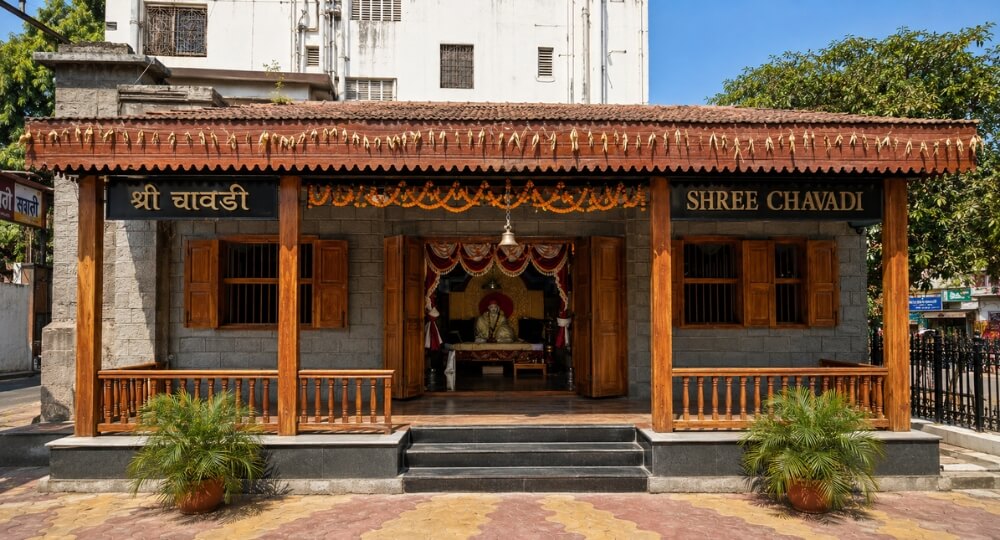
Chavadi

Gurusthan

Lendi Baug

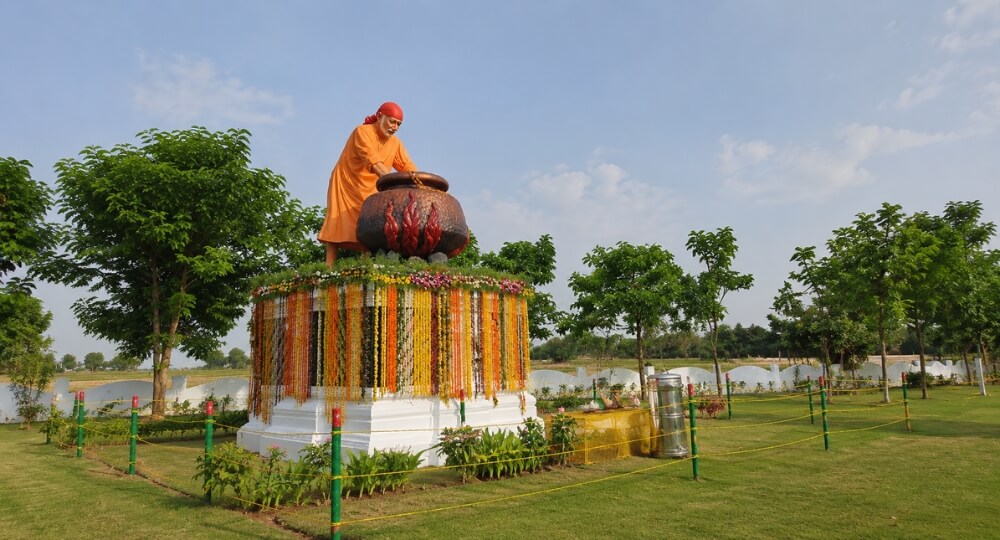
Sai Heritage Village

Ellora Caves

Ajanta Caves

Shani Shingnapur Temple

Grishneshwar Jyotirlinga Temple

Everything You Need to Know About Shirdi Tour Packages

Until the early 20th century, Shirdi was a quaint and impoverished village with a few homes and a dilapidated mosque. In other words, it was like any other remote Maharashtrian village until a 16-year-old visited and, apparently, sat in deep meditation under a neem tree. He later left the place, only to return after a few years and sit in meditation under the same neem tree. His fame and name spread far and wide, attracting thousands of devotees who had heard about Sai Baba’s many miracles. After Baba attained Samadhi, a temple built on the very place where he was laid to rest now attracts millions of devotees from all over the world. Today, Shirdi is one of the most popular pilgrimage places in India, on par with Tirupati and Vaishno Devi. Read on to learn more about this holy city. And if you’d like to book Shirdi tour packages from GT Holidays, call us at +91 9940882200.

Table of Content:

About Shirdi

Shirdi is famous for the Sai Baba Samadhi Mandir, where the great 20th-century saint and philosopher, Sai Baba, was buried after attaining Mahasamadhi. This once quaint village is now a bustling city, attracting millions of devotees from across the world. Sai Baba, the main deity in the temple, is known to grant boons to his devotees. The city is part of the Ahmednagar District, which has long been a hub for co-operative sugar factories and is also a religious hub. Ahmednagar is Maharashtra’s largest district and famous for its grape farms, sweet limes, and pomegranates. People visiting Shirdi also visit Shani Shingnapur, the famous Shani temple and Trimbakeshwar, one of the 12 Jyotirlingas. To book your Shirdi tour packages, call us at +91 9940882200.

History

Not much is known about Shirdi before Sai Baba visited it. All we know is that it was a small and sparsely populated village, full of caste and class discrimination. Nobody knows why Sai Baba chose this impoverished, snake-infested village to preach his message of universal love and compassion. Even the name Sai was given to him by Mahalsapati, as nobody knew his real name or details about his birth. Sai Baba deflected questions about his origin, considering them unnecessary and irrelevant.

To learn more about this divine city, call us at +91 9940882200 to inquire about our Shirdi tour packages.

Geography

Shirdi experiences a dry and tropical climate with hot summers and pleasant winters. The region also experiences some rain but is largely dry. It is a landlocked city located on the banks of the Godavari River, and shares borders with Nashik in the northwest, Aurangabad in the east, and Pune in the south. The region around Shirdi is famous for its vineyards and religious sites.

Economy

Shirdi’s economy is largely supported by tourism and hospitality. These two industries have single-handedly transformed this sleepy agricultural village into a modern city with an international airport, railway and bus stations linked to major cities across India.

Some other minor but significant industries that supplement the city’s economy include wood-based panels, TMT manufacturing, and agricultural processing. In addition, regions around Shirdi are famous for pharmaceutical industries.

Tidbits About Shirdi

  • The neem tree where Sai Baba first meditated stands even today and is called Gurusthan.
  • The sacred fire (Dhuni) at the Dwarkamai Mosque has never been extinguished since it was first lit 150 years ago.
  • While there are many stories about Sai Baba’s birth and his parents, to date, nobody knows his real name or details about his parents or birthplace.
  • The Shirdi Sai Baba Temple is the third-richest in India.
  • The erstwhile Prime Minister, Shri Morarji Desai, is among the few people who had seen Sai Baba in the flesh.
  • Shirdi welcomes over 50,000 tourists every day during weekdays and over 1 lakh devotees during weekends, Thursdays, and on special days.
  • The Prasadalay, where devotees can enjoy free food, is Asia’s largest solar-powered steam cooking system.

Things to know Before Booking Shirdi Tour Packages

  • October to March is the best time to choose Shirdi tour packages as the climate is pleasant.
  • Tie other popular sites like Shani Shingnapur and Trimbakeshwar with your Shirdi visit to make the tour interesting.
  • Do not carry your mobile phone or camera as they are not allowed within the temple. You can deposit them at the cloak room, but this can be a waste of time.
  • Be prepared for long queues during Aarthi. If you’d like to attend the Aarthi, remember to book an Aarthi Pass.
  • Free Darshan can take around 1.5 to 2 hours during weekdays and more than 3 hours during weekends and Thursdays.
  • Book a VIP or Special Darshan pass to expedite access.
  • Early mornings can be very crowded as devotees queue for the Kakad (morning) Aarthi. In comparison, afternoons are less crowded.

Shirdi At A Glance

Category Details
State Maharashtra
High Season October to March
Languages Spoken Marathi, Hindi, English
Famous Tourist Attractions Sai Baba Temple, Ahmednagar Fort, Bhandardara, Shani Shingnapur, Sandhan Valley
Famous Food Misal Pav, Vada Pav, Prasad Meals at the Sai Baba Temple, Pithla -Bhakri, Sev Bhaji
Souvenirs To Buy Statues of Sai Baba, Religious Souvenirs, Religious Books

Top Reasons To Choose Shirdi Tour Packages

The Miracles Of Sai Baba

Sai Baba’s fame spread far and wide because of the many miracles he performed. He would light lamps with water, produce fire by thrusting his trident into the ground, produce water by hitting the ground with his stick, and even calm storms. Over the years, he helped save lives by curing illnesses and even prevented the spread of cholera to Shirdi. Before his last breath, Sai Baba wanted his Samadhi to be built in the same spot where the temple now stands so he could bless his devotees from beyond.

Among his 11 Vachans or promises include the assurances that whosoever touches Shirdi, their sufferings will end and the promise that he shall be active and vigorous even from his tomb.

Today, millions of people visit Shirdi seeking a boon or a miracle to end their suffering. It is said that whosoever visits Shirdi with Shradha (Faith) and Saburi (Patience) will have their wish fulfilled. Devotees return to Shirdi to express their gratitude for having had their prayers answered. People have reported having their debts cleared, their illnesses cured, and even being blessed with children.

Call us at +91 9940882200 to learn more about our Shirdi tour packages.

A Centre for Communal Harmony

Sai Baba always deflected questions regarding his birth, i.e., his religion or caste. He dressed as a Muslim Fakir, lived in a dilapidated Mosque, but practised religious rituals from Hinduism and Islam. He promoted religious harmony through phrases such as Sabka Malik Ek (One God Governs All) and Allah Malik (God is King).

During his lifetime, he worked towards the unification of different communities, celebrated Ramnavami, and allowed Muslims to offer Namaz at Dwarkamai.

Today, among the many devotees who visit Shirdi are Muslims, Sikhs and Hindus. People of all castes and sects visit the temple seeking Sai Baba’s blessings.

Close to Other Religious Places

Shirdi is only an hour’s drive from Shani Shingnapur, the famous temple dedicated to Lord Shani, the personification of Planet Saturn. This powerful temple is believed to house a living deity who fiercely guards the village and its people.

The city is also close to the Trimbakeshwar Temple, a Jyotirlinga believed to have existed since antiquity, but was destroyed by invaders.

Approximately 100 km from Shirdi is the Grishneshwar Jyotirlinga in Aurangabad. It is the last of the Jyotirlingas and was rebuilt by Queen Ahilyabai Holkar in the 18th century.

The 18th-century Kalaram Temple, built by Gopikabai Peshwa, is another famous temple, about 2 hours from Shirdi.

If you have heard about the legend of Sita staying in Panchvati during their Vanvaas, you must explore Sita Gufa. It is believed that Sita worshipped Lord Shiva in this cave.

About 2 hours from Shirdi is Pandavleni, a series of caves that could be over 2000 years old and home to historic Jain saints like Thirthankara Vrishabdeo and Ambikadevi.

Visitors to Shirdi always make a point of visiting Panchvati in Nashik, the site of the Kumbh Mela held every 12 years.

Call us at +91 9940882200 to learn more about our Shirdi tour packages.

Historical Places Associated With Sai Baba

A visit to Shirdi is incomplete without a tour of the many places associated with Sai Baba. Since Sai Baba is a historical figure who lived in the 19th century, there are many places in and around the temple that are considered significant.

Dwarkamai is perhaps the most important place associated with Sai Baba. It was here that Sai Baba stayed when he arrived in Shirdi and lived until his Samadhi. He lit a Dhuni that burned 24/7 and gave away the ashes (Udi) to devotees, a practice that continues to this day. Did you know, the Dhuni here has never stopped burning to date?

When you visit Dwarkamai, you can see some of the artefacts that are maintained carefully. This includes the place where he used to sit (marked by a pair of silver Padukas), the waterpot placed on a stand, an earthenware dish called Kolamba, where he used to place the food he obtained from begging, a pulpit, also called Nimbar, and a grinding stone, along with a few chillums with which he smoked tobacco.

Another popular place in Shirdi is the Gurusthan, or the sacred neem tree, where Baba was first spotted as a 16-year-old and spent most of his time meditating. It is also believed to be the resting spot of Sai Baba’s Guru, Venkusa. Devotees believe that the leaves of this neem tree are sweet rather than bitter and have healing powers. People often perform Pradakshina (circumambulation) seeking Sai Baba’s blessings.

The Chavadi is where Sai Baba used to sleep on alternate nights. And when he did so, he was taken on a grand procession that included gunfires, lights, music, decorations, bhajans, and slogans. Carpets were laid for him, and a silver umbrella was placed over his head. While Baba did not enjoy this grandeur, he relented under the requests of his devotees, who wanted to treat him like a Maharaja.

It was here that Sai Baba’s body was bathed for the last time before his funeral. Even today, the temple authorities carry out a procession of Baba’s belongings, including his Satka (stick), Paduka (footwear), and his photograph, from Dwarakamai to Chavadi. Don’t miss checking some of Sai Baba’s belongings, like his wooden bed and a wheelchair, at the Chavadi.

The Lendi Baug is a few metres from Gurusthan. It was here that Baba visited the garden every day to tend the plants and trees he had planted. The place gets its name from a small stream that flowed here. Every day, Baba used to visit Lendi Baug, accompanied by a musical band at 8 in the morning and at 3 pm. Lendi Baug also has a well dug by Sai Baba with help from his devotees. The Baug is also home to several Samadhis of Baba devotees, including Tatya Kote Patil, Abdul Baba, and the horse Shyam Sundar, which bowed to Sai Baba.

The Khandoba Temple, where Sai Baba was first addressed as Sai by Mhalsapati, is a must-visit. Khandoba was the presiding deity of Shirdi village and was believed to be an incarnation of Lord Shiva. It was here that, when Sai Baba visited Shirdi along with the marriage party of Chand Patil, Mhalsapati greeted Baba, saying, “Aao Sai,” meaning “Come Sai.”

Haji Abdul Baba was one of Baba’s most ardent devotees who lived by his principles of eating and sleeping less. He begged for food and slept wherever he could. The temple authorities leased the land and the cottage where Abdul Baba stayed until his death and looked after Baba’s Samadhi. One can still view the fire prongs (Chimta) gifted to Abdul Baba by Sai. After Sai Baba’s Samadhi, Abdul used this Chimta to cure people of their pain and ailments.

Call now at +91 9940882200 to book our Shirdi tour packages.

Electrifying Aarthis

During his lifetime, aarthis were performed to Sai Baba every day. While he initially refused requests for such worship, he eventually relented after repeated requests from his devotees. The first Aarthi was performed by Tatyasaheb Noolkar, who also has the honour of starting the Guru Puja celebrations on Guru Purnima Day. During the early years, only the Kakad (morning) Aarthi and the Shej (night) Aarthi were performed at the Chavadi. It is believed that when the Aarthi was performed, Baba would sit smoking his Chillum, unmindful of the reverence that was being accorded to him.

In the beginning, when the custom of Aarthi was started, people sang psalms adapted from traditional hymns composed by medieval saints in honour of Lord Vithal. It was Shri Krisna Jogishwar Bhisma who composed the first Shirdi Sai Baba Aarthi.

Today, four Aarthis are performed in Shirdi – the Kakad Aarthi, Madhyan Aarthi, Dhup Aarthi, and Shej Aarthi – representing the four Kalas of the day: morning, noon, evening, and night. The aarthis are performed in accordance with the Book of Daily Worship, which contains thirty psalms, with sixteen exclusively for Sai Baba.

The Kakad Aarthi is the most popular of all and signifies the awakening of Sai Baba. It starts with the curtains opening and priests singing Utha Utha Sakal Jala, meaning wake up, Sai, it is morning.

The Madhyan Aarthi includes the Maha Neivedyam or offering food and water along with Dhoop and Deep.

The Dhoop Aarthi is performed in the evening, while the Shej Aarthi is the final Aarthi when Baba’s robes are changed, and the curtains are closed.

It is indeed exhilarating to watch thousands of devotees singing the Bhajans in sync with the temple priests. Some people are so overwhelmed by the Aarthi that they often cry loudly, overcome by emotion.

To experience this at least once in your lifetime, call us to check our Shirdi tour packages.

Best Time To Choose Shirdi Tour Packages

As part of the Deccan Plateau, Shirdi experiences a tropical to dry climate with two distinct seasons: hot and dry summers and mild, dry winters. It does get moderate rainfall during the typical monsoon months from June to September. Read on to learn more about the city during different seasons and the best time to choose Shirdi tour packages.

Summer (March to May)

Summers in Shirdi can be hot, dry, and generally unpleasant. The average temperature ranges from 27°C to 32°C during these months, with temperatures sometimes reaching 38°C, especially at noon. It is, however, pleasant during the early morning hours, with average temperatures hovering around 23°C at 4.00 am, when the temple opens for Kakad Aarthi.

If you are travelling to Shirdi during summer and wish to avoid peak temperatures, we suggest taking a Kakad Aarthi pass to avoid the crowd while still enjoying the darshan. However, it is expensive, costing around INR 600 per person.

If you can bear the heat, consider visiting the temple around noon, when it is less crowded (except on Thursdays and special days).

Ramnavami is celebrated with great enthusiasm in Shirdi and is a three-day festival when millions of devotees visit the temple. Besides puja and bhajan, several Qawwali sessions are held around the temple. Also, the temple and Dwarakamai are open all night on Ramnavami with special Palaquin processions and rath yatras.

Monsoon (June to September)

Shirdi experiences moderate to heavy rainfall during the monsoon, averaging 138-160 mm. The weather is pleasant with temperatures ranging from 24°C to 27°C. However, humidity can be high during the monsoon, reaching 80%. While rain can make the scenery lush and green, the roads can be slippery and messy.

While the monsoon is generally considered the off-season, Shirdi is very crowded during Guru Purnima. It is the most-awaited event at the temple, featuring special Aarthis, prayers, and bhajans, along with a Palaquin procession. Special pujas are also offered at Dwarakamai on Guru Purnima. Vijayadashami is another major event celebrated in the temple as it is considered the day Sai Baba attained Samadhi.

Winter (October to February)

This is peak tourist season and the best time to book Shirdi tour packages. The climate is pleasant and dry, with an average temperature ranging from 21°C to 23°C, and can drop as low as 12°C. December and January are the coldest months of the year, with temperatures hovering around 14°C. Since this is peak season, we suggest booking Darshan tickets in advance to avoid long queues.

The temple is crowded on festivals like Diwali, Sharad Purnima, and Karthik Ekadashi. But the most important event during this season is Datta Jayanti, when processions and special pujas are arranged across the city to commemorate the birth anniversary of Dattatreya. Some devotees believe Sai Baba to be an incarnation of Dattatreya; hence the celebrations.

Top Tourist Attractions In Shirdi

While everyone knows about the main temple where Sai Baba was buried, not many are aware of the multiple places associated with Baba’s lifetime. Here are a few places you must visit during your Shirdi tour packages.

Samadhi Mandir

Following his Mahasamadhi, Sai Baba’s body was buried in the Butti Wada, a private property recently purchased by Gopalrao Butti. The site was intended as a resthouse with a temple for Lord Krishna. It became Baba’s final resting place when Baba came into Gopalrao’s dream, asking him to build a home and temple.

Since the temple was built around the Samadhi, it came to be called Samadhi Mandir. It was private property called Dagadi (Stone) Wada or Butti Wada until it was transferred to a trust in 1922.

When Sai Baba was buried along with a few of his belongings, devotees placed a photo of Sai Baba on a throne on the tomb’s platform. The marble statue that we now see was installed in 1954 and sculpted by Balaji Vasant Talim.

The mandir we now see is many times the original building to accommodate the ever-increasing flow of devotees.

Call us at +91 9940882200 to learn more about the Shirdi tour packages.

Dwarkamai

Dwarkamai was the mosque where Sai Baba moved in when he arrived in Shirdi to stay. It is believed that he wished to stay at the Khandoba Temple, but Mhalsapati would not allow a Muslim to remain there, although Sai’s charm and wisdom took him in. It was not called Dwarkamai during Sai Baba’s time, but later came to be called so when one of Baba’s devotees wanted to visit Dwarka, Sai Baba told him that the mosque itself was Dwarka and that he need not go anywhere else. The Mai in Dwarkamai refers to mother, as Baba considered the mosque to be an embodiment of motherhood. In fact, Sai Baba referred to it as Masjidmayi or Masjid Ayi.

Today, among other things, the Dwarkamai maintains a sacred Dhuni, or fire, that has never been extinguished since Baba lit it first. The sacred ash or Udi from the Dhuni is given away to devotees as his blessings. It also holds a waterpot, along with other belongings such as a chillum, a grinding stone, and a life-size portrait of Sai Baba.

Lendi Baug

Lendi Baug was Sai Baba’s favourite garden, which he visited every day without fail at 8.00 am and 3.00 pm. He tended the garden, growing a variety of plants and trees, including a neem tree. It is also home to several Samadhis of Sai Baba’s most ardent devotees, including his favourite horse, Shyam Sundar, who bowed to him.

The place gets its name from a small stream that flowed near the garden. Sai Baba often threw three coins in the stream. Until the 1980s, the garden was home to several fragrant plants that attracted peacocks, deer, rabbits, and birds. After a major renovation, only a portion of the original garden now exists.

Call now to learn more about our Shirdi tour packages.

Chavadi

The Chavadi is a historical site where Sai Baba used to sleep every alternate night. A Chavadi is an administrative place where villagers gather together to chat and discuss things. When Sai Baba visited the Chavadi, he was taken on a procession filled with lights, music, bhajans, and slogans. It was at the Chavadi that Sai Baba was taken for his final bath after his Mahasamadhi before being buried. The Chavadi has been renovated and is now open to devotees for visits. Even today, a procession of Baba’s belongings, including his photo, footwear, and Satka, is taken from the Dwarkamai to the Chavadi, where they are placed on a silver throne.

Gurusthan

The Gurusthan is where Sai Baba was first found when he visited Shirdi as a young 16-year-old. Today, the neem tree and its surroundings are a highly revered site where the neem leaves are known to be sweet rather than bitter. It also consists of a Paduka and an idol of Sai Baba, installed in 1974. It is believed that the Gurusthan was the resting place of Baba’s Guru, Venkusa.

Dixit Wada

The Dixit Wada museum houses several personal artefacts of Sai Baba, including his Padukas, his Chillum, and a rare collection of black-and-white photographs. It was the home of Kakasaheb Dixit, who built it for devotees to stay while visiting Shirdi.

Mhalsapati’s House

Mhalsapati House is the ancestral home of Mhalsapati, Sai Baba’s most ardent devotee, who also gave him the name Sai. His descendants now manage the house and house a shrine to Mhalsapati, along with his personal belongings.

Places Near Shirdi You Must Visit With Your Shirdi Tour Packages

Nashik

Famous For: Temples, Hill Stations, Vineyards, Waterfalls

Top Tourist Attractions: Panchvati, Ram Kund, Kalaram Temple, Trimbakeshwar Jyotirling, Sita Gufa, Pandavleni Caves, Sula Vineyard, Harihar Fort, Saptashrungi Mandir, Someshwar Falls, Igatpuri, Saputara

Ahmednagar

Famous For: Forts, Hill Stations, Temples

Top Tourist Attractions: Bhandardara, Shirdi Sai Baba Temple, Kalsubai Peak, Harishchandragad, Ghatgar Dam, Mula Dam, Meherabad, Ahmednagar Fort, Cavalry Museum, Randha Waterfalls

Pune

Famous For: Natural Attractions, Historical Sites, Waterfalls, Temples, Forts

Top Tourist Attractions: Alandi, Malshej Ghat, Aga Khan Palace, Shaniwarwada, Shrimant Dagdusheth Halwai Temple, Sinhagad Fort, Raja Dinkar Kelkar Museum, Ahobila Mutt, Mahadji Shinde Chhatri, CHaturshrungi Temple, Lonavala, Lavasa, Bhimashankar Jyotirling

Aurangabad

Famous For: Heritage Monuments, Forts, Handloom Sarees, Temple

Top Tourist Attractions: Grisneshwar Jyotirling, Ajanta and Ellora Caves, Daulatabad Fort, Bibi ka Maqbara, Salim Ali Lake, Soneri Mahal, Pitalkhora Caves, Aurangzeb Tomb

Shopping

Shirdi is not known for its shopping, except for religious paraphernalia related to Sai Baba around the temple. This includes statues of Sai Baba, books such as Sri Sai Satcharita and Bhagavad Gita, photo frames, sweets, and malas. You can also shop for Paithani sarees, famous in Maharashtra.

Dos and Don’ts of Visiting Shirdi

  • Do not talk lightly of Sai Baba in Shirdi (or anywhere in Maharashtra). He is highly revered in the state.
  • Be patient when waiting in the queue, as it can get quite overwhelming.
  • Do not carry your phone, camera, or huge bags within the temple.
  • Dress modestly – shorts, lungis, or short skirts are not allowed within the temple.
  • Ensure your children are supervised. It can be easy to lose them in the crowd.
  • You can drive to the temple, but finding a parking space can be a challenge. We suggest taking an auto from your hotel to the temple.
  • Plan your darshan well in advance, especially if you are visiting on special occasions like Ram Navami, Guru Purnima or Thursdays.

Food

Shirdi is known for its simple, rustic, and predominantly vegetarian cuisine, especially around the temple. Some of the city’s staples include Misal Pav, Poha, Sabudana Wada, Sabudana Khichdi, Bharli Vangi, Pithala Bhakri, etc. But the most famous food in Shirdi is undoubtedly the free food served at the Prasadalay. Since the time of Sai Baba, the temple has been providing Annadaan or free food as Sai Baba’s prasad to devotees.

If you are looking for a simple meal, we suggest trying Varan Bhat or rice served with plain Dal and a dollop of butter, along with a squeeze of lime. This is served with a rustic vegetable or just a pickle. And if you’d like to spice things up, we suggest adding Bharli Vaangi to this meal – it is nothing but stuffed brinjal sauteed in a spiced gravy.

Some of the popular dishes you must try with your Shirdi tour packages include:

Misal Pav: A spicy curry made with sprouted lentils and topped with Farsaan and onions.

Vada Pav: An indigenous sandwich made using local bread called Pav. A spicy potato fritter is sandwiched between the Pav and served with spicy and sweet chutney.

Puri Shrikhand: Surprisingly, Puri is served with sweetened yoghurt and flavoured with cardamom and saffron. You can also enjoy Puri with spicy potato gravy or Sheera, a sweet made with semolina.

Bhakri: This is a rustic bread made from millet flour, like Ragi or Sorghum, or even rice flour. This is served with crushed onions, green chillies, or pickle. You can also enjoy this with Pithala, a spicy gravy made with Besan (gram flour).

You must also try the Sev Sabji made using Sev or gram flour fritters.

If you love non-vegetarian food, there are plenty of restaurants farther from the temple serving yummy and rustic Maharashtrian food. This includes Kala chicken, Kharda Chicken, and other North Indian delicacies. Don’t miss the mutton/seafood/chicken Thali when in Shirdi.

Travel Tips

visa_information_icon

Visa Information

Check visa requirements before traveling, ensuring a smooth entry and compliance with destination regulations.

health and safety tips icon

Health and Safety Tips

Prioritize health, stay hydrated, follow safety guidelines, and maintain personal hygiene for a secure journey.

currency and tipping icon

Currency and Tipping

Familiarize with local currency, consider customary tipping practices for respectful and seamless travel experiences.

Share Your Ideal Tour: Let Us Customize!

FAQs:

What is the best time to choose Shirdi tour packages?
The best time to visit Madurai is during the winter months, i.e., from October to February, when temperatures range from 12°C to 30°C.
Is Shirdi a safe city?
Shirdi is generally safe, but it is advisable to use common sense. Avoid travelling alone after dark and steer clear of crowded places.
How many days do I need to explore Shirdi?
You need one day to explore the temple and other important places associated with Sai Baba. But if you need to explore nearby places, we suggest booking a 4-5-day Shirdi tour package.
What souvenirs do I buy for friends and family from Shirdi?
Authentic Paithani sarees, Sai Baba sculptures and photo frames, books like Sai Satcharita, malas, and other religious souvenirs can be purchased in Shirdi. In addition, you can also purchase the Chadar (shawl) or Kafni (robe) worn to the idol of Sai Baba. They are auctioned to devotees by the temple trust.
Is there a dress code one must follow when visiting the temples in Shirdi?
While there is no dress code per se, devotees are expected to dress modestly, preferably in traditional Indian attire. Also, men are not allowed in the temple wearing a Lungi, Bermuda shorts, or shorts. The same goes for women. You must also remove your footwear, including socks. Also, cameras, mobile phones, large backpacks, etc., are not allowed inside the temple.
Can I customise my Shirdi tour package?
Yes, you can always customise your Shirdi tour package to include or exclude places from your itinerary.
What are the neighbouring places one can visit while visiting Shirdi?
Shani Shingnapur, Kalaram Temple, Trimbakeshwar, Igatpuri, Bhandardhara, Ajanta and Ellora Caves are some places you can visit with your Shirdi tour packages.
Does your Shirdi tour package include Trimbakeswar as well?
Yes, most Shirdi tour packages include a visit to Trimbakeshwar, as it is only a 2.5-hour ride from the city. But if you do not want to visit the Trimbakeshwar Temple, we can customise a package exclusively for you.
How much do Shirdi tour packages cost?
The cost of Shirdi tour packages varies depending on the itinerary, the number of people in your group, and accommodation options.
How far is Shirdi from Pune?
Shirdi is only a 4-hour drive from Pune. You can also visit Shirdi directly, as the city is well-connected by train and plane.

Book Your Dream Vacay Today!

=
×

Enquire Now

=