1

Tour Package

Yercaud Tour Packages

Jewel of the South

SUPER DEAL PRICE

STARTS FROM

per person on twin sharing
Scenic Hill Drive Destination: Yercaud
South India’s No.1 Travel Brand
Killiyur Falls
One of the Most Scenic Natural Attractions
Pagoda Point
One of the Most Popular Viewpoints
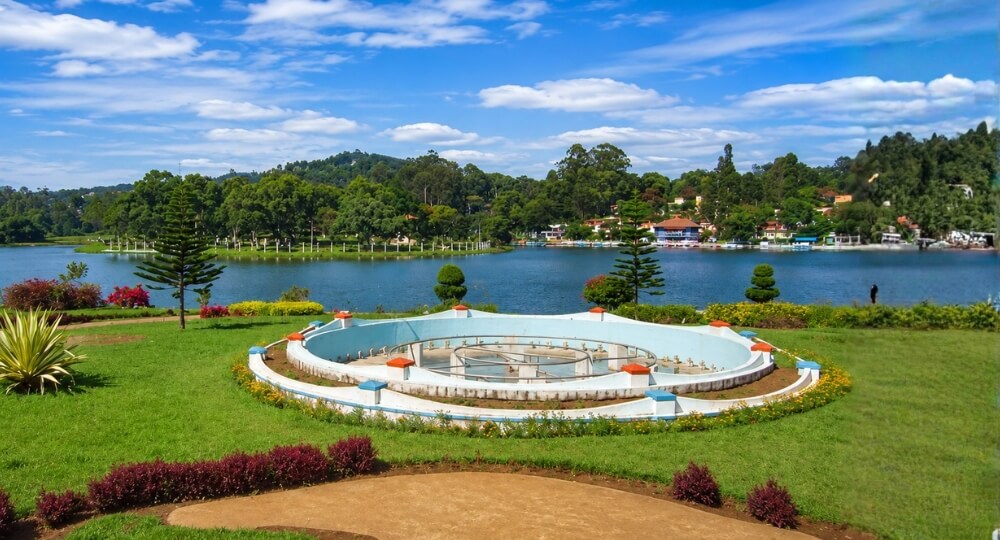
Yercaud Lake
One of the Most Iconic Attractions
Tamil, English
Languages Speaking
Essential Tips for Travelling to Yercaud

ATMs are available in the main tourist areas.

UPI and cash payments are widely accepted.

Banking facilities are available in Yercaud.
Respect plantation properties and local customs.

Residents are known for their warm hospitality.

Yercaud - Overview
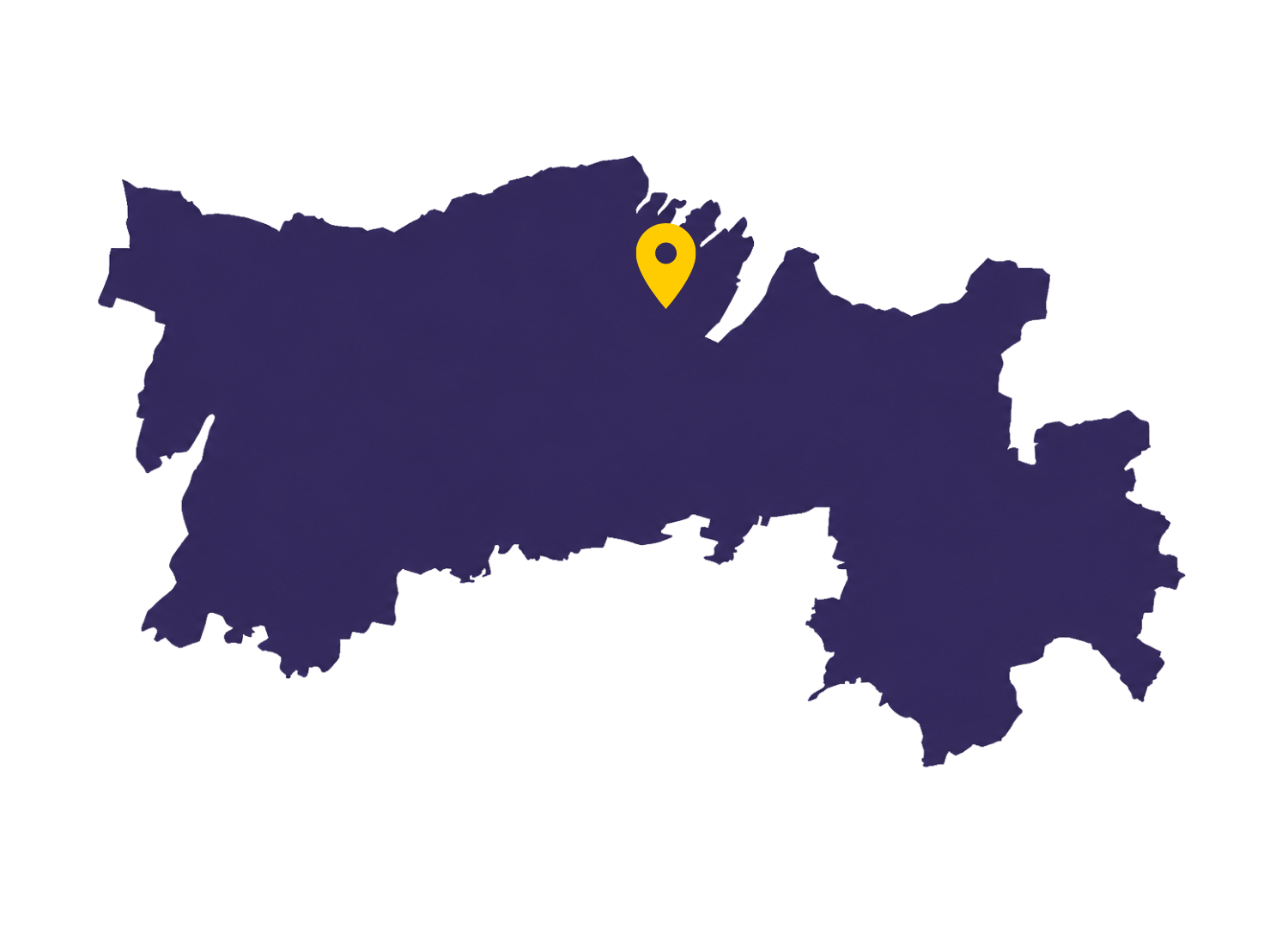
yercaud map

By Purpose

tour package tourism

Couples

For Newlywed Vacations

tour packages business

Family

For Family Vacations

Top Attractions

Loop Road

Deer Park

Anna Park

Killiyur Falls

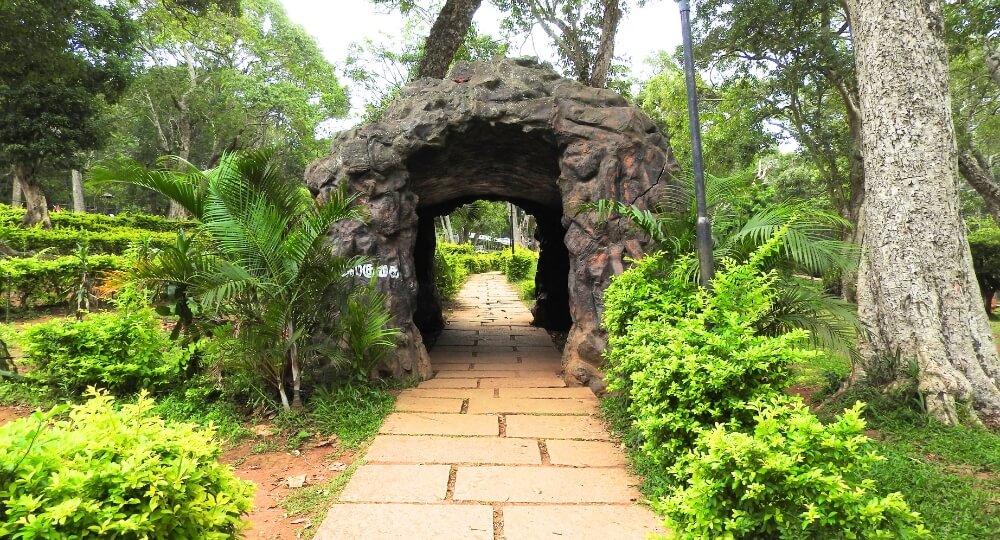
Bear’s Cave

Lady’s Seat

Rose Garden

Yercaud Lake

Pagoda Point

Botanical Garden

Shevaroyan Temple

Tipperary View Point

Karadiyoor View Point

Kottachedu Teak Forest

Sri Raja Rajeswari Temple

Everything You Need to Know About Yercaud

Yercaud sits high above the plains of Salem. To get there, you follow a road that winds up the hillside through twenty hairpin bends. As you climb, the heat fades. Coffee bushes appear between tall silver oak trees, and the air turns cool and faintly sweet, carrying the smell of plantation flowers. By the time you reach the top, the noise of the city feels far away. Yercaud does not rush you. It invites you to slow down, take a walk around the lake, and watch the mist drift across the valley in its own time.

For Indian travellers, Yercaud feels both familiar and calm. It has the quiet charm of a small hill town rather than the buzz of a busy resort. The lake lies at its centre, ringed by gardens and little shops. Coffee estates spread across the slopes, and viewpoints look out over the plains far below. Often called the “Poor Man’s Ooty” or the “Jewel of the South,” Yercaud offers cool weather, short distances, and modest prices without the crowds of bigger destinations. Yercaud Tour Packages suit travellers who enjoy greenery, easy walks, plantation life, and a slower pace away from heavy tourist traffic.

About Yercaud

Yercaud sits in the Shevaroy Hills, a sub-range of the Eastern Ghats in the Salem district of Tamil Nadu. The name comes from the Tamil words yeri, meaning lake, and kaadu, meaning forest, a fitting description for a hill station built around a central lake and once wrapped in dense woodland. The town stands at about 1,515 metres above sea level, with the highest point, the Servarayan (Shevaroy) Temple, rising to around 1,623 metres.

The Shevaroy Hills cover roughly 400 square kilometres of elevated plateaus and ridges, generally between 1,200 and 1,500 metres. The terrain is a mix of rolling slopes, wooded valleys, rocky outcrops, and cultivated plantation land. Unlike the steep, dramatic peaks of the Western Ghats, the Shevaroys have a gentler, more rounded character, with broad views opening out from the ridge edges toward the plains below.

The landscape is defined by its plantations. Coffee dominates, grown under the shade of silver oak trees, alongside orange groves, jackfruit, guava, pepper, and cardamom. Patches of original reserve forest survive on the higher and less accessible slopes, holding sandalwood, teak, and silver oak, along with pockets of shola forest. This combination of cultivated estates and protected woodland gives Yercaud its layered green appearance, where neat rows of coffee bushes give way to wilder forest at the edges.

Yercaud Lake, sometimes called the Big Lake or Emerald Lake, sits at the heart of the town. It is a managed waterbody fringed by gardens and a popular starting point for most visitors. The overflow from the lake feeds Kiliyur Falls, which drops into a forested valley nearby. Several smaller waterbodies and seasonal streams thread through the hills.

The climate is one of Yercaud’s main attractions. Thanks to its elevation and position, the hill station enjoys a mild, equable climate through much of the year. Summers stay comfortable even when the plains around Salem are intensely hot, which is why Yercaud has long served as a warm-weather retreat. Winters are cool rather than bitterly cold, and the monsoon brings rain, mist, and a deep flush of green across the slopes. This year-round mildness means Yercaud can be visited in almost any season, though the experience shifts noticeably with the weather.

History & Heritage

Yercaud’s human history runs deep. Stone implements found on the Shevaroy Hills, a few kilometres from the lake, suggest the area was inhabited as far back as the Stone Age. For centuries, the hills were home to communities living off the forest and small-scale cultivation, set apart from the towns of the plains by the steep climb and dense woodland.

The local population includes the Malayali (people of the hills) tribal community (not to be confused with the Malayalam-speaking people from Kerala), who, according to local tradition, settled in these hills several centuries ago, moving up from the plains to escape conflict and oppression below. They cultivated the slopes, worshipped at hilltop shrines, and gave the region much of its enduring cultural character. Their presence remains strong today, with many villages across the Shevaroy Hills and several local landmarks, including Pagoda Point, carrying associations with their traditions.

The modern story of Yercaud begins in the 19th century. In the 1820s, M. D. Cockburn, the British collector of the Salem district, played a pivotal role in transforming the hills. He introduced coffee cultivation, bringing plants to the region and establishing the early estates. He also brought in citrus fruits, pears, and apples, reshaping agriculture on the slopes. Cockburn built a bungalow and estate that came to be known as the Grange, one of the earliest European structures in the hills, and is often remembered as the “Father of Yercaud.”

Coffee took hold quickly. European planters opened estates across the Shevaroy Hills through the 1820s, and coffee became the defining crop of the region, a position it still holds. Over the following decades, the hill station developed further as a recreation retreat, attracting officials and planters seeking relief from the heat of the plains. Colonial-era bungalows, churches, schools, and plantation estates appeared across the hills, several of which survive today as heritage properties and institutions.

Through the colonial period and after Independence in 1947, Yercaud retained its quiet, plantation-town character. It never grew into a large resort town, as some other South Indian hill stations did, which helped preserve its slower pace. The estates continued producing coffee, oranges, and spices. The lake, gardens, and viewpoints became the focus of a modest but steady flow of visitors, drawn by the cool climate and the relative affordability that earned Yercaud its nickname, the “Poor Man’s Ooty.”

How to Reach Yercaud

Yercaud sits high in the Shevaroy Hills, reached by a winding ghat road up from the plains. The town itself has no airport or railway station, so most travellers route through the nearby city of Salem, about 30 km away, which serves as the main gateway.

By Air

Yercaud has no airport of its own. The nearest is Salem Airport, about 38 to 47 km away, which has limited domestic connectivity, primarily to Chennai. Flight options here are few, and schedules change seasonally.

For wider connectivity, the more practical airports are Tiruchirappalli (Trichy) International Airport, about 165 km away with domestic and some international connections, and Coimbatore International Airport, about 190 km away. Bengaluru’s Kempegowda International Airport, around 230 km away, offers the broadest range of domestic and international flights for travellers from further afield.

From any of these airports, taxis are the most convenient way onward. The drive from Salem Airport takes a little over an hour, while Trichy and Coimbatore take around 4 hours by road, and Bengaluru is somewhat longer.

By Train

Yercaud does not have its own railway station. The nearest railhead is Salem Junction, about 32-36 km away, one of Tamil Nadu’s major rail hubs. Salem Junction lies on key north–south and east–west routes, so many trains from Chennai, Bengaluru, Coimbatore, Kerala, and other parts of South India stop here. The Yercaud Express from Chennai is among the well-known services that halt at Salem Junction. From the station, taxis and buses are readily available for the onward journey up to Yercaud.

By Road

Road travel is the most flexible and common way to reach Yercaud, with the climb up the ghat road being a highlight in itself.

From Salem: about 30 km, roughly 1 hour up the ghat road with its 20 hairpin bends.

From Bengaluru: about 220 to 230 km, roughly 4.5 to 5 hours via Hosur, Krishnagiri, Dharmapuri, and Salem.

From Chennai: about 350 km, roughly 6 to 7 hours.

From Coimbatore: about 190 km, roughly 4 hours.

State-run and private buses operate regularly from Salem’s central bus stand up to Yercaud, with services at frequent intervals through the day. Taxis are the most comfortable option, especially for families or those planning stops along the way.

Best Time to Travel

October to June offers the most pleasant conditions for travel and sightseeing. April to June is the peak season, when travellers escape the heat of the plains, so the hills are busier and accommodation should be booked ahead. July to September brings monsoon rain, mist, and fuller waterfalls, with a lush green landscape but occasional travel delays and reduced visibility at viewpoints.

Tidbits About Yercaud

Category Details
Location Shevaroy Hills, Salem district, Eastern Ghats, Tamil Nadu
Elevation ~1,515 metres (about 4,970 ft) above sea level; Servarayan Temple, the highest point, at ~1,623 metres (5,326 ft)
Official Languages Tamil. English is understood in tourist areas
Famous For Coffee plantations, Yercaud Lake, misty viewpoints, orange and fruit orchards, and a mild year-round climate
Best Time to Visit Oct–Jun: for pleasant weather and sightseeing
April–Jun: peak season, warmer plains make the hills popular
Jul–Sep: monsoon brings rain, mist, and full waterfalls
Ideal Duration 2 to 3 nights
Nearest Major City Salem ~30 km by road, about 1 hour up the ghat road
Note: The Salem–Yercaud ghat road has 20 hairpin bends

Travel Requirements

  • Carry a valid government photo ID such as an Aadhaar card, driver’s licence, or passport. ID is required at hotel check-ins and may be requested at certain resorts and plantation stays.
  • International travellers must hold a valid Indian visa. Keep both digital and physical copies of passport and visa details handy for hotel registration.
  • Digital payments such as UPI and cards are accepted at most hotels, larger restaurants, and resorts. Carry cash for auto-rickshaws, small plantation shops, local eateries, viewpoint entry fees, and market purchases.
  • Yercaud has no metro system or app-based ride-hailing services. Local travel depends on auto-rickshaws, private taxis, and hired cars. Pre-book vehicles for a full-day sightseeing tour, as the main attractions are spread across the hills.
  • Wear light woollens or a jacket for early mornings and evenings, especially between November and February when temperatures drop. Daytime stays mild for most of the year, so light cotton clothing works well.
  • The ghat road from Salem has 20 hairpin bends. Travellers prone to motion sickness should carry medication and avoid heavy meals before the climb. Drive carefully, especially in mist or after rain.
  • Drink bottled or filtered water. Avoid untreated tap or stream water, particularly during the monsoon months.
  • Carry comfortable walking shoes. Several attractions, such as Kiliyur Falls and the trails around viewpoints, involve short walks or steps on uneven ground.
  • During the monsoon from July to September, carry rainwear and expect slippery paths and occasional mist that reduces visibility at viewpoints. Plan buffer time for travel.
  • Respect plantation property and local customs. Many coffee estates are privately owned, so enter only with permission or on guided tours. Seek consent before photographing people in villages and at temples.
  • Yercaud is an eco-sensitive hill region with reserve forests. Avoid littering, limit plastic use, and follow forest department guidance on trails.

Top Reasons to Choose Yercaud Tour Packages

Pleasant weather all year round

Yercaud’s elevation gives it a comfortable, equable climate for most of the year. Days stay pleasant, evenings turn cool, and the summer heat of the plains rarely reaches the hilltop. For travellers seeking relief from hot weather without the biting cold of higher hill stations, Yercaud offers a gentle, year-round option.

Short distances between sights

The main attractions cluster within a manageable radius around the lake and the central ridge. The lake, gardens, parks, and several viewpoints sit close together, while temples and waterfalls lie a short drive away. This compactness cuts down on long road journeys and tiring transfers, making Yercaud easy for first-time hill-station visitors and families with children.

Coffee estates and plantation walks

Coffee has shaped Yercaud since the 1820s, and the estates remain central to its identity. Guided plantation walks introduce visitors to coffee, pepper, orange, and spice cultivation, often ending with freshly brewed coffee and valley views.

Gardens, lakes, and gentle nature experiences

Beyond the coffee estates, Yercaud has a botanical garden with an orchidarium, well-kept parks beside the lake, viewpoints over the plains, and short trails through teak and shola forest. The nature here is accessible and gentle rather than demanding, ideal for relaxed walks, birdwatching, and unhurried photography.

Best Places to Visit With Our Yercaud Tour Packages

Yercaud Lake (Emerald Lake)

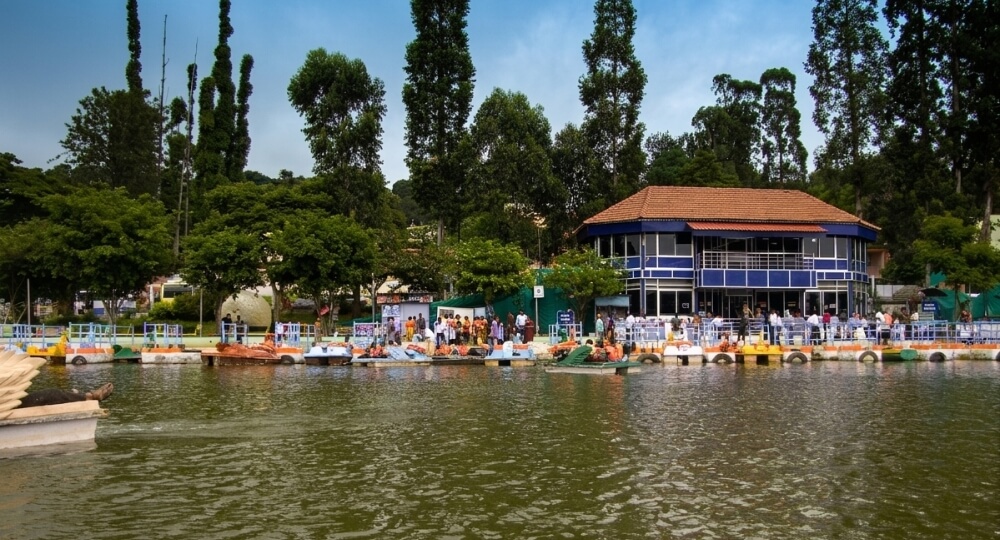
The lake sits at the heart of the town and is the natural starting point for most visits. Fringed by gardens and small shops, it offers boating on calm green water, with pedal boats and rowboats available at the boathouse. The setting, with hills rising around the water, gives the lake its alternate name, Emerald Lake. Mornings here feel quiet and unhurried, before the day’s visitors arrive, and the lakeside is an easy place to sit and take in the cool air.

Lady's Seat, Gent's Seat, and Children's Seat

This cluster of natural rock formations on the south-western edge of the Shevaroy Hills forms one of Yercaud’s most popular viewpoints. Lady’s Seat overlooks the winding ghat road and the plains, with the lights of Salem twinkling far below after dark. A telescope mounted here lets visitors take in the distant view. Gent’s Seat and Children’s Seat nearby offer further perspectives over the valley. Sunrise and sunset are the best times, when the light spreads across the plains below.

Pagoda Point (Pyramid Point)

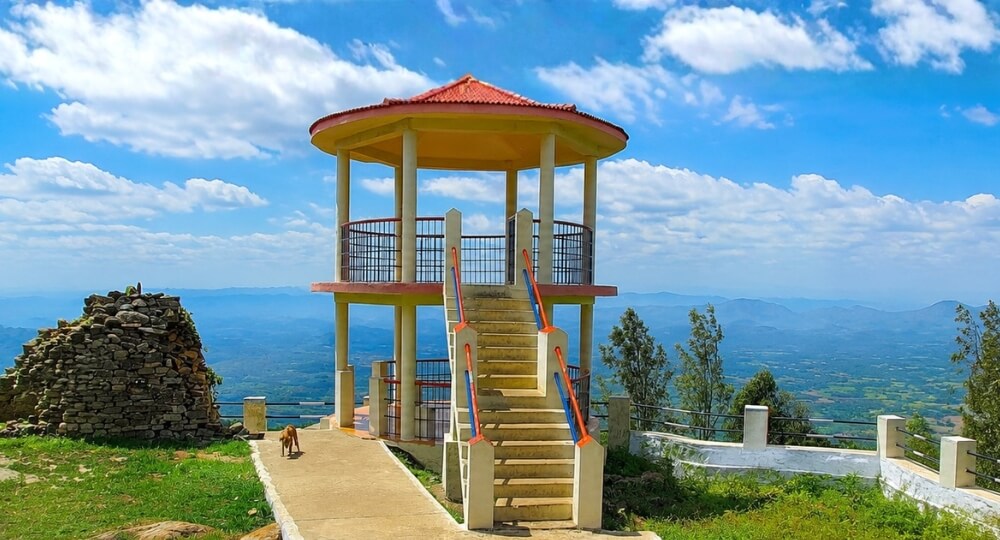
Pagoda Point takes its name from piles of stones arranged in a pyramid-like shape, said to have been built by the local Malayali tribes and resembling temple towers. A small Sri Rama temple stands nearby, making it both a cultural landmark and a viewpoint. The spot looks out toward Salem town and the surrounding villages, and is known for its sunrise and sunset views. It carries a quiet, slightly remote feel compared with the busier lakeside attractions.

Kiliyur Falls

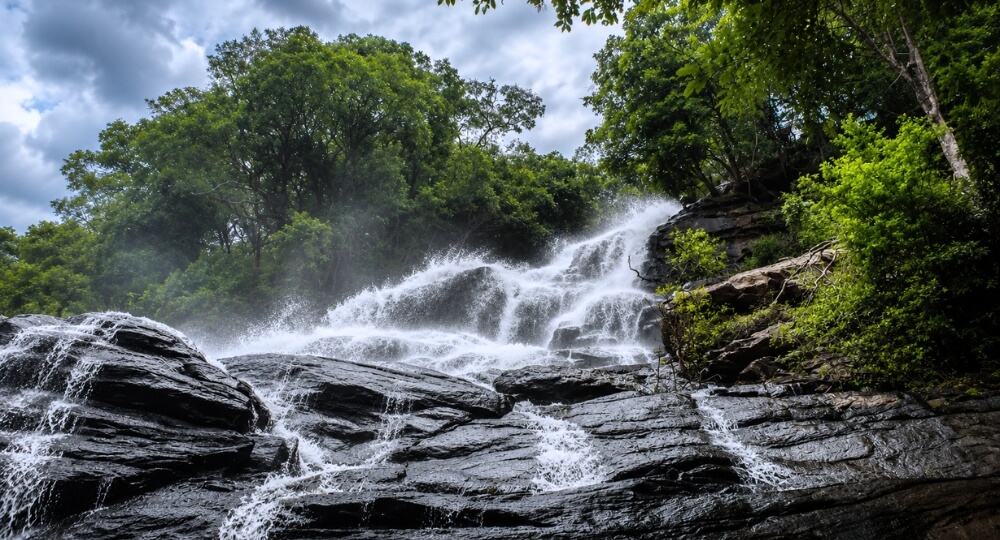
Kiliyur Falls is formed by the overflow waters of Yercaud Lake, dropping around 300 feet into the forested Kiliyur Valley. The falls are at their most dramatic immediately after the monsoon, when water volume is high. Reaching the base involves a short trek down, and the surrounding greenery and valley views reward the effort. It is best visited in or just after the rainy months, when it is full.

Servarayan (Shevaroy) Temple

Perched at the highest point in Yercaud, around 5,326 feet, the Servarayan Temple is a cave shrine dedicated to Lord Servarayan and the goddess Kaveri Amman. The temple holds strong significance for the local Malayali community and draws pilgrims, particularly during festivals.

Botanical Garden and Orchidarium

Maintained by the horticulture authorities, the Botanical Garden showcases a wide range of native and exotic plant species. Its orchidarium, associated with the Botanical Survey of India, houses a notable collection of orchid varieties. For visitors interested in the flora of the Shevaroy Hills, the garden offers a calm, fragrant walk and a closer look at the plant life that thrives in this climate.

Anna Park

Located beside the lake, Anna Park is a well-kept garden maintained by the horticulture department and made up of smaller themed sections, including a Japanese-style park. It holds a collection of plants and trees native to the Shevaroy Hills and serves as a pleasant, family-friendly stop right next to the main lake. Its proximity to the lake makes it easy to combine the two in a single relaxed visit.

Bear's Cave

Bear’s Cave is a natural cave formation in the hills, associated in local lore with use as a hideout in the 18th century. The site appeals to travellers interested in the area’s history and natural rock formations, and offers a short, atmospheric detour from the main circuit of viewpoints and gardens.

Rose Garden

A short distance from the town centre, the Rose Garden displays a collection of colourful roses and is a gentle, pretty stop for those who enjoy gardens. It works well as part of a relaxed morning combining the lake, parks, and gardens that lie close together near the centre.

Deer Park

Deer Park, near the lake, is a small enclosure where visitors, especially families with children, can see deer and enjoy a brief, easy stop. Its central location makes it convenient to fit alongside the lake, Anna Park, and the gardens without additional travel.

Other Places to Explore

Tipperary Viewpoint

Tipperary is a scenic viewpoint a short drive from the town centre, offering wide views over the hills and valleys. It is quieter than the main viewpoints and rewards a stop for those exploring the ridge.

Sri Raja Rajeswari Temple

Located in a scenic valley on the way to the Servarayan Temple, this temple is dedicated to Goddess Raja Rajeswari, a form of Shakti. It was established in 1983 and is a popular pilgrimage stop in Yercaud, set in calm surroundings.

Karadiyur Viewpoint

This viewpoint on the edge of the plateau offers expansive views of the plains and surrounding valleys. It is one of the more dramatic vantage points in the wider Yercaud area and is best visited on a clear day.

Kottachedu Teak Forest

A lesser-visited forest area known for tall teak plantations, birdlife, and walking trails, Kottachedu offers a quieter nature experience away from the main tourist spots. It suits travellers interested in birdwatching and gentle forest walks.

The Grange Estate

One of the oldest estates in Yercaud, built around 1820 by M. D. Cockburn, the Grange stands as a heritage marker of the hill station’s coffee history. The estate and its surroundings are associated with the region’s early colonial development.

Loop Road Drive

A scenic drive that loops through coffee plantations, hills, valleys, and small villages, the Loop Road is considered one of the best drives in the region. It offers a relaxed way to experience plantation life and changing views across the Shevaroy Hills.

Perfume Factories

Yercaud is known for small perfumeries that use the region’s abundant herbs and flowers. Outlets such as long-running, family-run factories sell scents including eucalyptus, jasmine, rose, and musk, as well as coffee and homemade chocolates. A visit gives insight into a small but distinctive local industry.

Hogenakkal Falls

Often called the “Niagara of India,” Hogenakkal Falls lies on the Kaveri River and makes a popular day trip or extension from Yercaud for travellers willing to make the longer drive. Coracle rides and the powerful cascades are the main draw, especially after the monsoon.

Salem

The gateway city of Salem, at the foot of the hills, is known for its steel and textile industries, temples, and markets. Travellers passing through often stop here to shop, dine, or make onward connections.

Shopping in Yercaud

Shopping in Yercaud is small-scale but distinctive in flavour, shaped entirely by the produce of the hills. There are no grand bazaars here. Instead, the appeal lies in the estate-grown coffee, the locally made chocolates, the herbal perfumes, fresh spices, and the honey and fruit products that come straight from the surrounding plantations. Shopping is relaxed and conversational, often done in small, family-run shops near the lake or at plantation outlets, and prices remain modest compared with those in bigger hill stations.

What to Buy in Yercaud

Coffee

Coffee is the signature product of Yercaud, grown on estates that date back to the 1820s. Locally roasted and ground coffee powder, sold in shops and plantation outlets across the town, makes an aromatic and practical souvenir. Many sellers explain the source and roast, and buying directly supports the plantation economy that defines the hills.

Homemade Chocolates

Yercaud has built a small reputation for homemade chocolates, available in a wide range of flavours from plain and milk to nut- and fruit-filled varieties. Sold in shops near the lake and market, they are among the most popular take-home items, especially for families with children.

Herbal Perfumes and Oils

The hills’ abundant herbs and flowers support a small perfumery tradition. Outlets, including long-running family-run perfume factories, sell scents such as eucalyptus, jasmine, rose, lily, and musk, as well as essential oils. Eucalyptus oil in particular is a popular local product valued for its fragrance and traditional uses.

Spices

Pepper and cardamom, grown alongside the coffee on the estates, are sold fresh and make fragrant, lightweight souvenirs. Other locally available spices reflect the cultivation of the Shevaroy Hills.

Honey and Fruit Products

Forest and plantation honey, along with fruit-based products such as jams and preserves made from oranges, guavas, and other fruits of the hills, are sold in shops and on roadside stalls. These reflect the region’s natural produce and travel well.

Where to Buy in Yercaud

Around Yercaud Lake

The area around the lake is the main hub for casual shopping, with shops and stalls selling coffee, chocolates, spices, perfumes, and souvenirs. Its central location makes it easy to combine browsing with a walk by the water.

Yercaud Market and Town Centre

The town centre near the bus stand has small shops selling everyday goods, local produce, and souvenirs. It is a practical place to pick up coffee, chocolates, and snacks for the journey.

Plantation Outlets and Perfume Factories

Several coffee estates and perfume factories run their own outlets where visitors can buy products at the source. These often combine shopping with a short tour or tasting, giving the purchase more context.

Cuisine & Local Flavours

Food in Yercaud follows the broader traditions of Tamil Nadu, with the hill station’s own accents added by its coffee, spices, and fruit. The cuisine is largely South Indian and predominantly vegetarian in the central tourist areas, built around rice, lentils, and the staples found across the state, with the cool climate making warm, comforting meals especially welcome. Layered onto this base is a small but charming café culture, fuelled by the hills’ famous coffee and the homemade chocolates that have become a local speciality.

Core Ingredients and Cooking Style

Tamil cooking forms the foundation, with rice as the staple, accompanied by sambar, rasam, and a variety of vegetable preparations. Coconut, curry leaves, mustard seeds, tamarind, and red chillies are widely used. The hills add their own produce: fresh oranges, jackfruit, guava, and bananas, along with the pepper and cardamom grown on the estates. Coffee, of course, is everywhere, served strong and filtered in the South Indian style. The result is food that is fresh, warming, and well suited to the cool mountain air.

Must-Try Dishes in Yercaud

South Indian Filter Coffee

No visit to Yercaud is complete without its coffee. Grown on the surrounding estates and brewed in the traditional South Indian style, filter coffee is served hot, strong, and frothy in a tumbler and a dabarah. Many cafés and plantation tours end with a freshly brewed cup, and it is among the most memorable flavours of the hills.

Idli, Dosa, and Vada

The classic South Indian breakfast trio is widely available across Yercaud. Soft steamed idlis, crisp dosas (plain or with a spiced potato filling), and savoury vadas are served with coconut chutney and sambar, making a light, warming start to a cool morning in the hills.

Tamil Nadu Meals (Thali)

A traditional South Indian meal plate, often served on a banana leaf, brings together rice, sambar, rasam, several vegetable dishes, curd, pickle, and papad, and is usually served with unlimited refills. It is filling, balanced, and a good introduction to everyday Tamil cooking.

Bisi Bele Bath and Rice Dishes

Borrowed from the wider South Indian cuisine, hot rice-and-lentil dishes such as bisi bele bath, along with lemon rice, curd rice, and vegetable biryani, appear on many menus and suit the cool weather well.

Hot Chocolate and Homemade Chocolates

Yercaud has developed a reputation for homemade chocolates, sold in shops across the town in many flavours. On chilly evenings, a cup of rich hot chocolate at one of the cafés is a local favourite, and boxes of homemade chocolate make popular souvenirs.

Fresh Fruit from the Hills

The estates and orchards yield oranges, jackfruit, guava, bananas, avocados and pears in season. Fresh fruit, fruit-based snacks, and juices are easy to find and reflect the agricultural bounty of the Shevaroy Hills.

Street Food and Light Eats

Bajji and Bonda

Deep-fried snacks such as vegetable bajjis (fritters) and bondas are popular evening street foods, served hot with chutney and best enjoyed in the cool air around the lake and market.

Roadside Corn and Snacks

Around the lake and viewpoints, vendors sell roasted corn, peanuts, and light snacks, ideal for a quick bite while taking in the views.

Where to Eat and How to Experience the Cuisine

Small local restaurants near the lake and bus stand serve reliable South Indian meals, dosas, and filter coffee at modest prices. Cafés around town offer coffee, hot chocolate, and lighter fare in cosy settings, several of which are charmingly decorated and popular with families and couples. Resorts and plantation stays often serve multi-cuisine menus and offer the chance to taste estate-grown coffee at its source. For the most authentic experience, pair a traditional banana-leaf meal plate at lunch with a cup of local filter coffee, and pick up homemade chocolates before you leave.

Culture, Arts & Architecture

Yercaud’s cultural identity lies at the intersection of three influences: the traditions of the local Malayali tribal community, the broader Tamil culture of the surrounding district, and the colonial-era plantation legacy left by British planters. These layers give the hill station a character that feels both rooted in the hills and shaped by the wider world that came to its slopes.

The Malayali Community and Local Traditions

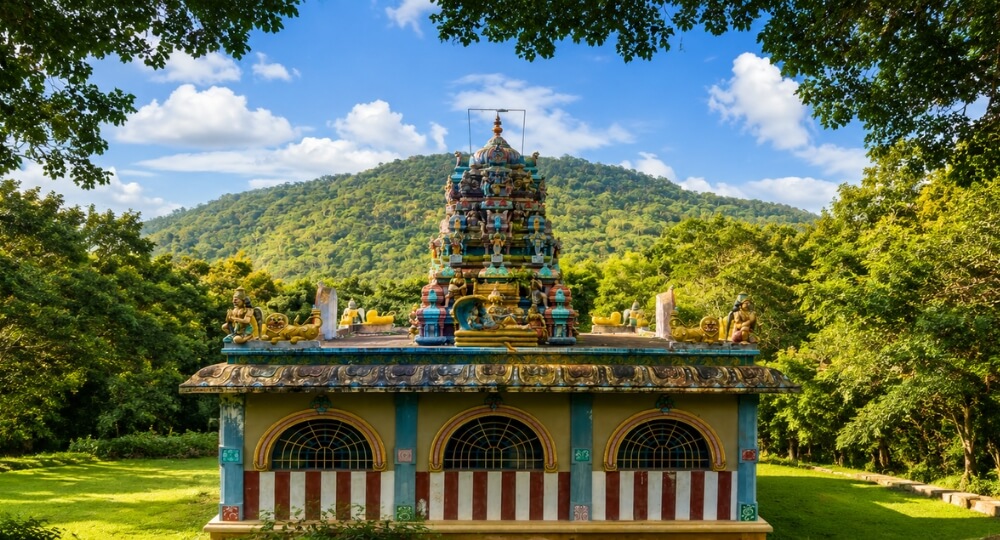
The Malayali tribal community forms the cultural backbone of the Shevaroy Hills. Having settled here several centuries ago, they cultivated the slopes long before coffee arrived and developed their own customs, worship, and ways of living with the hills. Their connection to the land is evident in landmarks such as Pagoda Point, where stone pyramids were raised as temple towers, and in the hilltop Servarayan Temple, a focal point of community worship. Local festivals, fairs, and temple events continue to mark the seasonal calendar, drawing villagers from across the hills.

Colonial Plantation Heritage

The arrival of coffee in the 1820s profoundly reshaped Yercaud. European planters opened estates across the hills, and with them came the bungalows, churches, and schools that still dot the landscape. Several heritage bungalows survive as homestays and resorts, while institutions founded during the colonial era continue to operate. The plantation way of life, with its rhythms of planting, harvesting, and processing coffee under the shade of silver oaks, became central to the hill station’s identity and remains so today. Walking through an old estate, you sense how deeply the colonial agricultural experiment took root in these hills.

Architecture of Yercaud

Yercaud’s architecture is modest and functional rather than grand. The colonial bungalows favour sloped roofs, verandas, and gardens suited to the cool, often misty climate. Local temples, including cave shrines such as the Servarayan Temple, make use of the natural rock of the hills rather than imposing large built structures. Plantation buildings, drying yards, and estate houses reflect the practical needs of coffee cultivation. The overall built character is low-key, blending into the greenery rather than dominating it, in keeping with the town’s quiet feel.

Coffee, Spices, and the Living Economy

More than any monument, it is the working plantation economy that defines Yercaud’s cultural life. Coffee is the headline crop, grown alongside oranges, jackfruit, guavas, peppers, and cardamom. Families across the hills work in cultivation, processing, and the seasonal trade that follows. The annual summer festival, with its flower shows, boat races, and cultural events around the lake, brings this plantation community together and showcases the produce, crafts, and traditions of the hills. For visitors, the culture of Yercaud is best understood not in a gallery but on a plantation walk, in a cup of estate coffee, and in the seasonal fairs that animate the town.

Travel Tips

visa_information_icon

Visa Information

Check visa requirements before traveling, ensuring a smooth entry and compliance with destination regulations.

health and safety tips icon

Health and Safety Tips

Prioritize health, stay hydrated, follow safety guidelines, and maintain personal hygiene for a secure journey.

currency and tipping icon

Currency and Tipping

Familiarize with local currency, consider customary tipping practices for respectful and seamless travel experiences.

Share Your Ideal Tour: Let Us Customize!

FAQs:

Is Yercaud safe for solo travellers?
Yes. Yercaud is generally considered a calm and safe hill station, with low crime rates and locals who are used to visitors. Solo travellers, including women, can comfortably explore the lake, gardens, and main viewpoints during the day. As anywhere, take normal precautions: stick to known areas after dark, choose established stays, and use local taxis for longer distances and remote viewpoints.
When is the best time to book Yercaud Tour Packages?
October to June offers the most comfortable conditions. April to June is the peak summer season, when the cool hills are most popular, and accommodation should be booked well ahead. July to September brings monsoon rain and mist, lush green scenery, and full waterfalls, but occasional travel delays. Thanks to its mild climate, Yercaud can be visited almost year-round.
Is vegetarian food easy to find in Yercaud?
Yes. Vegetarian food is widely available and dominates the central tourist areas, in keeping with Tamil Nadu's strong vegetarian tradition. Most restaurants serve idlis, dosas, vadas, and South Indian meals, as well as rice dishes and café fare. Non-vegetarian options are available but less common in the immediate town centre.
Is Yercaud suitable for family travel?
Yes. The mild climate, compact layout, and gentle attractions make Yercaud comfortable for families. The lake, parks, gardens, deer park, and viewpoints suit all ages, and distances are short. Plan for cool evenings, carry light woollens, and keep the hairpin-bend climb in mind for travellers prone to motion sickness.
How far is Yercaud from Salem, and how long does the climb take?
Yercaud is about 30 km from Salem, with the journey up the ghat road taking roughly an hour. The road has 20 hairpin bends and passes coffee plantations and orchards, making the climb scenic but winding.
Why is Yercaud called the "Poor Man's Ooty"?
Yercaud earned this nickname because it offers a cool-climate, scenic hill-station experience similar to Ooty, but at more modest prices and with far fewer crowds. The relaxed pace and affordability have long made it a popular, accessible alternative to the better-known hill stations of South India.
Can Yercaud be combined with other destinations?
Yes. Yercaud pairs well with Salem and nearby attractions such as Hogenakkal Falls. Travellers on longer South Indian circuits combine it with destinations across Tamil Nadu and neighbouring Karnataka. Its proximity to Bengaluru and Salem makes it easy to fit into a wider itinerary or enjoy as a short weekend break.
What languages do people speak in Yercaud?
Tamil is the main language of the region. Hindi is understood to a limited extent, and English is understood in hotels, resorts, and most tourist-facing services.
How do you get around within Yercaud?
Walking works well around the lake, parks, and gardens, which lie close together near the centre. For viewpoints, temples, and waterfalls spread across the hills, auto-rickshaws and hired taxis are the most common modes of transportation. Many travellers hire a vehicle for a half-day or full-day sightseeing circuit covering the main attractions.
What should you pack for a Yercaud trip?
Pack light woollens or a jacket for cool mornings and evenings, especially from November to February, along with light cotton clothing for daytime. Bring comfortable walking shoes for short treks and uneven paths, rainwear during the monsoon, and sun protection. Carry cash for smaller shops and motion sickness medication if hairpin bends are a concern.
Is the coffee in Yercaud worth trying and buying?
Yes. Coffee has been central to Yercaud since the 1820s, and the estate-grown, locally roasted coffee is one of the highlights of a visit. Filter coffee served in cafés and on plantation tours is a must-try, and packaged coffee powder from plantation outlets makes one of the best souvenirs from the hills.

Book Your Dream Vacay Today!

=
×

Enquire Now

=