1

Tour Package

Home » Tour Packages » India Tour Packages » North East Tour Packages » Nagaland Tour Packages

Nagaland Tour Packages

Capital: Kohima

SUPER DEAL PRICE

STARTS FROM

per person on twin sharing
Land of Festivals: Nagaland
South India’s No.1 Travel Brand
Dzukou Valley
Famous and Picturesque Valley
October - March
High Season
Kohima War Cemetery
Must-Visit Historical Attraction
English, Angami, Ao, Konyak
Languages Speaking
Essential Tips for Travelling to Nagaland
ATMs

ATMs are available in major towns and cities.

Credit Cards

Card and digital payments are widely accepted.

Bank

Banking services are mainly available in towns and cities.

languages

English is widely spoken throughout Nagaland.

Safest

Residents are known for their warm hospitality.

Nagaland - Overview
By Purpose

tour package tourism

Couples

For Newlywed Vacations

tour packages business

Family

For Family Vacations

Top Travel Destinations

Mount Tiyi

Mount Japfu

Shilloi Lake

Kachari Ruins

Dzukou Valley

Mount Saramati

Khonoma Village

Longkhum Village

Kohima War Cemetery

Ghosu Bird Sanctuary

Intangki National Park

Tuophema Tourist Village

Naga Heritage Village, Kisama

Doyang Birding Destination

Fakim Wildlife Sanctuary

Everything You Need to Know About Nagaland Tour Packages

Northeast India is indeed a treasure that is yet to be fully explored, and one of the many gems of that region is Nagaland. Popularly known as the ‘Land of Festivals’, this state is home to numerous tribes, thereby adding to its rich cultural heritage. This mountainous state shares its borders with Myanmar and blesses visitors with breathtaking natural landscapes, all of which you can explore with GT Holidays’ Nagaland tour packages. Let’s do a deep dive into the art, history, culture, cuisine, shopping scene, and tourist attractions of the state so you can understand why you must book a trip to Nagaland immediately.

About Nagaland

The British East India Company began to establish their control over the region of Northeast India during the 19th century, including Nagaland. The Naga Hills region was annexed by the British, and new administrative systems were implemented, which were in contrast with the existing tribal governance. The spread of Western education and the popularity of Christianity as a religion, too, took place because of the presence of the British. The Nagas, with the aim of conserving their tribal autonomy, tried to resist control from external forces, which led to the creation of an individual political identity. The Naga National Council (NNC) was formed in February 1946 in order to unite all the Naga tribes under a single umbrella. Due to the ongoing Naga insurgency, the integration of Nagaland into the Indian Union was difficult following the independence of India in 1947. However, discussions were held between the Government of India and the leaders of Nagaland, which eventually led to Nagaland being granted statehood. In 1963, Nagaland officially became the 16th state of India.

Tidbits About Nagaland

  • Nagaland is known as the ‘Falcon Capital of the World’ because the Doyang Lake region in Nagaland is said to host the largest single congregation of Amur falcons worldwide.
  • The famous Hornbill Festival is celebrated in the Kisama Heritage Village of Nagaland every year.
  • Talimeren Ao was an Indian footballer from Nagaland who served as the captain of the Indian National Football Team and was the Indian flagbearer at the 1948 London Olympics.
  • The Kohima War Cemetery in Nagaland was built in honour of the soldiers of the 2nd British Division of the Allied Forces who lost their lives during the Second World War during the Battle of Kohima.
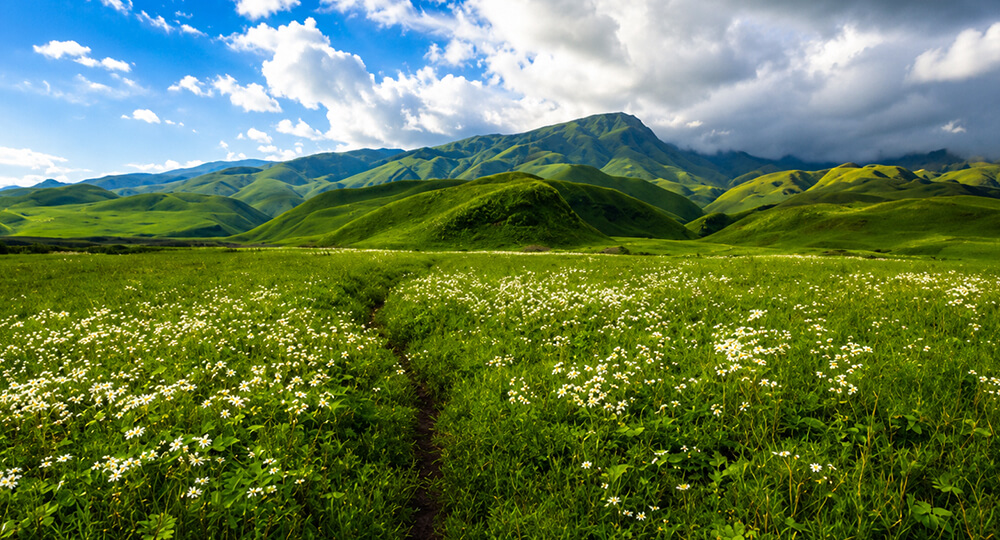
  • The Dzukou Valley is widely known as the ‘Valley of Flowers of the Northeast’.
  • Nagaland was officially inaugurated as the 16th state of India in December 1963.
  • The Japfu Peak is the highest point in the Barail Range in Northeast India.
  • In 2007, the Guinness Book of World Records named Nagaland’s bhut jolokia as the world’s hottest chilli pepper.
  • The world’s tallest recorded rhododendron tree is said to be located on the slopes of Mount Japfu.
  • The Kisama Heritage Village derived its name from the combination of the neighbouring villages, Kigwema and Phesama, with ‘ma’ translating to ‘village’ in the local language.
  • The Ntangki Wildlife Sanctuary was upgraded to the status of a national park in 1993.
  • Nagaland is inhabited by 17 major tribes along with the existence of other sub-tribes.

Nagaland At A Glance

Category Details
State Nagaland
Capital City Kohima
Currency The Indian Rupee (INR)
High season October to March
State Flower Rhododendron
Standard Voltage 230 volts
State Animal Mithun
Languages Official: English; Unofficial: Angami, Ao, Konyak
Famous Tourist Attractions Kohima War Cemetery, Dzukou Valley, Japfu Peak, Nagaland State Museum, Kachari Ruins, Naga Heritage Village, Ntangki Wildlife Sanctuary
Things To Do Trekking, camping, boating, mountain biking
Famous Food Smoked pork with bamboo shoot, axone curry, galho, samuthu, aikibeye, Naga-style fish with bamboo shoot, zutho
Places To Visit Dimapur, Kohima, Mokokchung, Mon
Souvenirs To Buy Shawls, jewellery, Naga dao, wood carvings, bamboo and cane handicrafts

Essential Tips To Know Before Travelling To Nagaland

  • Indian tourists are required to obtain an Inner Line Permit (ILP) before travelling to the state.
  • Visitors could experience altitude sickness in areas of higher altitude. Therefore, carry medicines accordingly.
  • The Dimapur Airport (DMU) is the main and only commercial airport in Nagaland.
  • Maintain decorum while visiting religious sites and villages.
  • Respect the privacy of villages and private properties as they are inhabited by close-knit communities. Therefore, enter these places only after seeking permission.
  • Don’t drink tap water. Instead, carry bottled water when you’re out sightseeing.
  • The smaller villages and towns may not always have many ATMs or accept online payments, which is why it’s essential to carry cash.
  • Accessing Google Maps or making online payments may not always be possible in rural areas because of poor connectivity.
  • Public transportation is limited in the remote regions, so remember to book your private cabs or shared taxis in advance.

Top Reasons To Visit Nagaland

Listed below are the top reasons to book GT Holidays’ Nagaland tour packages:

Spectacular Natural Landscapes

Nagaland is filled with alluring natural landscapes that are among the best reasons to grab our Nagaland tour packages. Visit the Dzukou Valley, which is popularly known as the ‘Valley of Flowers of the Northeast’. The valley is brimming with lush meadows, serene hills, and blooming flowers. Make your way to Japfu Peak, which is the highest point in the Barail Range in Northeast India. The slopes of this mountain are also known to have the tallest recorded rhododendron tree in the world. Witness the beauty of wildlife in Nagaland at the Ntangki Wildlife Sanctuary, which is home to creatures such as tigers, clouded leopards, wild dogs, and the Asian elephant.

Mouthwatering Cuisine

Getting to taste the unique and mouthwatering dishes of Nagaland is surely among the best reasons to book our Nagaland tour packages. The state’s cuisine is known for its strong flavours, fresh and local ingredients, and simplicity. Rooted in tribal traditions, the dishes are prepared using very little oil and spices, thereby allowing the natural taste of the ingredients to come through. Some of the common cooking methods employed are fermenting, boiling, and smoking, thereby lending an earthy fragrance to the dishes. Naga cuisine makes use of local chillies, especially bhut jolokia, which is one of the hottest chillies in the world. Other common ingredients used in Naga dishes are fermented bamboo shoots, wild herbs, and fermented soybeans. Rice is a staple presence across the households of Nagaland, and it’s usually served alongside vegetable curries, meat, and fish. Pork is a beloved go-to ingredient among the locals and tourists of the state and is often cooked over firewood or prepared with bamboo shoots.

Interesting Places

Nagaland is a delightful potpourri of interesting cities, towns, and villages, all of which you can explore with our Nagaland tour packages. There is the capital city of Dimapur that you absolutely must visit to witness popular tourist attractions such as the Kachari Ruins. Our tour guide will also take you to the second-largest city in Nagaland, which is Kohima. Witness a crucial piece of history in the city in the form of the Kohima War Cemetery. Learn all about the cultural and historical importance of the town of Mokokchung, which has been given the title of the ‘Land of Pioneers’.

Rich Culture

The distinct and rich culture of the region is yet another reason to get our Nagaland tour packages. Witness the colourful festivals of the state that celebrate the existence of various tribes. The Hornbill Festival, in particular, is one you absolutely must experience. Bring back a piece of Nagaland’s culture through its souvenirs, such as its bamboo and cane products, wood carvings, and tribal jewellery. Visit the Nagaland State Museum to learn about the eclectic nature of the Naga tribes. Explore the Naga Heritage Village, which aims to conserve the traditions of the diverse tribes of Nagaland.

Best Time To Visit Nagaland

Let’s take a look at what each season in the state brings about so you can accordingly decide when to grab GT Holidays’ Nagaland tour packages:

Nagaland In Summer (March To May)

During the summer season, the temperature in Nagaland usually ranges between 16 degrees Celsius and 30 degrees Celsius. The weather is moderately hot at this time, along with humidity. This is a good time to engage in adventure sports, such as trekking, with our Nagaland tour packages. Moatsu Festival is a celebration you can witness in the state during this season. Make sure to carry sunglasses, sunscreen, and comfortable clothes.

Nagaland In Monsoon (June To September)

The temperature range during the monsoon season in Nagaland usually oscillates between 21 degrees Celsius and 35 degrees Celsius. You can expect heavy rainfall and high levels of humidity in the state during the monsoon months. The rain can cause issues such as landslides, which makes sightseeing difficult. Since this is the off-season, you can get some discounts on our Nagaland tour packages. The heavy rain transforms the landscape of Nagaland into a lush green heaven. Remember to carry umbrellas, waterproof gear, and sturdy boots.

Nagaland In Winter (October To February)

As Nagaland welcomes the winter season, the temperature fluctuates between 4 degrees Celsius and 24 degrees Celsius. In regions of higher elevation, there could be frost along with intermittent snowfall. Activities such as trekking and bird watching are common in Nagaland during the winter months. You can experience the famous Hornbill Festival at this time with our Nagaland tour packages.

Top Cities To Visit In Nagaland

Dimapur

Dimapur is the largest city in Nagaland and the commercial hub of the state. It serves as the administrative headquarters for the Dimapur district in Nagaland. Dimapur once functioned as the ancient capital of the Kachari tribe. The city gets its name from the Kachari dialect, where ‘di’ means ‘river’, ‘ma’ means ‘big’ or ‘great’, and ‘pur’ means ‘city’. The combination of these words means ‘the city near the great river’. The ‘great river’ in this context refers to the Dhansiri River. As you explore Dimapur with GT Holidays’ Nagaland tour packages, the spots you can visit include Kachari Ruins, Triple Falls, Nagaland Science Centre, and Rangapahar Reserve Forest.

Kohima

Kohima is the capital of Nagaland and also the second-largest city in the state. The city witnessed one of the most savage battles ever fought in the country, which was the Battle of Kohima. The Kohima War Cemetery is a memorial that was built to honour the lives of the brave warriors who died fighting during this battle in World War II. The alluring wilderness of Nagaland finds its centre in Kohima through the presence of sanctuaries such as the Intanki Wildlife Sanctuary and Pulie Badze Wildlife Sanctuary.

Mokokchung

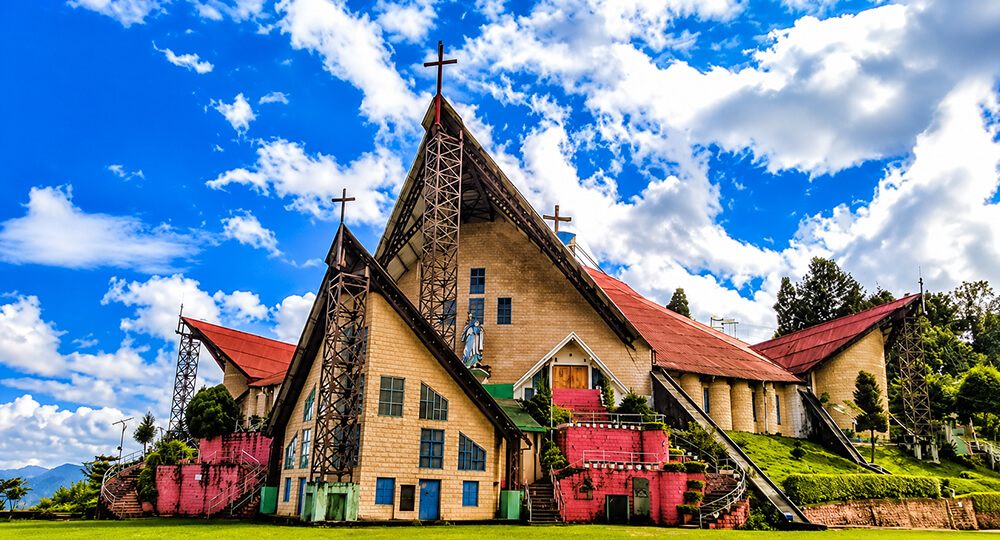
Mokokchung is a town located in the northern part of Nagaland. It is popularly known as the ‘Land of Pioneers’ because it has a history of leading numerous social movements. It was the first region in the state that embraced Christianity and Western education, which was primarily led by Nagaland’s Ao Naga tribe. The people of the town celebrate festivals like Moatsu and Tsungremong with plenty of pomp and glory. Some of the best places to visit in the Mokokchung district with our Nagaland tour packages include Alempang Baptist Church, Langpangkong Caves, the Longkhum Village, and the Ungma Village.

Mon

Mon is the northernmost district of Nagaland and also the second-largest district in the state. Back in the day, the district served as a major hub of trade and commerce. Mon is home to the Konyak Nagas, who are the largest of the officially recognised tribes in the state. History remembers this tribe as fierce headhunters, and they are also known for their facial tattoos and their work with woodcarvings. When you visit this intriguing district with our Nagaland tour packages, make sure to explore the Longwa Village, Shangnyu Village, and Chenloisho Village.

Top Things To Do In Nagaland

When you grab GT Holidays’ Nagaland tour packages, these are some of the places you can explore and activities you can participate in:

Things To Do As A Family

Kohima War Cemetery

The Kohima War Cemetery is located in the city of Kohima in Nagaland. It was built in honour of the soldiers of the 2nd British Division of the Allied Forces who lost their lives during the Second World War during the Battle of Kohima. The British National Army Museum declared the battles of Imphal and Kohima as ‘Britain’s Greatest Battle’ during a poll conducted in 2013. There is an epitaph at the Kohima War Cemetery that says, ‘When you go home, tell them of us and say, for your tomorrow, we gave our today.’ The Commonwealth War Graves Commission (CWGC) is responsible for maintaining the cemetery, which has the graves of 1,420 soldiers, including those who were Indian, British, and African.

Dzukou Valley

The Dzukou Valley is situated on the border of Nagaland and Manipur. Perched at a height of approximately 2,450 metres above sea level, the valley is widely known as the ‘Valley of Flowers of the Northeast’. As you explore this beauty with our Nagaland tour packages, you will come across lush green meadows, rolling hills, seasonal flowers, and crystal-clear streams. The Dzukou Valley is believed to have gotten its name from the Dzukou River, which translates to ‘cold waters’ in the local language. Some of the activities to enjoy at this spot include trekking, hiking, and camping.

Japfu Peak

The Japfu Peak, which stands tall at a height of 3,048 metres above sea level, is one of the most mesmerising sites to witness with GT Holidays’ Nagaland tour packages. It’s known to be the second-highest peak in Nagaland and the highest point in the Barail Range in Northeast India. The world’s tallest recorded rhododendron tree is said to be located on the slopes of Mount Japfu. This tree also made it to the Guinness World Records for this very reason.

Nagaland State Museum

The Nagaland State Museum is situated on the Bayavu Hill in the city of Kohima. The rare collection of articles in the museum reflects the diverse and rich cultures of the various tribes residing in Nagaland. The museum is home to inscriptions, precious stones, necklaces, traditional attire, and motifs related to different clans. The Nagaland State Museum remains open to the public from 10 am to 4 pm every week from Tuesday to Sunday. It was first opened to the public in November 1970. It’s one of the two museums in the state that’s maintained by Nagaland’s Directorate of Art and Culture.

Kachari Ruins

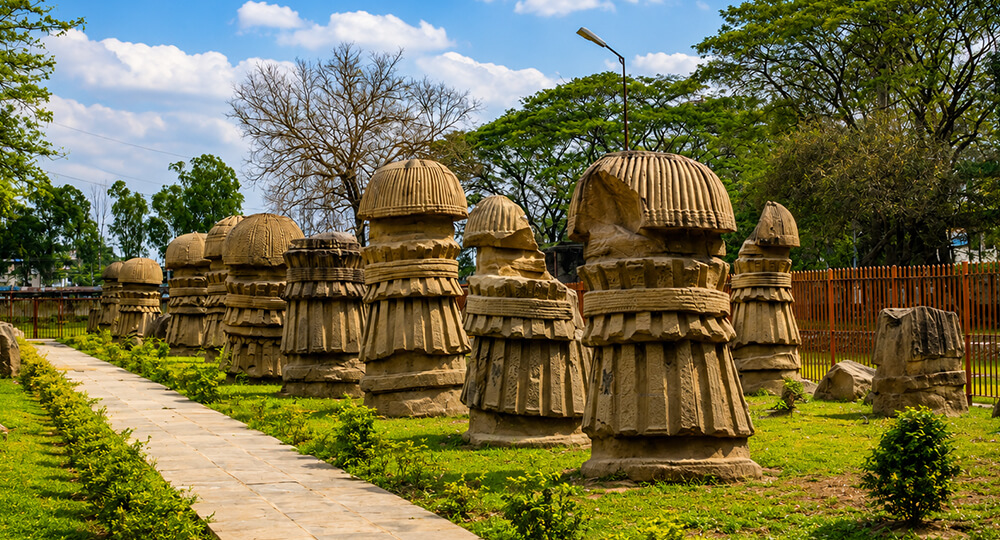
The Kachari Ruins, also known as the Dimasa Kachari Ruins and Kachari Rajbari, are situated in the city of Dimapur. These archaeological ruins serve as remnants and fragments of the Kachari Kingdom which flourished in Northeast India from approximately the 10th century to the 13th century. A unique feature of these ruins is a row of mushroom-domed pillars that were made from sandstone. These pillars have intricate motifs containing floral designs, geometric patterns, and animal figures.

Naga Heritage Village

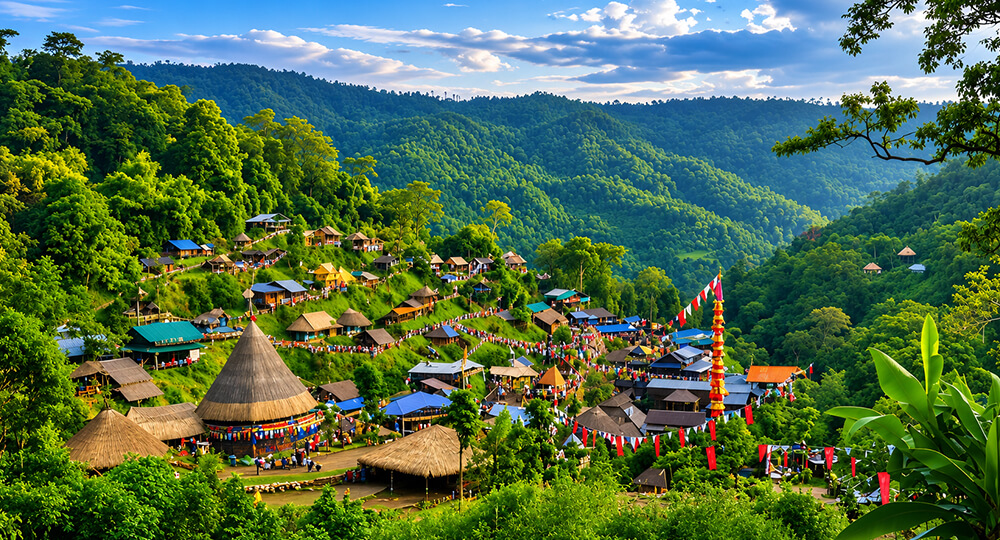
The Naga Heritage Village, which is also known as Kisama Heritage Village, is located approximately 10 km from the city of Kohima. The aim behind the creation of the village was to showcase and preserve the traditions, heritage, and culture of the different tribes of Nagaland. The name ‘Kisama’ is derived from the combination of the neighbouring villages, Kigwema and Phesama, with ‘ma’ translating to ‘village’ in the local language. The location serves as the venue for the renowned Hornbill Festival.

Ntangki Wildlife Sanctuary

The Ntangki Wildlife Sanctuary in Nagaland, also known as the Intanki National Park, is situated about 35 km from the city of Dimapur. Sprawled over an area of 202 sq km, it was declared a reserved forest in 1923. After being designated as a wildlife sanctuary in 1975, it was later upgraded to the status of a national park in 1993. Some of the different kinds of animals you can spot at this spot are sloth bears, tigers, flying squirrel, pythons, wild dogs, golden langur, clouded leopard, hoolock gibbons, and the Asian elephant.

Things To Do For Adventure Lovers

  • Dzukou Valley trek
  • Trekking towards Mount Saramati
  • Camping in Kohima
  • Mountain biking in Kohima
  • Boating in Doyang River

Shopping In Nagaland

The following are the souvenirs to buy from Nagaland and the places to shop from with GT Holidays’ Nagaland tour packages:

What To Buy

Shawls

The traditional shawls sold in Nagaland are a symbol of one’s achievements, status, and tribal identity. These are available in various motifs, colours, and unique designs.

Jewellery

If you’re a jewellery lover, then you must check out the tribal jewellery sold in the state. Naga jewellery is made using different materials, such as beads, stones, glass, brass, and shells. These usually feature bold colours and vibrant patterns.

Wood Carvings

Wood carving in Nagaland is an ancient craft connected to the cultural, social, and spiritual life of the tribal communities of the region. Known for its intricate craftsmanship, there are various kinds of objects available in this category, such as utensils, masks, and decorative panels.

Bamboo and cane handicrafts

The bamboo and cane handicrafts of Nagaland are a symbol of the region’s sustainable artistry. The various kinds of handicrafts to choose from include mugs, mats, trays, baskets, and lampshades. These eco-friendly objects are lightweight and perfect for practical purposes.

Naga dao

The Naga dao is a multipurpose blade used by the Naga tribes, and it’s also sold as a souvenir. It can be used as a tool, a weapon, and a utility knife. The object is used in the region for activities such as woodcarving and farming.

Where To Shop

  • Fancy Market (Kohima): For souvenirs, accessories, clothes.
  • Mao Market (Kohima): For spices, fresh produce, exotic food products.
  • Ruzaphema Market (Kohima): For handicrafts and tribal products.
  • Wednesday Super Market (Dimapur): For handicrafts, local food, traditional items.

Things To Remember When Shopping In Nagaland

  • Buying handmade products helps in supporting the livelihoods of the local artisans. Try to keep this in mind when you’re looking for souvenirs.
  • Bargaining is common in the markets of Nagaland. Be respectful as you negotiate with the vendor till you reach a price point that suits both parties.
  • If you buy heavy or fragile items, ask about the shipping options beforehand and also inquire about the shipping options and services in your region.
  • The smaller shops in the state may not accept card payments or online payments, which is why carrying sufficient cash is advised.

Foods To Try Out In Nagaland

Let’s recommend some of the most delicious dishes you absolutely must try out during your trip with GT Holidays’ Nagaland tour packages:

Smoked Pork With Bamboo Shoot

One of the most iconic dishes of Nagaland is smoked pork with bamboo shoot. The smokiness of the pork perfectly complements the tangy and sharp flavours of the fermented or dried bamboo shoots. The pork is smoked over a wood fire, thereby lending it a rustic aroma. Some of the ingredients that go into making this dish include garlic, ginger, king chilli, and onions.

Axone Curry

Axone (or akhuni) refers to fermented soybean, which is a popular part of Nagaland’s cuisine. The curry can be made either with vegetables or with meat such as beef or pork. The presence of axone lends the dish an intense aroma and a unique umami flavour. The other ingredients incorporated into the dish include garlic, ginger, tomatoes, and Naga king chilli.

Galho

Galho is a soupy concoction that resembles rice porridge and is considered to be a comfort food in the state. Having originated mainly from the Angami and Chakhesang tribes of Nagaland, one can think of it as the khichdi version of the region. The mixture of rice, vegetables, and meat makes this dish both healthy and delicious.

Samuthu

Samuthu is a slow-cooked, fiery curry made using smoked pork. It is said to have originated from the Sema/Sumi tribe of the region. The tangy and smoky flavour of the dish is derived from the inclusion of ginger, garlic, bamboo shoot vinegar, and local Naga chillies. In order to make the dish, the pork is slow-cooked till the texture becomes tender, hence allowing the smokiness to sink into the flavour of the curry.

Aikibeye

Aikibeye is yet another traditional dish that is primarily associated with Nagaland’s Sema/Sumi tribe. The main ingredients of this vegetarian dish are colocasia roots and mustard leaves. Made using very little salt and no added spices, it has an earthy flavour and a thick consistency. It is usually served alongside steamed rice and serves as a nourishing and hearty meal.

Naga-Style Fish With Bamboo Shoot

An encounter with Nagaland’s food is incomplete without trying out the famous and beloved fish with bamboo shoot. Freshwater fish are used for this delicacy, where the fish is stuffed inside a bamboo tube. Local herbs are used in the recipe, and the fish is smoked over an open flame. The oil-free dish is best enjoyed with steamed rice.

Zutho

Zutho is a traditional rice beer that’s popular among both the residents of Nagaland and the tourists who visit the region. It originated primarily from the Angami and Chakhesang tribes of the state, and this fermented beverage is mildly alcoholic. The drink is particularly enjoyed during the Hornbill Festival, where you will find people drinking the beverage from bamboo cups.

Art And Culture In Nagaland

The rich cultural heritage of Nagaland is evident in numerous forms, including its cuisine, tribal communities, and festivals. Nagaland is inhabited by multiple tribes. Before the British came to India, these tribes lived in the villages located the region’s hilly terrain. Each tribe had its unique language and culture, with their way of living deeply connected to nature. Some of the major Naga tribes are the Angamis, the Konyaks, the Lotha Nagas, the Sumi, and the Ao people.

Several festivals are celebrated in Nagaland throughout the year. You can experience them with our Nagaland tour packages, depending on when you make your booking. One of the most popular festivals in the state is the Hornbill Festival. Often known as the ‘Festival of Festivals’, it’s meant to celebrate the cultural heritage of the Naga tribes. It takes place every year from 1st to 10th December at the Naga Heritage Village near the city of Kohima. The festival took place for the first time in 2000 and was meant to be initiated on the same day as the Nagaland Statehood Day. Some of the other grand festivals held in Nagaland include Aoling Festival, Moatsu, and Tuluni.

Dos and Don'ts While Travelling To Nagaland

  • Avoid discussing sensitive subjects, such as politics, religion, and the tribal history of the region.
  • Always dress modestly while visiting the rural areas and places of worship. Carry a shawl or scarf in case you’re asked to cover yourself properly.
  • Engaging in illegal activities such as wildlife trafficking, unauthorised trekking, or vandalism is strictly prohibited.
  • Avoid using plastic and make sure to carry reusable water bottles.
  • Don’t use your left hand while eating, handing things to other people, or pointing at others.
  • Always ask for permission before taking someone’s photograph, especially that of a woman.
  • Refrain from public displays of affection.
  • Don’t shake hands with people of the opposite sex unless they offer first.
  • Take off your shoes before entering someone’s home.
  • Make sure you do not litter any area of the state during your trip. If there is any garbage you need to throw away, do it only once you find a waste bin.
  • Always follow the designed path when you go trekking. While you’re on a trek, remember to never disturb the fragile vegetation.
  • Be genuinely curious about the culture of the state and participate enthusiastically if you get the opportunity to attend a festival or cultural event.
  • Don’t pluck flowers or harm the vegetation of the state in any manner.
  • Always seek permission before taking pictures of priests and religious rituals.

Travel Tips

visa_information_icon

Visa Information

Check visa requirements before traveling, ensuring a smooth entry and compliance with destination regulations.

health and safety tips icon

Health and Safety Tips

Prioritize health, stay hydrated, follow safety guidelines, and maintain personal hygiene for a secure journey.

currency and tipping icon

Currency and Tipping

Familiarize with local currency, consider customary tipping practices for respectful and seamless travel experiences.

Share Your Ideal Tour: Let Us Customize!

FAQs:

What is the capital of Nagaland?
The capital of Nagaland is Kohima.
How many days are needed for a trip to Nagaland?
We would recommend you set aside at least five to seven days for a trip to Nagaland.
What documents are needed for an Indian tourist to visit Nagaland?
Indian tourists require an Inner Line Permit (ILP) to visit Nagaland.
What is Nagaland known for?
Nagaland is known for many things, such as its rich culture, gorgeous landscapes, tribal heritage, delicious food, and diverse villages.
Does it snow in Nagaland?
While snowfall is not common in Nagaland, the state received unexpected snow after 37 years in 2019.
What are some of the religions that exist in Nagaland?
Christianity is the dominant religion in Nagaland, and some of the other religions that exist in Nagaland are Hinduism, Islam, and Buddhism.
When did Nagaland become a part of India?
Nagaland officially became an Indian state in 1963.
Which country is located close to Nagaland?
Nagaland shares its eastern international border with Myanmar.
When is the Hornbill Festival celebrated in Nagaland?
The Hornbill Festival is celebrated in Nagaland in the month of December.
Can tourists consume alcohol in Nagaland?
Nagaland passed the Nagaland Liquor Total Prohibition Act in 1989. Therefore, the sale, possession, and consumption of liquor are officially prohibited in Nagaland under state law.

Book Your Dream Vacay Today!

=
×

Enquire Now

=