1

Tour Package

Home » Tour Packages » India Tour Packages » West India Tour Packages » North Goa Tour Packages

North Goa Tour Packages

Capital: Panaji

SUPER DEAL PRICE

STARTS FROM

per person on twin sharing
Popular Leisure Destination: North Goa
South India’s No.1 Travel Brand
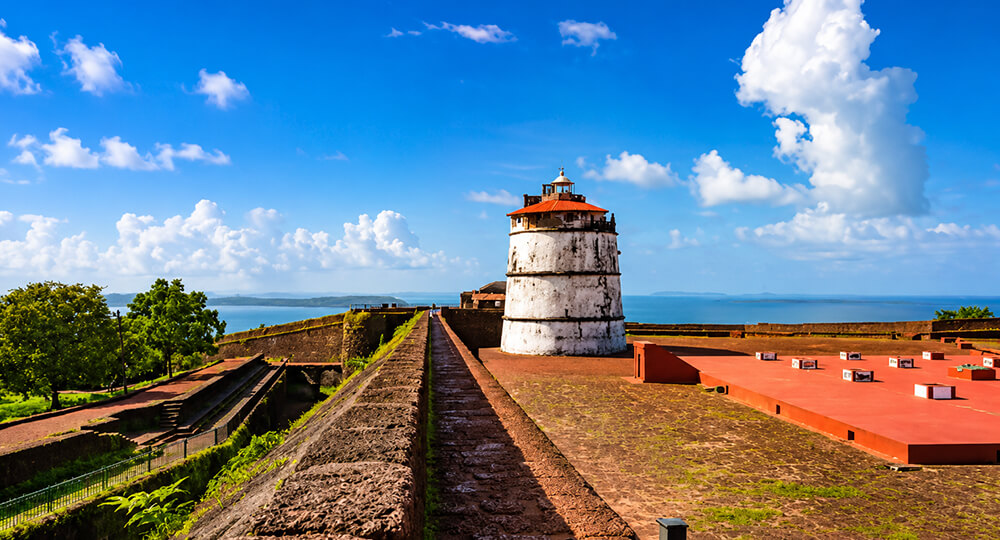
Fort Aguada
One of the historic Portuguese forts
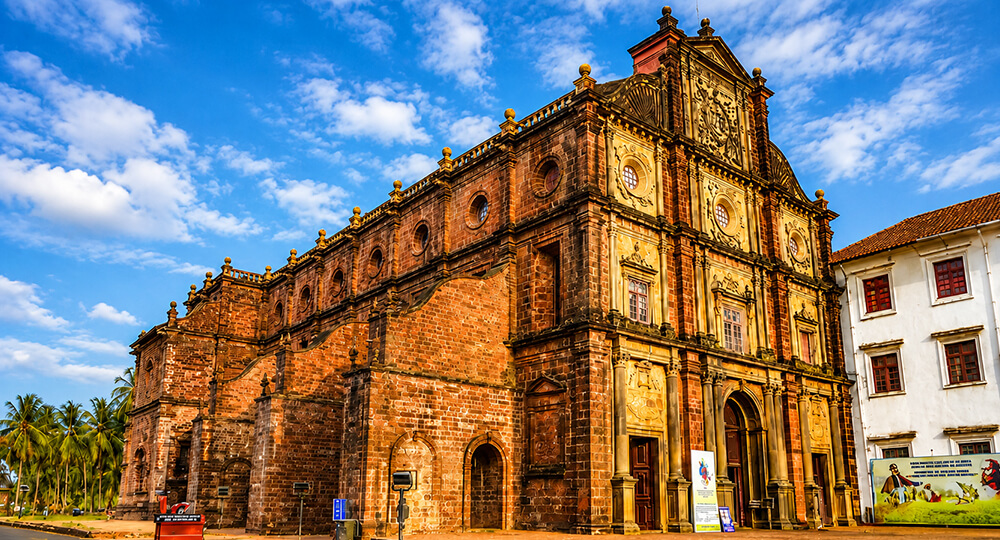
Basilica of Bom Jesus
One of the historic churches in Goa
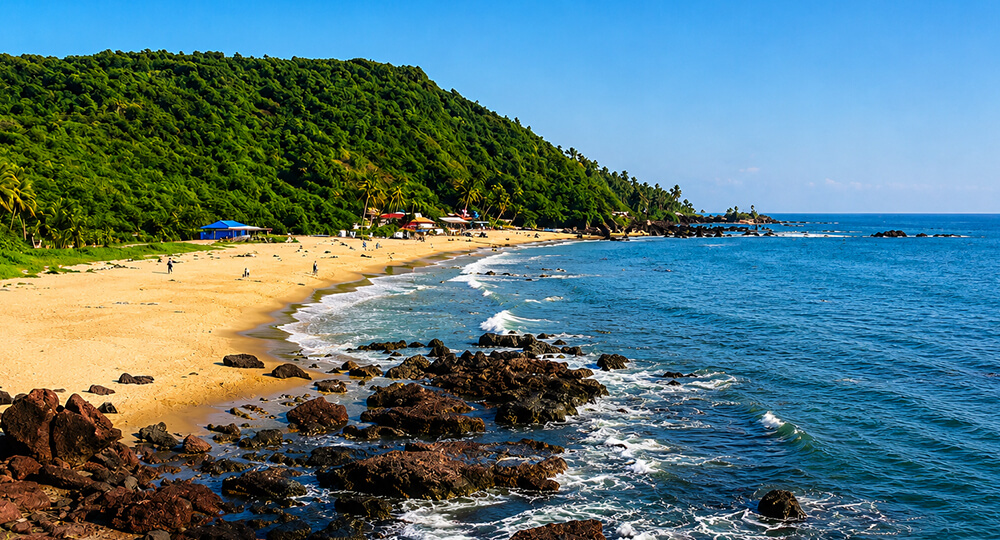
Baga Beach
One of the popular beaches
Konkani, Hindi, English
Languages Speaking
Essential Tips for Travelling to North Goa
ATMs

ATMs are available across several locations.

Credit Cards

Cash and UPI payments are widely accepted locally.

Bank

Banking facilities are available across major areas.

spiritual icon

Respect local customs when visiting religious places.

Safest

Experience warm hospitality and vibrant local culture.

North Goa - Overview
north goa tour map

By Purpose

tour package tourism

Couples

For Newlywed Vacations

tour packages business

Family

For Family Vacations

Top Attractions and Nearby Sights

Fort Aguada

Baga Beach

Calangute Beach

Chapora Fort

Anjuna Beach

Vagator Beach

Candolim Beach

Fontainhas

Reis Magos Fort

Se Cathedral

Mapusa Market

Basilica of Bom Jesus

Everything You Need to Know About North Goa

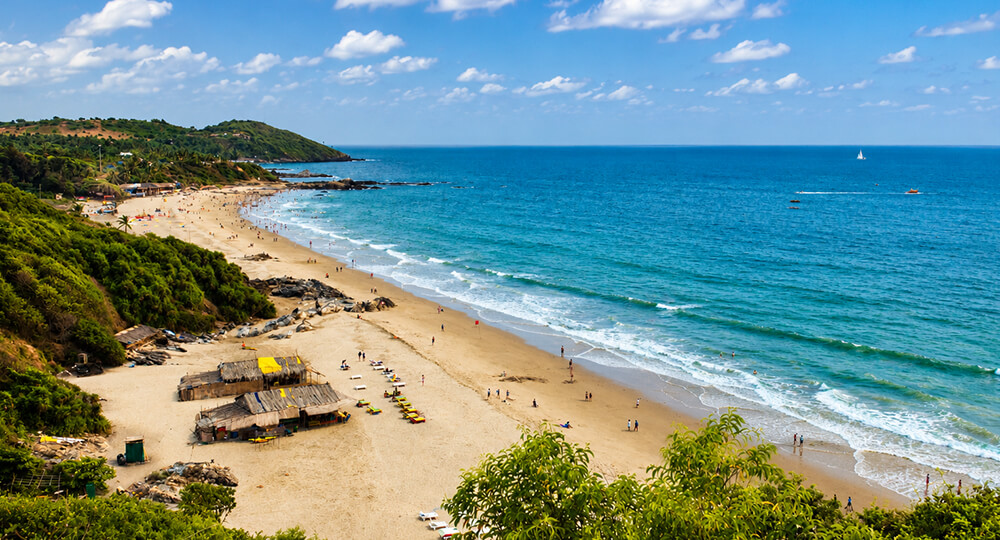
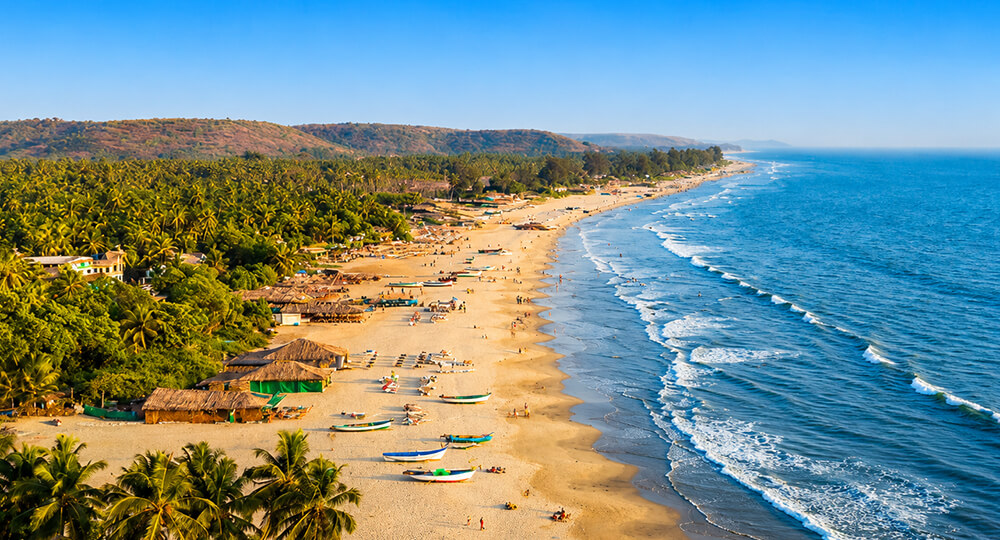
North Goa sits along a long, open stretch of the Arabian Sea, where the land slopes gently from inland hills down to wide beaches and slow rivers. The coastline carries an easy rhythm of its own. Mornings begin with fishermen pulling in their nets and the smell of freshly baked poi drifting from village bakeries; afternoons slow into the unhurried “susegad” spirit Goa is famous for; and evenings spill into shacks, markets, and lit-up promenades. The pace is not slow exactly, but it is unhurried in its own way. Even the busiest beach belt around Calangute and Baga settles into a calmer mood once the sun drops, before the night picks up again. From late November through December, the coast turns into one of India’s biggest party destinations, with Christmas, New Year, and music festivals drawing crowds from across the country and abroad.

For Indian travellers, North Goa feels both familiar and different at once. The Konkan coast, the rivers, and the temples are part of a wider regional landscape. At the same time, the Portuguese-era churches, the laterite forts, the colourful houses of Fontainhas, and the bread-and-vinegar accents in the food belong to a history that shaped Goa for more than four centuries. North Goa Tour Packages suit travellers drawn to beaches, heritage, music, markets, late-night fun, and the kind of long, easy days where lunch stretches into a swim, a slow afternoon, and a sunset.

Table of Content:

About North Goa

North Goa is one of the two districts of the state of Goa, the smaller one being South Goa. It covers about 1,736 square kilometres along India’s western coast, on the Arabian Sea. Its capital and administrative headquarters is Panaji (also called Panjim). The district is made up of six talukas: Bardez, Pernem, Bicholim, Sattari, Tiswadi, and Ponda. Tiswadi includes Panaji and the historic settlement of Old Goa.

The landscape is a mix of coast and hinterland. The western edge is defined by a long line of beaches that runs north from the mouth of the Mandovi River up to the Maharashtra border. Behind the beaches lie coconut and cashew groves, paddy fields, salt pans, and small villages. Further inland, the terrain rises into the Western Ghats, where the talukas of Sattari and Bicholim are home to dense forests, wildlife sanctuaries, and waterfalls.

Several rivers cut through North Goa, shaping its character. The Mandovi flows past Panaji and Old Goa before meeting the sea. The Chapora forms the boundary between Bardez and Pernem and gives its name to the famous fort at its mouth. The Terekhol marks the northern boundary with Maharashtra, and Tiracol Fort stands on its banks. These rivers have long supported fishing, ferry crossings, and trade.

The climate is tropical and shaped by the monsoon. Winters from November to February are cool and dry, and the most comfortable for visitors. March to May turns warm and sunny, with the heat building toward early summer. June to September brings the southwest monsoon, when heavy rain transforms the landscape into a thick green and the sea grows rough. October sits in between, with the last of the rain easing into the tourist season.

The two halves of North Goa, the Old Conquests around Bardez and Tiswadi and the New Conquests of Pernem, Bicholim, Sattari, and Ponda, carry slightly different feels. Bardez and Tiswadi came under Portuguese rule earliest and show the strongest colonial imprint, in churches, villas, and street layouts. The New Conquests, taken over by Portugal only in the late 18th century, retain more visible Hindu temple traditions and a quieter rural pace. Together, they give North Goa a layered identity, where forts, churches, temples, beaches, and forests sit within short distances of each other.

Call +91 9940882200 to learn more about our North Goa tour packages.

History & Heritage

Goa’s history runs deep, but its modern story begins with the arrival of the Portuguese. Long before that, the region was ruled in turn by the Mauryas, the Satavahanas, the Chalukyas, the Kadambas of Goa, the Vijayanagara Empire, and the Bahmani and Bijapur Sultans. The Kadambas, who ruled between the 10th and 14th centuries, built temples and developed the port of Govapuri near present-day Old Goa, which became an important trade centre on the western coast.

In 1510, Afonso de Albuquerque captured Goa from the Bijapur Sultanate, establishing what would become the Portuguese Estado da Índia, with its capital at what is now Old Goa. For the next 451 years, until 1961, Goa remained under Portuguese rule, the last European colonial holding in India. This long colonial presence shaped the region’s architecture, religion, language, cuisine, and social life in ways that still define it.

Within Goa, the Portuguese expanded their territory in two main phases. The Velhas Conquistas, or Old Conquests, were the first areas brought under Portuguese rule in the 16th century. They include the talukas of Tiswadi, Bardez, Salcete, and Mormugao. Here, the Portuguese influence was strongest, with the spread of Catholicism, the building of large churches and seminaries, and a Latinised cultural layer. The Novas Conquistas, or New Conquests, were added between 1763 and 1788 and include Pernem, Bicholim, Sattari, Ponda, Sanguem, Quepem, and Canacona.

Old Goa, on the south bank of the Mandovi in Tiswadi taluka, became one of the great cities of the Portuguese empire during the 16th and 17th centuries. Visitors from Europe and elsewhere described it as a city richer and grander than Lisbon. Disease outbreaks, including cholera and malaria, eventually emptied much of the city, and the capital was shifted to Panjim in the 19th century. What survived is a remarkable cluster of churches and convents, several of which are now inscribed as a UNESCO World Heritage Site under the title “Churches and Convents of Goa.”

After Indian Independence in 1947, Portugal initially refused to hand over Goa. In December 1961, the Indian armed forces undertook Operation Vijay, and Goa, Daman and Diu became a Union Territory of India. On 30 May 1987, Goa attained full statehood, with Panaji as its capital. North Goa emerged as a distinct district at this stage, with Panaji as its headquarters.

Today, history in North Goa is visible at every turn. The basilicas and churches of Old Goa, the forts at Aguada, Chapora, Reis Magos, and Tiracol, the temples of Ponda, and the Latin Quarter of Fontainhas in Panaji all carry the story forward, alongside the older Konkan traditions of the villages.

Best Time to Travel

November to February is the peak tourist season, with cool, dry weather, full operation of beach shacks, lively flea markets, and the busiest nightlife. March to May is warm and sunny, with fewer foreign tourists toward the late part of the season. June to September brings the monsoon, with heavy rain, lush green countryside, and a much quieter coastal scene.

Tidbits

  • Location: Western coast of India, in the state of Goa, along the Arabian Sea
  • Elevation: ~1,736 sq km, made up of six talukas: Bardez, Pernem, Bicholim, Sattari, Tiswadi, and Ponda
  • Headquarters: Panaji (Panjim), which is also the state capital of Goa
  • Official Languages: Konkani, Marathi, English, and Hindi widely spoken
  • Famous For: Portuguese-era forts and churches, flea markets, nightlife, Goan cuisine, and Feni
  • Ideal Duration: 3 to 5 nights
  • Nearest Major City: Manohar International Airport (MOPA) in Pernem (about 33 km from Panaji); Goa International Airport at Dabolim in South Goa (about 26–30 km from Panaji)
  • Main Railway Stations Serving North Goa: Thivim (closest to most North Goa beaches), Karmali, and Madgaon (further south)

Call +91 9940882200 to learn more about our North Goa tour packages.

Travel Requirements

  • Carry a valid government photo ID such as an Aadhaar card, driver’s licence, or passport. ID is required at hotel check-ins across Goa.
  • International travellers must hold a valid Indian visa. Keep digital and physical copies of passport and visa details. Hotels and some heritage stays may ask to scan or hold a copy at check-in.
  • Digital payments such as UPI and cards are widely accepted at hotels, restaurants, cafés, larger shops, and most beach shacks.
  • Carry cash for taxis, auto-rickshaws, scooter rentals, flea-market stalls, smaller eateries, and beach vendors.
  • Goa has no metro system and limited app-based ride-hailing services. Local travel relies on prepaid taxis, private cabs, rented scooters and motorbikes, and public Kadamba and private buses.
  • Pre-book taxis for airport transfers and full-day sightseeing, especially during peak season.
  • Wear lightweight, breathable cotton clothing during the day. Carry a light layer for air-conditioned restaurants, late-evening boat rides, and breezy beachfronts.
  • Modest dress is appreciated when visiting churches, temples, and traditional villages.
  • The sun is strong along the coast almost year-round. Carry sunscreen, sunglasses, a hat, and a refillable water bottle. Stay hydrated, especially when moving between beaches.
  • The monsoon from June to September brings heavy rain and rough seas. Many beach shacks close, water sports stop, and ferry services may be limited. Roads can flood briefly after intense showers. If you travel in this season, expect a quieter, greener Goa rather than a beach-party one.
  • Swim only in flagged zones with lifeguards on duty. Lifeguards operate at most popular beaches. Currents and undertows can be strong, particularly during shoulder seasons.
  • Make sure you look out for the lifeguard and the safety instructions before swimming in the ocean.
  • If you rent a scooter or motorbike, carry your driving licence at all times, wear a helmet, and check the vehicle and paperwork before riding. Police checks are common, and helmet rules are enforced.
  • Respect local customs at churches and temples. Remove footwear before entering temple sanctums, dress modestly with shoulders and knees covered, and avoid loud behaviour at places of worship. Photography rules vary by site, so check before taking pictures inside.
  • Goa is an eco-sensitive coastal state. Avoid littering on beaches and in markets, limit single-use plastic, and follow signs around turtle nesting sites at Morjim and other northern beaches.
  • Call +91 9940882200 to learn more about our North Goa tour packages.

Top Reasons to Choose North Goa Packages

A long, varied coastline in one district

North Goa packs more than a dozen beaches into a compact stretch, from the busy energy of Calangute and Baga to the quieter sands of Ashwem, Mandrem, and Arambol in the north. This range means you can choose your mood by the day: party shacks one evening, a calm walk on a near-empty beach the next morning. Few destinations in India offer this much beach variety within such short driving distances.

A strong heritage and cultural layer

Beyond the beaches, North Goa carries more than four centuries of Portuguese history alongside its Konkan roots. The UNESCO-listed churches of Old Goa, the forts of Aguada, Chapora, Reis Magos, and Tiracol, the temples of Ponda, and the colourful Latin Quarter of Fontainhas in Panaji give the district a depth that is easy to underestimate. North Goa Tour Packages let you combine sea days with heritage walks without long transfers.

Markets, music, and nightlife

North Goa has long been associated with a particular kind of relaxed nightlife, anchored by Baga’s clubs, Anjuna’s flea market, the Saturday Night Market at Arpora, and the bars and lounges that line Calangute, Candolim, and Vagator. Music, from electronic to live acoustic sets in shacks, is woven into the evenings. For travellers who enjoy markets and nights out, North Goa offers some of India’s most distinctive options.

Distinctive Goan food and drink

Goan cuisine is a layered blend of Konkan traditions and Portuguese influence, with seafood at its centre. Fish curry rice forms the staple, while dishes such as pork vindaloo, chicken xacuti, prawn balchão, sorpotel, chicken cafreal, and the layered dessert bebinca offer travellers a clear, memorable food trail. Add beach shacks, family-run taverns, and cashew or coconut feni, and food becomes a defining part of any North Goa trip.

A balanced base for couples, families, and groups

North Goa works for a wide range of travellers because its mix of stays and experiences is so broad. Families gravitate toward Candolim, Sinquerim, and the resort belt. Couples often prefer Ashwem, Mandrem, or Morjim. Groups and younger travellers head for Baga, Calangute, Anjuna, and Vagator. Short distances between zones make it easy to mix and match, and accommodation options range from beach huts and boutique villas to large five-star resorts.

Call +91 9940882200 to learn more about our North Goa tour packages.

Best Time to Visit North Goa

Winter (November to February)

Peak season with cool, dry weather and full beach activity. Skies stay clear, the sea is calm, and every shack, market, and club is fully open. Christmas and New Year draw the biggest crowds of the year, with music festivals, beach parties, and lit-up promenades along the coast. Book flights and stays well in advance for this time of the year.

Summer (March to May)

Warm, sunny days, with rising heat and humidity that peaks in May. Crowds thin out after February, and hotel rates become more affordable. Beach mornings and evenings stay comfortable, though midday can feel intense, making it a good time for pools, spas, and shaded lunches.

Monsoon (June to September)

Heavy rain, dramatic seas, and a lush green countryside that transforms the landscape. Many beach shacks close, water sports pause, and swimming is not advised, but rates fall sharply, and North Goa takes on a quieter, slower character. It suits travellers who prefer heritage, food, and rain-washed scenery over beach parties.

Call +91 9940882200 to learn more about our North Goa tour packages.

Best Places to Visit With Our North Goa Tour Packages

Reis Magos Fort

Reis Magos Fort, on the north bank of the Mandovi River opposite Panaji, is one of the oldest forts in Goa, dating to the late 16th century. It was carefully restored and reopened to the public in 2012 as a cultural centre. The fort houses galleries on Goan history and culture and offers fine views over the river. The nearby Reis Magos Church was the first church built in Bardez.

Tiracol Fort

Tiracol Fort, on the north bank of the Terekhol River at the northernmost edge of Goa, was originally built by the Maratha ruler of Sawantwadi and later taken by the Portuguese. The fort is small but evocative, with a working chapel inside and sweeping views over the river mouth and the Arabian Sea. It now operates partly as a heritage hotel.

Old Goa (Churches and Convents)

Old Goa, on the south bank of the Mandovi in Tiswadi taluka, holds a cluster of monumental Portuguese-era churches and convents inscribed by UNESCO as a World Heritage Site. The Basilica of Bom Jesus, built between 1594 and 1605, houses the relics of St Francis Xavier and is one of the finest examples of Baroque architecture in Asia. Sé Cathedral, completed in the early 17th century, is among the largest churches in Asia. The Church of St Cajetan, the Church and Convent of St Francis of Assisi, and the Chapel of St Catherine round out the heritage precinct.

Fontainhas (Latin Quarter), Panaji

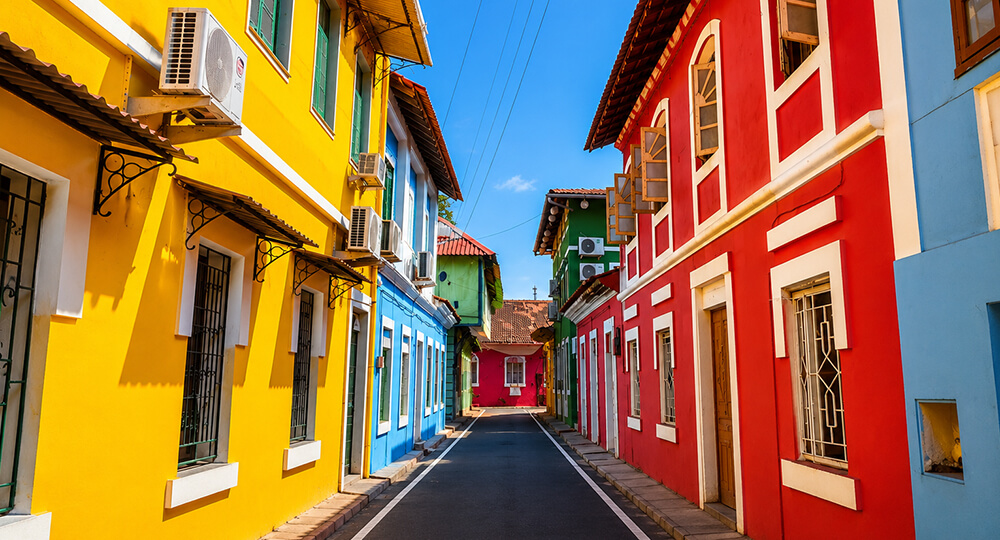
Fontainhas, the old Latin Quarter of Panaji, is a small but charming neighbourhood of narrow lanes, brightly painted houses with overhanging balconies, small chapels, and traditional bakeries. It is one of the best places in India to see preserved Portuguese-era urban architecture and is delightful to explore on foot, especially in the morning.

Mangueshi Temple and Shanta Durga Temple (Ponda)

The temples of Ponda taluka are among the most important in Goa. Shri Mangueshi Temple, dedicated to Lord Manguesh (a form of Shiva), is one of the largest and most visited temples in the state. Shri Shanta Durga Temple, dedicated to Goddess Shanta Durga, is another major nearby pilgrimage site. Both blend traditional Hindu temple design with elements that reflect Goa’s wider architectural mix, including domes and rounded forms.

Call +91 9940882200 to learn more about our North Goa tour packages.

Other Places to Explore

Dudhsagar Falls ~60 km from Panaji (in South Goa, near the border)

Dudhsagar, literally “Sea of Milk,” is one of India’s tallest waterfalls, plunging in tiers down a forested slope on the Mandovi River near the Karnataka border. It is most spectacular during and just after the monsoon, when the flow is at its strongest. Access is typically through guided jeep safaris from Mollem.

Salim Ali Bird Sanctuary, Chorão Island

On Chorão Island in the Mandovi River, near Panaji, this small mangrove sanctuary is named after the renowned Indian ornithologist Sálim Ali. Boat trips through the channels offer chances to spot kingfishers, herons, egrets, mudskippers, and migratory waterbirds.

Bhagwan Mahavir Wildlife Sanctuary and Mollem National Park

These adjoining protected areas in the Western Ghats are the largest stretch of wildlife habitat in Goa. The sanctuary holds leopards, sambar, gaur, and a rich variety of birds. Mollem is also the gateway to Dudhsagar Falls.

Bondla Wildlife Sanctuary

A smaller sanctuary in North Goa, Bondla offers easier access and a small zoo and rescue centre alongside forest trails. It suits travellers and families looking for a half-day wildlife outing.

Divar Island

A quiet island in the Mandovi reachable by a short ferry from Old Goa, Divar offers rural lanes, old churches, traditional Goan houses, and slow cycling routes that feel far removed from the beach belt.

Spice Plantations in Ponda

Working spice farms around Ponda, including well-known ones like the Tropical Spice Plantation and Savoi Plantation, run guided tours through plantings of pepper, cardamom, nutmeg, vanilla, and cashew. Tours typically include a traditional Goan lunch.

Arvalem Caves and Waterfall, Bicholim

Inland in Bicholim taluka, the Arvalem (Pandava) Caves are rock-cut shelters of historical interest, with a nearby waterfall that flows strongly in the monsoon and just after.

Mayem Lake, Bicholim

A scenic lake set among low hills, Mayem offers boating and gardens and works well as a short inland break from the coast.

Mapusa

The bustling market town of Mapusa is the headquarters of Bardez taluka and the commercial hub of North Goa. The Friday market is the highlight, with locals and traders selling fresh produce, Goan chorizo, vinegar, cashews, feni, textiles, and antiques.

Call +91 9940882200 to learn more about our North Goa tour packages.

Shopping in North Goa

Shopping in North Goa is shaped by the district’s long history as a meeting point of cultures. The markets carry everything from Portuguese-inspired ceramics and lacework to hippie-era jewellery, Goan spices, cashew products, textiles, and beachwear. Bargaining is part of the experience in flea markets and traditional bazaars, but most boutique shops and supermarkets have fixed prices. Markets are at their best between November and April, with several closing or quieting down during the monsoon.

What to Buy in North Goa

Cashew Nuts and Cashew Products

Cashews are one of Goa’s signature crops, grown widely across the district. Plain salted cashews, spiced and flavoured variants, and cashew-based sweets are available across markets, supermarkets, and roadside shops. Cashew feni and packaged cashew-based snacks make popular take-home gifts.

Goan Spices, Pickles, and Sausages

Local spice blends, masalas for vindaloo and xacuti, Goan chorizo (sun-dried pork sausage), pickles such as prawn balchão, and bottled vinegars and kokum syrups are widely sold, especially at the Mapusa Friday Market. These let you take a taste of Goa home.

Feni and Goan Wines

Cashew and coconut feni from established distilleries, along with Goan port-style wines, are available at licensed shops. Buy from reputable outlets and pack carefully for travel.

Beachwear, Bohemian Clothing, and Accessories

Light cotton kurtas, harem pants, sarongs, tie-dye tops, beach dresses, and a wide range of accessories define the casual North Goa wardrobe. Flea markets and Calangute–Baga shopping lanes are the best places to find them at modest prices.

Handicrafts, Pottery, and Home Décor

Terracotta and brassware, hand-painted azulejo-style tiles, shell crafts, decorative lamps, and small home accessories embody the region’s Indo-Portuguese aesthetic.

Silver and Tribal Jewellery

Silver jewellery, oxidised tribal-style pieces, and beaded accessories are sold at flea markets, often by long-time vendors from Rajasthan and other parts of India, as well as international travellers.

Spice and Tea Stalls at the Markets

Mapusa Market and the flea markets stock a wide range of spices, teas, dried fruit, and herbal preparations, with vendors happy to explain origins.

Where to Buy in North Goa

Anjuna Flea Market (Wednesdays)

The most famous flea market in Goa, the Anjuna Wednesday market dates back to the 1960s hippie era. It runs from roughly 9 am to 6 pm during the tourist season (typically October–April) and features handicrafts, clothing, jewellery, music, food stalls, and live performances. It is closed during the monsoon.

Saturday Night Market at Arpora

Held in Arpora, close to Anjuna, from late evening onwards on Saturdays during the season (typically November–March/April), this is one of the most atmospheric markets in India, with live music, international food stalls, and a mix of local and global vendors.

Mackie's Night Bazaar (Saturdays)

Located near the Baga River, Mackie’s is a long-running alternative to the Arpora market with a similar weekend-evening rhythm and a more relaxed feel.

Mapusa Friday Market

The Friday market at Mapusa is the most authentic local market in North Goa, where villagers and traders from across Bardez sell fruit, vegetables, fish, spices, chorizo, Goan sweets, vinegar, feni, textiles, pottery, and antiques. It is the best place to shop for everyday Goan products at non-tourist prices.

Calangute and Baga Lanes

The lanes leading to Calangute and Baga beaches are lined with shops selling clothing, beachwear, accessories, souvenirs, and local snacks. They are convenient for casual evening shopping after a day at the beach.

Panaji Markets and Boutiques

The city of Panaji holds a range of boutique shops, especially in and around 18th June Road and the Fontainhas area, selling clothing, handicrafts, ceramics, books, and Goan specialties. The atmosphere is calmer than the beach markets.

Government Emporiums

Government-run handicraft emporiums, including those of the Goa Handicrafts Corporation, offer certified handicrafts at fixed prices, useful for travellers who prefer transparency over bargaining.

Shopping Tips for North Goa

  • Shop in the mornings or early evenings at flea markets, when stalls are fully set up and the heat has eased.
  • Bargain politely; vendors expect it, but start within a reasonable range.
  • Ask about origin for cashews, feni, and spices to avoid lower-quality products.
  • Buy alcohol and feni from licensed outlets and check sealing carefully.
  • Carry cash in small denominations for stall purchases and tips, as digital payments are not universal at smaller vendors.
  • Pack fragile items, especially ceramics, glassware, and feni bottles, with care for the journey.

Call +91 9940882200 to learn more about our North Goa tour packages.

Cuisine & Local Flavours

Goan cuisine is one of the most distinctive in India, shaped by the meeting of Konkan coastal traditions and more than four centuries of Portuguese influence. Rice, fish, coconut, kokum, tamarind, and a wide range of spices form the core of local cooking, while vinegar, bread, pork, and certain cooking techniques arrived with the Portuguese and were absorbed into a uniquely Goan repertoire. The result is a cuisine where pork vindaloo can sit beside a Hindu coconut fish curry on the same restaurant menu, with bebinca to finish.

Core Ingredients and Cooking Style

Fresh seafood from the Arabian Sea, including mackerel, kingfish, pomfret, prawns, crabs, and clams, forms the backbone of coastal cooking. Coconut appears in many forms: grated, ground, in milk, and as oil. Spices include cumin, coriander, turmeric, black pepper, cloves, cinnamon, star anise, poppy seeds, and dried red chillies. Souring agents such as kokum, tamarind, and toddy vinegar give Goan dishes their characteristic tang. Rice is the staple grain, and the Goan breads, especially poi (poee), pao, and undo, are central to everyday meals.

Must-Try Dishes in North Goa

Goan Fish Curry Rice

The soul of everyday Goan eating. A coconut-based curry with tamarind or kokum, simmered with mackerel, kingfish, or another local fish, served over plain rice. Every household and shack has its own version.

Pork Vindaloo

A Portuguese-influenced dish that evolved from “carne de vinha d’alhos” (meat marinated in wine vinegar and garlic). Goan cooks adapted it with vinegar, garlic, dried red chillies, and warm spices, creating a fiery, tangy pork stew that has become world-famous.

Chicken or Lamb Xacuti

A rich, deeply aromatic curry made with roasted coconut and a wide blend of spices, including poppy seeds, star anise, and dried chillies. Xacuti is darker, thicker, and more layered than most Indian curries.

Chicken Cafreal

A green marinade of fresh coriander, green chillies, garlic, ginger, and spices, with a Portuguese-African lineage traced to Mozambique. Cafreal is usually pan-fried or grilled and served with bread or rice.

Sorpotel

A celebratory Catholic Goan dish of pork and offal cooked with vinegar and spices. It is traditionally prepared for Christmas and major feasts and is best eaten with sannas (steamed fermented rice cakes) or local bread.

Prawn Balchão

A fiery, tangy prawn preparation that doubles as a pickle, made with dried red chillies, vinegar, and spices. A small spoonful adds intense flavour to a meal.

Goan Fish Thali

A standard lunch across Goa: rice, a thin coconut fish curry, fried fish, a vegetable side, solkadi (a pink kokum and coconut drink), pickle, and papad. It is filling, balanced, and one of the most reliable ways to taste authentic Goan home cooking.

Sannas, Poi, and Other Breads

Sannas are soft, slightly sweet steamed rice cakes, traditionally fermented with toddy. Poi (poee), pao, and undo are wheat breads sold daily by the poder (bread-seller) on bicycles around villages and towns.

Choris Pao and Ros Omelette

Choris pao pairs spicy Goan chorizo sausage with bread. Ros omelette, a popular street snack, places an omelette in a spiced curry gravy with bread on the side.

Desserts

Bebinca

The most iconic Goan sweet, bebinca is a multi-layered dessert made from coconut milk, eggs, sugar, ghee, and flour, baked one layer at a time. Traditional preparations can include many layers and take a full day to make. It is especially associated with Christmas.

Dodol and Other Sweets

Dodol, a dark, dense sweet made with rice flour, coconut milk, and jaggery, is another traditional favourite, particularly at Christmas. Coconut and cashew-based sweets are widely available.

Drinks

Feni

Goa’s signature distilled spirit, feni is made either from fermented cashew apples (kaju feni) or from coconut toddy (coconut feni). Cashew feni in particular has been granted Geographical Indication status. It is typically drunk neat, with lime and soda, or in cocktails.

Solkadi

A light, refreshing drink made from kokum and coconut milk, often served alongside a meal as a digestive.

Where to Eat and How to Experience the Cuisine

Beach shacks across Calangute, Baga, Candolim, Anjuna, Ashwem, and Morjim serve seafood, curries, and grills with the sea at your feet. Family-run Goan kitchens, often called “tavernas,” and heritage restaurants offer the most authentic versions of vindaloo, xacuti, and sorpotel. Bakeries and small village eateries are the best places to try poi, sannas, choris pao, and ros omelette. For a quiet, slower experience, look out for home-dining experiences and Goan cookery classes that have grown in popularity in recent years.

Call +91 9940882200 to learn more about our North Goa tour packages.

Culture, Arts & Architecture

North Goa’s culture sits at the meeting point of three layers: the Konkan traditions that pre-date Portuguese arrival, the Catholic and Iberian influences from more than four centuries of Portuguese rule, and the contemporary global currents that have shaped Goa’s beach and music scenes since the 1960s. Together these layers give the district a distinctive character that is at once Indian, Latinised, and cosmopolitan.

Religious Life

Hindu and Catholic traditions co-exist closely. Major temples such as Mangueshi, Shanta Durga, Mahalsa, Nagueshi, and Ramnathi, mostly in Ponda, draw large numbers of devotees and pilgrims and remain central to community life. The Catholic tradition is visible across the Old Conquests, where parish churches anchor village life and major celebrations such as Christmas, Easter, and the Feast of St Francis Xavier are central to the calendar.

Festivals

Goa’s festival calendar reflects its blended identity. The Goa Carnival, held just before Lent, is the state’s most famous celebration, with parades, floats, music, and street dance, particularly along the riverfront in Panaji. Shigmo, a spring festival rooted in the agricultural calendar, brings folk dances and decorated floats from villages across the talukas. Sao Joao, in late June, celebrates the feast of St John the Baptist, with men jumping into wells and ponds and music spilling through villages, especially in Bardez. Diwali, Ganesh Chaturthi, and Christmas are all observed widely.

Music and Dance

Goan music is famously varied. Traditional Konkani forms such as Mando and Dulpod, often performed at weddings and feasts, sit alongside lively forms such as Dekhni and Fugdi. The beach belt has long been associated with electronic dance music, drum circles at Arambol, and live music in shacks and clubs across Baga, Anjuna, and Vagator. The Sunburn Festival, when it is held in Goa, draws large international crowds.

Architecture

The architecture of North Goa is among its most distinctive features. Portuguese-era churches use a mix of Baroque, Mannerist, and later styles, often with whitewashed facades and laterite construction. The basilicas and churches of Old Goa are the high point. Traditional Goan houses, especially in Bardez and Tiswadi, feature sloping tiled roofs, deep verandas, ornate windows with mother-of-pearl shell panels (carepas), and ochre or pastel-coloured walls. The Latin Quarter of Fontainhas in Panaji is the best-preserved cluster of these urban houses. Forts at Aguada, Chapora, Reis Magos, and Tiracol show the laterite military architecture of the Portuguese period. In Ponda, temple architecture combines traditional features with domes and lamp towers (deepstambhas) that reflect the cross-currents of the region.

The result is a district where, within a few kilometres, you can walk through a Baroque basilica, a Hindu temple complex, a colonial-era town quarter, and a fishing village whose patterns of life pre-date all of them.

Call +91 9940882200 to learn more about our North Goa tour packages.

Travel Tips

visa_information_icon

Visa Information

Check visa requirements before traveling, ensuring a smooth entry and compliance with destination regulations.

health and safety tips icon

Health and Safety Tips

Prioritize health, stay hydrated, follow safety guidelines, and maintain personal hygiene for a secure journey.

currency and tipping icon

Currency and Tipping

Familiarize with local currency, consider customary tipping practices for respectful and seamless travel experiences.

Share Your Ideal Tour: Let Us Customize!

FAQs:

Is North Goa safe for solo travellers?
Yes. North Goa is one of India's most established leisure destinations and is generally considered safe for solo travellers, including women. As in any busy tourist area, basic precautions apply: stick to lit and populated areas after dark, use registered taxis or pre-booked transfers, avoid swimming alone in unguarded waters, and be careful around alcohol and unfamiliar groups at parties.
When is the best time to book North Goa Tour Packages?
November to February is the peak season, with cool, dry weather and full operation of beach shacks, markets, and nightlife. March to May is warmer and quieter, suiting travellers who prefer fewer crowds. June to September is the monsoon, with heavy rain and rough seas; many shacks close, but the countryside turns lush and rates drop sharply. Christmas, New Year, and long weekends should be booked well ahead.
Is vegetarian food easy to find in North Goa?
Yes. While Goan cuisine is famous for seafood and pork, vegetarian options are widely available. Hindu Goan cooking includes coconut-based vegetable curries, dal, and rice preparations. Restaurants and shacks across North Goa serve North Indian, South Indian, Continental, and pan-Asian vegetarian menus alongside seafood. Jain-friendly options are also available in many places.
Is North Goa suitable for family travel?
Yes. North Goa works well for families, especially in the Candolim, Sinquerim, and Calangute belt and along the calmer northern beaches of Ashwem and Mandrem. Resort stays, water sports designed for families, dolphin and river cruises, heritage walks at Old Goa and Fontainhas, and spice plantations all suit travellers of all ages. Avoid the loudest nightlife zones late at night with young children.
How many days do you need in North Goa?
Three to five nights work best for most travellers. Three nights cover the main beaches, one heritage day, and an evening or two of markets and nightlife. Four to five nights allow a slower pace, time for the northern beaches like Ashwem, Mandrem, and Arambol, and day trips to spice plantations or wildlife sanctuaries.
Can North Goa be combined with other destinations?
Yes. North Goa pairs naturally with South Goa for a longer beach itinerary, with the Konkan coast, Gokarna in Karnataka, and Sindhudurg in Maharashtra for a wider coastal trip, or with Western Ghats destinations such as Coorg or Wayanad. Long-distance trains and flights make these combinations practical.
What languages are spoken in North Goa?
Konkani is the official language and the most widely spoken. Marathi is also commonly used, especially in the New Conquests. English and Hindi are widely understood across hotels, restaurants, markets, and tourist services. International visitors, especially from Russia, Israel, and the UK, have also influenced specific beach belts.
How do you get around within North Goa?
Local travel relies on prepaid taxis, private cars, rented scooters and motorbikes, and Kadamba and private buses. Many travellers rent a scooter for daily mobility, with helmet and licence rules enforced. Within Panaji and along the main beaches, autos and short taxis are common. App-based ride services have limited coverage compared with metros.
What should you pack for a North Goa trip?
Pack light cotton clothing, swimwear, beachwear, sandals, and a hat for the daytime, with one or two slightly smarter outfits for evenings at restaurants and clubs. A light jacket can help in air-conditioned spaces and on cooler December and January nights. Bring sunscreen, sunglasses, insect repellent, basic medicines, and rainwear if travelling during the monsoon. Carry cash in small denominations for markets and shacks.
Is renting a scooter or bike a good idea in North Goa?
For many travellers it is the most flexible way to explore, particularly between the closely spaced beaches and inland villages. Carry a valid driving licence, wear a helmet, check brakes and fuel before riding, and ride defensively, especially at night and in rain. If you are not comfortable with two-wheeler traffic, a hired car with a driver or pre-booked taxis is a safer alternative.

Book Your Dream Vacay Today!

=
×

Enquire Now

=