
Tour Package
Chikmagalur Tour Packages
SUPER DEAL PRICE
STARTS FROM
per person on twin sharing

ATMs are easily accessible in major areas.

UPI and cash payments are widely accepted.

Banking facilities are available in main towns.

The legal drinking age in Chikmagalur is 21 years.

Residents are known for their warm hospitality.
Chikmagalur - Overview
By Purpose

Couples
For Newlywed Vacations

Family
For Family Vacations
Top Attractions and Nearby Sights
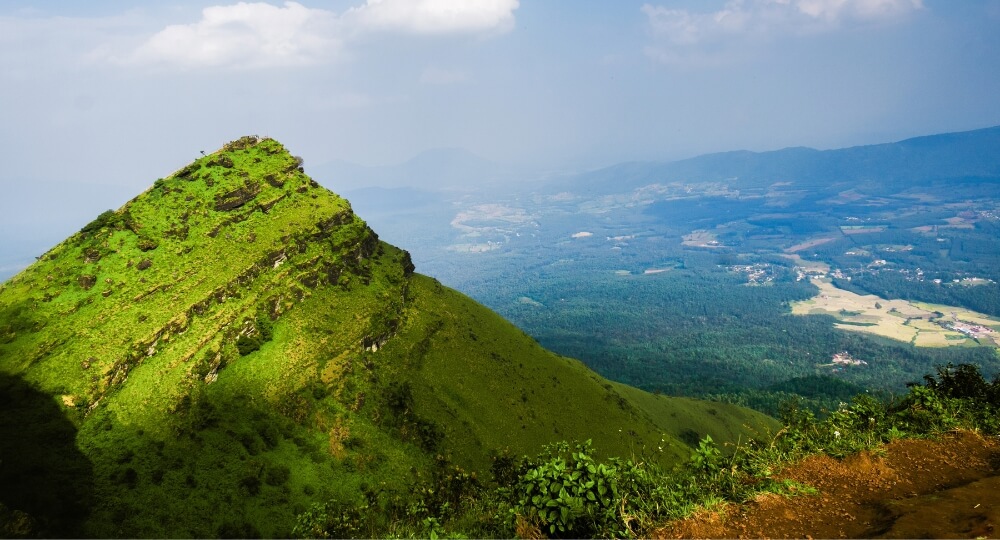
Mullayanagiri Peak
Baba Budangiri
Hebbe Falls
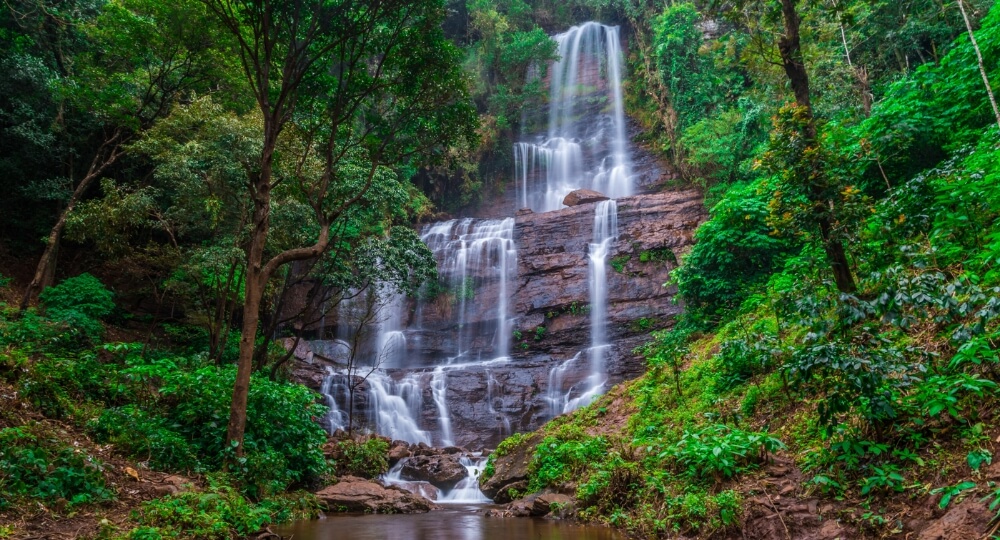
Jhari Falls
Kemmangundi
Hirekolale Lake
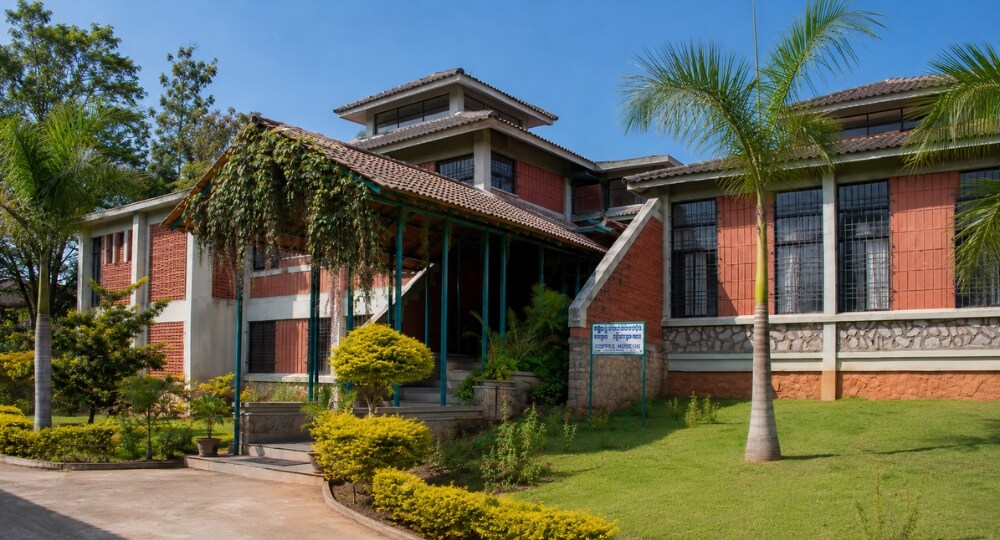
Coffee Museum
Yagachi Dam
Manikyadhara Falls
Belur
Halebidu
Ayyanakere Lake
Kudremukh National Park
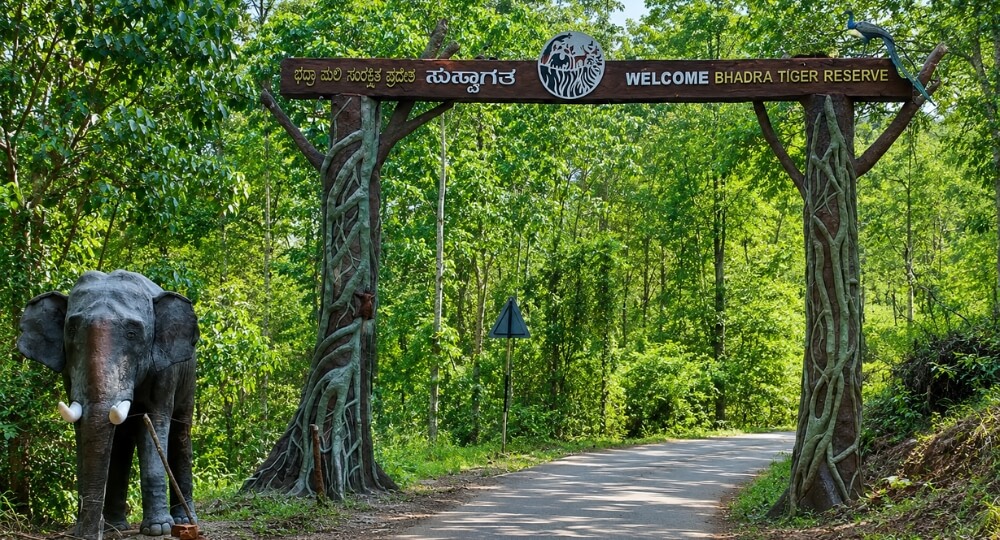
Bhadra Wildlife Sanctuary
Mahatma Gandhi Park
Everything You Need to Know About Chikmagalur
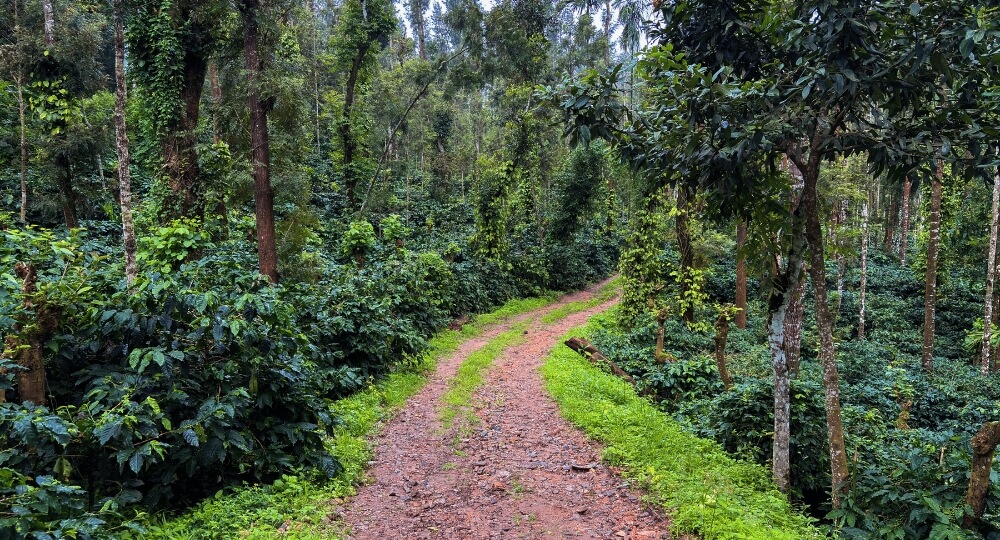
Chikmagalur has been a popular choice among travellers looking for offbeat holiday destinations. They’re also becoming a preferred honeymoon destination as couples get to enjoy a romantic getaway while indulging in their favourite adventure activities. While Chikmagalur has been a major player in India’s coffee production for over 200 years, it gained prominence as a hill station in recent decades, thanks to the many plantation stays offered by estate owners. If you’re planning a quick vacation to this wonderful Coffee Land in Karnataka, check our Chikmagalur tour packages .
Travel Tips

Visa Information
Check visa requirements before traveling, ensuring a smooth entry and compliance with destination regulations.

Health and Safety Tips
Prioritize health, stay hydrated, follow safety guidelines, and maintain personal hygiene for a secure journey.

Currency and Tipping
Familiarize with local currency, consider customary tipping practices for respectful and seamless travel experiences.
FAQs:
Book Your Dream Vacay Today!